
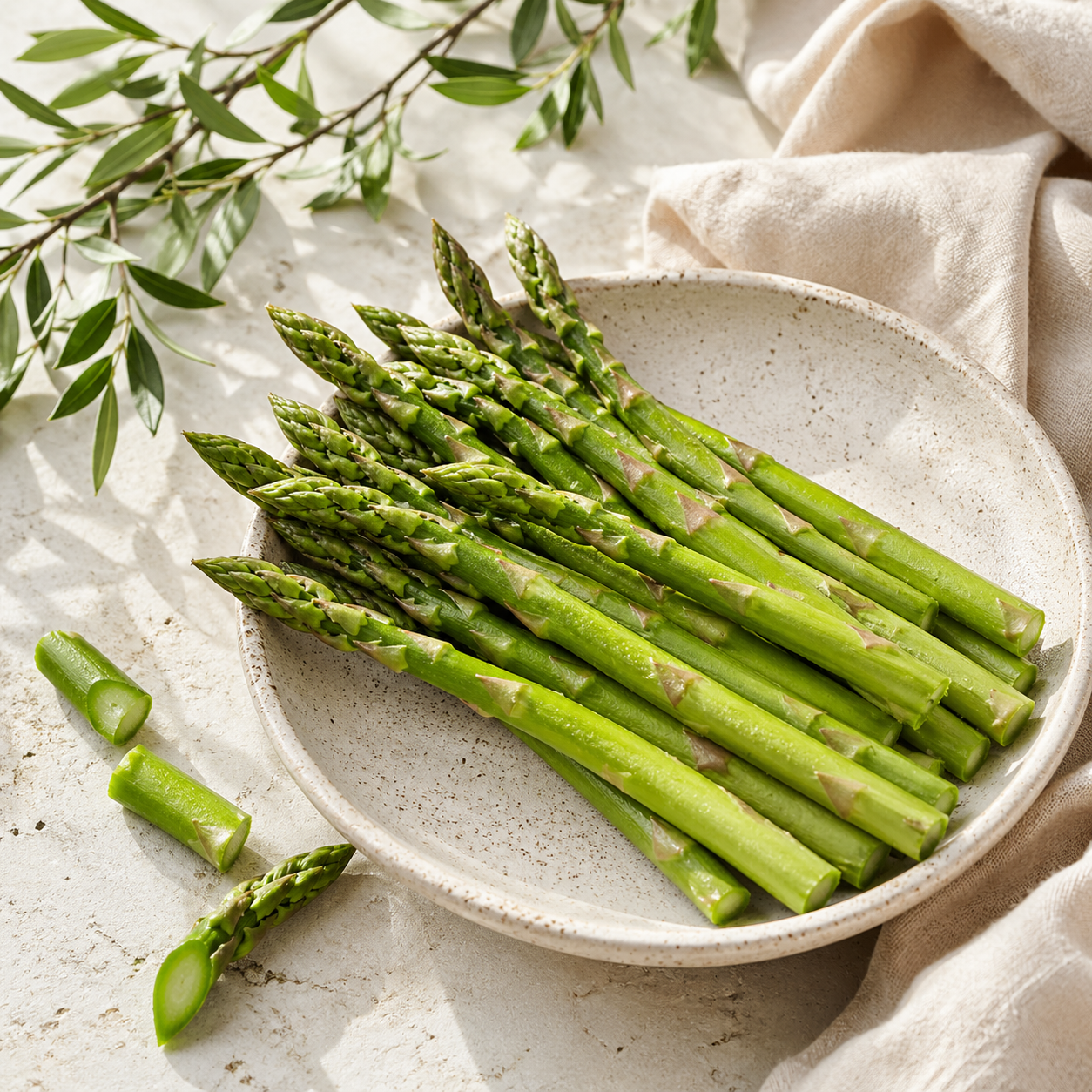
Asparagus
Asparagus: The "Spring Lancet" for Fluid Balance and Liver Filtration
In the nutritional strategy for managing cirrhosis, Asparagus (Asparagus officinalis) is a high-precision tool. Often hailed as one of the most powerful natural diuretics in the plant kingdom, it plays a vital role in managing the fluid retention (ascites) that often complicates advanced liver disease. Beyond its ability to assist the kidneys, asparagus is a concentrated source of asparagine and glutathione, compounds that directly support the liver’s detoxification of ammonia and heavy metals. For those with a scarred liver, these "spring spears" act as a biological flush, clearing the system of metabolic waste that the liver can no longer handle on its own.
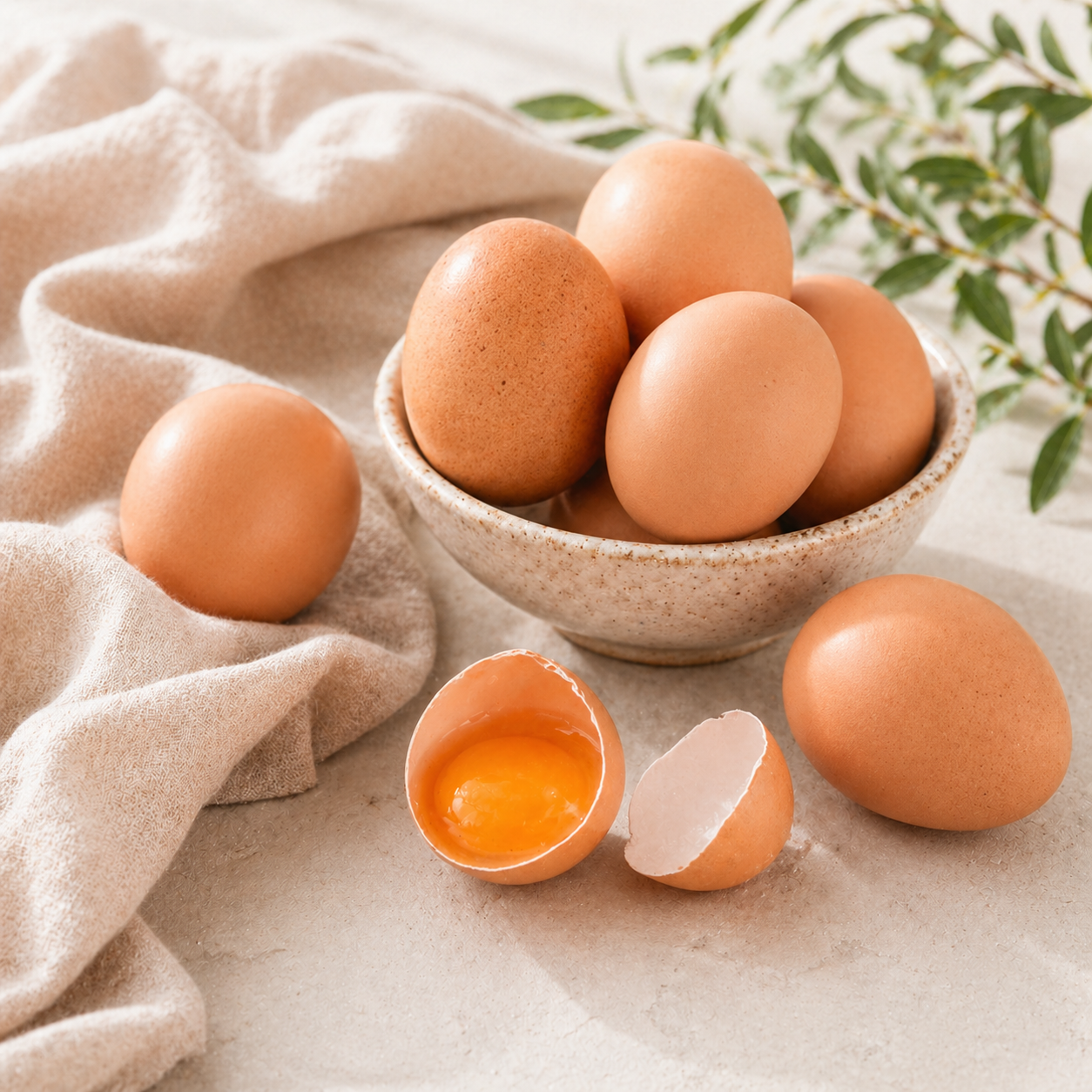
Eggs
Eggs: The "Albumin Architect" for Muscle Maintenance and Toxin Defense
In the strategic nutritional management of liver cirrhosis, Eggs are a cornerstone superfood, providing the "gold standard" for high-quality, bioavailable protein. For individuals navigating the complexities of a scarred liver, the primary clinical threat is sarcopenia—the rapid wasting of muscle tissue that occurs when the liver can no longer effectively store and release energy. Eggs provide the essential amino acids required to rebuild lean body mass while delivering a critical dose of choline and sulfur. These nutrients act as a biological "scaffold," supporting the liver's remaining capacity to manufacture blood proteins and neutralizing the toxins that drive the progression of fibrosis.
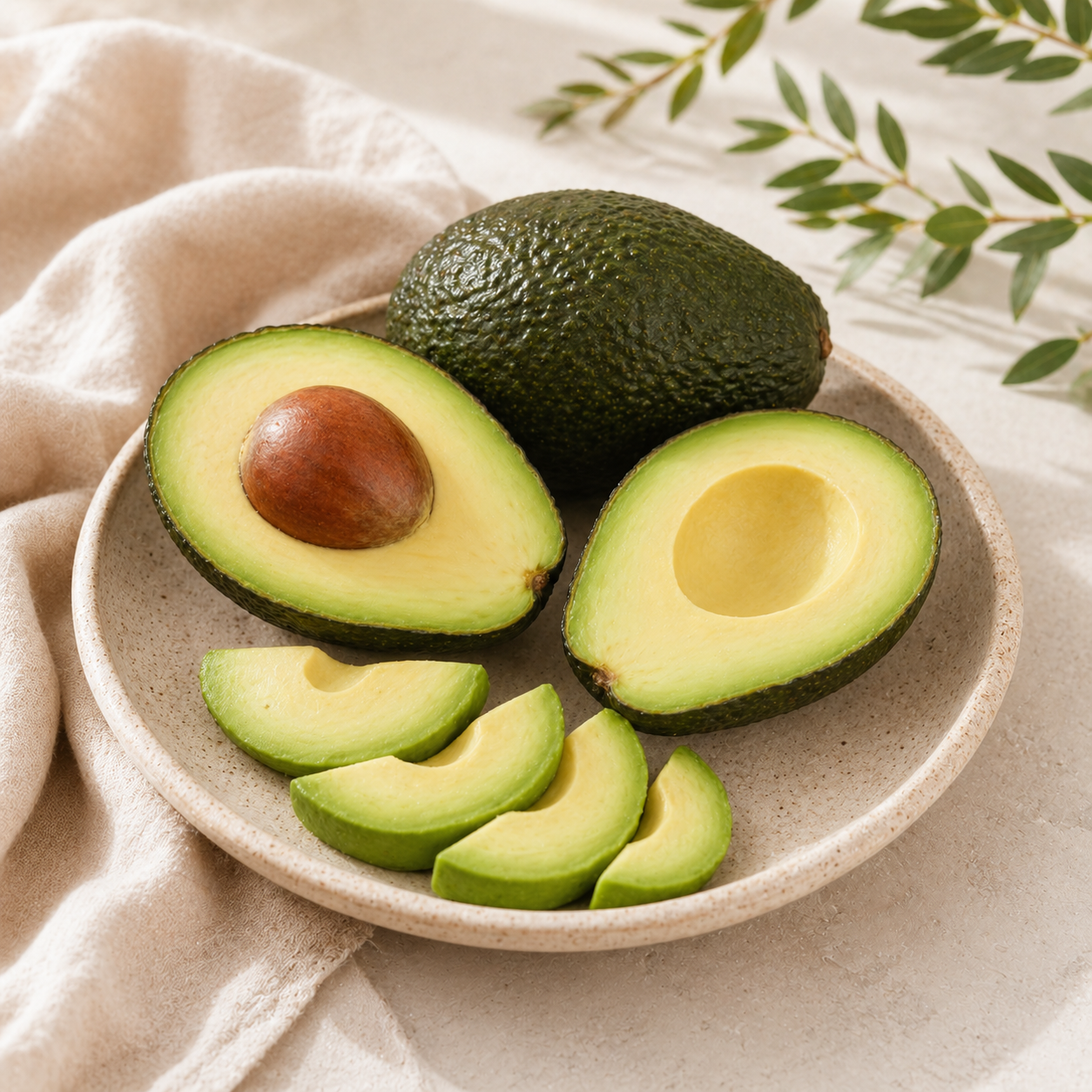
Avacado
Avocados: The "Emerald Shield" for Cellular Repair and Glucathion Boosting
In the strategic nutritional management of liver cirrhosis, the Avocado (Persea americana) stands as a premier medicinal fat. For individuals navigating the complexities of a scarred liver, the primary clinical threat is oxidative stress and systemic inflammation that accelerates the transition of healthy cells into fibrous tissue. Avocados offer a unique concentration of monounsaturated oleic acid, glutathione precursors, and Vitamin E. These specific compounds act as a biological "lubricant," helping to repair damaged cell membranes while providing a powerful antioxidant suit of armor that slows the progression of fibrosis.
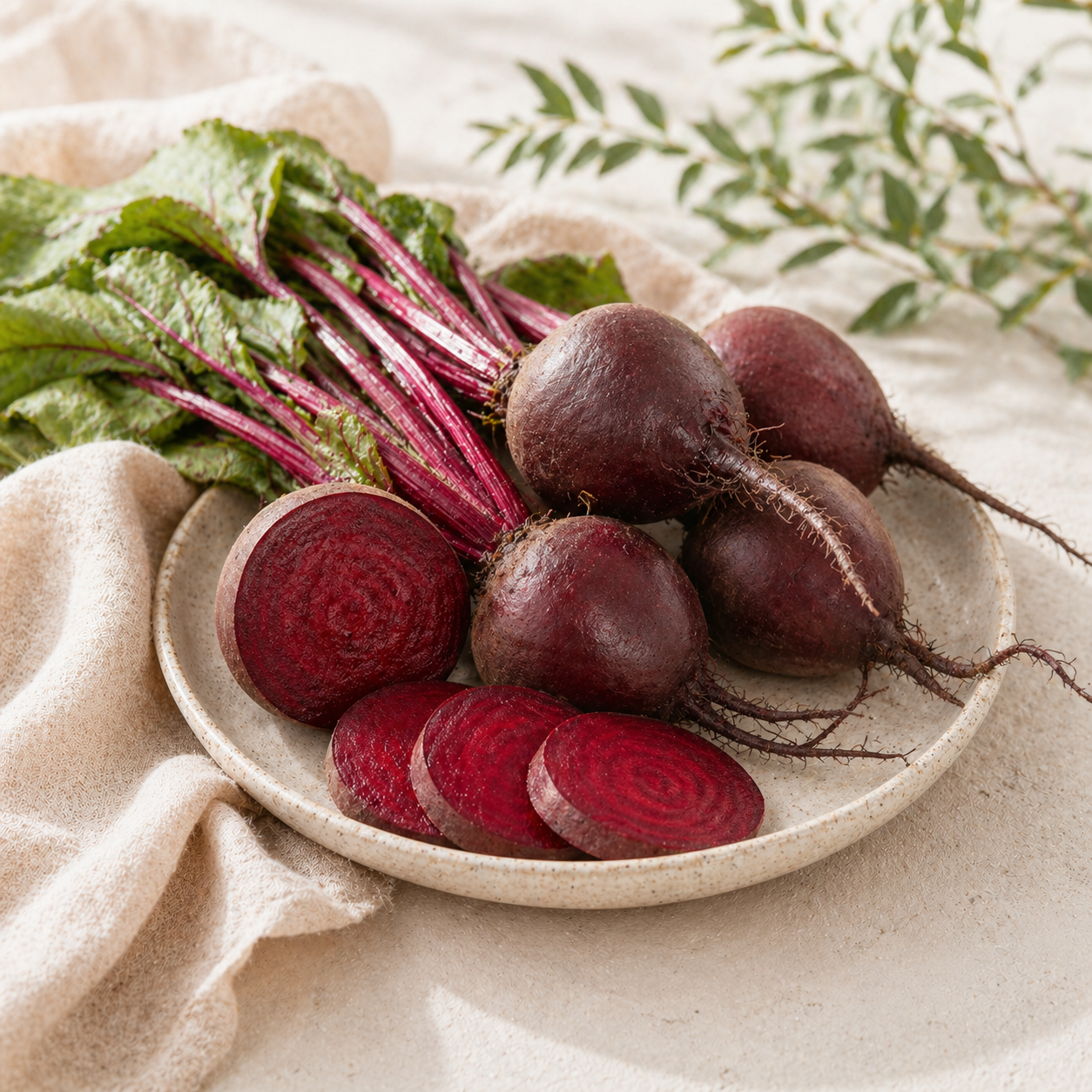
Beets
Beets: The "Vibrant Alchemist" for Fat Export and Bile Flow
In the strategic nutritional management of liver cirrhosis, Beets (Beta vulgaris) stand as a premier functional food for internal purification. For individuals navigating the complexities of a scarred liver, the primary clinical threat is hepatic steatosis (fat accumulation) and cholestasis (sluggish bile flow). Beets offer a unique concentration of betaine and betalains. These specific phytochemicals act as a biological "detergent," helping the liver export accumulated fats while stimulating the rhythmic flow of bile to flush toxins that drive the progression of fibrosis.
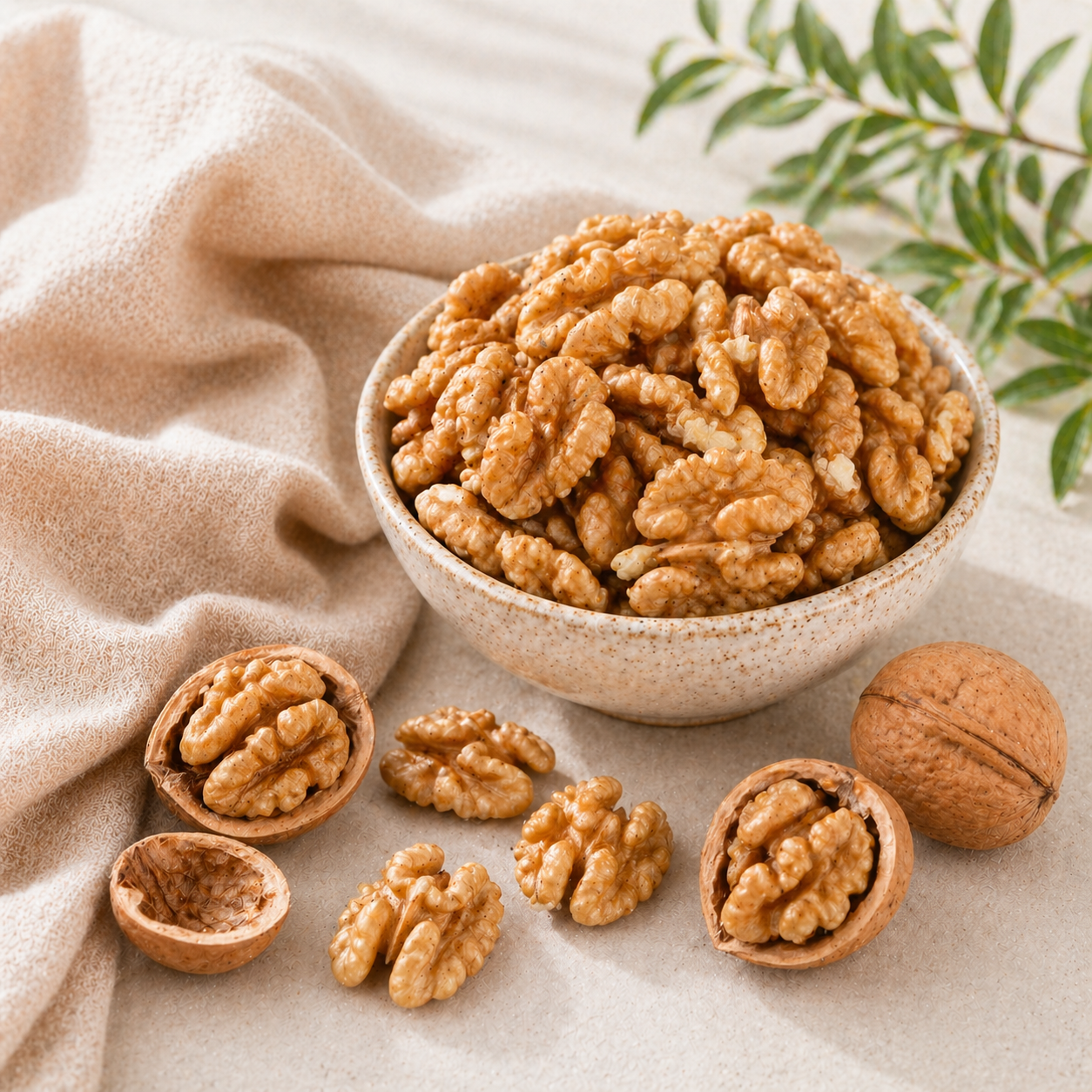
Walnuts
Walnuts: The "Ammonia-Detox Alchemist" for Brain Health and Liver Repair
In the strategic nutritional management of liver cirrhosis, Walnuts (Juglans regia) stand as the premier medicinal nut. For individuals navigating the complexities of a scarred liver, the primary clinical threats are Hyperammonemia (toxic levels of ammonia) and Hepatic Encephalopathy (liver-related brain fog). Walnuts offer a unique concentration of the amino acid arginine, Omega-3 fatty acids (alpha-linolenic acid), and glutathione. These specific compounds act as a biological "cleansing crew," assisting the liver in the conversion of toxic ammonia into urea while providing a powerful anti-inflammatory shield that slows the progression of fibrosis.
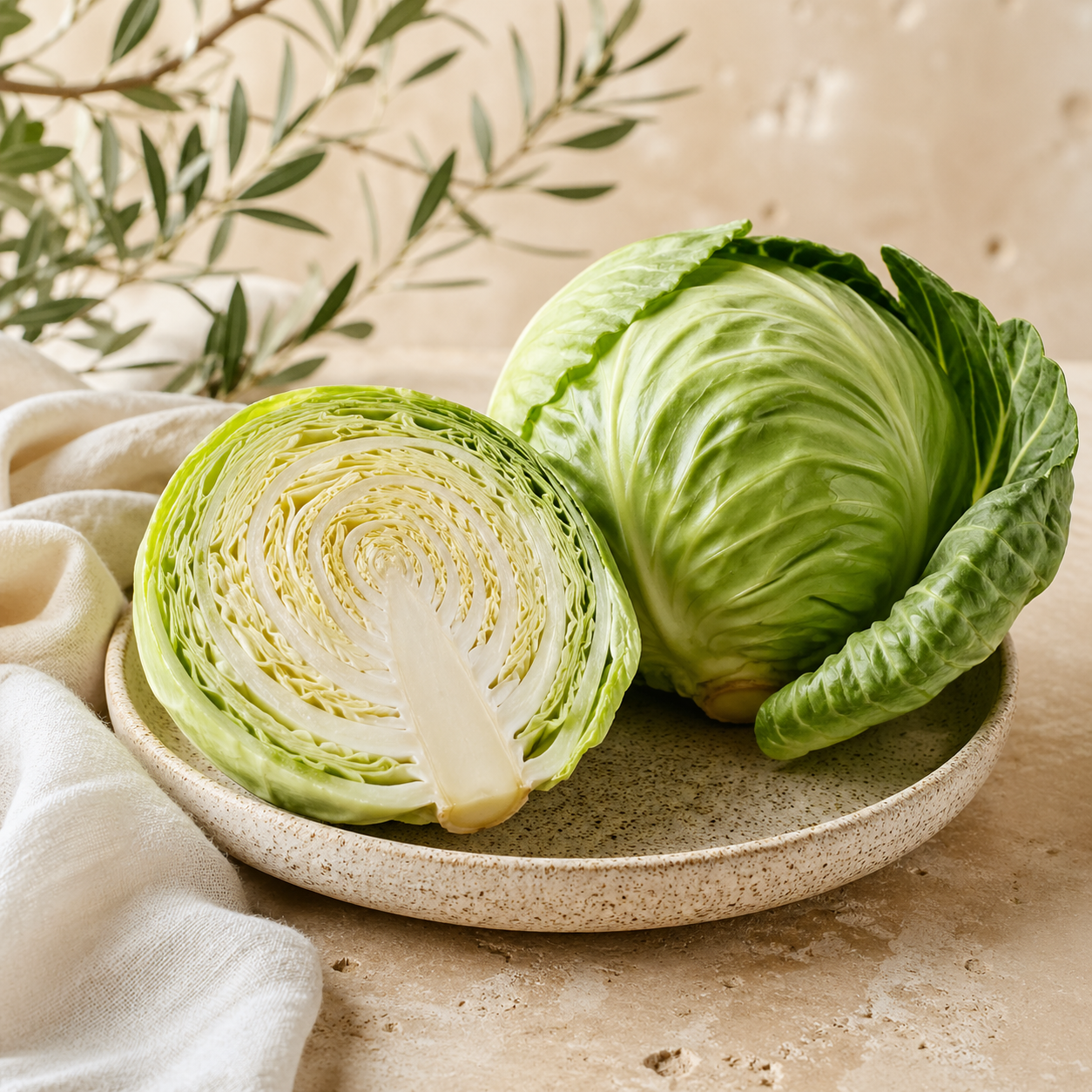
Artichokes
Artichokes: The "Spiny Shield" for Bile Production and Liver Cell Shielding
In the strategic nutritional management of liver cirrhosis, the Artichoke (Cynara cardunculus var. scolymus) is a biological titan. For individuals navigating the complexities of a scarred liver, the primary clinical threats are cholestasis (stagnant bile flow) and the accumulation of environmental toxins that accelerate fibrosis. Artichokes offer a unique concentration of two potent phytochemicals: cynarin and silymarin. These specific compounds act as a biological "pump," stimulating the liver to produce and secrete bile while providing a powerful antioxidant shield that protects remaining healthy hepatocytes from oxidative "rust."
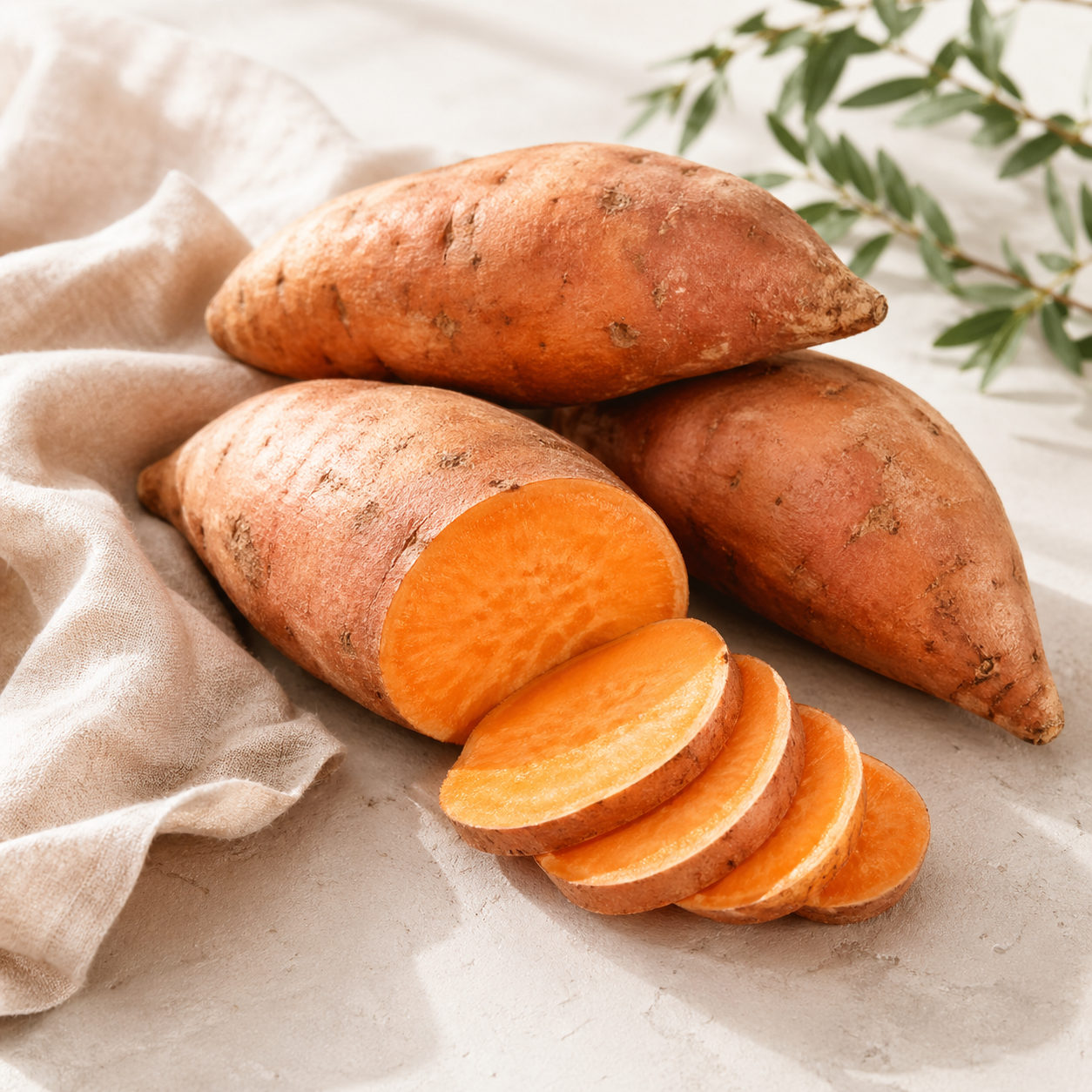
Sweet Potatoes
The Sweet Potato: A Golden Ally for Liver Health
For someone living with cirrhosis, the sweet potato is more than just a side dish—it’s a metabolic tool. Specifically, its high beta-carotene content is vital. While the liver usually stores Vitamin A, a scarred liver (cirrhotic) struggles to process it. Consuming beta-carotene from sweet potatoes allows the body to convert only what it needs, preventing the "vitamin toxicity" that can occur with liver-damaged patients taking synthetic supplements.
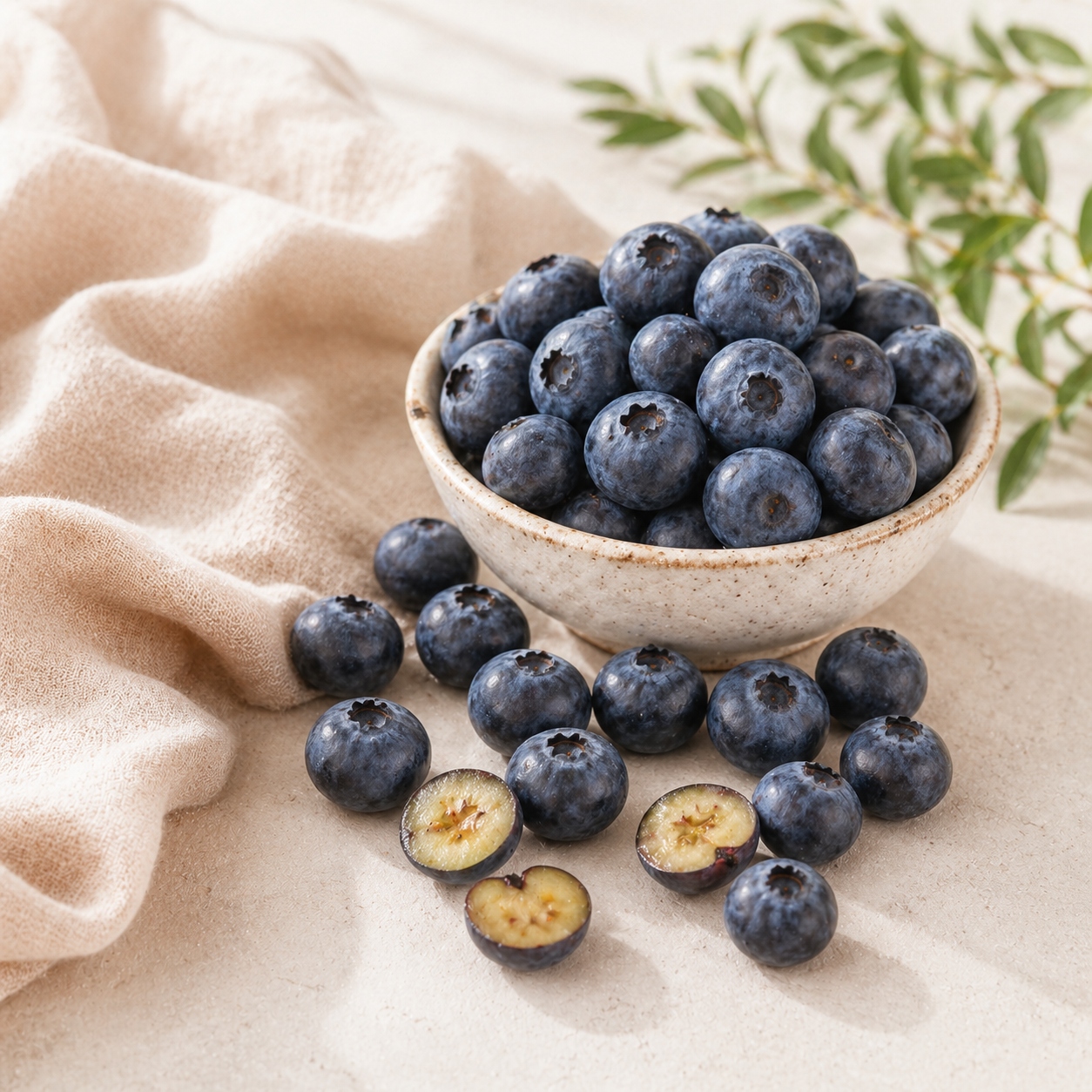
Blueberries
Blueberries: The "Liver Shield" in a Tiny Package
In the world of cirrhosis management, blueberries are a non-negotiable staple. Their primary power lies in anthocyanins—the specific pigments that give them their deep blue hue. Research has shown that these compounds can actually slow down the development of liver lesions and inhibit the activation of "stellate cells," the cells responsible for producing scar tissue (fibrosis) in the liver.
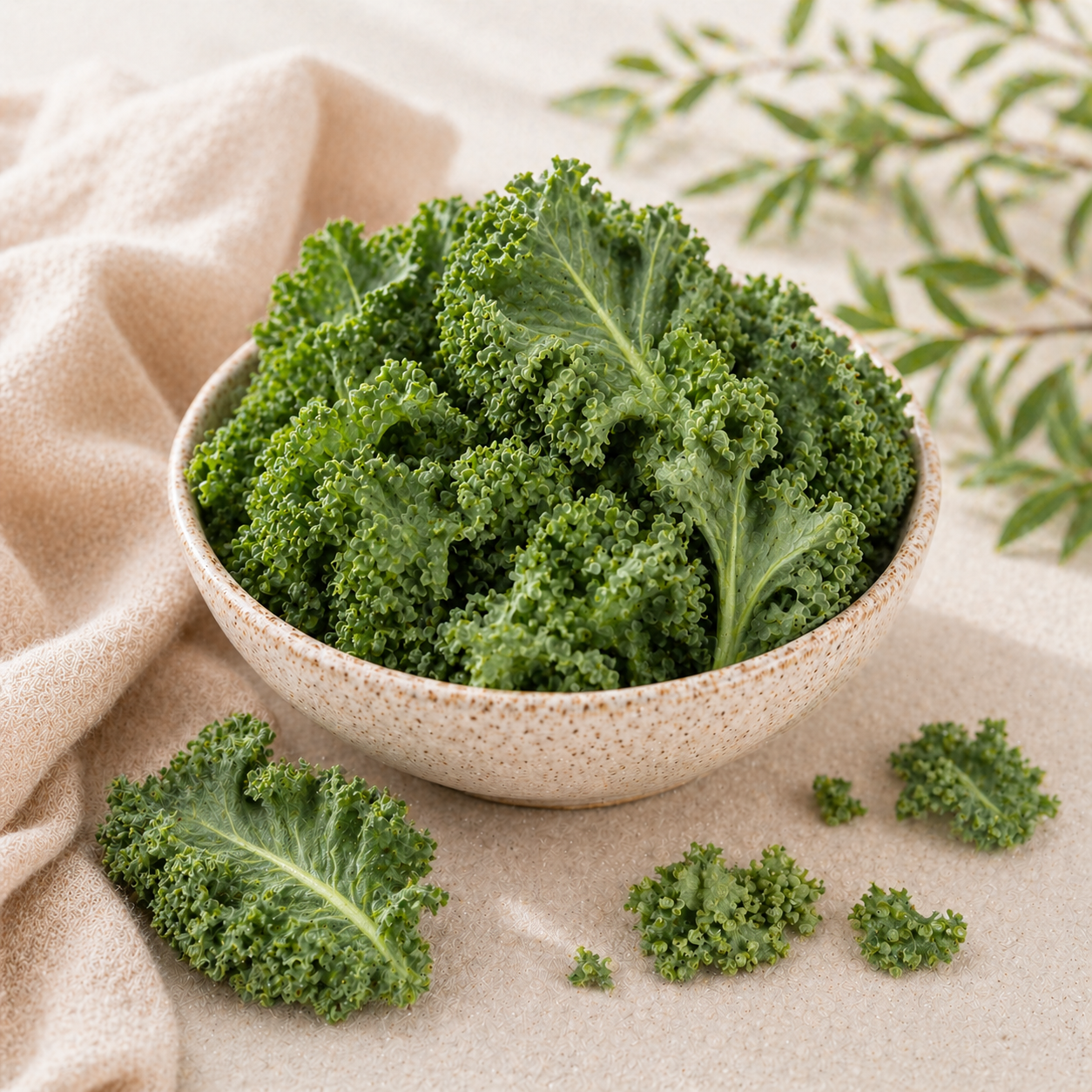
Kale
Kale: The "Chlorophyll Commander" for Blood Health and Toxin Neutralization
In the high-stakes nutritional management of liver cirrhosis, Kale (Brassica oleracea var. sabellica) stands as a dominant functional food. Often hailed as the "Queen of Greens," kale belongs to the cruciferous family—a group of vegetables scientifically recognized as the most potent natural stimulators of the liver’s detoxification enzymes. For a patient with a scarred liver, kale offers a triple-action defense: it provides a massive dose of Vitamin K to support blood clotting, glucosinolates to trigger Phase II detoxification, and chlorophyll to neutralize environmental toxins before they can damage remaining healthy tissue.British Liver Trust: Cruciferous Vegetables and Liver Enzyme Support