
Asparagus
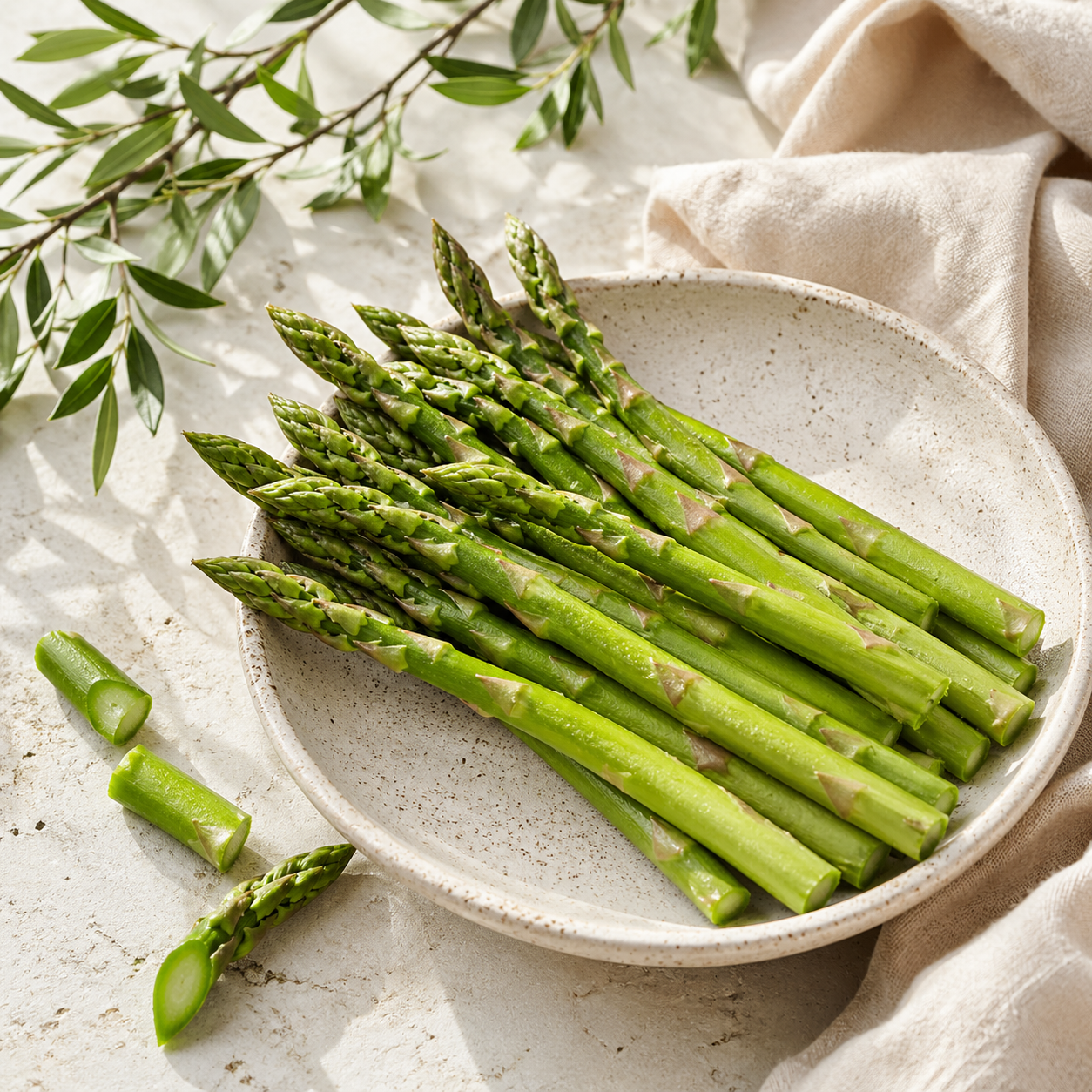
Asparagus: The "Spring Lancet" for Fluid Balance and Liver Filtration
In the nutritional strategy for managing cirrhosis, Asparagus (Asparagus officinalis) is a high-precision tool. Often hailed as one of the most powerful natural diuretics in the plant kingdom, it plays a vital role in managing the fluid retention (ascites) that often complicates advanced liver disease. Beyond its ability to assist the kidneys, asparagus is a concentrated source of asparagine and glutathione, compounds that directly support the liver’s detoxification of ammonia and heavy metals. For those with a scarred liver, these "spring spears" act as a biological flush, clearing the system of metabolic waste that the liver can no longer handle on its own.
A Voyage Through Time: The "Ivory Spears" of the Sun King
The history of asparagus is a journey of obsession, spanning from ancient medicinal scrolls to the extravagant gardens of European monarchs.
The Pharisaic Offering: Asparagus has been prized for over 5,000 years. Ancient Egyptians were so enamored with it that they included bundles of the spears in the tombs of their Pharaohs, believing it to be a "food of the gods" that would nourish them in the afterlife.
The Roman Fast Track: The Romans were arguably history's greatest asparagus enthusiasts. They were so fond of its delicate flavor that they developed special "Asparagus Fleets"—high-speed ships dedicated solely to transporting fresh spears from the Tiber River to the imperial kitchens in Rome. Emperor Augustus was famously impatient, often using the phrase "Velocius quam asparagi coquantur" (faster than you can cook asparagus) to demand quick action from his generals.
Louis XIV’s "King of Vegetables": In 17th-century France, King Louis XIV, the "Sun King," was so obsessed with asparagus that he ordered his royal gardeners to develop a method for growing it year-round in greenhouses. Because it was the first fresh green to appear after a long, nutrient-deficient winter, it became known as the "King of Vegetables."
The "Pointed" Etymology: The name "asparagus" comes from the Greek aspharagos, meaning "to sprout" or "to be pointed." In 16th-century England, folk etymology transformed the name into "Sparrow Grass," a term that was so widely used it appeared in professional botanical texts until the late 18th century.
Why Asparagus is a "Liver-Specific" Superfood
For a patient with cirrhosis, the liver's ability to maintain chemical balance is precarious. Asparagus offers three distinct physiological advantages.
1. The Asparagine Flush (Managing Ascites)
Asparagus is famous for its high concentration of the amino acid asparagine. This compound acts as a powerful natural diuretic, stimulating the kidneys to increase urine production and flush out excess sodium. For cirrhosis patients struggling with ascites (abdominal swelling), this is a critical, non-pharmaceutical way to help manage fluid levels and reduce the pressure on the portal vein.
2. Glutathione: The Master Antioxidant
The liver is the body's primary factory for Glutathione, but a cirrhotic liver often runs at a deficit. Asparagus is one of the top food sources of glutathione, providing the "master antioxidant" directly to the bloodstream. This helps neutralize the oxidative stress that turns healthy liver cells into scar tissue, preserving the function of the healthy tissue you have left.
3. Amino Acids for Alcohol Recovery
Interestingly, research published in the Journal of Food Science suggests that the minerals and amino acids in asparagus (specifically the leaves and shoots) can help protect liver cells against toxins by boosting the levels of enzymes that break down metabolic byproducts. While alcohol must be strictly avoided in cirrhosis, these protective enzymes help the liver recover from past damage.
4. B-Vitamins and Energy
Cirrhosis often leads to chronic fatigue. Asparagus is rich in folate (B9) and B12, which are essential for cellular repair and energy production. Folate, in particular, is a key player in the liver’s methylation process—a primary pathway for detoxification.
"Are You an Aspiring Chef?" Here are Winning Combos
Asparagus has a distinct, grassy "umami" flavor that pairs beautifully with other liver-safe powerhouses.
The "Liver-Flush" Sauté (Asparagus + Garlic + Lemon): Sauté spears in a touch of olive oil with minced garlic. The garlic provides the sulfur needed for your liver to use the asparagus’s glutathione, while the lemon provides Vitamin C for immune support.
The "Protein Power" Bowl (Asparagus + Salmon + Quinoa): Roast asparagus alongside a salmon fillet. The healthy fats in the salmon help your body absorb the fat-soluble Vitamin E and K found in the asparagus.
The "Alkaline Salad" (Asparagus + Beets + Walnuts): Steam asparagus and toss with roasted beets and walnuts. The beets help move fat out of the liver, while the walnuts provide the arginine needed to flush the ammonia that asparagus helps process.
The "Morning Tonic" (Asparagus + Eggs): Soft-boiled eggs served with "soldiers" of steamed asparagus. The choline in the egg yolks works with the folate in the asparagus to help the liver export fat and prevent further scarring.
Nifty Prep Tools for the Liver-Friendly Kitchen
Asparagus is a delicate vegetable that requires specific handling to stay fresh and retain its medicinal properties. Here are the must-haves from Amazon:
Prepworks by Progressive Asparagus Keeper: Asparagus is like a cut flower—it needs to stay upright in a little water to stay crisp. This keeper fits perfectly in your fridge door and keeps your spears fresh for up to two weeks, preventing the loss of Vitamin C and Folate.
Stainless Steel Vertical Asparagus Steamer: To get the perfect texture, the tough bottoms should be boiled while the delicate tips are only steamed. This tall, narrow pot allows you to stand the spears upright, ensuring the "medicine" in the tips isn't destroyed by overcooking.
OXO Good Grips Pro Asparagus Peeler: If you have thick, woody asparagus, don't throw the bottoms away! This specialized peeler removes only the tough outer skin, exposing the tender, nutrient-dense core and reducing food waste.
Silpat Non-Stick Silicone Baking Mat: For the "Asparagus + Salmon" roast, these mats allow you to cook without any extra butter or high-sodium sprays, keeping your meal 100% liver-safe and easy to clean.
Credible Sources for Your Journey
National Institutes of Health (PMC): Asparagus extract protects liver cells against toxins
American Liver Foundation: 13 Foods Good for the Liver
Medical News Today: Seven benefits of asparagus
Journal of Food Science: Protective effects of Asparagus officinalis on liver cells
Healthline: 7 Reasons Why You Should Eat More Asparagus
