
Strawberries
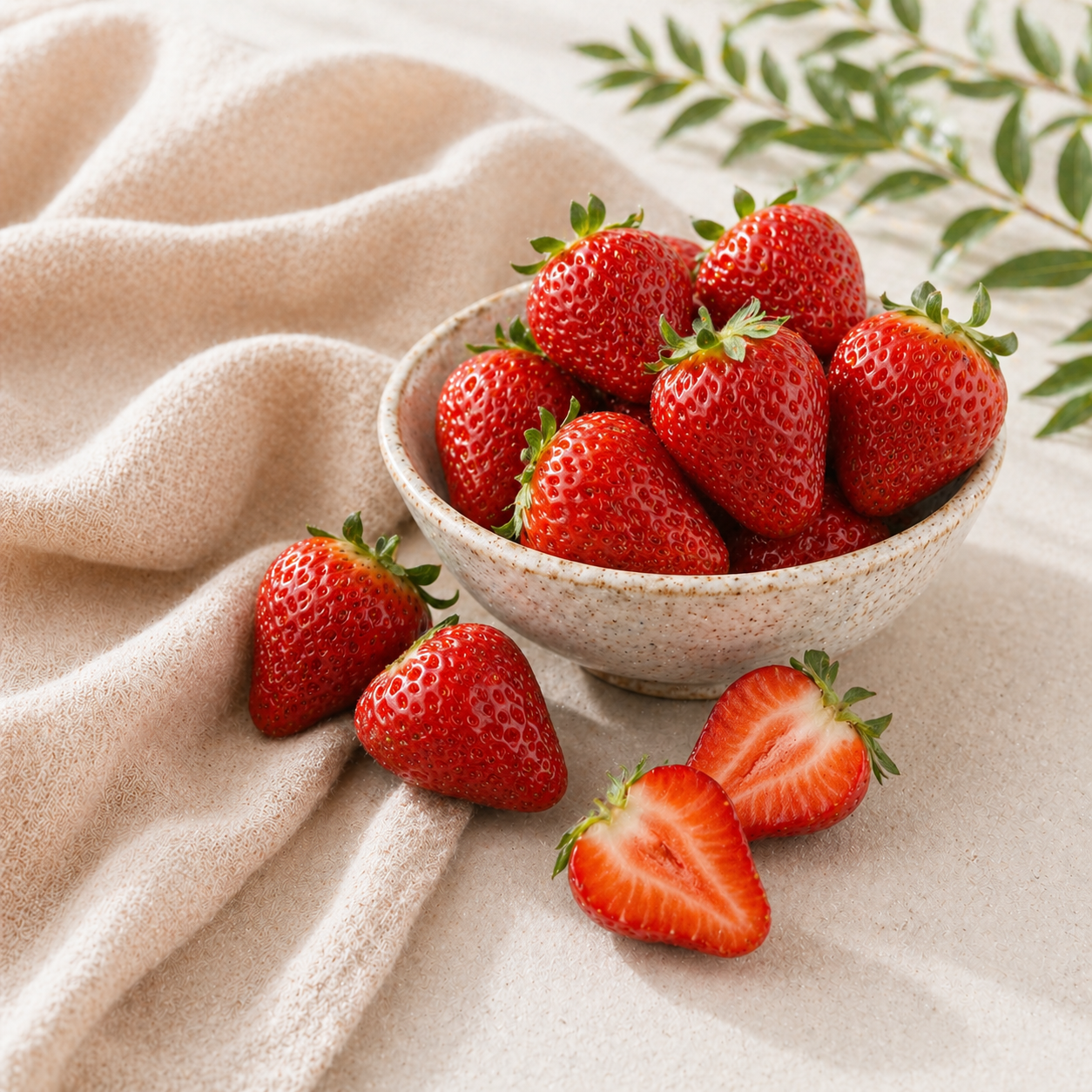
Strawberries: The "Heart Berries" of Antioxidant Defense
In the strategic dietary management of cirrhosis, Strawberries (Fragaria × ananassa) are prized as one of nature’s most potent "antioxidant powerhouses." While their sweetness makes them a favorite dessert, for someone with liver scarring, their true value lies in their high concentrations of anthocyanins and ellagic acid. These compounds act like a biological shield, neutralizing the oxidative stress that damages healthy liver cells and supporting the organ's remaining filtration capacity.
A Voyage Through Time: From Forest Floors to a French Spy’s Smuggle
The history of the modern strawberry is a thrilling tale of botanical luck, royal obsession, and 18th-century international espionage. Understanding where this berry comes from helps us appreciate its medicinal potency—it is quite literally a "global super-hybrid."
The "Seeded Heart" of the Moon
Long before commercial fields existed, wild strawberries (Fragaria vesca) carpeted forest floors across Europe and the Americas. Indigenous North American tribes, such as the Algonquin and the Anishinaabeg, revered them as "seeded heart berries" (Ode’imin). They held them in such high spiritual esteem that the first full moon of June was named the "Strawberry Moon"—a celestial marker for the harvest season. In these cultures, the strawberry was a symbol of reconciliation and health, often used in ceremonies to "mend the heart," a poetic parallel to the modern scientific focus on its anti-inflammatory properties.
The Spy Who Loved Berries
The plump, juicy strawberries we eat today are actually a hybrid that didn't exist until the 1700s. In 1712, a French spy named Amédée-François Frézier was sent by King Louis XIV to South America to gather intelligence on Spanish fortifications. While there, he was captivated by a massive, walnut-sized strawberry species in Chile (Fragaria chiloensis). Despite the risk of execution for smuggling, he hid five live plants and kept them alive with his meager water rations on a grueling six-month voyage back to France.
The Botanical Marriage
Back in the gardens of Versailles, these large Chilean berries were crossed with the tiny but incredibly sweet North American wild strawberry (Fragaria virginiana). The result was the Fragaria × ananassa—the modern garden strawberry. The name ananassa (meaning pineapple) was chosen because the new hybrid had a tropical, pineapple-like fragrance. This cross-continental marriage combined the size and durability of the Chilean berry with the intense sweetness and nutrient density of the North American variety.
The Royal Bath
The strawberry’s reputation for purity and luxury was so great that Madame Tallien, a socialite in Napoleon’s court, famously bathed in 22 pounds of crushed strawberry juice to maintain her radiant skin and vitality. While we don't recommend bathing in them today, the concept was rooted in the berry’s ability to soothe and rejuvenate—a concept that modern science now applies to internal organ health.
Why Strawberries are a "Liver-Specific" Superfood
For a patient with cirrhosis, the liver is in a state of chronic inflammation. Strawberries offer a targeted defense through four specific pathways that are currently being studied by researchers at institutions like the NIH.
1. The Anthocyanin Shield
The deep red color of a strawberry is your indicator of its medicine: anthocyanins. These pigments are more than just color; they are powerful anti-inflammatories. Research, including clinical trials highlighted by the National Institutes of Health (PMC), suggests that these pigments are easily absorbed and can lower systemic inflammation markers. For a cirrhosis patient, this means directly protecting the liver from the oxidative "rust" that worsens scarring. By neutralizing free radicals, anthocyanins help preserve the healthy hepatocytes (liver cells) that are still functioning.
2. Ellagic Acid and Fibrosis Prevention
Strawberries are remarkably rich in ellagic acid, a polyphenol that has been shown in laboratory studies to have significant anti-fibrotic properties. Cirrhosis involves the activation of "hepatic stellate cells," which are the cells responsible for laying down collagen (scar tissue). Studies published in PubMed indicate that ellagic acid can help modulate these pathways, potentially slowing the rate at which the liver becomes "stiff." Preserving the flexibility of the liver is essential for maintaining blood flow and preventing complications like portal hypertension.
3. Vitamin C: More Than an Orange
Ounce for ounce, strawberries contain more Vitamin C than oranges. For a cirrhotic patient, Vitamin C is essential for supporting the immune system, which is often weakened by liver disease. Furthermore, Vitamin C is a critical co-factor in the production of collagen—not the bad scar-tissue kind, but the healthy kind that maintains the structural integrity of your blood vessels and the remaining healthy liver tissue.
4. Low Glycemic Load for Metabolic Peace
Maintaining steady blood sugar is vital for liver health. High insulin levels can drive fat accumulation in the liver (steatosis), which causes a "second-hit" injury to an already scarred organ. Strawberries have a low glycemic index, satisfying a sweet tooth without causing the massive insulin spikes that signal the liver to store fat. This makes them one of the safest fruits for those managing the metabolic complexities often associated with advanced liver disease.
"Are You an Aspiring Chef?" Winning Winning Combos
Because you have to strictly avoid salt and processed sugars with cirrhosis, you have to get creative with flavors. Strawberries are culinary chameleons that thrive in salt-free dishes.
The "Florentine Summer" (Strawberries + Spinach + Walnuts): Sliced strawberries and spinach are a classic pairing. The Vitamin C in the berries helps your body absorb the non-heme iron in the spinach, which is vital if you are dealing with anemia. The walnuts provide healthy Omega-3 fats that help your body absorb Vitamin K, which is essential for blood clotting—a major concern for liver patients.
The "Zesty Refinement" (Strawberries + Basil + Balsamic): Drizzle sliced strawberries with a salt-free balsamic glaze and fresh basil. The basil provides a savory "umami" hit without the need for sodium, while the acidity of the balsamic stimulates digestive enzymes, making it easier for your liver to process nutrients.
The "Andean Sunrise" (Quinoa + Strawberries + Mint): Mix cooked quinoa with fresh berries and chopped mint. Quinoa provides the high-quality, muscle-preserving protein your body desperately needs to fight sarcopenia, while the mint acts as a natural digestive aid to soothe any GI discomfort. This sounds odd, but quinoa can be savory! Think oatmeal.
The "Liver-Loving" Refresher (Strawberries + Lime + Sparkling Water): Muddle fresh strawberries with lime juice and mint. This refreshing drink provides a massive hit of antioxidants without the alcohol that is strictly forbidden. The lime juice provides a "salty" sensation to the palate, helping you forget the salt shaker.
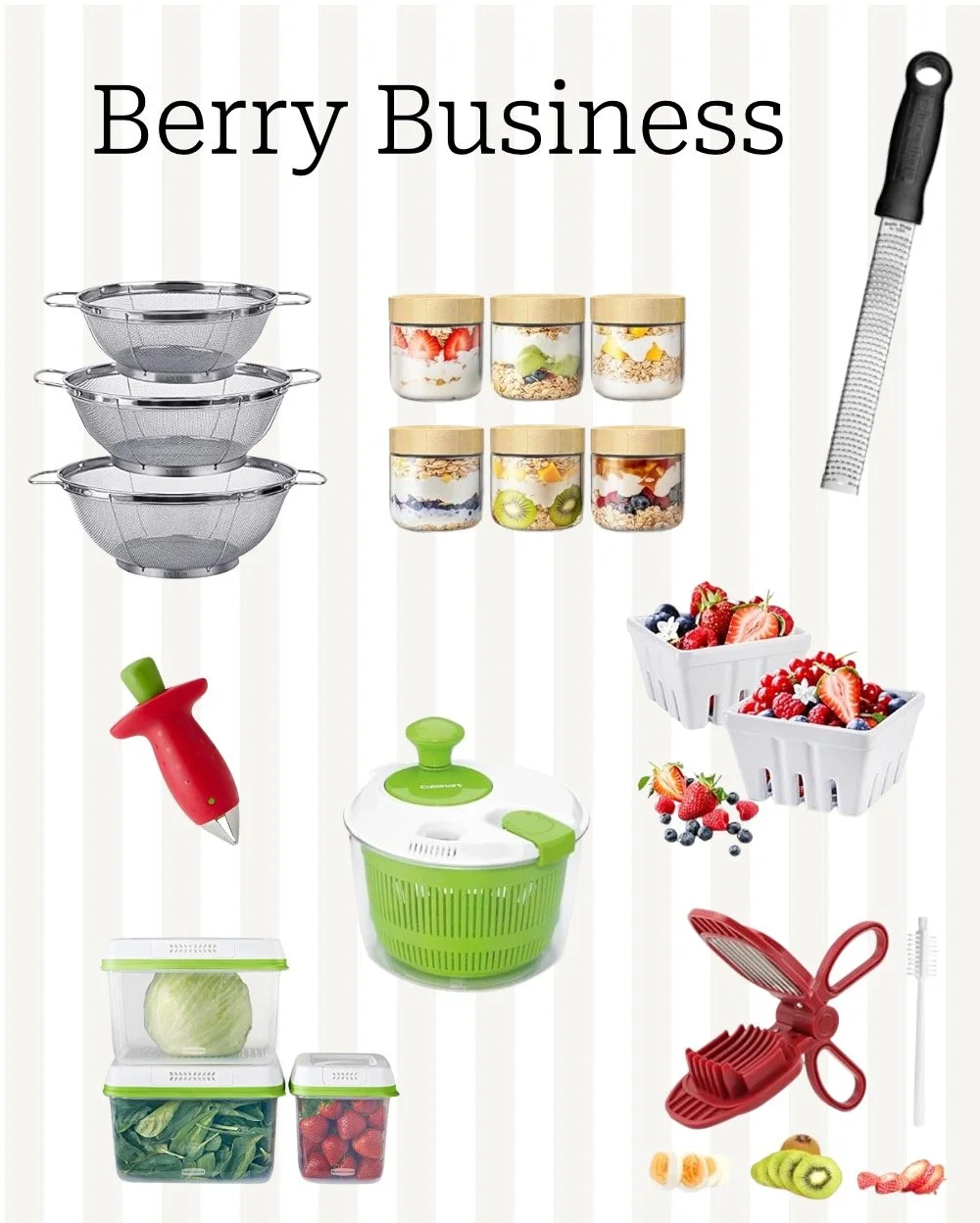
Nifty Prep Tools for the Liver-Friendly Kitchen
To keep your "heart berries" fresh and maximize their healing potential, equip your kitchen with these essentials from Amazon:
Strawberry Huller Removing the stem (hulling) is a breeze with this tool. It removes only the tough core while keeping the rest of the berry intact, ensuring you don't waste any of the precious, nutrient-dense fruit.
Produce Saver Storage Containers Strawberries are delicate and can mold quickly. These containers use a patented filter to regulate airflow, keeping your berries fresh up to 80% longer than standard store packaging.
Strawberry Slicer For those with hand fatigue, this tool creates perfect, uniform slices in one quick motion. Uniform slices are ideal for dehydrating or making beautiful, consistent salads.
Microplane Zester/Grater Since you must avoid salt, citrus zest is your best friend. This tool allows you to add bright lemon or lime flavor to your strawberry dishes without any sodium.
Credible Sources for Your Journey
National Institutes of Health (PMC): Dietary Strawberries Improve Biomarkers of Antioxidant Status
Cleveland Clinic: 6 Health Benefits of Strawberries
American Liver Foundation: Healthy Recipes: Fresh Berries for Liver Health
USDA ARS: More Strawberries, More Antioxidant Absorption
University of Vermont: The Storied History of the Strawberry
FoodUnfolded: The Tale of the Modern Strawberry
The Protective Properties of the Strawberry (PMC - National Institutes of Health)
The Science: This peer-reviewed study demonstrates how strawberry juice provides a hepatoprotective effect by reducing oxidative stress and lowering liver enzyme markers. It highlights the fruit's ability to significantly reduce collagen areas in the liver, pointing to strong anti-fibrotic properties.Therapeutic Potential of Ellagic Acid in Liver Diseases (PMC)
The Breakdown: A deep clinical dive into how ellagic acid—one of the primary polyphenols in strawberries—inhibits the activation of hepatic stellate cells. This process is vital for managing liver conditions and preventing the accumulation of scar tissue.PubMed Central (PMC) (.gov)
Spirit of the Seasons: When the Heart Berry Moon Speaks
The Lore: An immersive cultural resource exploring the Ojibwe and Anishinaabeg traditions of the "Ode'imini-giizis" (Strawberry Moon). It explains the spiritual "Heart Berry" teaching, where the strawberry's shape and medicinal roots are used as a symbol of renewal and healing.How a Spy Mission Led to the Strawberries We Eat Today (Reader's Digest)
The History: A fascinating historical account of Amédée-François Frézier, the French spy who smuggled large Chilean strawberries back to Europe in 1714. This story details the "botanical luck" that led to the creation of the modern garden strawberry we use for nutrition today.Health Benefits of Strawberries (WebMD)
The Essentials: A medically reviewed guide explaining that strawberries deliver more Vitamin C than oranges and are packed with anthocyanins. It explains how these antioxidants protect liver cells by neutralizing free radicals that cause oxidative "rust".
