

What It Feels Like
Hepatic encephalopathy can feel different for everyone.
Common experiences include:
🧠 Brain fog
🧠 Forgetfulness
🧠 Difficulty concentrating
🧠 Slower thinking
🧠 Word-finding problems
🧠 Mental fatigue
🧠 Mood changes
🧠 Feeling "off"
Sleep-related symptoms often include:
🌙 Wide awake at 2:00 AM
☀️ Exhausted during the day
😴 Unplanned naps
⏰ Sleep-wake reversal
📅 Feeling disconnected from normal schedules
The Crossover Point
Think of your brain like a switchboard.
At first, a few signals arrive late.
A connection flickers.
A message gets rerouted.
Everything still works.
Then more signals begin crossing wires.
Some messages arrive slowly.
Others never arrive at all.
The switchboard becomes increasingly difficult to manage.
Hepatic encephalopathy is what happens when the brain is forced to work through static.
Things Nobody Explains
1. It Isn't Just Confusion
Many people expect hepatic encephalopathy to look dramatic.
Often it begins with subtle changes that are easy to dismiss.
2. Sleep Problems Can Be an Early Clue
For some patients, a reversed sleep schedule appears long before obvious cognitive symptoms.
3. You May Notice It Last
Friends and family sometimes recognize changes before the patient does.
4. It Can Fluctuate
A person may feel completely normal one day and noticeably foggy the next.
Infections, dehydration, constipation, medications, and other stressors can all contribute.
What Helps
✅ Lactulose when prescribed
✅ Rifaximin when prescribed
✅ Preventing constipation
✅ Staying hydrated when appropriate
✅ Managing infections quickly
✅ Maintaining nutrition and muscle mass
✅ Regular follow-up with your healthcare team
The Bottom Line
Hepatic encephalopathy is not a character flaw, a lack of effort, or a failure to pay attention.
It's a complication of liver disease that affects the brain's ability to process information efficiently.
Sometimes it looks like confusion.
Sometimes it looks like forgetfulness.
And sometimes it looks like lying awake at 3:00 AM wondering why a disease built around fatigue won't let you sleep.
Recipes That Work Harder Than They Look
A good recipe should taste good first.
That still matters here. Maybe even more than usual.
Because when food starts coming with rules, restrictions, lab results, sodium math, protein goals, appetite changes, and everyone’s unsolicited opinion about what you “should” eat, pleasure cannot be the first thing to disappear.
In Cirrhosis Kitchen, recipes are also about strategy.
It is not just chicken.
It is protein for muscle support.
It is not just beans.
It is fiber, fullness, and steady energy.
It is not just lemon, garlic, herbs, vinegar, or spices.
It is flavor that does not need to lean on salt.
It is not just yogurt, eggs, fish, lentils, olive oil, vegetables, or whole grains.
It is how ingredients work together to make a meal more useful without making it feel like homework.
That is why combinations matter.
A liver-friendly recipe is not about finding one perfect ingredient and building a shrine to it. It is about pairing foods in ways that support the bigger picture: protein, energy, digestion, sodium awareness, blood sugar balance, appetite, symptoms, and whatever your body is currently making more complicated than it needs to be.
Some days, the priority is getting enough protein.
Some days, it is keeping sodium low without eating cardboard.
Some days, it is finding something small that still counts.
And some days, it is simply making food you actually want to eat.
That counts too..
Recipes That Work Harder Than They Look
A good recipe should taste good first.
That still matters here. Maybe even more than usual.
Because when food starts coming with rules, restrictions, lab results, sodium math, protein goals, appetite changes, and everyone’s unsolicited opinion about what you “should” eat, pleasure cannot be the first thing to disappear.
In Cirrhosis Kitchen, recipes are also about strategy.
It is not just chicken.
It is protein for muscle support.
It is not just beans.
It is fiber, fullness, and steady energy.
It is not just lemon, garlic, herbs, vinegar, or spices.
It is flavor that does not need to lean on salt.
It is not just yogurt, eggs, fish, lentils, olive oil, vegetables, or whole grains.
It is how ingredients work together to make a meal more useful without making it feel like homework.
That is why combinations matter.
A liver-friendly recipe is not about finding one perfect ingredient and building a shrine to it. It is about pairing foods in ways that support the bigger picture: protein, energy, digestion, sodium awareness, blood sugar balance, appetite, symptoms, and whatever your body is currently making more complicated than it needs to be.
Some days, the priority is getting enough protein.
Some days, it iskeeping sodium low without eating cardboard.
Some days, it is finding something small that still counts.
And some days, it is simply making food you actually want to eat.
That counts too..

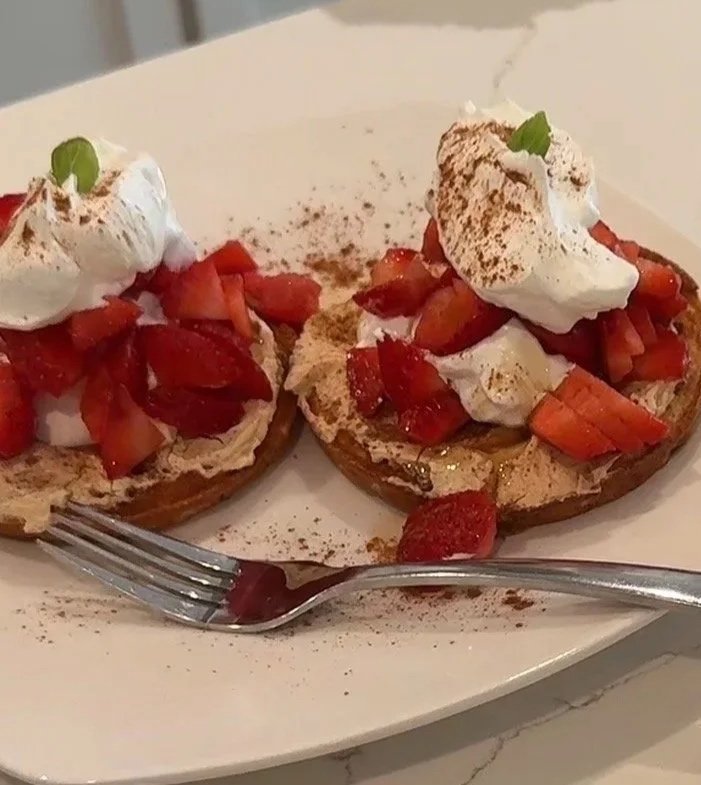
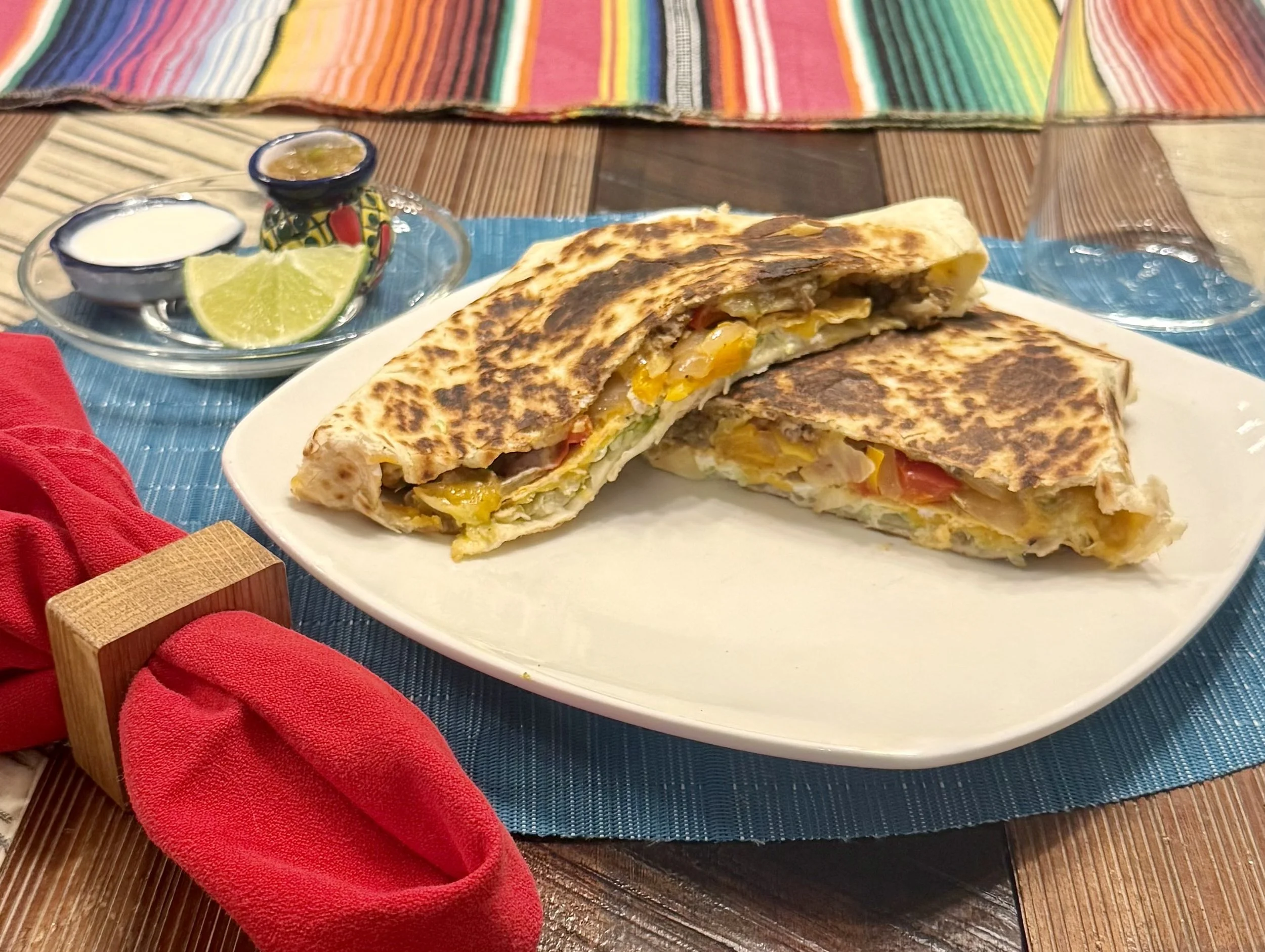
Featured Recipe
•
Featured Recipe •
Browse All Recipes
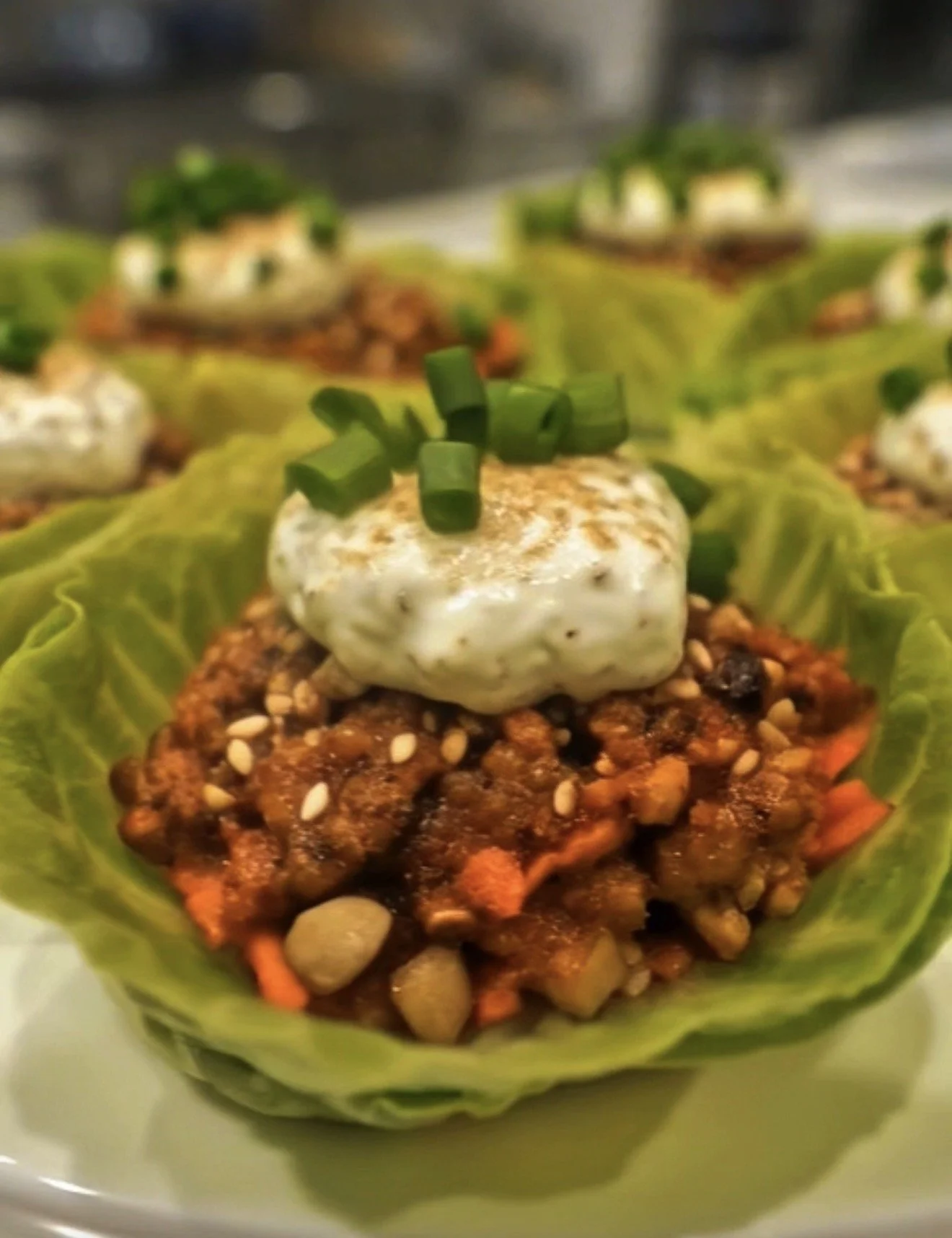
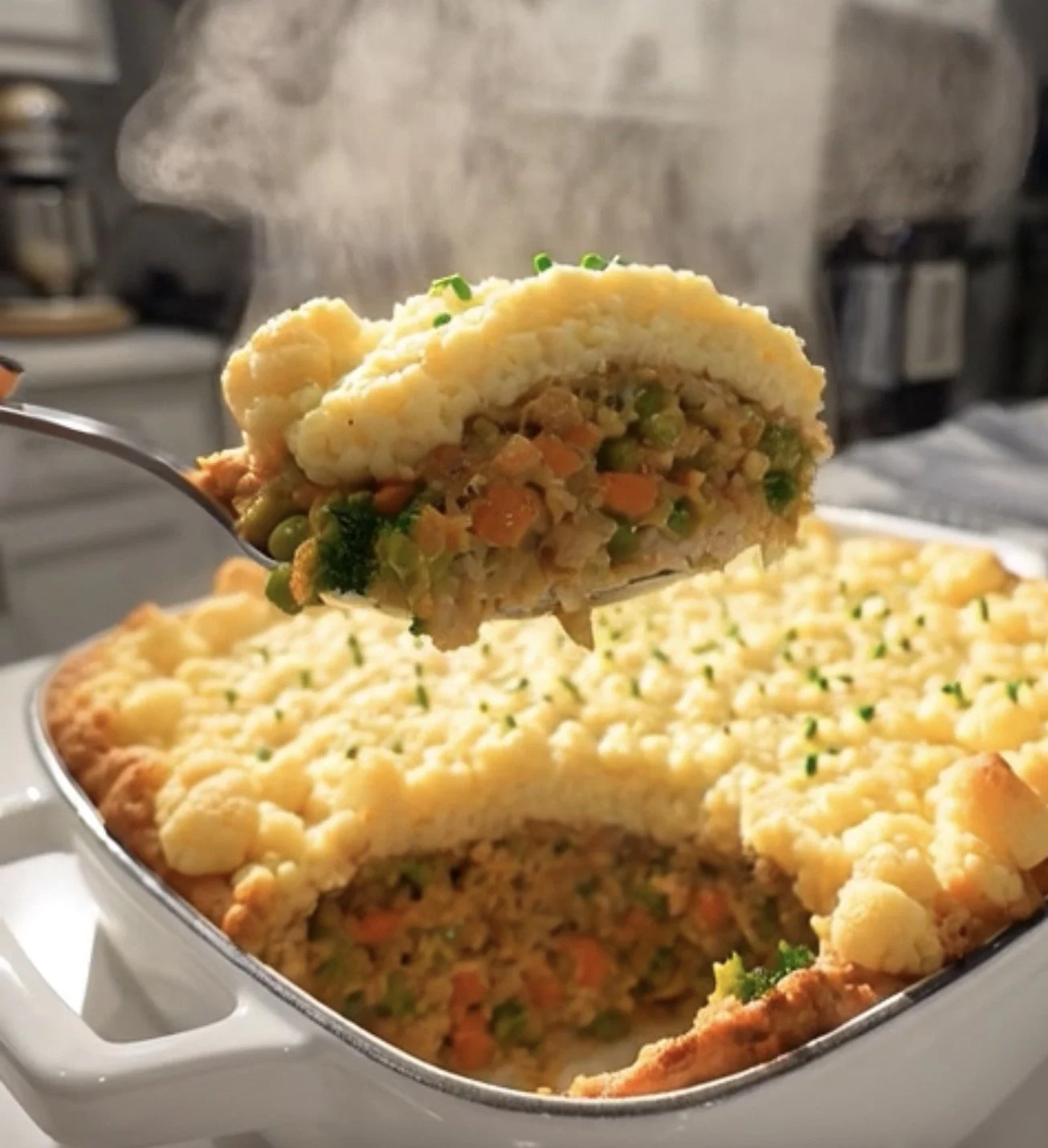
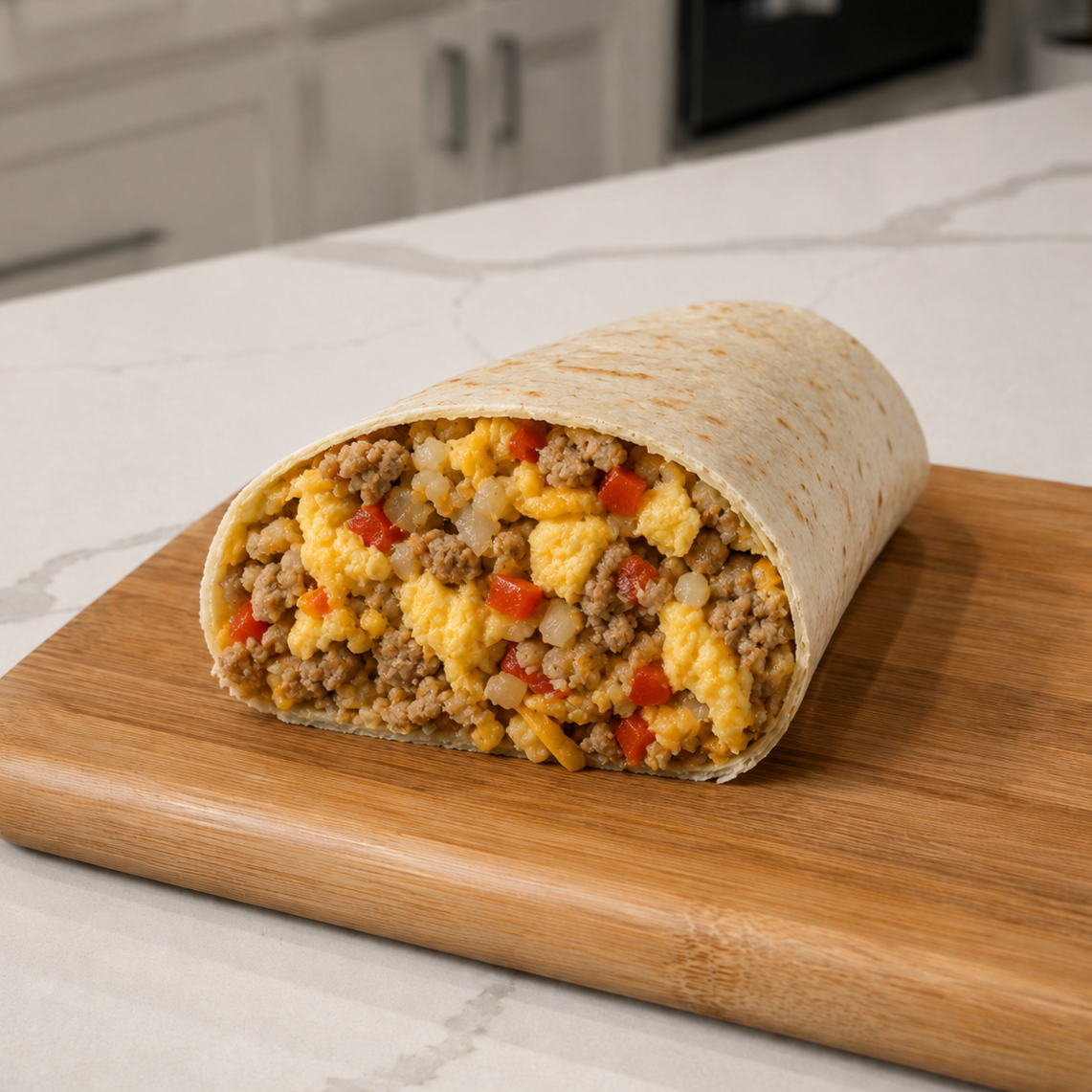
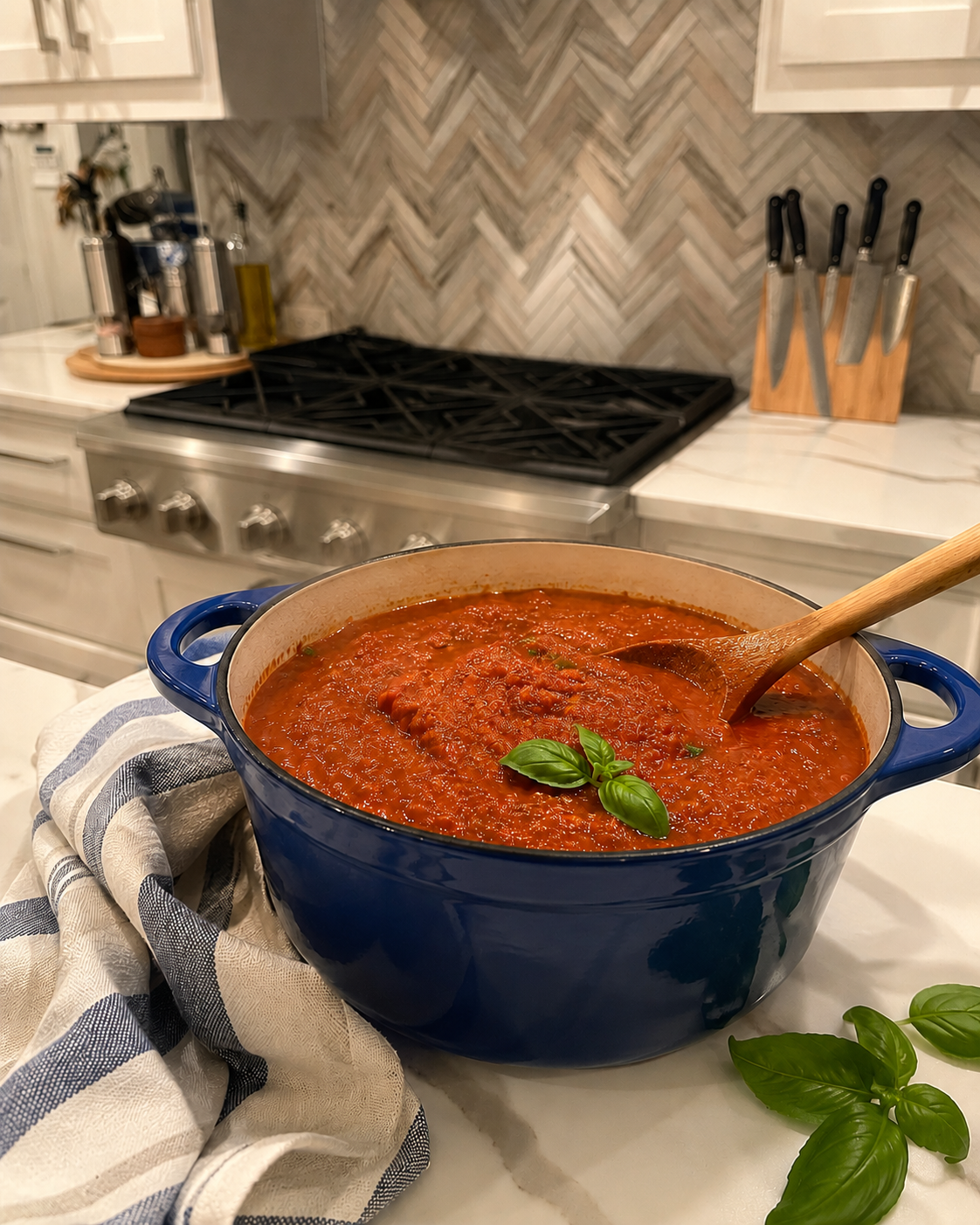
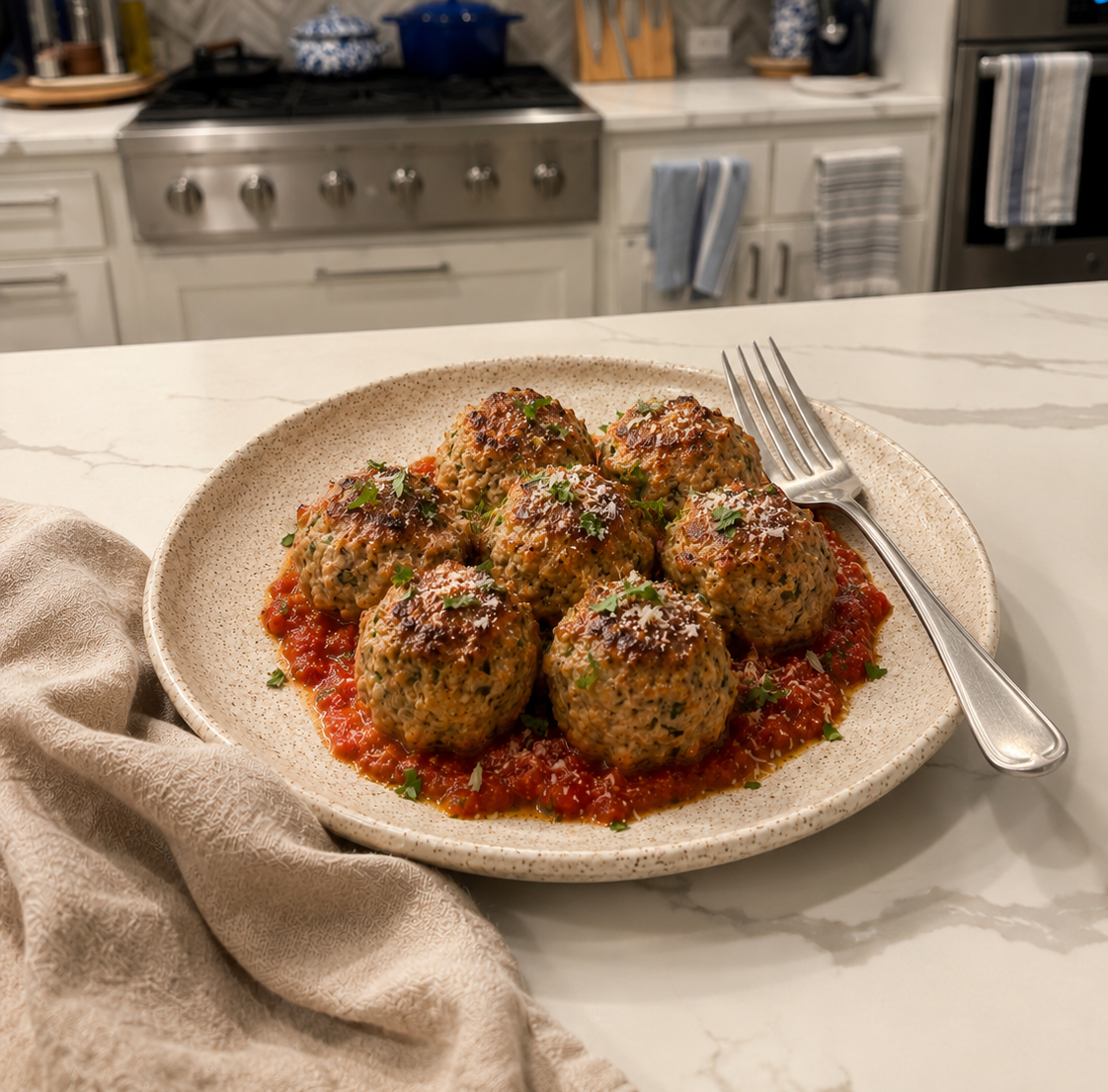
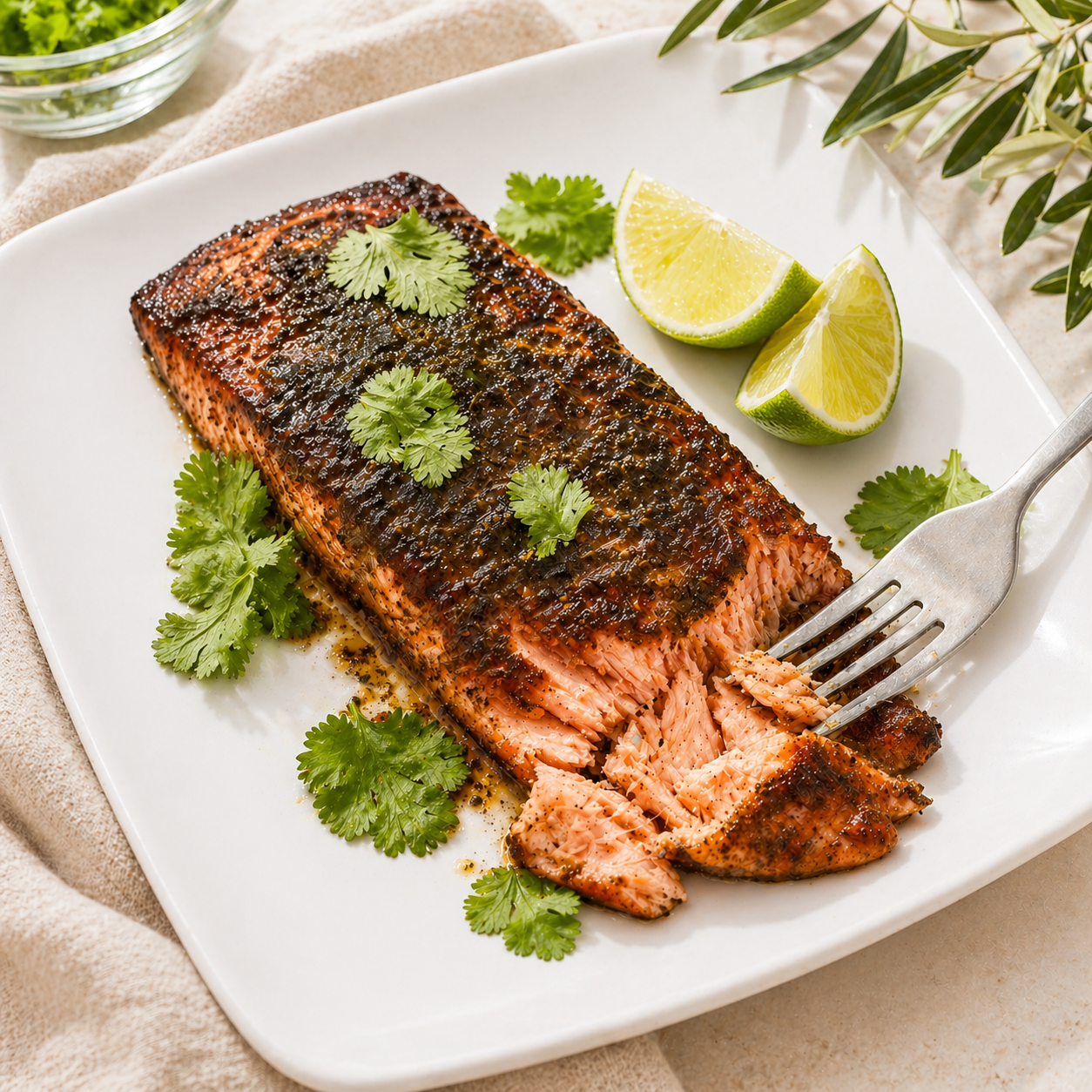
Forget boring salads and sodium-heavy takeout traps. By replacing high-sodium wrappers with crisp, nutrient-dense cabbage leaves and layering deep, authentic flavors with ginger, garlic, and zero-salt toasted sesame aroma, this recipe delivers a massive 19g of muscle-saving protein per cup while keeping sodium completely bottomed out.