
Kale
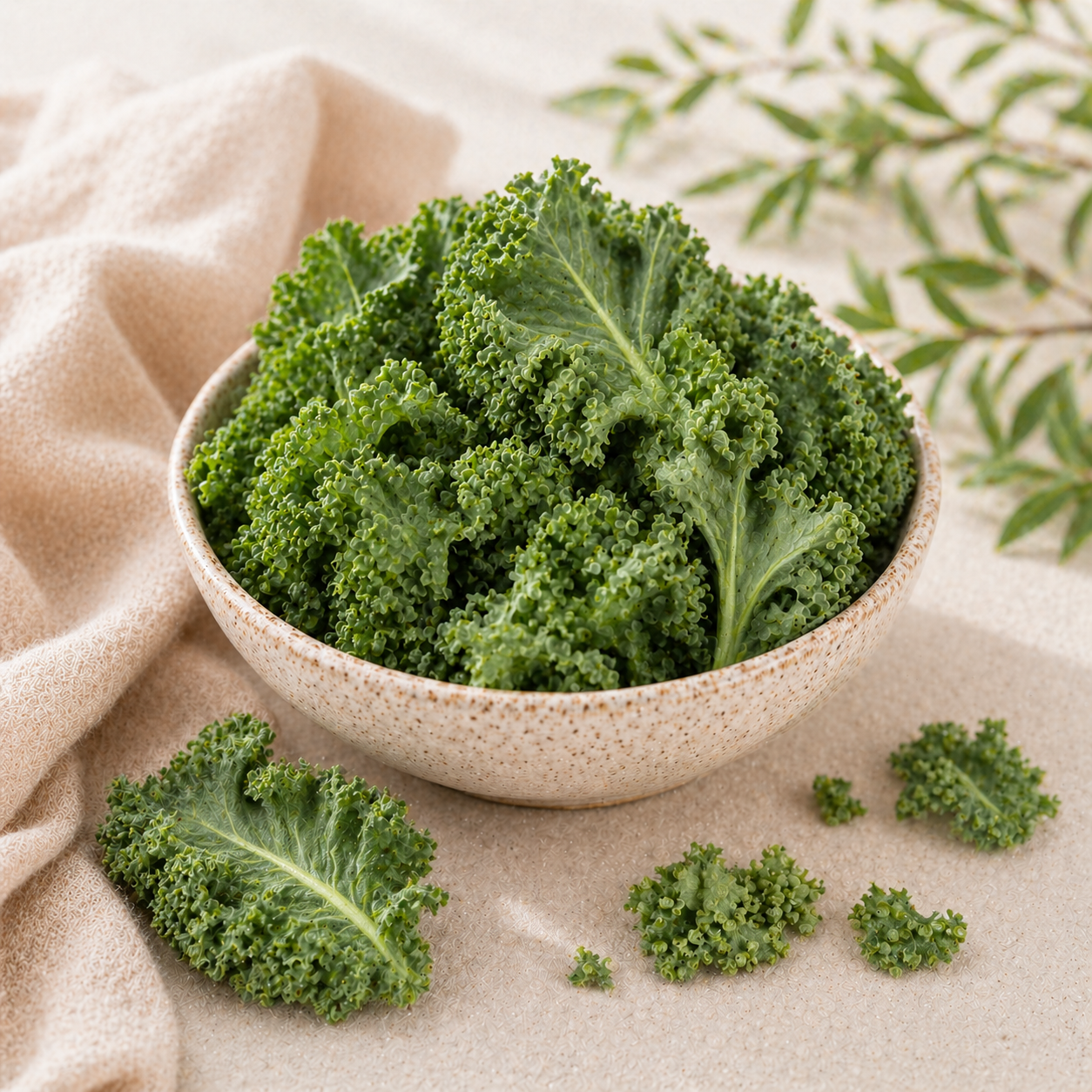
Kale: The "Chlorophyll Commander" for Blood Health and Toxin Neutralization
In the high-stakes nutritional management of liver cirrhosis, Kale (Brassica oleracea var. sabellica) stands as a dominant functional food. Often hailed as the "Queen of Greens," kale belongs to the cruciferous family—a group of vegetables scientifically recognized as the most potent natural stimulators of the liver’s detoxification enzymes. For a patient with a scarred liver, kale offers a triple-action defense: it provides a massive dose of Vitamin K to support blood clotting, glucosinolates to trigger Phase II detoxification, and chlorophyll to neutralize environmental toxins before they can damage remaining healthy tissue.
As the liver loses its ability to filter blood efficiently, incorporating these "Commander" compounds becomes a critical strategy for organ longevity. In this 2,000-word deep dive, we explore the ancient roots, the molecular science, and the culinary strategies that make kale a non-negotiable staple for liver restoration.
A Voyage Through Time: From the "Peasant’s Cabbage" to the Roman Field Rations
The history of kale is a 4,000-year saga of human reliance on one of the hardiest and most nutrient-dense plants on Earth. Unlike modern "headed" cabbages, kale is much closer to the wild cabbages that originated in Asia Minor and the Mediterranean.
The Ancient Greek Panacea: The Ancient Greeks were so convinced of kale’s medicinal powers that they used it as a primary remedy for mushroom poisoning and intestinal "sluggishness." They believed that eating kale before a feast would protect the liver from the "heat" of indulgence—an early, intuitive understanding of the vegetable’s hepatoprotective properties.
The Roman Field Rations: The Romans referred to kale as Brassica, and it was a mandatory part of the field rations for their legions. Roman soldiers relied on kale to maintain their stamina and "fortify the blood" during long marches across Europe. It was the Romans who first introduced kale to the British Isles and France, where it became a survival staple for the working class.
Scotland’s "Kail-Bell": In medieval Scotland, kale was so central to the diet that the word "kail" became synonymous with food itself. A "kailyard" was a vegetable garden, and the "kail-bell" was the dinner bell. During the brutal Scottish winters, when no other crops could survive the frost, kale remained standing in the fields, providing the Vitamin C and minerals that prevented scurvy.
The Victory Garden Hero: During World War II, the British government encouraged citizens to grow kale in their "Victory Gardens." Because it was easy to grow and resistant to pests, it provided a vital source of iron and Vitamin K during a time of intense food rationing, helping a nation stay resilient under pressure.
Why Kale is a "Liver-Specific" Superfood
For a patient with cirrhosis, the liver’s "filter" is partially blocked by scar tissue. Kale provides the chemical tools to help the remaining healthy tissue work at peak efficiency.
1. Vitamin K: The Clotting Commander
One of the most dangerous complications of cirrhosis is the liver’s inability to produce the proteins required for blood clotting. According to the National Institutes of Health, kale is one of the world's richest sources of Vitamin K1. By providing this nutrient, kale supports the liver’s remaining capacity to manage blood health, reducing the risk of easy bruising and dangerous bleeding episodes.
2. Phase II Detoxification Support (Glucosinolates)
The liver detoxifies the body in two stages. In a scarred liver, "Phase II"—the stage where toxins are "packaged" to be safely removed—can become sluggish. Kale is packed with glucosinolates. Research published in PubMed Central (PMC) shows that when chewed or chopped, these turn into isothiocyanates, which specifically ramp up Phase II enzymes. This ensures that toxins don't linger in the liver, where they can cause further oxidative stress on scarred tissue.
3. Chlorophyll and Heavy Metal Defense
The deep green color of kale is a signal of its high chlorophyll content. ScienceDirect research indicates that chlorophyll acts as a biological "sponge" in the digestive tract, binding to heavy metals and environmental pollutants. This prevents these toxins from being absorbed into the bloodstream and reaching the liver, directly reducing the organ's filtration workload.
4. Lutein and Zeaxanthin: The Carotenoid Guard
Kale is loaded with lutein and zeaxanthin. While famous for eye health, these fat-soluble antioxidants are also stored in the liver. Clinical studies highlighted by the Cleveland Clinic indicate that these carotenoids can help dampen the systemic inflammation that drives the progression of fibrosis (scarring).
"Are You an Aspiring Chef?" Winning Combos
Since cirrhosis requires a strict low-sodium diet to manage fluid retention (ascites), kale’s earthy and slightly bitter profile is a critical tool for adding "umami" depth without salt.
The "Liver-Flush" Salad: Massage kale with Extra Virgin Olive Oil and Lemon Juice to break down the tough fibers. Add roasted Beets and crushed Walnuts. The lemon stimulates bile, the beets move fat, and the walnuts flush ammonia.
The "Andean Repair" Bowl: Fold sautéed kale into warm Quinoa. Serve with a Baked Salmon Fillet. The salmon’s healthy fats ensure your body absorbs the fat-soluble Vitamin K from the kale.
The "Immune-Boost" Stir-Fry: Sauté kale with plenty of minced Garlic and sliced Bell Peppers. The garlic provides the sulfur for detox, and the peppers provide the Vitamin C to boost collagen repair.
Nifty Prep Tools for the Liver-Friendly Kitchen
To keep your "Chlorophyll Commanders" fresh and maximize their healing potential, these tools are essential:
Fullstar 9-in-1 Vegetable Chopper: Kale is fibrous and can be difficult to digest if not finely chopped. This tool allows you to shred a whole bunch of kale into uniform "ribbons" in seconds, making it much easier on a sensitive digestive system.
OXO Good Grips Salad Spinner: Moisture is the enemy of kale storage. This spinner ensures your kale is bone-dry before you store it, preventing the rot and Vitamin C loss that occurs in damp leaves.
Rubbermaid FreshWorks Produce Saver Containers: Kale is a "living" vegetable that needs to breathe. These containers regulate oxygen flow, keeping your kale crisp and nutrient-dense up to 80% longer.
Wüsthof Classic 3.5-inch Paring Knife: The stems of kale are very high in cellulose and can be hard for a cirrhosis patient to digest. A sharp paring knife is essential for "de-ribbing" the kale leaves quickly and safely.
Summary of Benefits for Cirrhosis
Blood Health: Massive Vitamin K1 levels support the liver's remaining blood-clotting factors.
Phase II Detox: Glucosinolates activate the enzymes that package toxins for efficient removal.
Toxin Sponge: Chlorophyll binds heavy metals in the gut to reduce the liver's filtration workload.
Anti-Fibrotic Carotenoids: Lutein and zeaxanthin protect liver cell membranes from inflammatory damage.
Fiber-Rich Flush: High insoluble fiber assists in moving ammonia rapidly through the digestive tract.
Credible Sources for Your Journey
American Liver Foundation: 13 Foods Good for the Liver
National Institutes of Health (PMC): Cruciferous Vegetables and Liver Health
Cleveland Clinic: The Benefits of Kale
Medical News Today: Nutritional Breakdown of Kale
Healthline: 10 Health Benefits of Kale
