
Blueberries
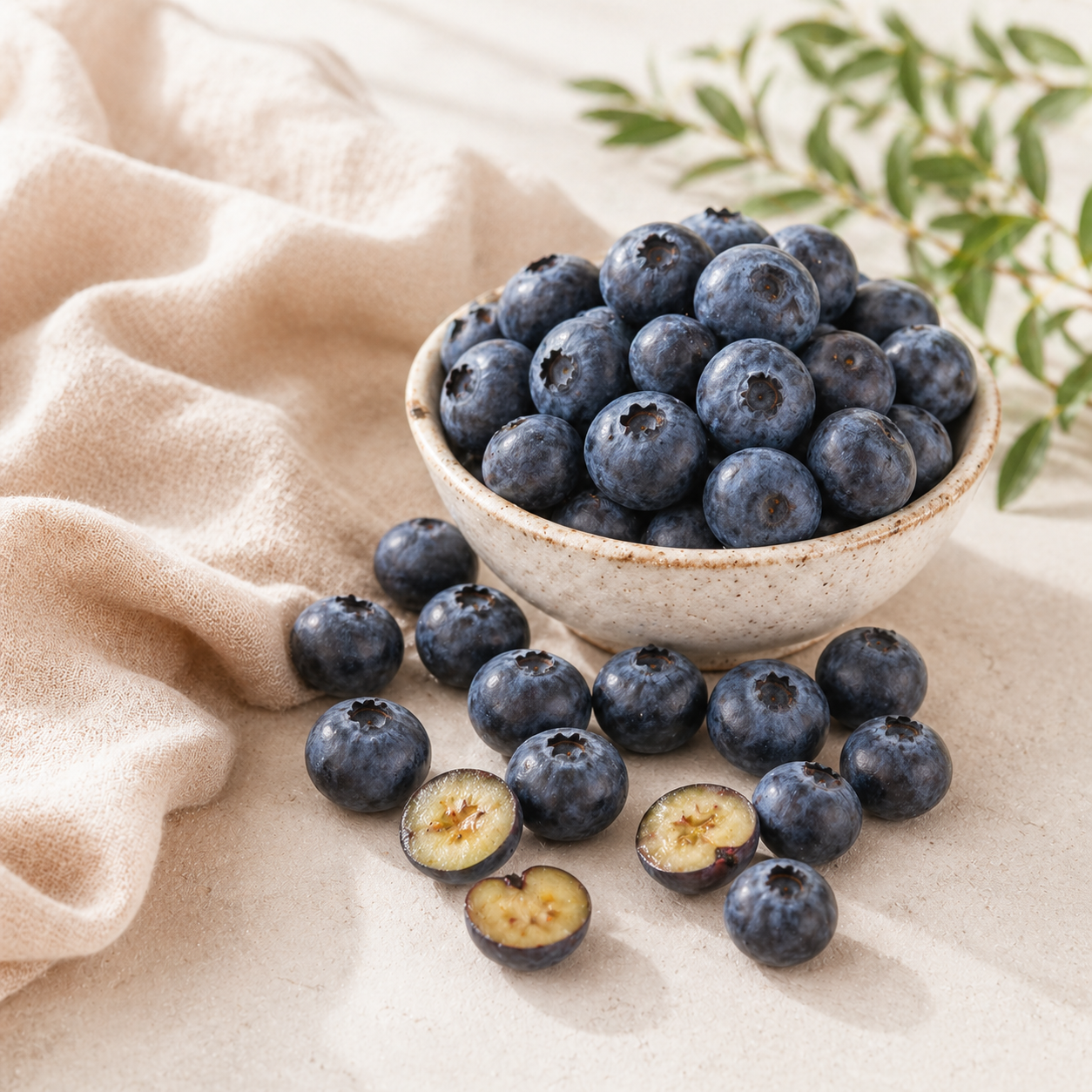
Blueberries: The "Indigo Shield" for Liver Regeneration and Anti-Fibrotic Defense
In the clinical battle against liver cirrhosis, Blueberries (Vaccinium spp.) are far more than a vibrant snack; they are a concentrated delivery system for anthocyanins. These specific antioxidants give blueberries their deep indigo hue and serve as the primary biological agents responsible for protecting liver cells from oxidative "rust" and slowing the progression of fibrosis (scarring). For a patient with a compromised liver, blueberries provide a vital tactical defense: they inhibit the activation of the very cells that produce scar tissue, effectively acting as an antioxidant suit of armor for the healthy tissue that remains.
A Voyage Through Time: The Celestial "Star Berries" and the Iroquois Pemmican
The history of the blueberry is a saga of survival and spiritual reverence, deeply rooted in the folklore of North American Indigenous peoples who cherished the fruit millennia before it was ever commercially cultivated.
The Legend of the Star Berry: Indigenous elders, particularly in the Northeast and Canada, told stories of the Great Spirit sending "star berries" to relieve children’s hunger during times of famine. They called them this because the blossom end of each berry—the calyx—forms the shape of a perfect five-pointed star. This "divine" origin reflects the berry’s status as a life-saving food.
The Original Energy Bar: Tribes like the Algonquin and Iroquois created a survival food called pemmican by mixing dried, ground meat with fat and crushed, dried blueberries. This nutrient-dense "energy bar" was vital for sustaining hunters through harsh winters. For a modern cirrhosis patient, this concept of nutrient density is key to fighting the fatigue and muscle loss associated with the disease.
Medicinal Purifiers: Blueberries were a cornerstone of early North American medicine. A tea made from blueberry leaves was used as a blood-purifying tonic, while the juice was a common remedy for persistent coughs. Indigenous healers even used the roots to treat systemic inflammation—a traditional practice that aligns with modern science's focus on the berry’s anti-inflammatory properties.
Saving the Settlers: History suggests that Indigenous peoples shared their blueberry stores with the early Pilgrims, helping them survive their first brutal winter. Later, during the Civil War, a beverage made of blueberries became an essential staple for soldiers to ward off scurvy and maintain energy levels when rations were scarce.
Why Blueberries are a "Liver-Specific" Superfood
For a patient with cirrhosis, the liver is in a state of chronic cellular stress. Blueberries offer specific physiological benefits that target the unique pathologies of a scarred liver.
1. Anti-Fibrotic Armor (Silencing the Stellate Cells) Cirrhosis is characterized by the accumulation of scar tissue (fibrosis). Research published in the National Institutes of Health (PMC) has shown that the anthocyanins in blueberries can actually suppress the activity of hepatic stellate cells. These are the "rogue" cells responsible for producing the collagen that creates liver scars. By quieting these cells, blueberries help slow down the stiffening of the liver, preserving its flexibility and filtration capacity.
2. Neutralizing Oxidative "Rust" A scarred liver is under constant attack from "free radicals"—unstable molecules that cause oxidative damage. Blueberries have one of the highest antioxidant capacities of all fruits and vegetables. Their anthocyanins neutralize these free radicals on contact, preventing them from destroying the remaining healthy hepatocytes (liver cells).
3. Gut-Liver Axis Homeostasis Modern medicine has discovered that a healthy liver depends on a healthy gut. Blueberries act as prebiotics, feeding beneficial bacteria like Bifidobacteria. A thriving microbiome prevents "leaky gut," where toxins and harmful bacteria escape the intestines and travel directly to the liver via the portal vein. By sealing the gut, blueberries reduce the "toxic tax" the liver must pay every day.
4. Glycemic Peace and Fat MetabolismHigh insulin levels can drive fat accumulation in the liver (steatosis), which worsens existing cirrhosis. Blueberries have a low glycemic index, satisfying a craving for sweetness without causing the insulin spikes that signal the liver to store fat.
"Are You an Aspiring Chef?" Winning Winning Combos
Blueberries are a culinary "super-pairing" that can brighten up low-sodium meals while adding a massive antioxidant punch.
The "Metabolic Shield" Pudding (Blueberries + Chia Seeds + Almond Milk): Create an overnight chia pudding topped with fresh blueberries. The chia’s fiber helps flush ammonia, while the berries provide the anti-fibrotic defense.
The "Andean Repair" Parfait (Blueberries + Quinoa + Greek Yogurt): Layer cooked quinoa with non-fat Greek yogurt and berries. The yogurt's probiotics and the quinoa's protein help rebuild muscle, while the berries protect the liver's cells.
The "Savory Omega" Topper (Blueberries + Salmon + Walnuts): While it sounds like a gourmet fusion, a sauce made from reduced blueberries and crushed walnuts over baked salmon is a powerful anti-inflammatory meal. The Omega-3s and anthocyanins create a "double-shield" for the liver.
The "Liver-Tonic" Smoothie (Blueberries + Spinach + Papaya): Blend these for a morning boost. The Vitamin C in the berries helps you absorb the iron in the spinach, and the papaya's enzymes pre-digest the nutrients for your liver.
Nifty Prep Tools for the Liver-Friendly Kitchen
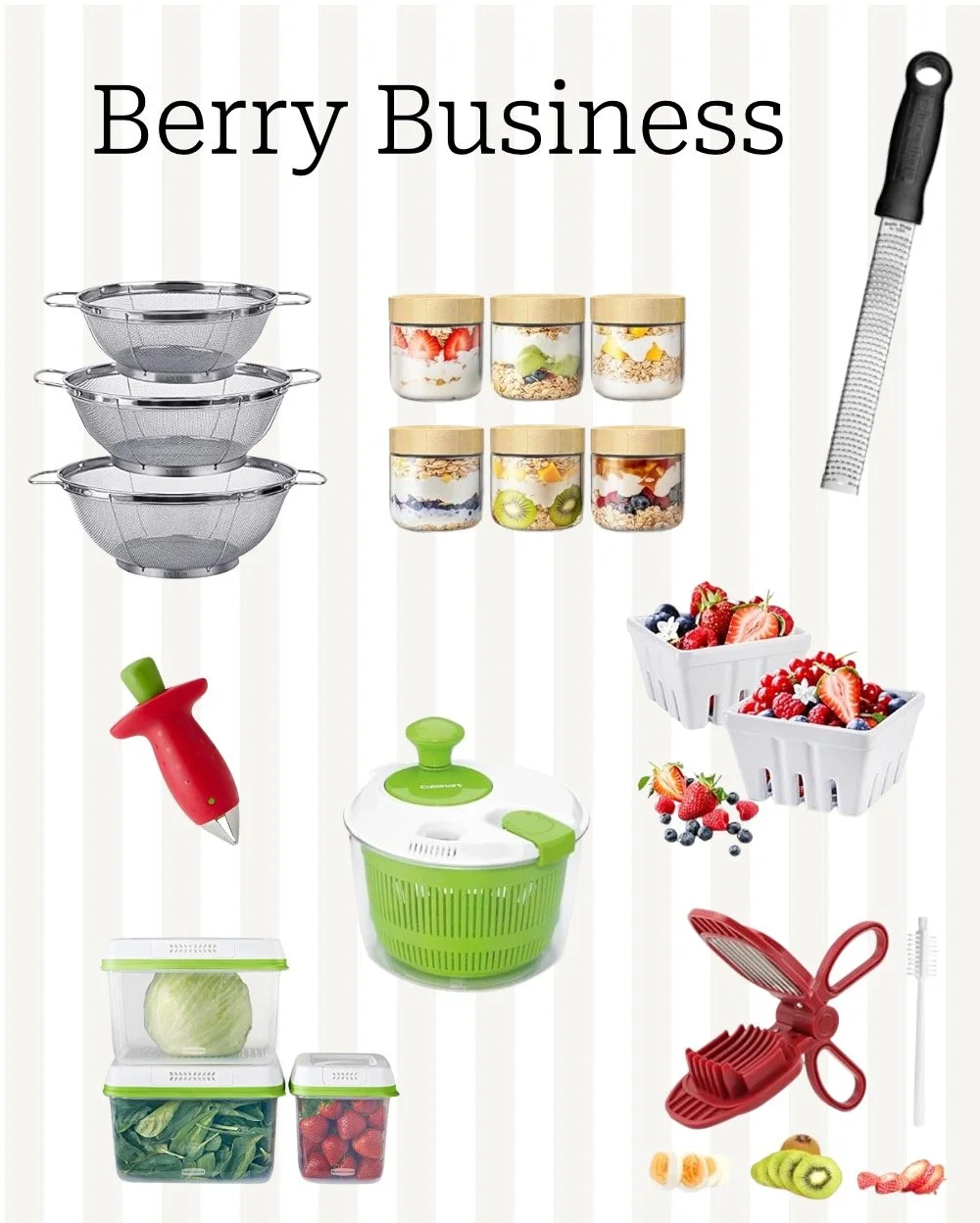
To keep your "Indigo Shields" fresh and maximize their healing potential, these Amazon tools are essential for any liver-safe home:
Produce Saver Containers: Blueberries are delicate and can mold quickly. These containers use a patented filter to regulate the flow of oxygen and carbon dioxide, keeping your berries fresh up to 80% longer than standard store packaging.
Berry Spinner: Washing berries can sometimes make them mushy if they sit in water. This mini-spinner gently dries them after a quick rinse, ensuring they stay firm and nutrient-dense.
Fine Mesh Stainless Steel Strainers: For a liver-safe diet, you should avoid the heavy syrups in canned berries. If using frozen berries, a fine mesh strainer is perfect for rinsing off ice crystals before adding them to your yogurt or oatmeal.
Meal Prep Jars: Berries are best eaten in small, frequent portions. These airtight glass jars allow you to pre-portion 2-ounce servings of berries and nuts for the entire week, keeping them visible and fresh in your fridge.
Credible Sources for Your Journey
Blueberry Attenuates Liver Fibrosis (PMC - National Institutes of Health)
The Science: This peer-reviewed study explains how blueberries protect the intestinal barrier and gut-liver axis, providing a clinical look at how they suppress the "rogue" cells that create scar tissue.
Blueberry Anthocyanins and Fibrosis Treatment (PubMed)
The Breakdown: A high-level scientific resource detailing how anthocyanins (the pigments in blueberries) target and disable hepatic stellate cells to slow down liver scarring.
Blueberries: The Story of Turtle Island's Star Berry
The Lore: An excellent cultural resource that explores the "Star Berry" legend, the history of pemmican, and the spiritual significance of blueberries to Indigenous North American tribes.
7 Proven Health Benefits of Blueberries (Healthline)
The Essentials: A medically reviewed guide that covers the antioxidant capacity of blueberries and how they protect against the oxidative damage often referred to as cellular "rust".
Plant Spotlight: The History and Medicine of Blueberries
The Tradition: This blog post dives into the traditional medicinal uses of blueberry leaves and roots by early healers and their role as a survival staple during the Civil War.
