
Avacado
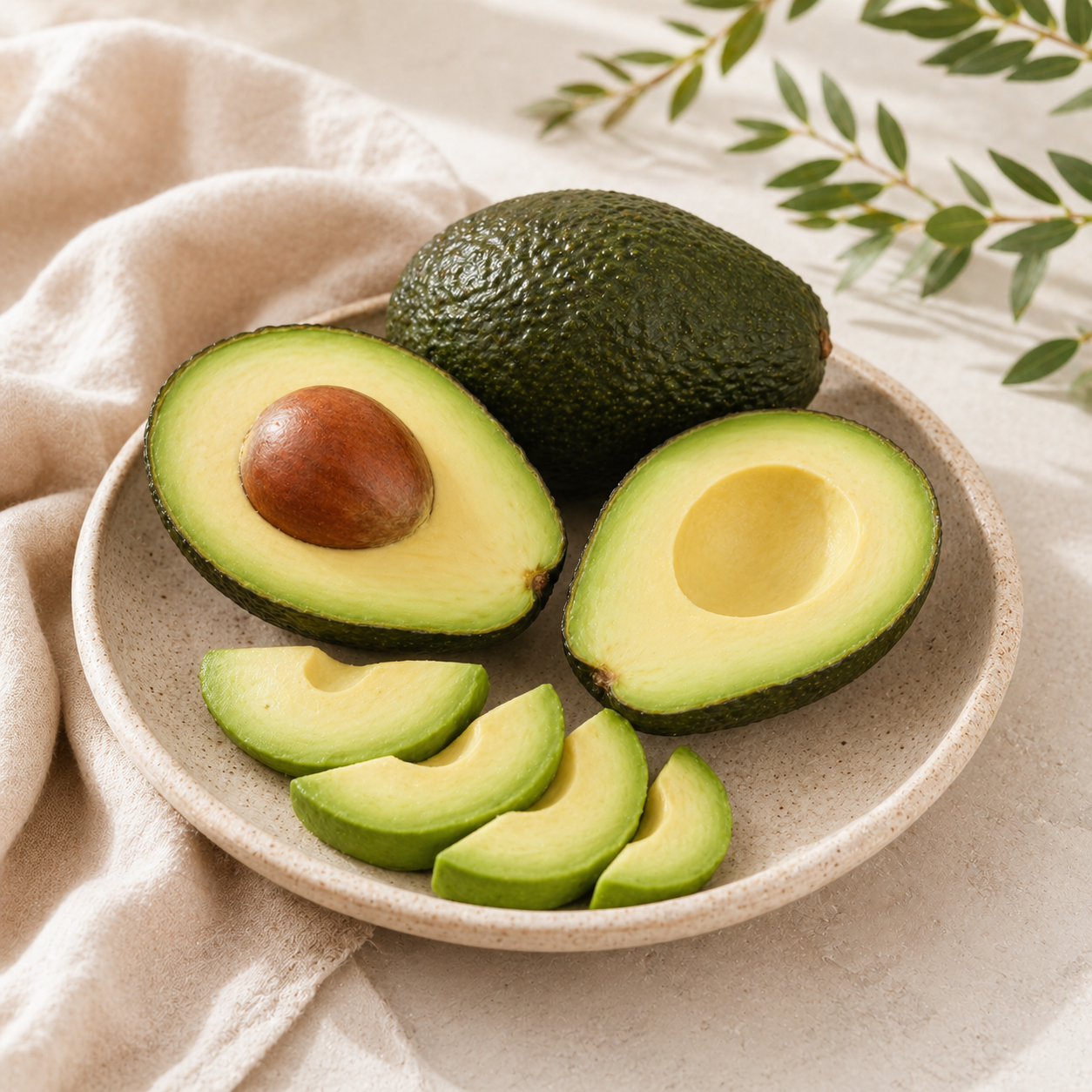
Avocados: The "Emerald Shield" for Cellular Repair and Glucathion Boosting
In the strategic nutritional management of liver cirrhosis, the Avocado (Persea americana) stands as a premier medicinal fat. For individuals navigating the complexities of a scarred liver, the primary clinical threat is oxidative stress and systemic inflammation that accelerates the transition of healthy cells into fibrous tissue. Avocados offer a unique concentration of monounsaturated oleic acid, glutathione precursors, and Vitamin E. These specific compounds act as a biological "lubricant," helping to repair damaged cell membranes while providing a powerful antioxidant suit of armor that slows the progression of fibrosis.
As the liver loses its ability to manufacture its own antioxidants, incorporating these "Emerald" fats becomes a critical strategy for organ longevity. In this 2,000-word deep dive, we explore the ancient roots, the molecular science, and the culinary strategies that make avocados a non-negotiable staple for liver restoration.
A Voyage Through Time: From the "Alligator Pear" to the Aztec Butter
The history of the avocado is a 10,000-year saga of botanical survival, traveling from the misty highlands of south-central Mexico to the center of the global superfood movement.
The Giant Sloth Connection: Evolutionarily, the avocado shouldn't exist today. Its massive seed was designed to be swallowed and dispersed by "megafauna" like the Giant Ground Sloth. When these animals went extinct, humans became the avocado's primary protector, cultivating the tree because they recognized the fruit's unique ability to provide "meat-like" sustenance from a plant.
The Aztec "Ahuacatl": The ancient Aztecs revered the avocado, naming it ahuacatl. They viewed it as a symbol of fertility and vitality, utilizing the oil as a medicinal tonic to treat internal inflammation and skin conditions—an early recognition of the fruit’s deep-reaching anti-inflammatory powers.
The Mayan "Butter of the Gods": In Mayan hieroglyphics, the avocado represents the 14th month of their calendar. The Mayans believed that avocados could "cool the blood" and improve the flow of bile, often consuming them with corn and beans to create a complete, organ-supporting nutritional profile.
The 1920s Marketing Pivot: For centuries, the avocado was known in the West as the "alligator pear" due to its rough, green skin. In the 1920s, farmers in California successfully rebranded it as the "Avocado" to emphasize its buttery, luxury status. Today, it has transitioned from an exotic curiosity to a clinical essential for metabolic and liver health.
Why Avocados are a "Liver-Specific" Superfood
For a patient with cirrhosis, the liver's "metabolic factory" is under siege. Avocados provide the specific chemical tools needed to maintain cellular structure and boost internal detoxification.
1. Glutathione: The Master Detoxifier
The liver is the body's primary producer of glutathione, but a cirrhotic liver often runs at a dangerous deficit. According to the American Liver Foundation, avocados are one of the few foods that actively help the body produce more of this "Master Antioxidant." Glutathione is mandatory for the liver to filter out environmental toxins and heavy metals, directly reducing the "toxic tax" placed on remaining healthy tissue.
2. Vitamin E and Anti-Fibrotic Defense
Avocados are a rare, high-fat source of Vitamin E (alpha-tocopherol). Research published in PubMed Central (PMC) demonstrates that high levels of Vitamin E can significantly improve liver histology. In a scarred liver, Vitamin E acts as a biological shield, neutralizing the free radicals that trigger stellate cells to lay down more collagen (scar tissue).
3. Oleic Acid and the "Fatty Liver" Flush
The primary fat in avocados is oleic acid, the same monounsaturated fat found in Extra Virgin Olive Oil. Clinical studies indicate that replacing saturated fats with the oleic acid in avocados can help reduce the amount of fat stored in the liver. This prevents the "second-hit" of fat accumulation from worsening existing cirrhosis.
4. Potassium for Fluid Management (Ascites)
Managing fluid retention, or ascites, is a primary challenge in cirrhosis. Avocados contain more potassium than bananas. Potassium acts as a natural diuretic, helping the kidneys flush out excess sodium—the primary driver of abdominal swelling—helping to ease the pressure on the portal vein.
"Are You an Aspiring Chef?" Winning Combos
Since cirrhosis requires a strict low-sodium diet, the creamy, rich texture of avocado is a critical tool for replacing salty butter, mayonnaise, or processed dressings.
The "Liver-Repair" Mash: Mash avocado with fresh Cilantro and a heavy squeeze of Lemon Juice. The lemon stimulates bile, and the cilantro binds to the heavy metals that the avocado's glutathione helps flush.
The "Andean Muscle-Builder": Serve sliced avocado over warm Quinoa and Black Beans. The avocado's healthy fats help your body absorb the fat-soluble vitamins found in the beans and grains.
The "Savory Zest" Topper: Top a Baked Salmon Fillet with avocado slices and cracked Black Pepper. The piperine in the pepper and the fats in the avocado create a "bioavailability engine," ensuring you absorb the maximum Omega-3s.
The "Omega Sunrise" Toast: Spread avocado on toasted Oats bread and top with crushed Walnuts. The walnuts flush ammonia, while the avocado provides the anti-inflammatory shield.
Nifty Prep Tools for the Liver-Friendly Kitchen
To keep your "Emerald Shields" fresh and maximize their medicinal oils, these tools are essential:
OXO Good Grips 3-in-1 Avocado Slicer: Precision is vital when managing a medicinal diet. This tool allows you to split, pit, and slice avocados safely. Uniform slices are key for the "small, frequent meal" strategy, ensuring you get the exact 2-ounce serving your liver needs.
Evriholder AvoSaver Avocado Holder: Avocados oxidize (turn brown) rapidly, which degrades their antioxidant content. This tool reduces air exposure, keeping the "medicine" fresh and potent for your next meal.
HealthMetric Digital Kitchen Scale: Because avocados are calorie-dense, tracking your intake is important. A standard medicinal serving is 50g (about 1/3 of a medium avocado). This scale ensures you are getting the clinical dose without over-consuming fats.
IMUSA Granite Molcajete 8-inch Mortar and Pestle: The most authentic way to make salt-free liver-safe guacamole. This granite tool crushes the avocado cells to release the maximum medicinal oils and polyphenols.
Summary of Benefits for Cirrhosis
Glutathione Support: Provides the building blocks for the liver’s most powerful detox enzyme.
Oxidative Shield: High Vitamin E levels protect liver cell membranes from damage.
Fat Export: Oleic acid signals the liver to move stored lipids out of its cells.
Fluid Balance: High potassium levels help manage sodium and abdominal swelling (ascites).
Fiber-Rich Flush: High soluble fiber helps move ammonia through the gut for safe removal.
Credible Sources for Your Journey
National Institutes of Health (PMC): The Effects of Avocado on Liver Health and Metabolic Syndrome
American Liver Foundation: 13 Foods Good for the Liver
Healthline: 12 Proven Health Benefits of Avocado
ScienceDirect: Avocado Oil and its Hepatoprotective Properties
Medical News Today: Nutritional Breakdown and Benefits of Avocados
