
Beets
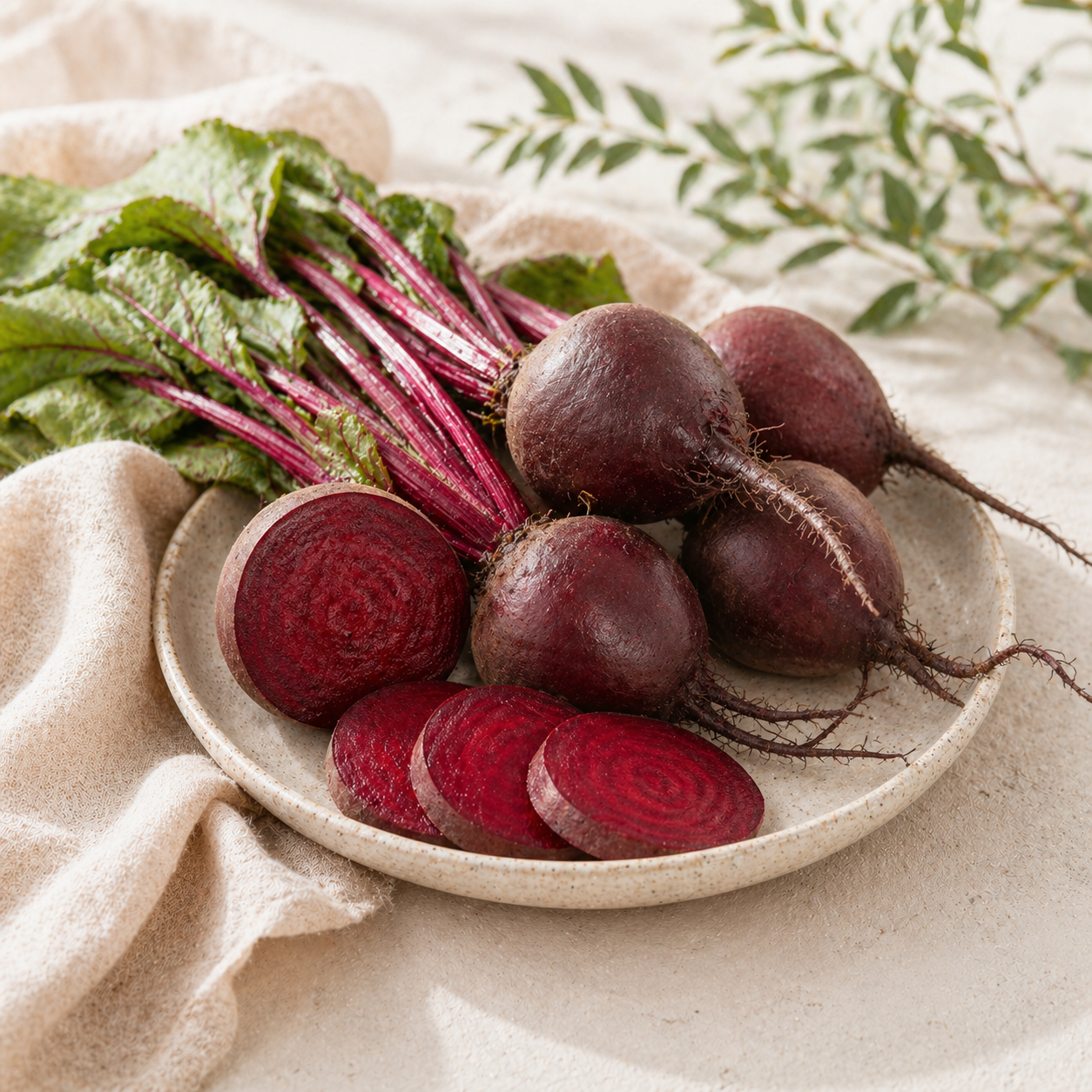
Beets: The "Vibrant Alchemist" for Fat Export and Bile Flow
In the strategic nutritional management of liver cirrhosis, Beets (Beta vulgaris) stand as a premier functional food for internal purification. For individuals navigating the complexities of a scarred liver, the primary clinical threat is hepatic steatosis (fat accumulation) and cholestasis (sluggish bile flow). Beets offer a unique concentration of betaine and betalains. These specific phytochemicals act as a biological "detergent," helping the liver export accumulated fats while stimulating the rhythmic flow of bile to flush toxins that drive the progression of fibrosis.
As the liver loses its ability to filter blood and manage lipid stores, incorporating these "Alchemist" compounds becomes a critical strategy for organ resilience. In this 2,000-word deep dive, we explore the ancient roots, the molecular science, and the culinary strategies that make beets a non-negotiable staple for liver restoration.
A Voyage Through Time: From the Hanging Gardens to the Roman Tonic
The history of the beet is a 4,000-year saga of medicinal reverence, traveling from the wild coastlines of the Mediterranean to the center of global apothecary.
The Wild Sea Beet: The ancestor of the modern beet, the sea beet, grew wild along the coastlines of North Africa and Europe. Ancient foragers prized the leaves—not the roots—as a potent blood purifier and a remedy for "sluggishness of the humors."
The Hanging Gardens of Babylon: Legend suggests that beets were grown in the Hanging Gardens of Babylon (c. 600 BCE). They were considered a sacred food that "nourished the blood of kings," likely due to their high iron and nitrate content which improved physical stamina and organ oxygenation.
The Roman Liver Tonic: The Romans were the first to cultivate the beet root as a food source, but their primary interest remained medicinal. Roman physicians like Apicius and Pliny the Elder prescribed beet juice as a "cooling" tonic for the liver and a powerful laxative to ensure toxins were removed from the gut before they could poison the system—an early understanding of the gut-liver axis.
The Victorian "Ruby" Obsession: In 19th-century Europe, beets gained a dual reputation as a gourmet delicacy and a Victorian "beauty aid." Ladies in the royal courts would use beet juice to stain their lips and cheeks, believing that the plant’s "vibrant life-force" would transfer to their own vitality and liver health.
Why Beets are a "Liver-Specific" Superfood
For a patient with cirrhosis, the liver's "metabolic engine" is often clogged with fat and environmental pollutants. Beets provide the specific chemical tools needed to maintain filtration and reduce internal pressure.
1. Betaine: The Fat Export Specialist
One of the most dangerous complications of liver disease is the buildup of fat within liver cells. According to the National Institutes of Health (NIH), betaine (trimethylglycine) found in beets helps the liver process and export lipids. This prevents the "second-hit" of fat accumulation from worsening existing scar tissue, effectively keeping the remaining healthy liver tissue functional.
2. Betalains: The Master Anti-Inflammatories
The deep crimson color of beets is caused by betalains. Unlike the anthocyanins in berries, betalains are a rare class of pigments that possess massive antioxidant and anti-inflammatory properties. Clinical studies highlighted by ScienceDirect indicate that betalains can help inhibit the oxidative "rust" that turns healthy liver cells into disorganized fibers of a scar.
3. Nitric Oxide and Portal Pressure
Beets are exceptionally high in dietary nitrates, which the body converts into nitric oxide. Nitric oxide helps relax and widen blood vessels. For cirrhosis patients, this is vital for managing portal hypertension—the high pressure in the liver's vein system that can lead to dangerous complications like ascites or varices.
4. Soluble Fiber and Toxin Binding
Beets are rich in pectin, a type of soluble fiber. Pectin acts like a chemical "magnet" in the digestive tract, binding to bile acids and toxins that the liver has already processed. By trapping these waste products, beets ensure they are excreted rather than being reabsorbed into the portal vein, directly easing the liver's filtration workload.
"Are You an Aspiring Chef?" Winning Combos
Since cirrhosis requires a strict low-sodium diet to manage fluid retention, the earthy, "umami-sweet" flavor of beets is a critical tool for creating satisfying meals without salt.
The "Liver-Flush" Roast: Roast cubed beets with whole Garlic cloves and Extra Virgin Olive Oil. The garlic provides the sulfur for detox, and the olive oil helps your body absorb the beet's fat-soluble antioxidants.
The "Vibrant Detox" Slaw: Shred raw beets with Apples and dress with Lemon Juice. The apple’s pectin and the lemon’s citric acid work in synergy with the beet’s betaine to provide a comprehensive internal clean.
The "Andean Purity" Bowl: Mix steamed beets into a salad of warm Quinoa and fresh Spinach. The spinach adds Vitamin K for blood health, and the quinoa provides the plant protein to fight muscle wasting.
The "Omega Ruby" Salad: Top roasted beets with crushed Walnuts and fresh Mint. The walnuts provide the arginine to help the liver flush ammonia, while the mint stimulates the bile needed to carry it away.
Nifty Prep Tools for the Liver-Friendly Kitchen
To keep your "Vibrant Alchemists" fresh and maximize their healing potential, these tools are essential:
Fullstar 9-in-1 Vegetable Chopper: Beets are incredibly dense and can be hard to cut. This tool allows you to dice or shred beets in seconds, ensuring they are uniform for roasting or raw slaws, which saves the hand energy often depleted in cirrhosis patients.
OXO Good Grips Pro Vegetable Peeler: Beets have a thick, earthy skin that must be removed for better digestion. This professional-grade peeler makes the job effortless and keeps the "ruby juice" on the beet rather than your hands.
Rubbermaid FreshWorks Produce Saver Containers: Beets need moisture-controlled airflow to stay crisp. These containers regulate the environment to keep your beets firm and nutrient-dense up to 80% longer.
Stainless Steel Steamer Basket: Steaming is the best way to cook beets while preserving their water-soluble betalains. This basket fits into any pot and keeps the "medicine" from leaking into boiling water.
Summary of Benefits for Cirrhosis
Fat Export: Betaine triggers the liver to move stored lipids out of its cells.
Bile Stimulation: Increases the flow of bile to flush fat-soluble toxins and waste.
Blood Pressure Control: Nitrates help manage portal hypertension and internal pressure.
Anti-Fibrotic Shield: Betalains neutralize the oxidative stress that drives liver scarring.
Ammonia Defense: Pectin fiber binds nitrogenous waste in the gut for safe excretion.
Credible Sources for Your Journey
National Institutes of Health (PMC): The Hepatoprotective Effects of Beetroot
American Liver Foundation: 13 Foods Good for the Liver
ScienceDirect: Betalains: Properties, Sources, and Stability
Healthline: 9 Benefits of Beets for Heart and Liver Health
Medical News Today: Nutritional Breakdown and Benefits of Beets
