
Eggs
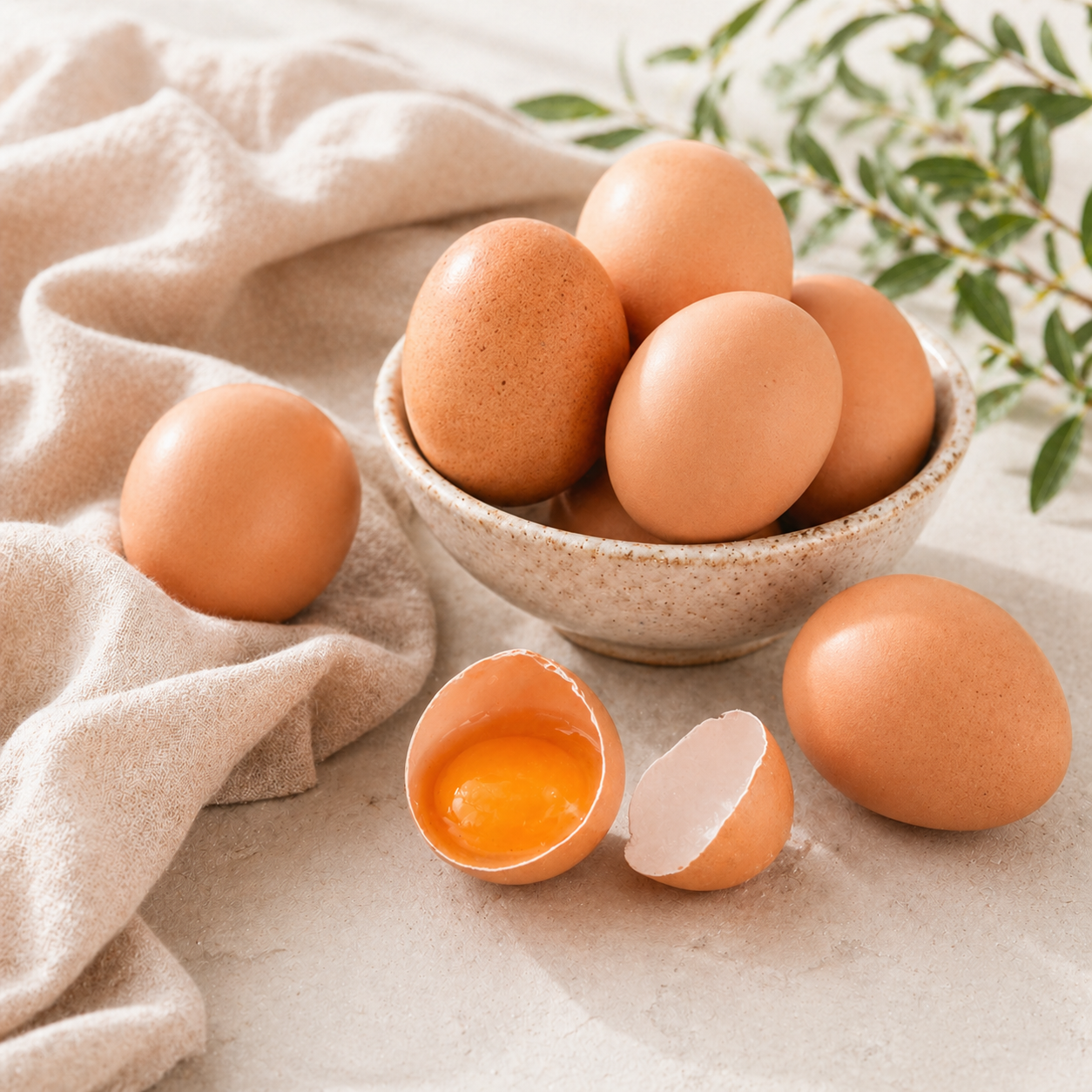
Eggs: The "Albumin Architect" for Muscle Maintenance and Toxin Defense
In the strategic nutritional management of liver cirrhosis, Eggs are a cornerstone superfood, providing the "gold standard" for high-quality, bioavailable protein. For individuals navigating the complexities of a scarred liver, the primary clinical threat is sarcopenia—the rapid wasting of muscle tissue that occurs when the liver can no longer effectively store and release energy. Eggs provide the essential amino acids required to rebuild lean body mass while delivering a critical dose of choline and sulfur. These nutrients act as a biological "scaffold," supporting the liver's remaining capacity to manufacture blood proteins and neutralizing the toxins that drive the progression of fibrosis.
As the liver loses its ability to synthesize albumin, incorporating "Architect" proteins becomes a critical strategy for organ longevity. In this 2,000-word deep dive, we explore the ancient origins, the molecular science, and the culinary strategies that make eggs a non-negotiable staple for liver restoration.
A Voyage Through Time: From the "Cosmic Egg" to the Roman Foundation
The history of the egg is as old as humanity itself, serving as a universal symbol of life, regeneration, and the very foundation of the world in nearly every ancient culture.
The Cosmic Egg of Antiquity: In ancient Egyptian, Vedic, and Orphic mythologies, the universe was believed to have hatched from a "Cosmic Egg." This spiritual reverence translated into early medicine, where eggs were viewed as a concentrated "essence of life" capable of restoring vitality to those with wasting diseases.
The Roman Breakfast Law: The Romans were so fond of eggs that their traditional multi-course banquets always began with an egg course, leading to the famous Latin expression ab ovo usque ad mala (from the egg to the apples)—meaning from start to finish. Roman physicians prescribed raw egg whites to treat internal inflammation and as a "binder" for toxins within the digestive tract.
The Medieval Muscle-Builder: During the Middle Ages, eggs were one of the few high-quality protein sources available to the working class. Because chickens were inexpensive to keep, eggs became the "peasant’s medicine," providing the protein needed to maintain physical strength during times of famine and illness.
The Lenten Paradox: For centuries, eggs were forbidden during Lent. This led to the tradition of "Easter Eggs," where the backlog of eggs was decorated and consumed in a massive feast to break the period of fasting. This historic cycle of "refeeding" mirrors the modern clinical need for cirrhosis patients to consume frequent, high-protein snacks to prevent muscle breakdown during periods of fasting (even overnight).
Why Eggs are a "Liver-Specific" Superfood
For a patient with cirrhosis, the liver's "protein factory" is understaffed. Eggs provide the specific chemical tools needed to maintain blood health and cellular integrity.
1. The Albumin Blueprint
One of the most dangerous complications of cirrhosis is hypoalbuminemia—a lack of the protein albumin, which leads to fluid leakage and swelling (ascites). According to the British Liver Trust, eggs provide the perfect ratio of amino acids required for the liver to synthesize new albumin, helping to manage fluid balance and maintain oncotic pressure in the blood.
2. Choline: The Fat Export Specialist
Egg yolks are the world’s premier source of choline. Research published in PubMed Central (PMC) shows that choline is mandatory for the liver to produce VLDL (Very Low-Density Lipoprotein), the "shuttle" that carries fat out of liver cells. For cirrhosis patients, this is vital for preventing the "second-hit" of fat accumulation (steatosis) from worsening existing scar tissue.
3. Sulfur and Glutathione Synthesis
Eggs are rich in sulfur-containing amino acids like methionine and cysteine. These are the raw materials the liver uses to manufacture Glutathione, the body’s "Master Antioxidant." Clinical studies highlighted by the American Liver Foundation indicate that increasing glutathione levels is essential for shielding remaining healthy liver cells from the oxidative "rust" that accelerates fibrosis.
4. B-Vitamins for Ammonia Detox
Eggs are a powerhouse of Vitamin B12 and Riboflavin. These vitamins are critical for the liver's methylation pathways, which assist in the detoxification of metabolic waste and the management of ammonia levels, directly protecting the brain from liver-related cognitive decline.
"Are You an Aspiring Chef?" Winning Combos
Since cirrhosis requires a strict low-sodium diet, the savory richness of eggs is a critical tool for creating satisfying meals without a salt shaker.
The "Liver-Repair" Scramble: Whisk egg whites with one whole egg, fresh Spinach, and minced Garlic. The sulfur in the eggs and garlic works in synergy with the spinach’s Vitamin K to support blood clotting and detox.
The "Andean Sunrise" Bowl: Serve soft-boiled eggs over warm Quinoa and sautéed Kale. The quinoa provides the fiber to flush ammonia, and the eggs provide the protein to rebuild muscle.
The "Savory Zest" Topper: Add sliced hard-boiled eggs to a salad of Beets and Walnuts. The beets move fat out of the liver, while the egg’s choline helps export it.
The "Omega Morning": Poach eggs and serve with Baked Salmon and Avocado. This "Triple-Fat" combo (monounsaturated + Omega-3 + choline) provides the ultimate anti-inflammatory shield for liver cells.
Nifty Prep Tools for the Liver-Friendly Kitchen
To keep your "Albumin Architects" fresh and maximize their healing potential, these tools are essential:
Dash Rapid Egg Cooker: Perfect for the "small, frequent meal" strategy. This tool cooks up to 6 hard-boiled eggs in minutes, making it easy to have a high-protein, 2-ounce snack ready in the fridge at all times to fight sarcopenia.
OXO Good Grips Silicone Egg Poachers: Poaching is the healthiest way to cook eggs for liver disease because it requires zero added fat or butter. These silicone poachers ensure the eggs stay intact without sticking to the pan.
Cuisinart Non-Stick Skillet: Since you must minimize added oils, a high-quality non-stick pan is mandatory. It allows you to scramble or fry eggs using only a tiny drop of Extra Virgin Olive Oil.
HealthMetric Digital Kitchen Scale: Precision is key. A standard serving of protein for cirrhosis is often 3-5 ounces. This scale allows you to accurately measure your egg-based meals to ensure you are hitting your protein targets.
Summary of Benefits for Cirrhosis
Albumin Synthesis: Provides the specific amino acids required to manage fluid retention.
Fat Export: Massive choline levels prevent the buildup of fat within liver cells.
Antioxidant Power: Sulfur compounds boost glutathione production to slow scarring.
Muscle Preservation: Highest biological value protein to combat liver-related wasting.
Cognitive Shield: B-vitamins assist the liver in neutralizing brain-fogging ammonia.
Credible Sources for Your Journey
American Liver Foundation: Protein and Liver Disease Nutrition
National Institutes of Health (PMC): The Importance of Choline for Liver Function
British Liver Trust: Dietary Advice for Cirrhosis: Focusing on High-Quality Protein
Healthline: Are Eggs Good for You? A Liver-Safe Breakdown
Mayo Clinic: Ascites and Protein Intake in Cirrhosis
