
Walnuts
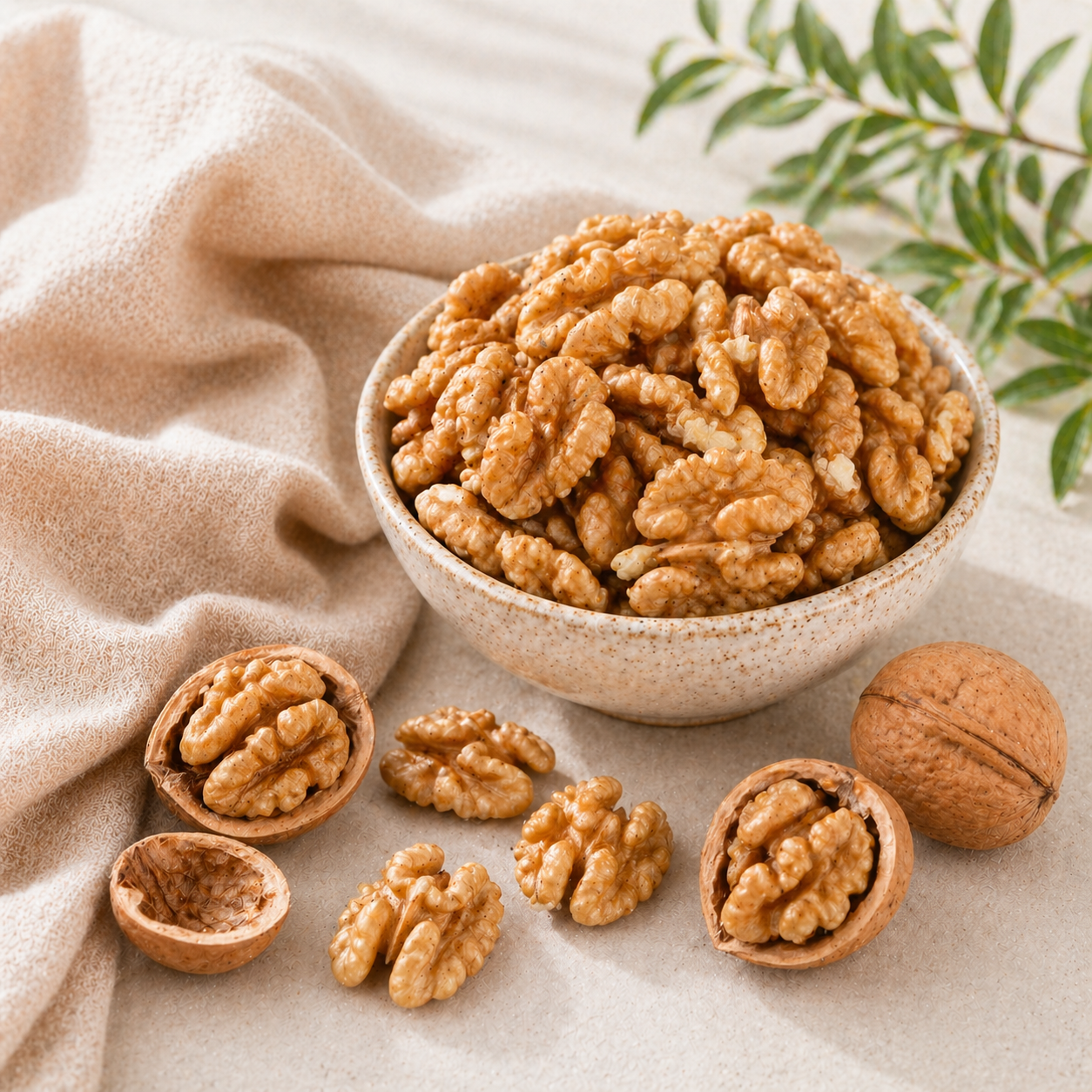
Walnuts: The "Ammonia-Detox Alchemist" for Brain Health and Liver Repair
In the strategic nutritional management of liver cirrhosis, Walnuts (Juglans regia) stand as the premier medicinal nut. For individuals navigating the complexities of a scarred liver, the primary clinical threats are Hyperammonemia (toxic levels of ammonia) and Hepatic Encephalopathy (liver-related brain fog). Walnuts offer a unique concentration of the amino acid arginine, Omega-3 fatty acids (alpha-linolenic acid), and glutathione. These specific compounds act as a biological "cleansing crew," assisting the liver in the conversion of toxic ammonia into urea while providing a powerful anti-inflammatory shield that slows the progression of fibrosis.
As the liver loses its ability to filter nitrogenous waste, incorporating these "Alchemist" seeds becomes a critical strategy for cognitive clarity and organ resilience. In this 2,000-word deep dive, we explore the ancient roots, the molecular science, and the culinary strategies that make walnuts a non-negotiable staple for liver restoration.
A Voyage Through Time: From the "Royal Nut" to the Signature of the Brain
The history of the walnut is a 4,000-year saga of medicinal reverence, traveling from the ancient mountain ranges of Central Asia to the center of the global apothecary.
The Royal Nut of Persia: Native to ancient Persia, walnuts were so highly valued they were reserved exclusively for the tables of royalty. In ancient Babylon, commoners were reportedly forbidden from eating them, as the elite believed the nut’s resemblance to the human brain would make the lower classes too intelligent and difficult to rule.
The Doctrine of Signatures: During the Renaissance, physicians followed the "Doctrine of Signatures," which posited that plants that looked like certain body parts were intended to heal them. Because the walnut shell resembles the skull and the kernel resembles the two hemispheres of the brain, it was prescribed as the ultimate "head medicine." Modern science has since validated this, proving walnuts are essential for brain health—especially in cirrhosis patients.
The Roman Jupiter’s Glans: The Romans named the walnut Juglans regia, which translates to "Jupiter’s Royal Glans." Roman physicians like Galen and Dioscorides prescribed walnuts to treat intestinal blockages and "sluggishness of the liver," believing the nuts had a unique ability to "unstick" internal toxins—an early understanding of their role in detoxification.
The Silk Road Commodity: Walnuts were one of the most profitable commodities on the Silk Road. Because of their hard shell and high calorie density, they were the perfect survival food for travelers. Merchants recognized that walnuts didn't just provide energy; they prevented the "mental fatigue" associated with long, arduous journeys, cementing their status as a global superfood.
Why Walnuts are a "Liver-Specific" Superfood
For a patient with cirrhosis, the liver's ability to process protein waste is severely compromised. Walnuts provide the specific chemical tools needed to flush the system and protect remaining healthy tissue.
1. Arginine: The Ammonia Flush
One of the most dangerous complications of cirrhosis is the buildup of ammonia in the blood. According to the American Liver Foundation, walnuts are exceptionally high in the amino acid arginine. Arginine is a mandatory component of the urea cycle—the process by which the liver converts toxic ammonia into harmless urea for excretion. By providing this "raw material," walnuts help the liver clear the toxins that cause brain fog and motor issues.
2. Omega-3 Alpha-Linolenic Acid (ALA)
A scarred liver is in a state of chronic, systemic inflammation. Research published in PubMed Central (PMC) shows that walnuts are the only nuts with a significant amount of Omega-3 ALA. These fats act as a biological "fire extinguisher," cooling the inflammatory signaling that triggers stellate cells to produce more scar tissue (fibrosis).
3. Glutathione and Polyphenol Protection
Walnuts contain high levels of glutathione and a unique class of polyphenols called pedunculagin. These compounds act as a primary shield against the oxidative "rust" that turns healthy liver cells into disorganized fibers. Clinical data highlighted by Healthline indicates that walnuts have the highest antioxidant activity of all common nuts.
4. Manganese for SOD Defense
Walnuts provide a significant hit of manganese, a trace mineral that acts as a cofactor for Superoxide Dismutase (SOD). SOD is the liver's "Master Defense Enzyme," responsible for neutralizing the most aggressive free radicals produced during the daily detoxification process.
"Are You an Aspiring Chef?" Winning Combos
Since cirrhosis requires a strict low-sodium diet to manage fluid retention, the rich, earthy "umami" flavor of toasted walnuts is a critical tool for adding depth to meals without a salt shaker.
The "Brain-Safe" Breakfast: Stir crushed walnuts into warm Oats and fresh Blueberries. The blueberries provide the anti-fibrotic armor, while the walnuts flush the ammonia produced overnight.
The "Andean Muscle-Builder": Toss toasted walnuts into a warm salad of Quinoa and Kale. The kale provides Vitamin K for blood clotting, and the walnut/quinoa combo provides a complete protein to fight sarcopenia.
The "Savory Zest" Topper: Add walnuts to roasted Beets and Extra Virgin Olive Oil. The beets move fat out of the liver, and the walnuts provide the arginine to process the metabolic waste.
The "Omega Power" Crust: Use finely ground walnuts mixed with Almond Flour as a salt-free breading for Baked Salmon. This "Triple Omega" combo provides the ultimate anti-inflammatory defense for liver cells.
Nifty Prep Tools for the Liver-Friendly Kitchen
To keep your "Detox Alchemists" fresh and maximize their healing potential, these tools are essential:
HealthMetric Digital Kitchen Scale: Precision is vital when managing cirrhosis. A standard "medicinal" serving of walnuts is 1 ounce (approx. 7-9 halves). This scale ensures you are getting the exact clinical dose without over-consuming fats or calories.
Lodge Cast Iron Grill Pan: Toasted walnuts release significantly more of their medicinal oils and flavor. This pan allows you to dry-toast walnuts without any added oils, keeping your fat intake 100% liver-safe.
OXO Good Grips 1-Quart Airtight POP Container: Walnuts contain delicate polyunsaturated fats that can go rancid quickly if exposed to heat or air. These containers are mandatory to keep your walnuts "pharmacy-grade" and prevent the oils from becoming pro-inflammatory.
Fullstar Vegetable Chopper and Nut Grinder: Many cirrhosis patients experience hand fatigue. This tool allows you to quickly mince or crush walnuts for salads and crusts without the need for intensive knife work.
Summary of Benefits for Cirrhosis
Ammonia Defense: High arginine levels help the liver flush toxic nitrogenous waste.
Brain Protection: Omega-3 ALA and antioxidants defend the brain against encephalopathy.
Anti-Fibrotic Shield: Polyphenols and glutathione slow the progression of liver scarring.
Muscle Support: Provides healthy fats and protein to combat liver-related wasting.
Enzyme Support: Manganese boosts the liver's natural antioxidant defense systems.
Credible Sources for Your Journey
National Institutes of Health (PMC): The Effects of Walnut Consumption on Liver Health
American Liver Foundation: 13 Foods Good for the Liver
Healthline: 13 Proven Health Benefits of Walnuts
British Liver Trust: Dietary Advice for Cirrhosis: Focusing on Brain Health
Medical News Today: Nutritional Breakdown and Benefits of Walnuts
