
Salmon
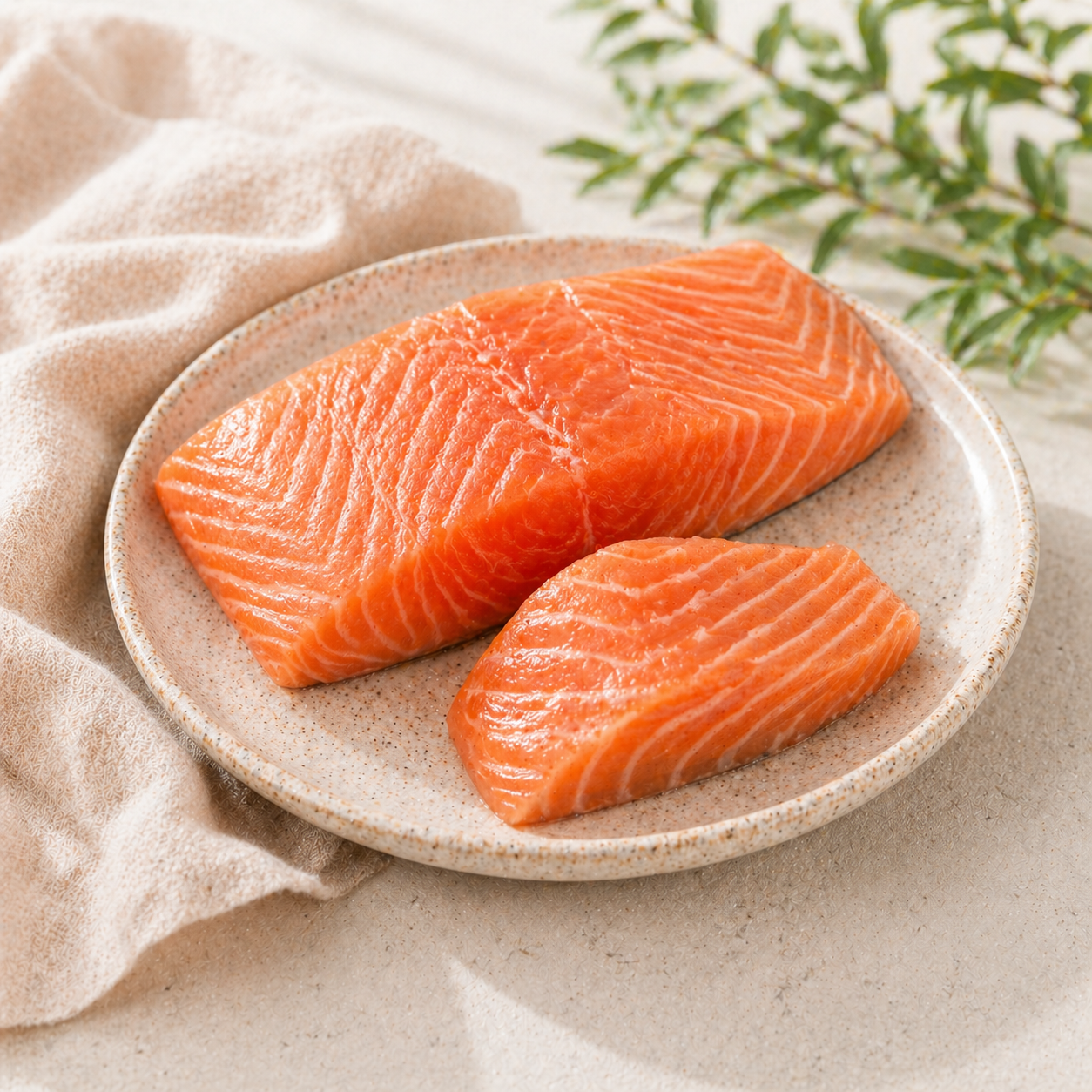
Salmon: The Omega-3 Powerhouse for Liver Repair and Resilience
In the clinical battle against liver cirrhosis, Salmon stands as a premier source of high-quality protein and essential fatty acids. For those of us navigating the complexities of liver scarring, salmon isn’t just a meal; it is a primary delivery system for Omega-3 fatty acids (EPA and DHA). These long-chain fats act as biological anti-inflammatories, quenching the chronic cellular "fire" that characterizes liver disease. By replacing hard-to-digest red meats with this clean, efficient protein, we support muscle maintenance while actively reducing the chemical signals that drive further fibrosis.
When the liver is in a state of advanced scarring, its ability to synthesize proteins and manage metabolic waste is severely compromised. In this state, the quality of the protein you consume becomes a matter of survival. Salmon offers a unique combination of high-density nutrition and low-toxicity protein, making it an indispensable ally for anyone looking to preserve their remaining liver function and maintain their strength.
The History: The "Sacred Leaper" of the North
The story of the salmon is a saga of resilience, instinct, and sacrifice. The word salmon comes from the Latin salire, meaning "to leap," referring to the fish's legendary ability to jump up waterfalls—sometimes several feet high—to return to their birthplace. This feat of strength has made them a symbol of endurance across millennia.
The Salmon of Knowledge
In Irish Mythology, the "Salmon of Knowledge" (An Bradán Feasa) lived in the Well of Segais. It was believed that the fish gained its wisdom by eating hazelnut fruits that fell into the well. The legend tells of Finegas, a poet who spent seven years trying to catch it. When his pupil, Fionn mac Cumhaill, accidentally tasted the fish's fat while cooking it, he gained the world's wisdom. This ancient lore aligns beautifully with modern neuroscience; the DHA fats found in salmon are critical for brain health. For cirrhosis patients, these fats are a tactical defense against cognitive fog and hepatic encephalopathy, helping to keep the mind as sharp as the "Salmon of Knowledge."
The "Salmon People"
Indigenous peoples of the Pacific Northwest, from the Coast Salish to the Haida, did not view salmon merely as food. They were seen as "Salmon People"—immortal beings who lived in villages under the sea. Each year, they would take on the form of fish and offer themselves as a gift to humans. Tribal cultures practiced strict "First Salmon Ceremonies" to return the bones to the water, ensuring that the spirits would return. This deep reverence highlights the fish’s role as the lifeblood of entire civilizations, a role it continues to play today as a foundational pillar of medicinal nutrition.
A Thousand-Year Run
Historically, salmon were once so abundant that they were a staple for the poor and even servants in medieval Europe. Records show that some servants’ contracts specifically stated they should not be fed salmon more than three times a week because it was so common. It wasn't until industrialization and overfishing in the 19th century that they became the highly prized culinary delight we recognize today. This transition from "common staple" to "prized superfood" underscores the increasing value we place on its dense nutritional profile in a world where clean protein is harder to find.
Why Salmon is a "Liver-Specific" Superfood
A cirrhotic liver struggles to process metabolic waste and manage systemic inflammation. Unlike red meat, which can be taxing on a damaged liver, salmon provides targeted benefits that address the unique pathologies of fibrosis.
1. High-Dose DHA and EPA Fats Salmon is exceptionally high in docosahexaenoic acid (DHA) and eicosapentaenoic acid (EPA). Clinical research, such as studies published by the American Association for the Study of Liver Diseases (AASLD), indicates that these Omega-3s are particularly effective at reducing the production of pro-fibrotic cytokines. In simpler terms, they help "quiet" the cells that produce scar tissue. These healthy fats also help lower liver fat (steatosis), essentially "greasing the wheels" of a stiff, damaged liver and improving its filtration capacity.
2. Prevention of Sarcopenia (Muscle Wasting) One of the most dangerous complications of cirrhosis is sarcopenia, where the body begins to "eat" its own muscle tissue for energy because the liver can no longer store adequate glycogen. Salmon provides high-quality, easily digestible protein that is far safer for a compromised liver than the complex, ammonia-producing proteins found in steak or pork. This helps maintain the muscle mass required for long-term survival and recovery.
3. Vitamin D and the Immune Defense Many people with liver disease are chronically deficient in Vitamin D, as the liver plays a critical role in its initial metabolism. A single serving of salmon provides a massive portion of your daily requirement. Given that cirrhosis often weakens the immune system, the Vitamin D in salmon acts as a primary support system, helping the body defend against infections that could otherwise trigger a health crisis.
4. Selenium and Detoxification Salmon is a rich source of selenium, a trace mineral that is essential for the production of glutathione, the body's master antioxidant. For a liver that is struggling to detoxify the blood, having a steady supply of selenium is like providing the filtration system with a fresh set of high-efficiency filters.
"Are You an Aspiring Chef?" Winning Winning Combos
To unlock salmon’s full medicinal potential, you must pair it with ingredients that aid digestion and amplify its anti-inflammatory effects.
The "Florentine Shield" (Salmon + Spinach + Lemon): Bake your salmon on a bed of fresh spinach. The Vitamin C from the lemon juice doesn't just replace salt; it helps your body absorb the non-heme iron in the spinach. Simultaneously, the healthy fats in the salmon allow for the absorption of the spinach’s Vitamin K—crucial for healthy blood clotting, a common concern for those with liver issues.
The "Andean Muscle-Builder" (Salmon + Quinoa + Walnuts): Serve a grilled fillet over a quinoa pilaf topped with crushed, unsalted walnuts. This "triple-protein threat" combines complete plant protein, lean animal protein, and the amino acid arginine from walnuts. This is the ultimate dietary defense against the muscle wasting associated with advanced liver disease.
The "Anti-Fibrosis" Bowl (Salmon + Beets + Garlic): The betaine in beets helps flush fat from the liver, while the sulfur compounds in garlic activate liver-detoxification enzymes. When paired with the DHA in salmon, you are launching a comprehensive, multi-layered attack on the processes that drive liver scarring.
The "Smoky BBQ" Upgrade (Salmon + Smoked Paprika + Lime)
For those who miss the deep, wood-fired taste of a backyard grill, this is the ultimate "flavor hack." Adding Smoked Paprika (Pimentón) to your salmon rub provides a rich, mahogany "bark" and an earthy aroma that tricks the brain into sensing salt and smoke without a single grain of sodium. When finished with a squeeze of fresh lime, the acidity cuts through the fatty Omega-3s, creating a bright, complex profile that mimics the high-sodium BBQ sauces we’ve had to leave behind. It’s a nostalgic, soul-warming way to get your medicinal fats.
Nifty Prep Tools for the Liver-Friendly Kitchen
Perfectly prepared salmon requires the right tools to keep it tender and preserve its delicate fats. Here are the must-haves from Amazon:
Instant Read Digital Meat Thermometer: Overcooking destroys the beneficial Omega-3 oils. This tool ensures your salmon reaches exactly 145°F, keeping it moist and nutrient-dense.
Silicone Baking Mats: These allow you to "oven-poach" or bake fish without needing extra butter or high-sodium non-stick sprays, keeping your meal 100% liver-safe.
Stainless Steel Fish Spatula: Salmon fillets are delicate. This thin, flexible tool allows you to flip and move the fish without breaking the skin, where many of the healthy fats are concentrated.
Herb Stripper and Grinder: Since you must avoid salt, fresh herbs are your new best friend. This tool makes it easy to strip and prep rosemary, dill, and thyme to flavor your fish without the sodium.
Credible Sources for Your Journey
National Institutes of Health (PMC): The cirrhotic liver is depleted of DHA
Oregon State University: DHA better than EPA for protection against liver disease
American Liver Foundation: Liver Disease Diets: Fatty Fish and Omega-3s
Mayo Clinic: Diet for Fatty Liver Repair
Trees for Life: Salmon Mythology and Folklore
Omega-3 Fatty Acids and Liver Disease (PMC - National Institutes of Health)
The Science: A comprehensive review explaining how EPA and DHA reduce liver fat and suppress the inflammatory pathways that lead to cirrhosis.
The Impact of Fish Protein on Liver Health (PubMed)
The Breakdown: Clinical data demonstrating how easily digestible fish proteins, like those in salmon, help prevent muscle loss (sarcopenia) in patients with chronic liver disease.
Salmon of Knowledge: The Mythology of Irish Folklore
The Lore: An exploration of the Irish legend of Fionn mac Cumhaill and the cultural connection between salmon fat and cognitive wisdom.
The "Salmon People" of the Pacific Northwest (National Park Service)
The Tradition: A look at how Indigenous tribes viewed salmon as immortal beings, emphasizing the fish's historical role as a source of life and resilience.
Vitamin D and Chronic Liver Disease (AASLD)
The Essentials: Medical insights into why Vitamin D (found in high levels in salmon) is critical for patients with liver scarring and immune dysfunction.
