The Mediterranean Diet
Mediterranean
Diet 101
I’ll Say It: the name sucks.
Now that that’s out of the way… . It’s not a cuisine (I know, I thought it meant endless gyros too. Seriously, I did.)
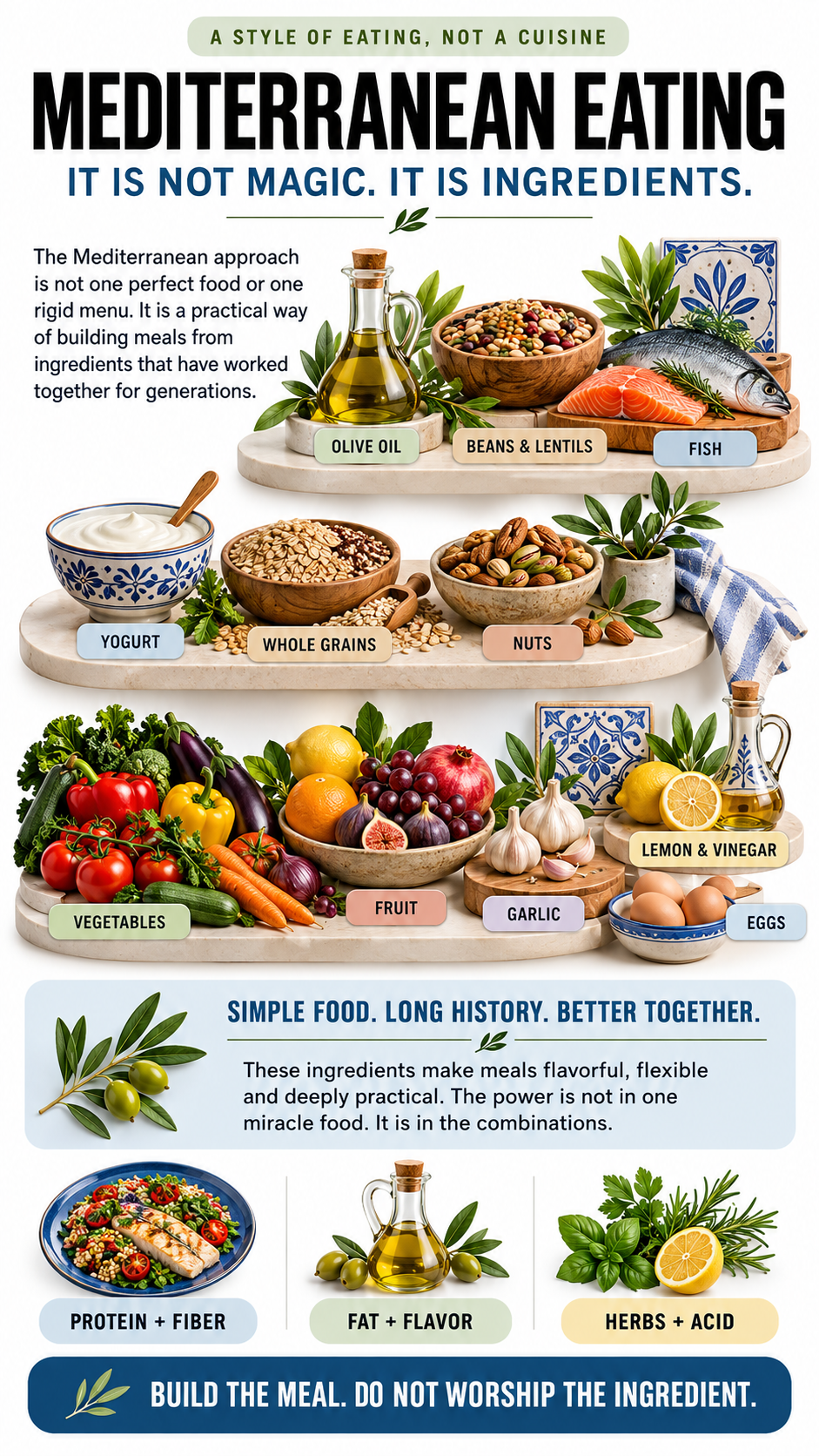
The truth is, it’s about ingredients.
Simple food with a long history of being used together — not as a trend, but as a way of building meals that are flavorful, flexible, and deeply practical.
For liver disease, that matters.
It is about what your body is trying to hold onto, what it is struggling to process, and what symptoms you are trying not to aggravate. The right ingredients can help make meals more supportive: higher in protein, lower in sodium, richer in fiber, easier to season without relying on salt, and more balanced for energy, muscle, digestion, and blood sugar.
t is making food feel less like a medical assignment and more like something you can actually live with
At its simplest - It is making food feel less like a medical assignment and more like something you can actually live with.
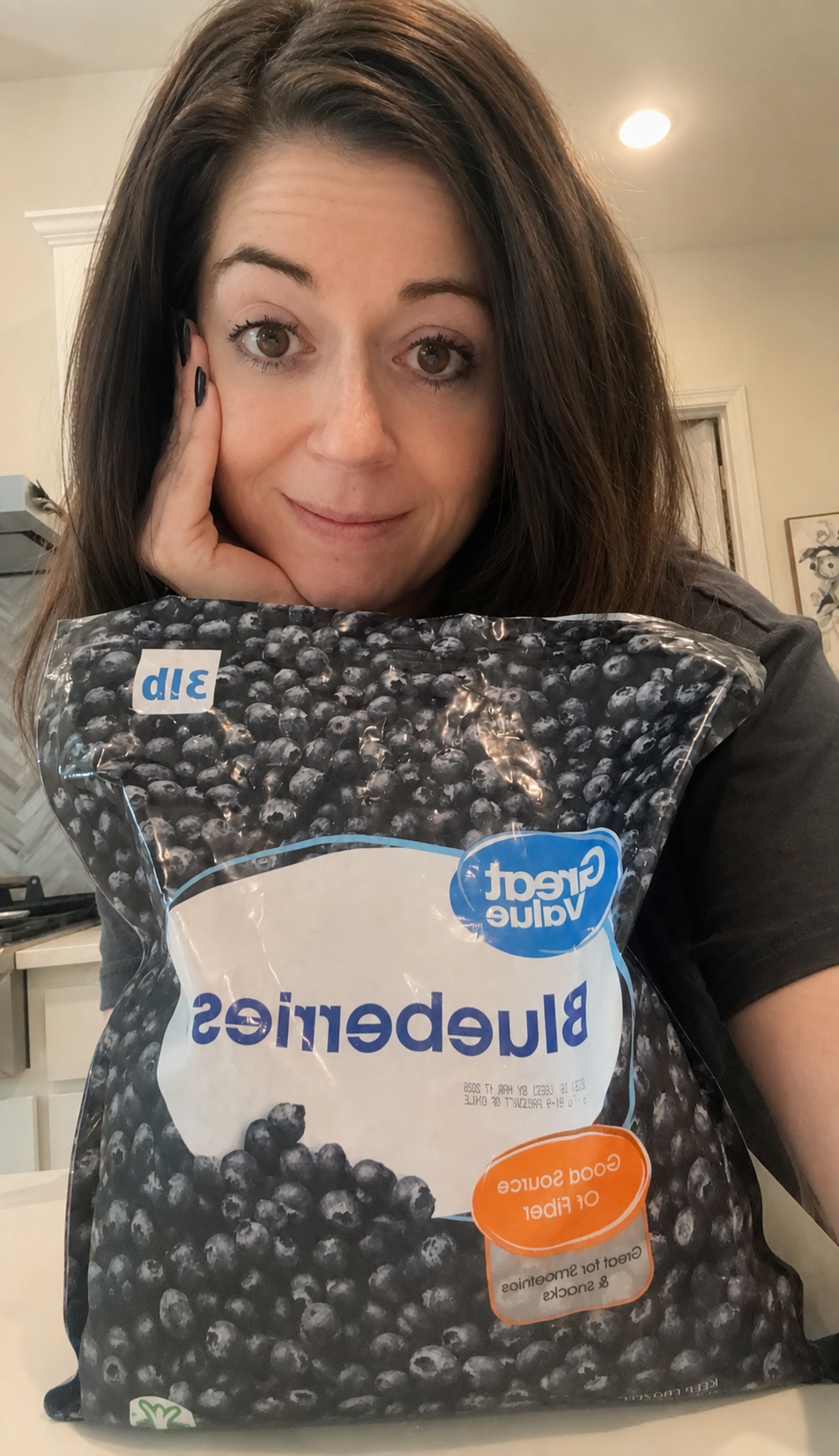
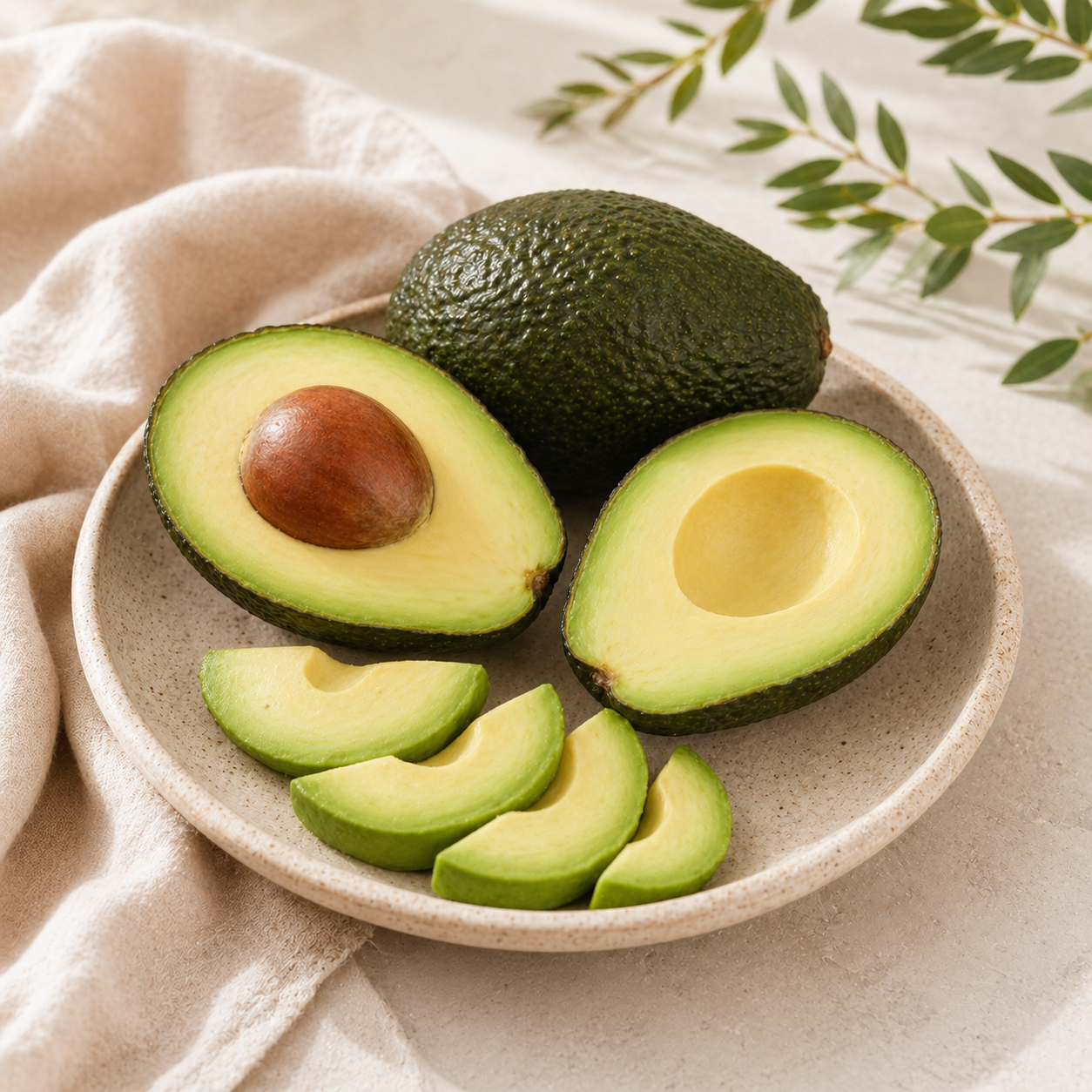
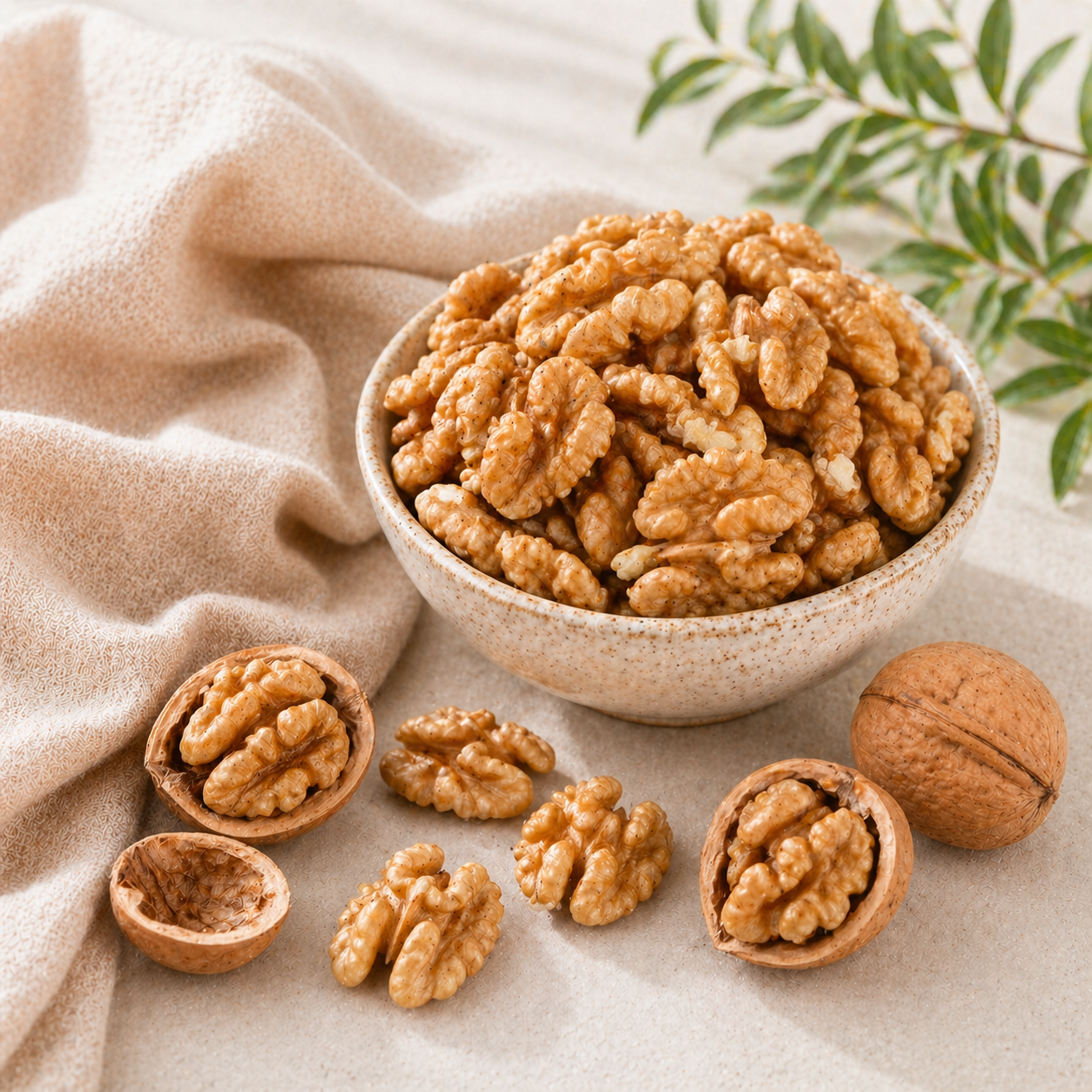
@diagnosis_cirrhosis 🥗 🍗 The Mediterranean diet is one of the most commonly recommended eating patterns for fatty liver disease, fibrosis and cirrhosis—and it’s also one of the most misunderstood. If you’ve searched: ❓ What should I eat with fatty liver disease? ❓ What is the best diet for MASLD or MASH? ❓ Can diet reverse fatty liver? ❓ Can fibrosis improve with diet? ❓ What should I eat with cirrhosis? ❓ Is the Mediterranean diet good for your liver? ❓ What foods should I avoid with fatty liver or cirrhosis? Here’s the first thing to know: 🌊 The Mediterranean diet does NOT mean eating Mediterranean food. It’s called that because researchers used the term to describe traditional eating patterns observed in countries surrounding the Mediterranean Sea. It isn’t a gyro diet. 🥙 It isn’t unlimited pasta. 🍝 It isn’t putting feta and olives on everything. 🫒 And there isn’t a giant list of forbidden foods. It’s a pattern of eating. 🥬 Vegetables 🫐 Fruits and berries 🫘 Beans and legumes 🌾 Whole grains 🥜 Nuts and seeds 🫒 Olive oil and other unsaturated fats 🐟 Fish and seafood 🥚 Eggs 🐓 Poultry 🥛 Yogurt and other dairy in moderation Red meat, processed meats, sweets, refined grains and highly processed foods generally appear less frequently rather than being declared permanently off-limits. 🍓 And yes—sweet food still exists. Fruit is a major part of Mediterranean-style eating. Berries are particularly useful because they provide fiber, vitamins and polyphenols. Greek yogurt with blueberries, fruit with nuts, chia pudding The point is the overall pattern, not dietary perfection. 🫀 WHY DOES THIS MATTER FOR FATTY LIVER? MASLD—formerly called NAFLD—and MASH are closely connected with metabolic health. Insulin resistance, excess liver fat, blood sugar, triglycerides, body composition and cardiovascular risk can all be part of the picture. 🥗 Mediterranean-style eating emphasizes fiber-rich plants, unsaturated fats and minimally processed foods while reducing many of the foods associated with excess saturated fat, added sugar and refined carbohydrates. Research supports Mediterranean-style dietary patterns for improving cardiometabolic health, and they may help reduce liver fat, particularly when combined with appropriate weight management and physical activity. 🧬 WHAT ABOUT FIBROSIS? Fibrosis is scar tissue created in response to repeated liver injury. Treating the underlying cause matters enormously. For someone with MASLD/MASH, improving metabolic health and reducing ongoing liver injury may help prevent fibrosis from progressing—and fibrosis can regress in some people when the underlying injury is successfully controlled. ⚠️ But once we’re talking about cirrhosis, nutrition becomes more complicated. People with cirrhosis may also be dealing with: 💪 Sarcopenia and muscle wasting 💧 Ascites and edema 🧂 Sodium restrictions 🤢 Nausea or poor appetite 🎈 Early fullness 🧠 Hepatic encephalopathy 🍽️ Malnutrition 🩸 Portal hypertension So Mediterranean-style eating may still provide an excellent framework, but preserving muscle and getting enough calories and protein can become just as important as food quality. 🐟 Salmon, and other seafood, chicken, turkey, eggs, Greek yogurt, beans and lentils can help provide protein. 🥑 Avocado, nuts, seeds and olive oil provide energy and unsaturated fats. 🥦 Vegetables, berries, fruit and whole grains provide fiber and micronutrients. 🧂 And if you’ve been prescribed a sodium restriction, fresh or minimally processed foods can make it considerably easier to control sodium than relying on packaged meals, sauces and processed meats. 🧬 Cirrhosis can result from MASLD/MASH (fatty liver disease), alcohol-associated liver disease, autoimmune hepatitis, hepatitis B, hepatitis C, PBC, PSC, hemochromatosis, Wilson disease, alpha-1 antitrypsin deficiency, drug-induced liver injury, vascular liver disease and other causes. 👩⚕️👨⚕️🩺 always talk to your hepatologist and a registered dietitian #mediterraneandiet #fattyliver #liverhealth #liverdisease #lowsodium ♬ Ritmo Alegre - DirceuFM
First things first - the name sucks. It’s confusing.
Now that that’s out of the way… The Mediterranean diet gets talked about a lot, but it’s more about a style of eating, a pattern. It’s not a cuisine (I know, I thought it meant endless gyros too. Seriously, I did.)
The truth is, it’s about ingredients.
Olive oil. Beans. Lentils. Fish. Yogurt. Herbs. Whole grains. Nuts. Vegetables. Fruit. Garlic. Lemon. Vinegar. Eggs. Simple food with a long history of being used together — not as a trend, but as a way of building meals that are flavorful, flexible, and deeply practical.
For liver disease, that matters.
Because nutrition is not just about calories.
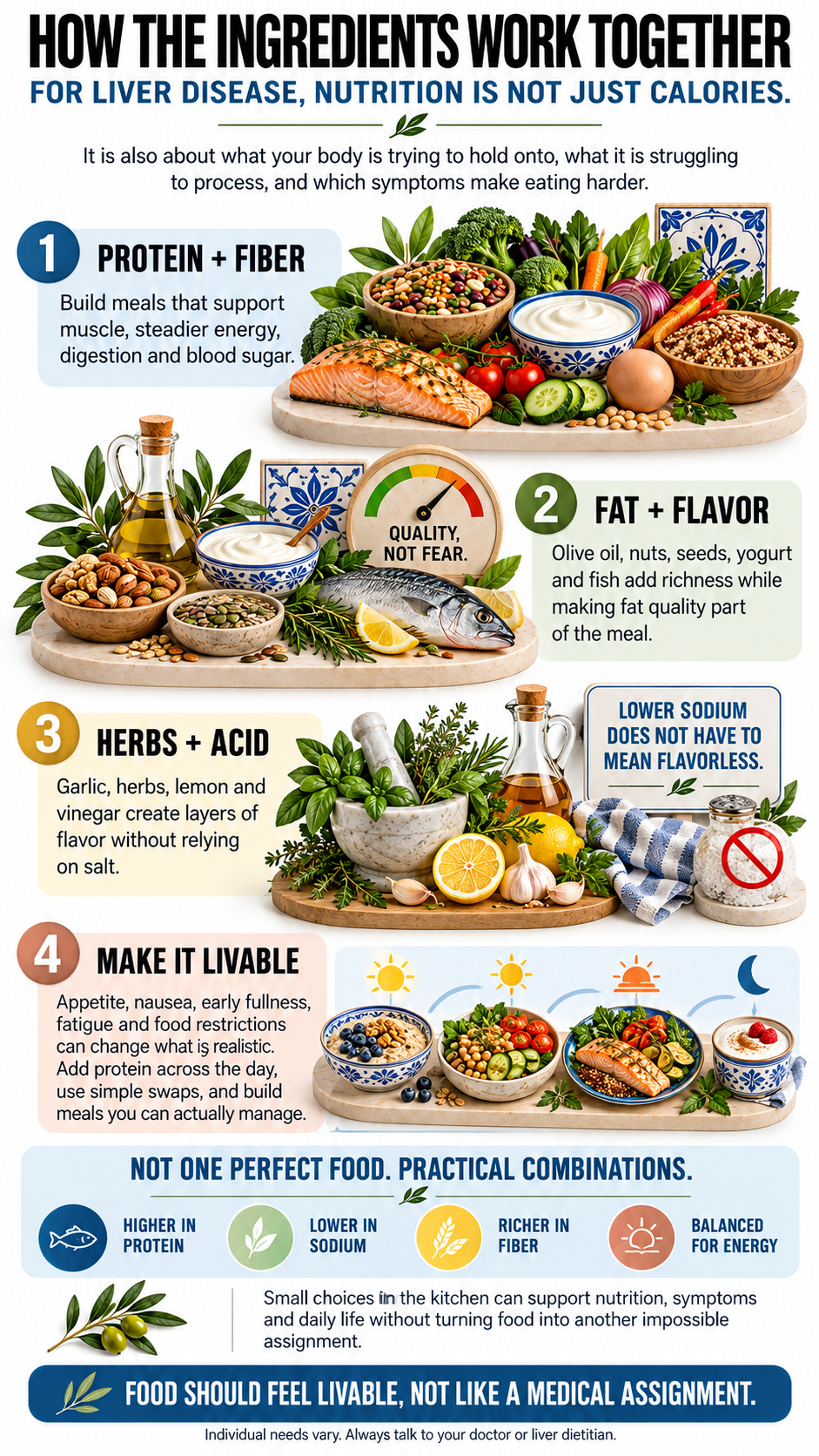
It is about what your body is trying to hold onto, what it is struggling to process, and what symptoms you are trying not to aggravate. The right ingredients can help make meals more supportive: higher in protein, lower in sodium, richer in fiber, easier to season without relying on salt, and more balanced for energy, muscle, digestion, and blood sugar.
This section is about looking closer.
Not just “eat vegetables,” but which ones work well in a meal.
Not just “use olive oil,” but why fat quality matters.
Not just “eat more protein,” but how to build protein into the day in ways that are realistic when appetite, nausea, fullness, fatigue, or restrictions get involved.
The Mediterranean approach is useful because it is not built around one perfect food. It is built around combinations: protein plus fiber, fat plus flavor, herbs plus acid, simple swaps that make a meal feel finished without making it harder on your body.
A closer look at ingredients, why they matter, how they work together, and how small choices in the kitchen can become part of managing liver disease, supporting symptoms, and catering to a hostile organ.
Honestly, we’re catering to a
hostile organ.
Browse Benefits by Ingredient: