

Numbers & Testing
numbers don’t tell the whole story, patterns do
What gets tested depends on your situation.
Some people are mostly tracking routine labs and imaging. Others are being monitored for portal hypertension, varices, ascites, kidney strain, liver cancer risk, medication effects, nutrition status, or several things at once. Most are a combination of everything.
Click a Tile Below to Explore More
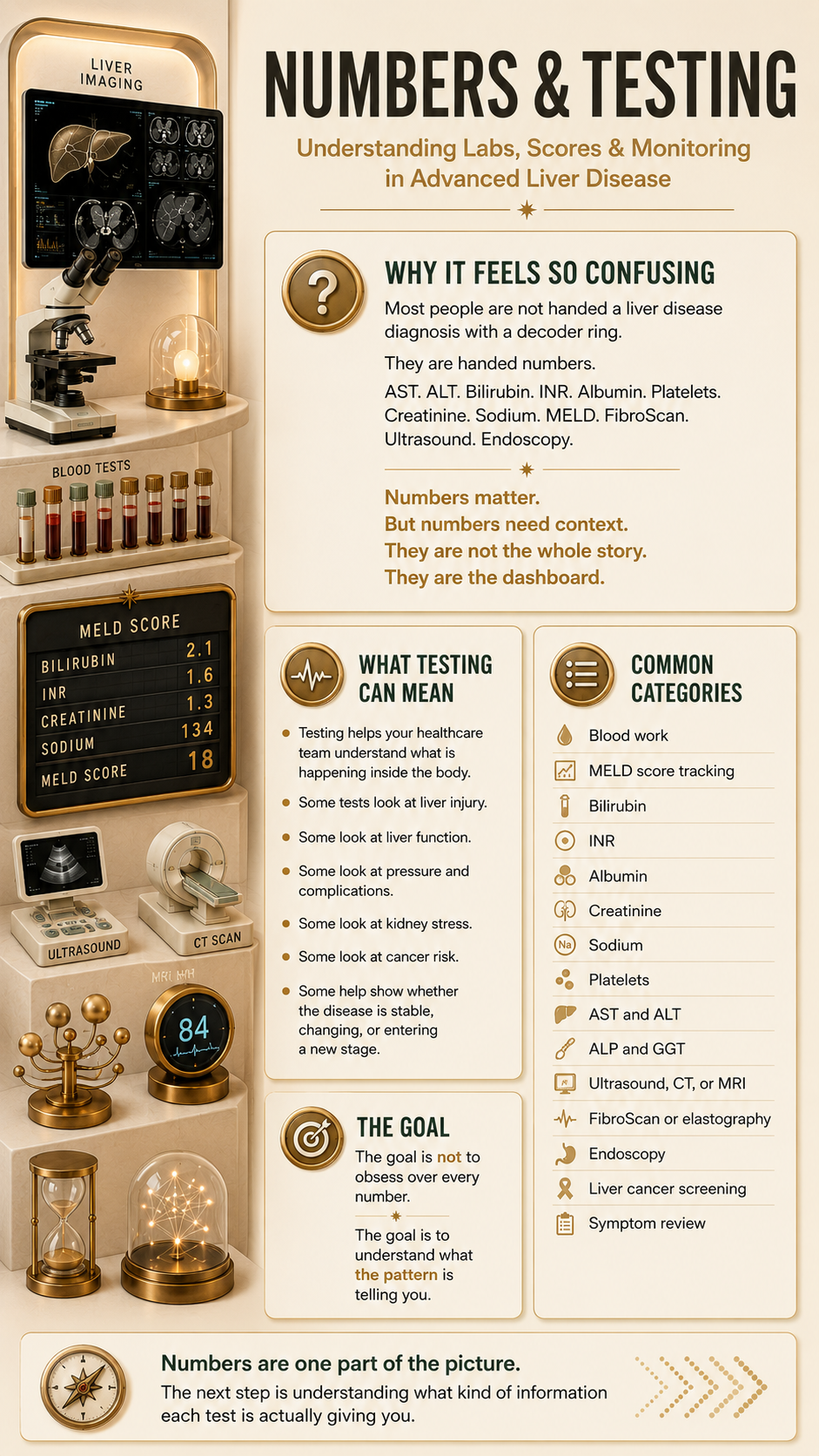
Testing in cirrhosis can feel overwhelming because the numbers rarely explain themselves.
Bloodwork, scans, scopes, scores, and follow-up appointments are not just boxes to check. They are how your healthcare team watches what your liver is doing, what your body is compensating for, and what might be changing before you can feel it.
What gets tested depends on your situation.
Some people are mostly tracking routine labs and imaging. Others are being monitored for portal hypertension, varices, ascites, kidney strain, liver cancer risk, medication effects, nutrition status, or several things at once. Most are a combination of everything.
The goal is not simply to “get good labs.”
The goal is to understand the direction your body is moving, catch complications early, guide treatment decisions, and make sure the rest of the body is not quietly getting pulled into the problem.
Numbers can be scary.
But they are also information.
And information gives your healthcare team something to follow, something to compare, and something to act on.

The goal is not simply to “get good labs.”
The goal is to understand the direction your body is moving, catch complications early, guide treatment decisions, and make sure the rest of the body is not quietly getting pulled into the problem.
Numbers can be scary.
But they are also information.
And information gives your healthcare team something to follow, something to compare, and something to act on.
Understanding Labs, Scores & Monitoring in Advanced Liver Disease
The diagnosis usually comes first. Then the numbers start following you.
AST. ALT. Bilirubin. INR. Albumin. Platelets. Creatinine. Sodium. MELD. FibroScan. Ultrasound. Endoscopy.
At first, they can feel like a second diagnosis written in a language nobody taught you how to read.
That is one of the hardest parts of advanced liver disease.
The diagnosis tells you the name of what is happening.
The testing helps explain how the disease is behaving.
Some numbers point toward liver injury.
Some point toward liver function.
Some hint at portal pressure.
Some show kidney stress.
Some help track cancer risk.
Some help your care team understand whether things are stable, changing, improving, worsening, or moving into a different phase.
But liver disease testing rarely gives one simple answer.
One number can look better while another looks worse. A lab can improve while symptoms stay the same. A scan can show something your body has not felt yet. A MELD score can become the number everyone talks about, even though it does not explain fatigue, itching, weakness, fear, sleep changes, appetite loss, or what it actually feels like to live inside the disease.
Numbers matter. But numbers need context. They are not the whole story.
They are the dashboard your care team uses to understand what the diagnosis is doing.
Explore below to learn more & my experiences

What It Feels Like
Hepatic encephalopathy can feel different for everyone.
Common experiences include:
🧠 Brain fog
🧠 Forgetfulness
🧠 Difficulty concentrating
🧠 Slower thinking
🧠 Word-finding problems
🧠 Mental fatigue
🧠 Mood changes
🧠 Feeling "off"
Sleep-related symptoms often include:
🌙 Wide awake at 2:00 AM
☀️ Exhausted during the day
😴 Unplanned naps
⏰ Sleep-wake reversal
📅 Feeling disconnected from normal schedules
The Crossover Point
Think of your brain like a switchboard.
At first, a few signals arrive late.
A connection flickers.
A message gets rerouted.
Everything still works.
Then more signals begin crossing wires.
Some messages arrive slowly.
Others never arrive at all.
The switchboard becomes increasingly difficult to manage.
Hepatic encephalopathy is what happens when the brain is forced to work through static.
Things Nobody Explains
1. It Isn't Just Confusion
Many people expect hepatic encephalopathy to look dramatic.
Often it begins with subtle changes that are easy to dismiss.
2. Sleep Problems Can Be an Early Clue
For some patients, a reversed sleep schedule appears long before obvious cognitive symptoms.
3. You May Notice It Last
Friends and family sometimes recognize changes before the patient does.
4. It Can Fluctuate
A person may feel completely normal one day and noticeably foggy the next.
Infections, dehydration, constipation, medications, and other stressors can all contribute.
What Helps
✅ Lactulose when prescribed
✅ Rifaximin when prescribed
✅ Preventing constipation
✅ Staying hydrated when appropriate
✅ Managing infections quickly
✅ Maintaining nutrition and muscle mass
✅ Regular follow-up with your healthcare team
The Bottom Line
Hepatic encephalopathy is not a character flaw, a lack of effort, or a failure to pay attention.
It's a complication of liver disease that affects the brain's ability to process information efficiently.
Sometimes it looks like confusion.
Sometimes it looks like forgetfulness.
And sometimes it looks like lying awake at 3:00 AM wondering why a disease built around fatigue won't let you sleep.
Liver Injury vs. Liver Function
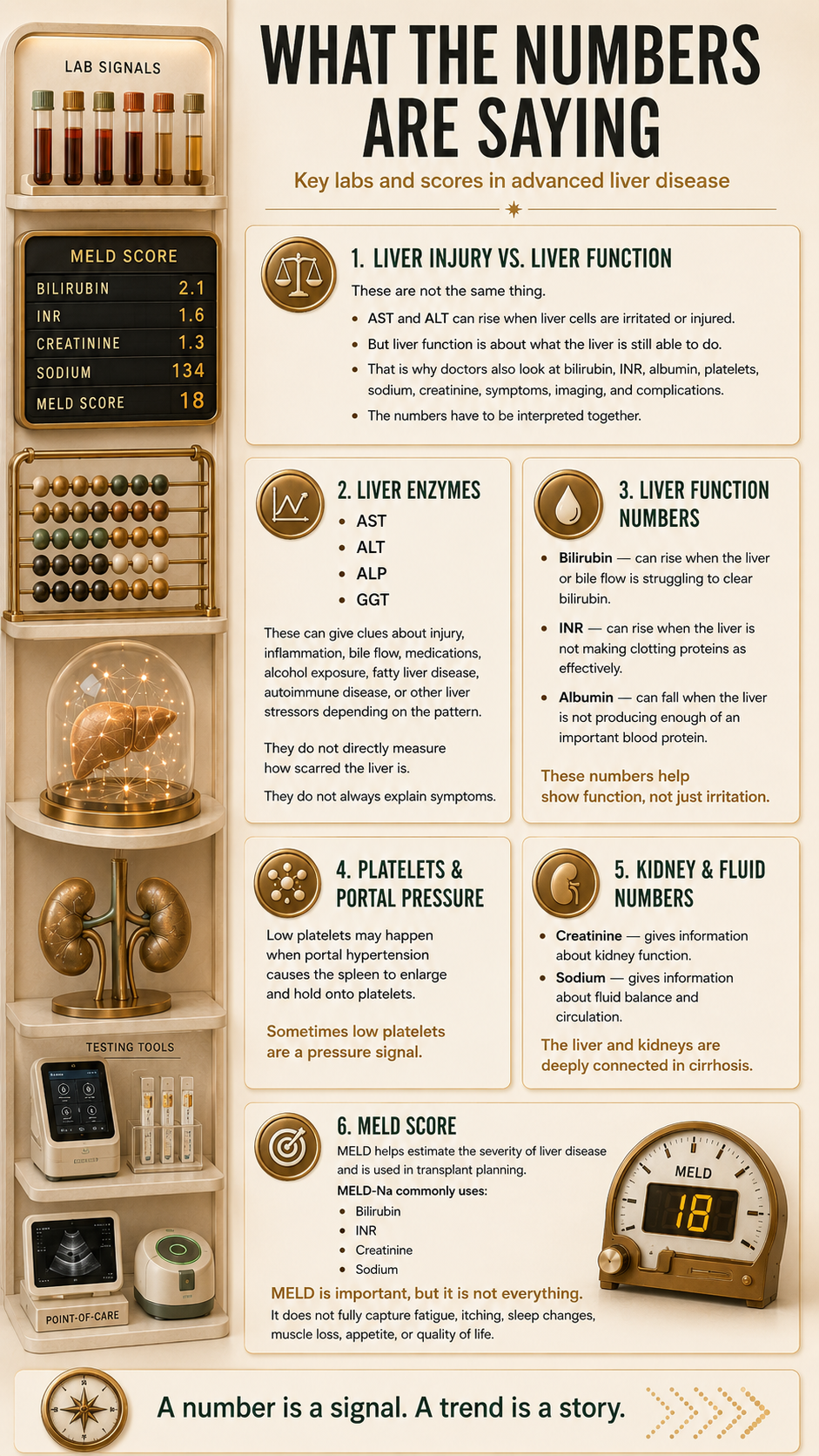
One of the most confusing parts of liver disease is that liver enzymes and liver function are not the same thing.
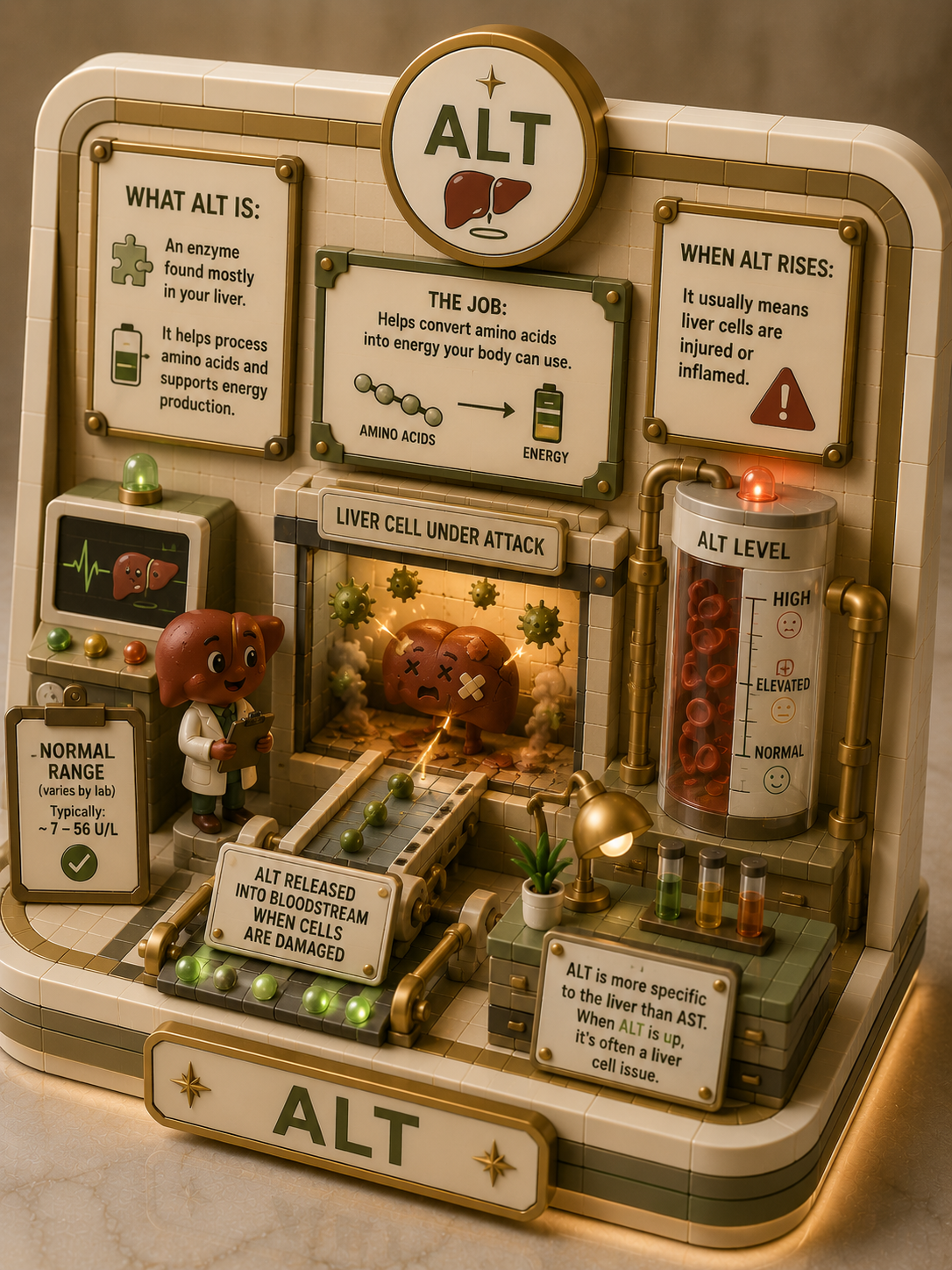
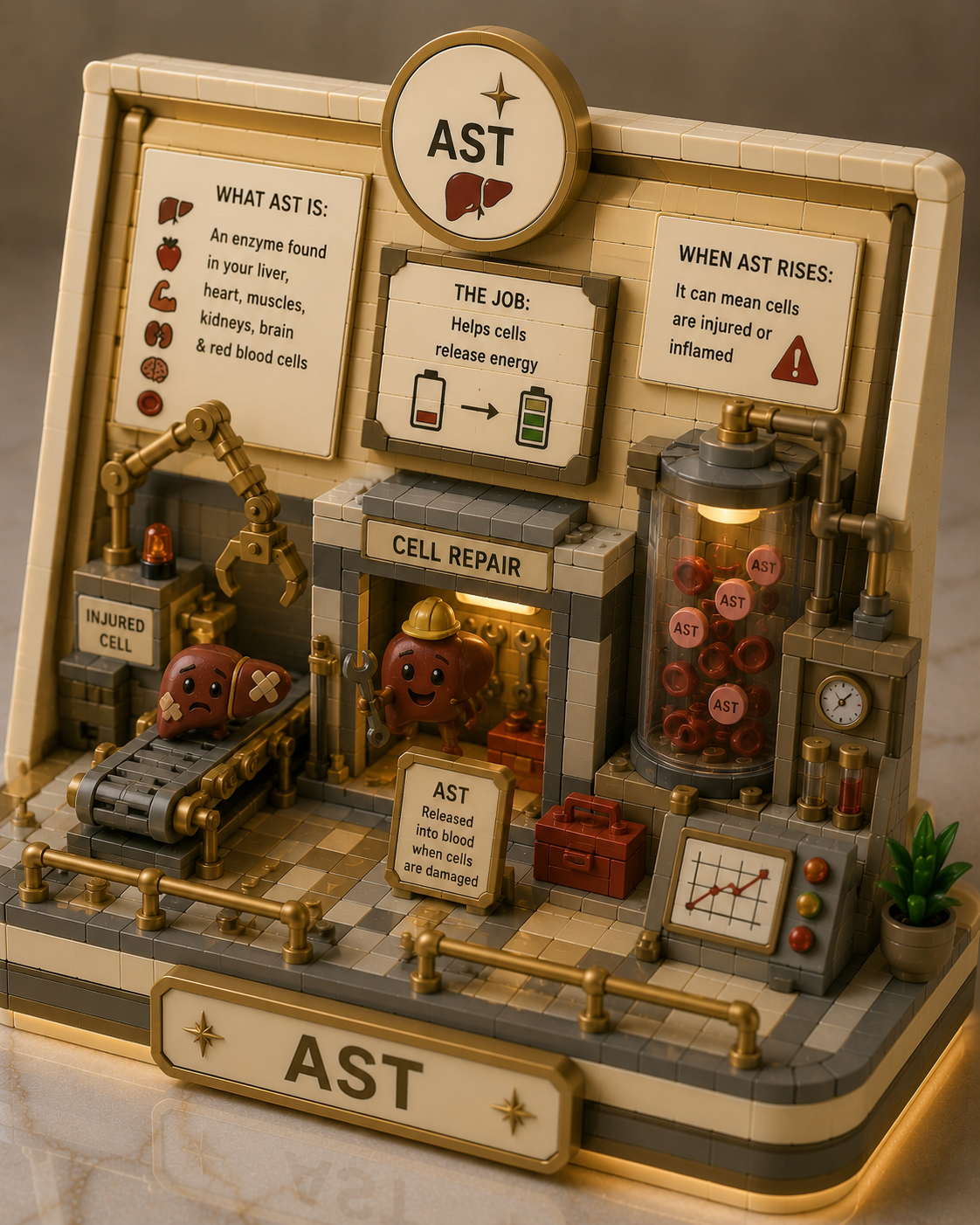
AST and ALT can rise when liver cells are irritated or injured.
But liver function is about what the liver is still able to do.
That is why your healthcare team may also watch bilirubin, INR, albumin, platelets, sodium, creatinine, imaging, symptoms, and complications.
A person can have serious cirrhosis with only mildly abnormal enzymes.
A person can have high enzymes without advanced cirrhosis.
The numbers need to be read together.
Things Nobody Explains
1. Normal Does Not Always Mean Nothing Is Happening
Some labs can look normal even when liver disease is present.Some symptoms can be severe even when certain numbers look stable.
That does not mean the symptoms are fake.
It means labs are only one part of the picture.
2. Abnormal Does Not Always Mean Emergency
A number outside the normal range can be scary.
But not every abnormal result means something is suddenly wrong.
Doctors usually look at the size of the change, the trend over time, symptoms, medications, kidney function, imaging, and the full clinical picture.
3. Trends Matter More Than One Snapshot
One lab result is a moment.
A trend is a story.
A number slowly changing over time may matter more than one isolated result.
That is why repeat testing and follow-up are so important.
4. MELD Is Important, But It Is Not Everything
MELD can help measure severity and transplant priority.
But it does not measure how hard your life feels.
It does not fully capture fatigue, itching, nutrition, weakness, anxiety, sleep disruption, or the day-to-day burden of chronic illness.
Your experience still matters even when the score does not explain all of it.
5. Testing Can Be Emotionally Exhausting
Labs, scans, endoscopy, and waiting for results can create a cycle of anxiety.
You may feel like you are always waiting to find out whether you are okay.
That emotional load is real.
Testing is medical.
Waiting is personal.
What Helps
Helpful strategies may include:
✔️ Asking which numbers matter most for your situation
✔️ Tracking trends instead of obsessing over one result
✔️ Learning the difference between liver injury and liver function
✔️Asking how your symptoms fit with your labs
✔️ Keeping a record of MELD, bilirubin, INR, creatinine, sodium, albumin, and platelets
✔️ Attending recommended imaging and screening
✔️Following endoscopy recommendations
✔️Asking what changes should trigger a call
✔️ Asking what symptoms are urgent
✔️Avoiding comparison with other patients’ numbers
✔️Reviewing results with your healthcare team
✔️ Bringing questions to appointments
Seek urgent medical care for vomiting blood, black tarry stools, sudden confusion, inability to stay awake, fever, severe abdominal pain, severe dehydration, fainting, worsening shortness of breath, rapid swelling, or symptoms that feel suddenly and significantly worse.
The Bottom Line
Numbers and testing are part of advanced liver disease care.
They help doctors monitor liver function, kidney stress, portal pressure, cancer risk, complications, and whether the disease is changing.
But numbers are not the whole person.
A lab value is a signal. different conditions.
And that deserves honesty, care, and support—not shame.
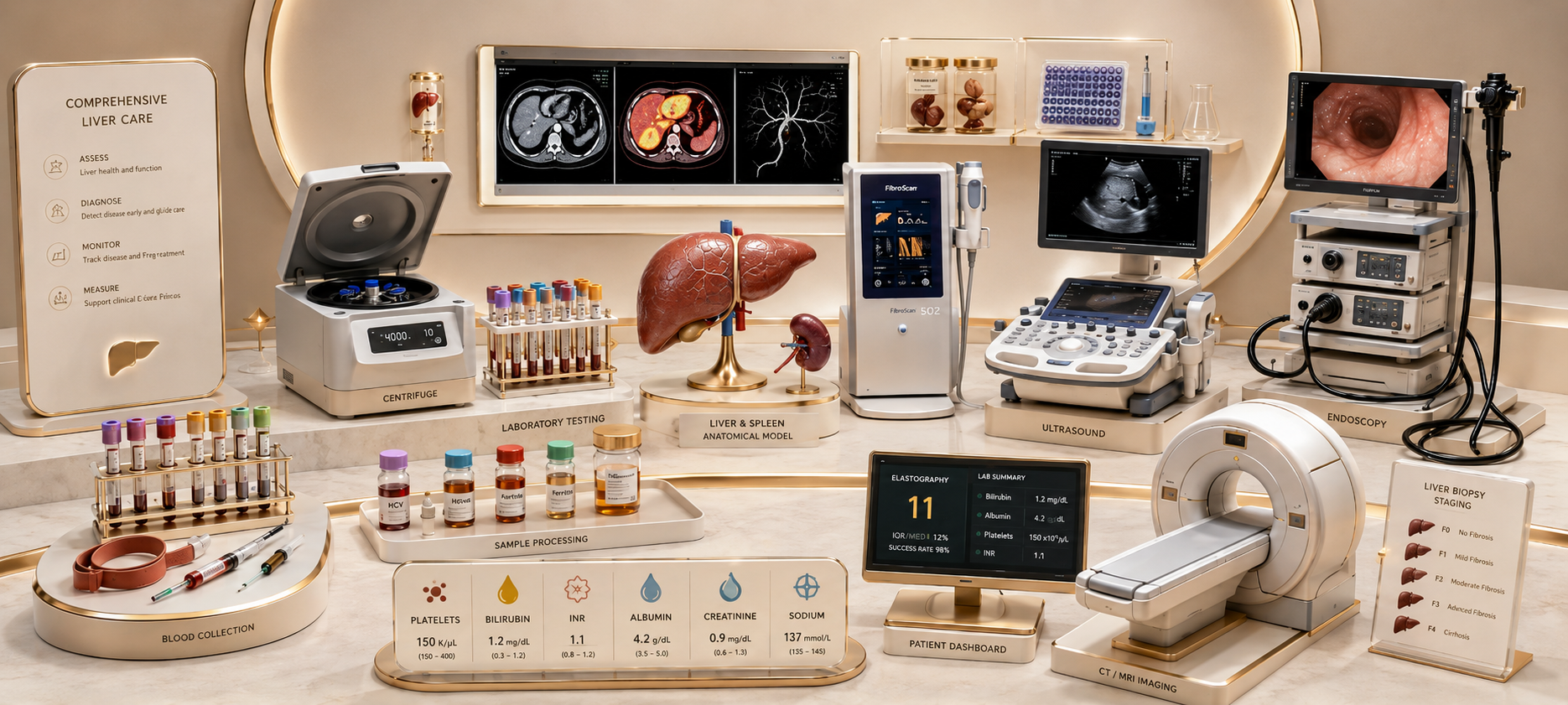
Common Blood Work
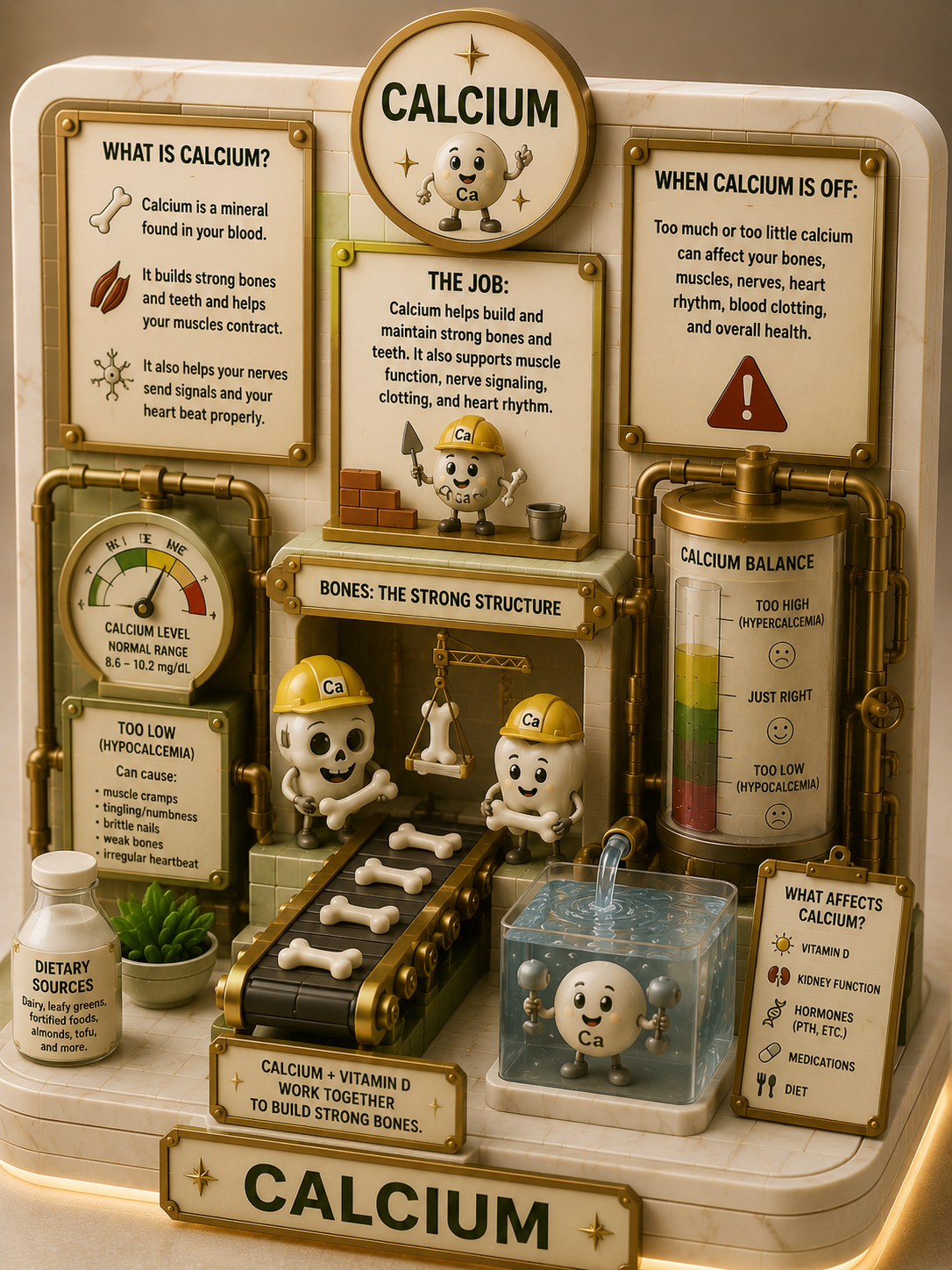
You will have blood panels like CBC, CMP, iNR, GGT, potentially PEth, They might only order a Hepatic Panel, which is a subset of the CBC. Other tests are ordered as needed.
AST & ALT
These are often called liver enzymes.
They can show liver cell irritation or injury, but they do not directly measure scarring or liver function
AST - Always Sometimes Liver
ALT - Always Liver Time
Highly unlikely those help you, but I live by them.
Bilirubin
Bilirubin is the yellow pigment connected to jaundice, dark urine, pale stools, and itching.
It is also part of the MELD score.
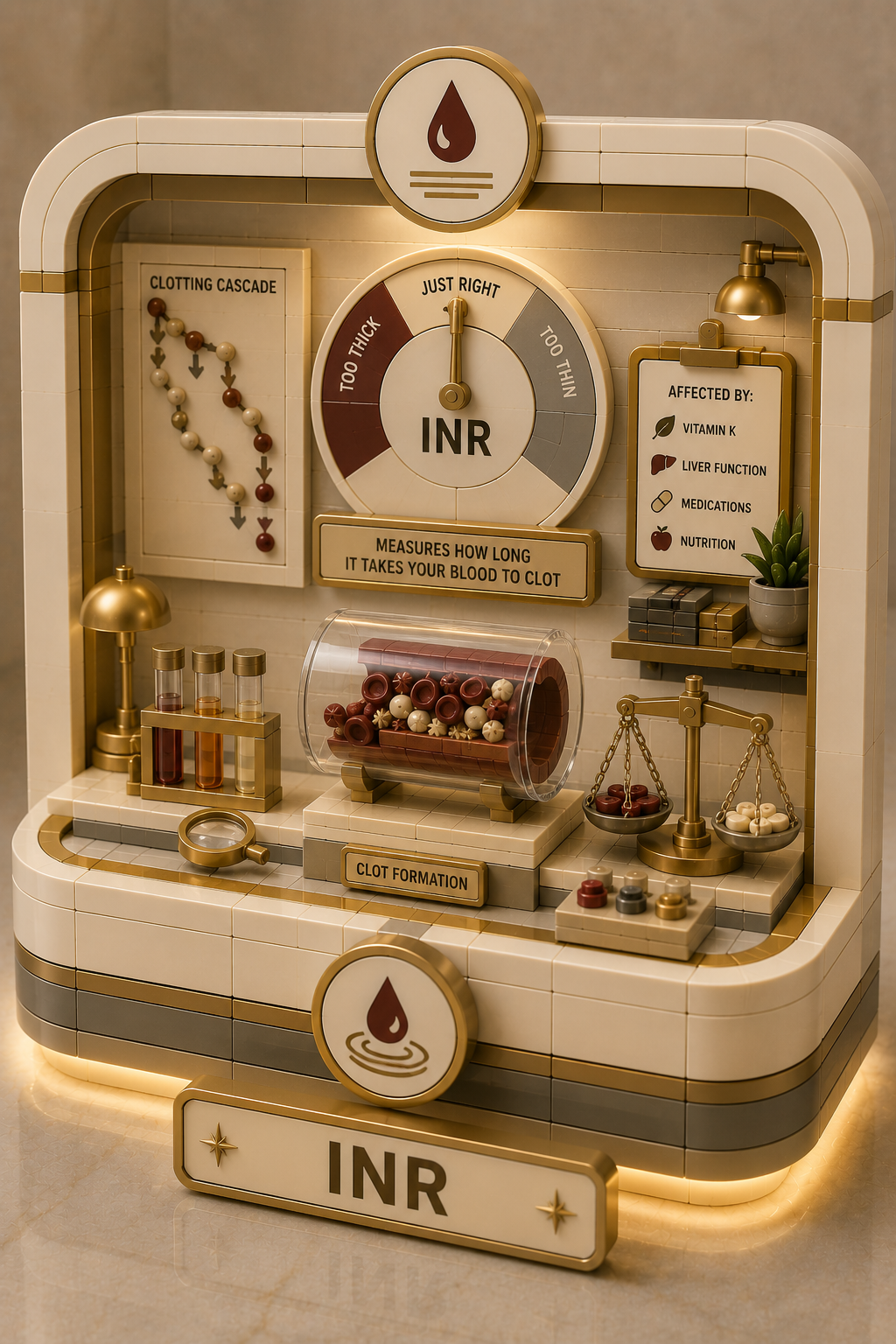
INR
INR is related to clotting.
Because the liver makes many clotting proteins, INR can give information about liver function.
Albumin
Albumin is a protein made by the liver.
Low albumin can be connected to fluid retention, poor healing, malnutrition, and reduced liver synthetic function.
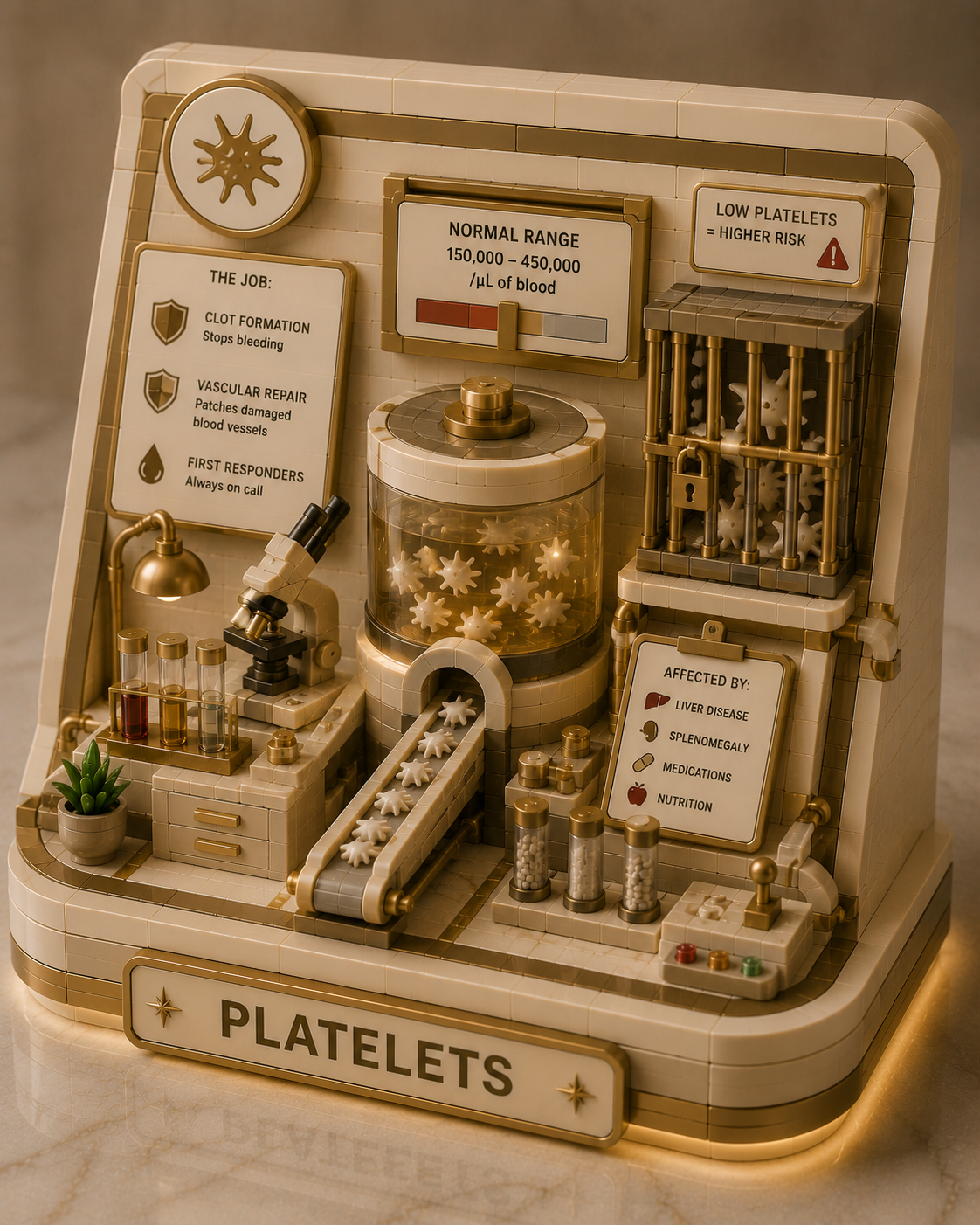
Platelets
Low platelets can sometimes reflect portal hypertension and an enlarged spleen holding onto platelets.
They are not just a random blood count.
They can be a pressure clue.
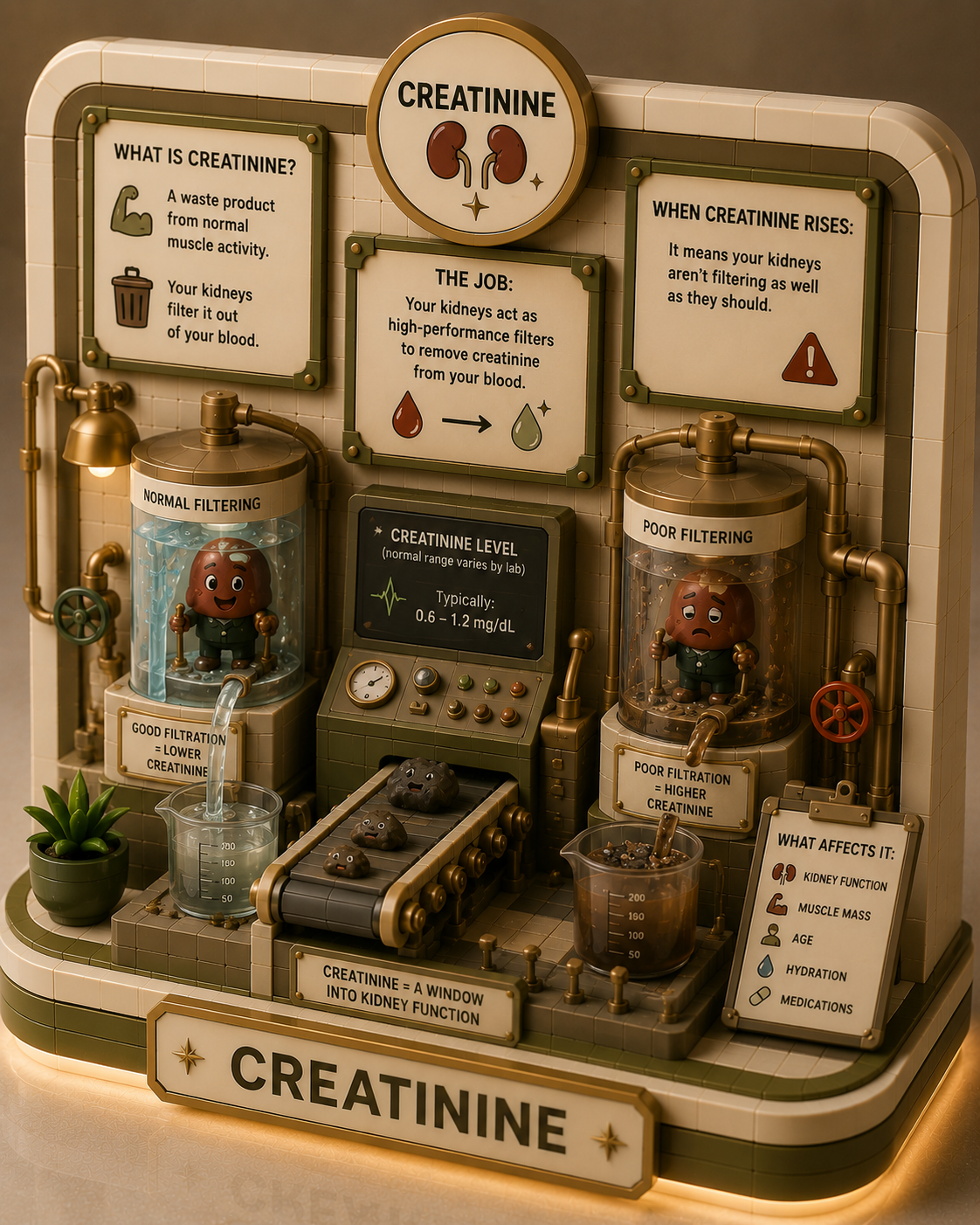
Creatinine & Sodium
Creatinine reflects kidney function.
Sodium reflects fluid and circulation balance.
Both matter because advanced liver disease can affect the kidneys and the body’s ability to manage water.
MELD Score
MELD stands for Model for End-Stage Liver Disease.
It is used to estimate severity of liver disease and help prioritize transplant allocation.
MELD-3.0 includes:
📊 Bilirubin
📊 INR
📊 Creatinine
📊 Sodium
📊 Albumin
The MELD represents your mortality risk, not your quality of life.
It does not fully capture fatigue, itching, appetite loss, weakness, sleep disruption, pain, mental health, or quality of life.
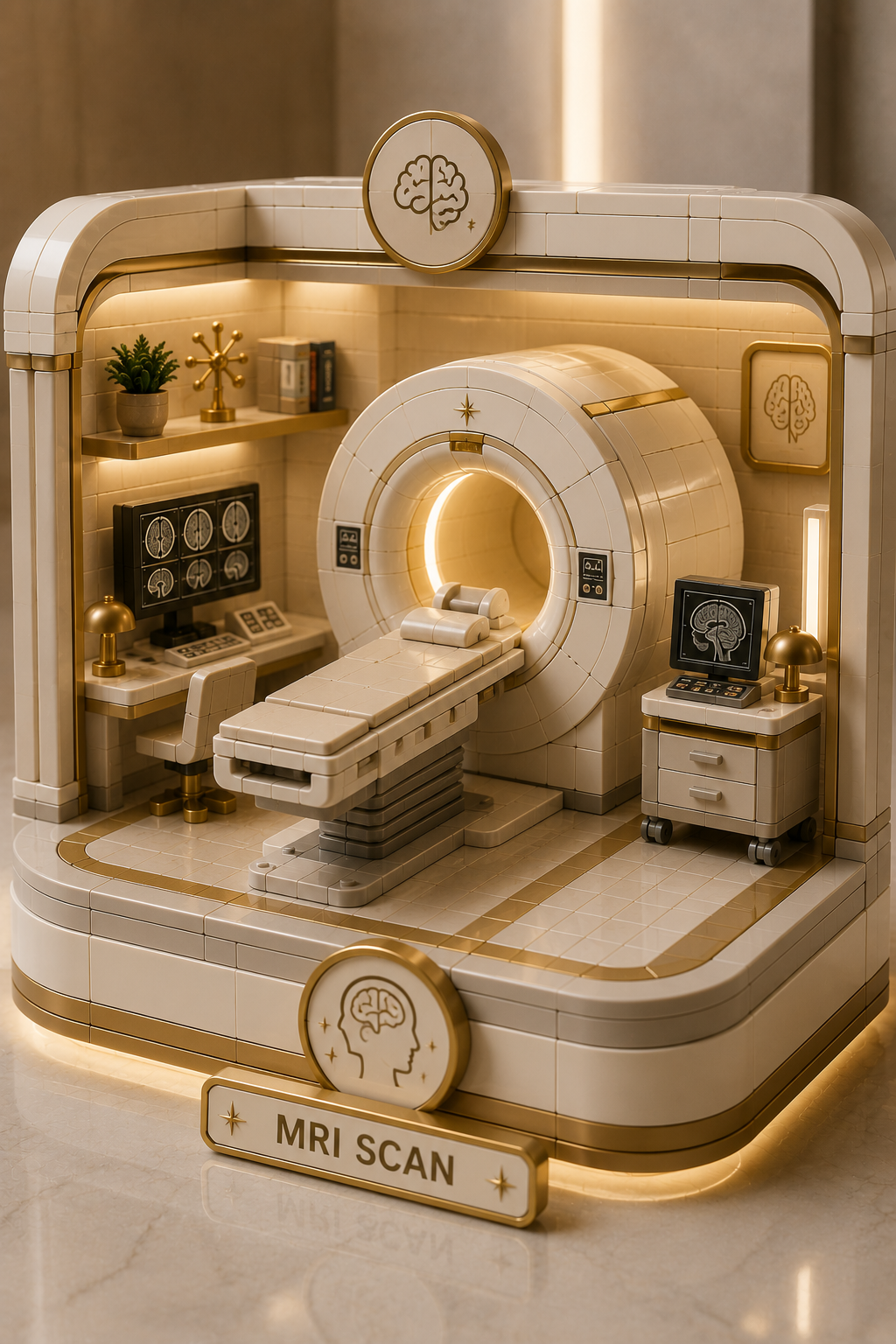
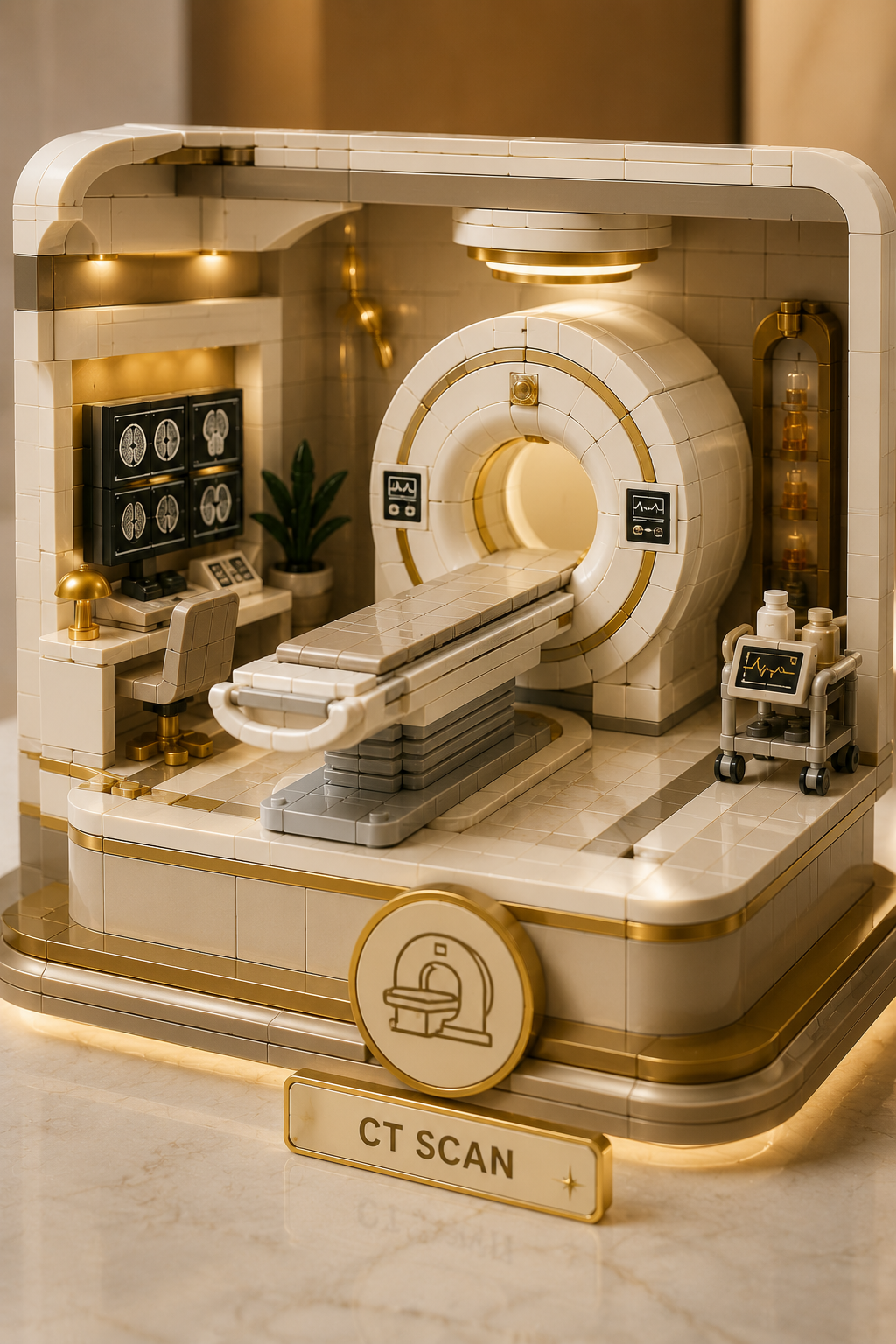
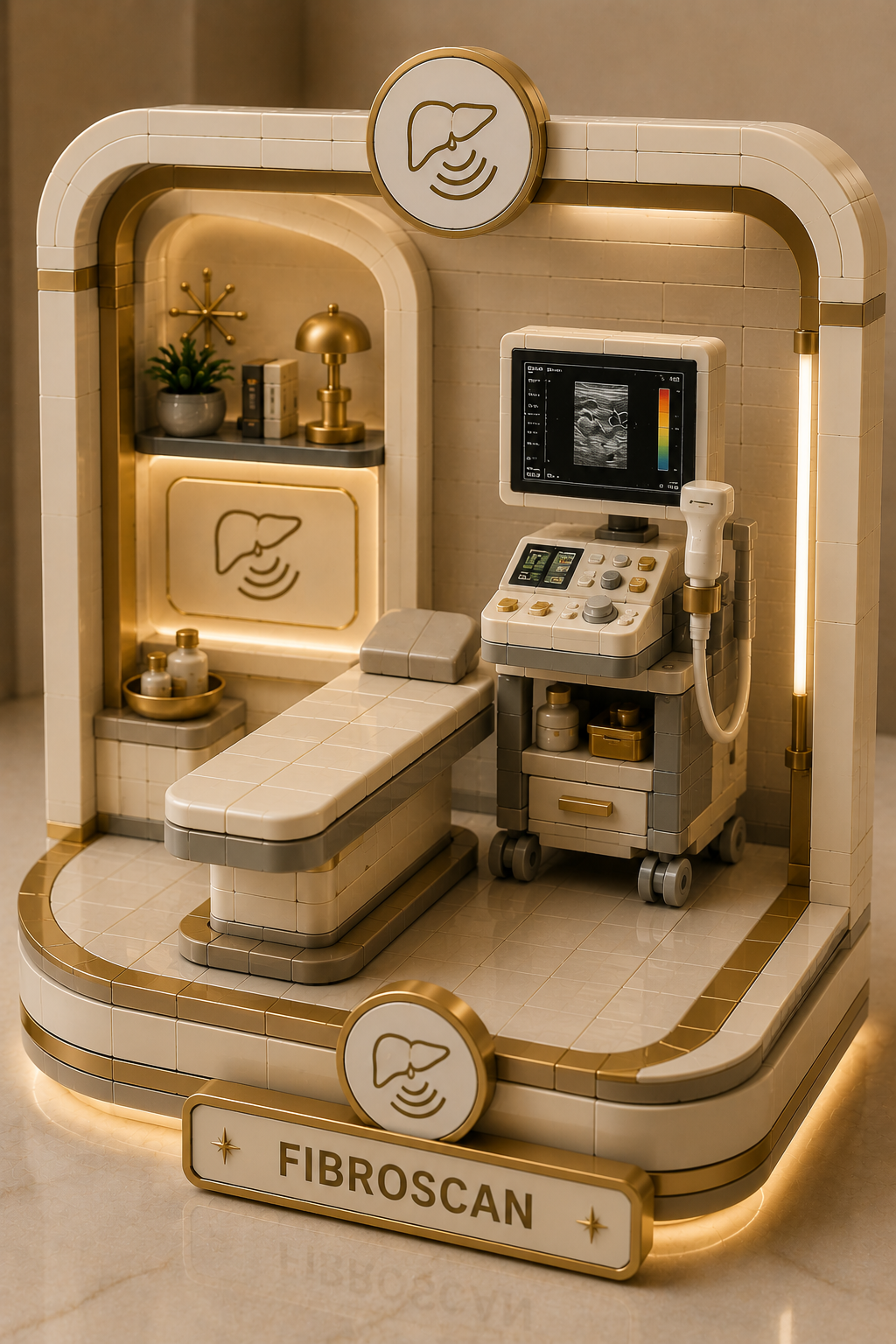
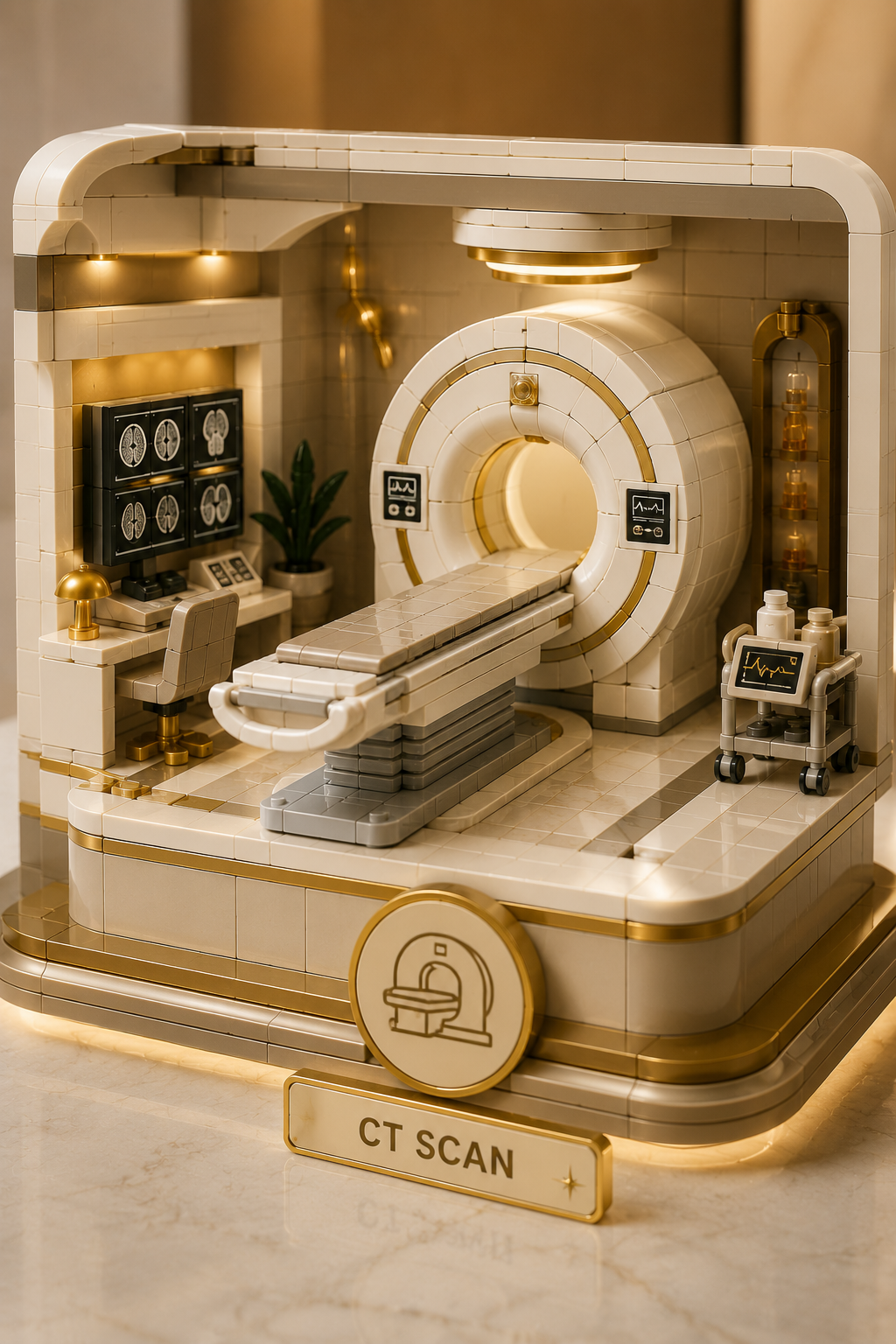
Imaging
Imaging helps doctors see what blood work cannot.
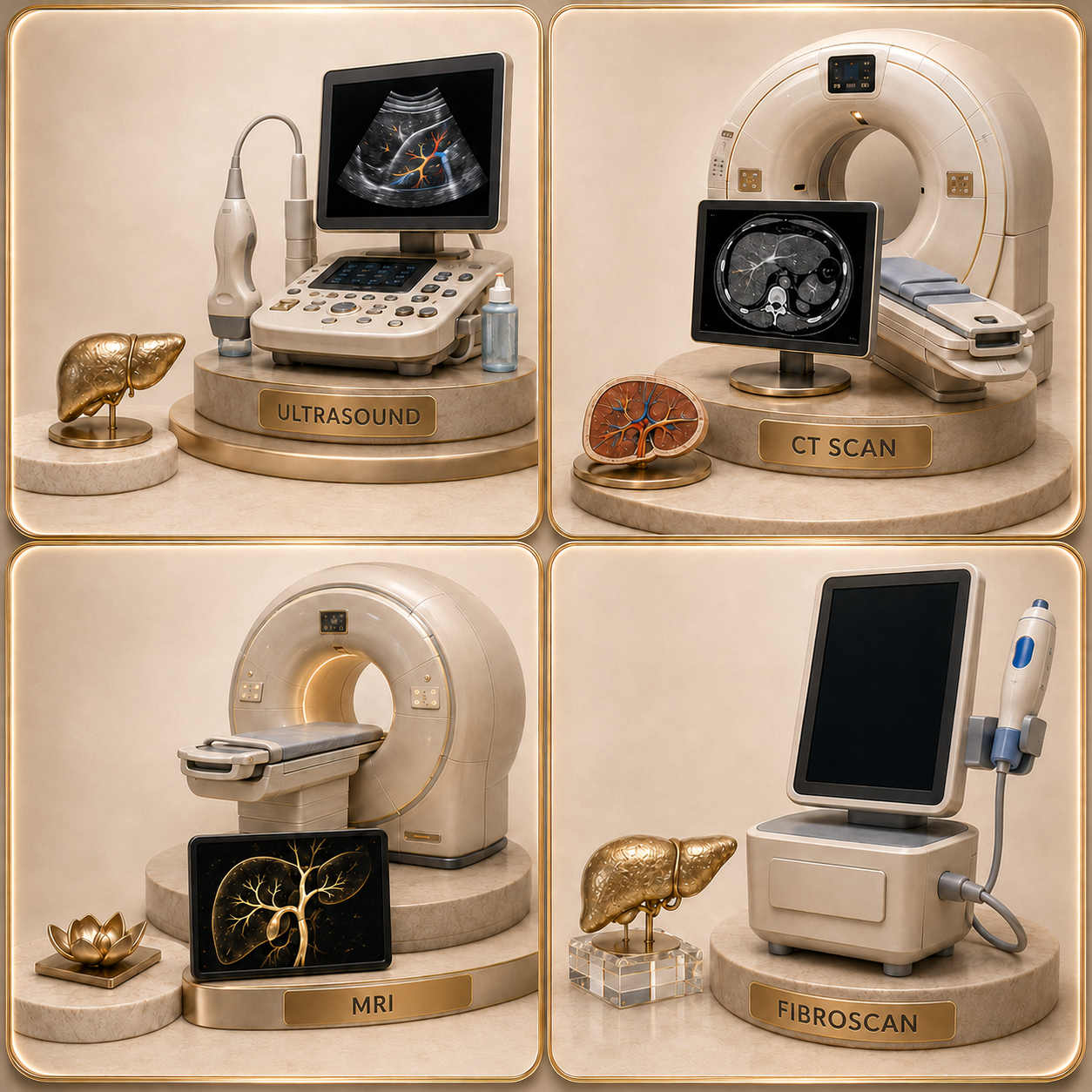
This may include ultrasound, CT, MRI, FibroScan, or elastography depending on your situation.
Imaging may look for:
🖥️ Liver size and texture
🖥️ Spleen enlargement
🖥️ Ascites
🖥️ Liver lesions
🖥️ Bile duct problems
🖥️ Blood flow changes
🖥️ Signs of portal hypertension
🖥️ Liver cancer screening
Scans can feel scary because they are looking for things you cannot see or feel yet.
But that is also the point.
Imaging can help catch problems earlier.
Endoscopy & Colonoscopy
Endoscopy is often used to look for varices.
Varices are enlarged veins that can form when portal pressure rises.
A person can have varices and feel completely normal.
That is why screening matters.
Endoscopy may help your care team decide whether you need monitoring, medication, banding, or other prevention strategies.
It is not just a test.
It can be part of preventing a dangerous bleed.
.
Read More



It is incredibly easy to get sucked into the strange social shorthand of liver disease—treating your blood work like a daily sports scoreboard or sorting yourself into brackets based on your peak bilirubin levels. But a collection of numbers typed into an online calculator will never be able to measure the sheer amount of grit it takes to move through the day with muscle wasting, navigate the haze of brain fog, or wake up every morning to look uncertainty dead in the eyes.
A lower number is an excellent sign of stability, but it isn't an automated pass that means you're suddenly symptom-free or "not sick anymore." And a higher number isn't a failure—it's just your body's way of raising a flag so your medical team knows exactly when to step in with reinforcement. Don't let a four-letter acronym flatten your humanity.