
Papaya
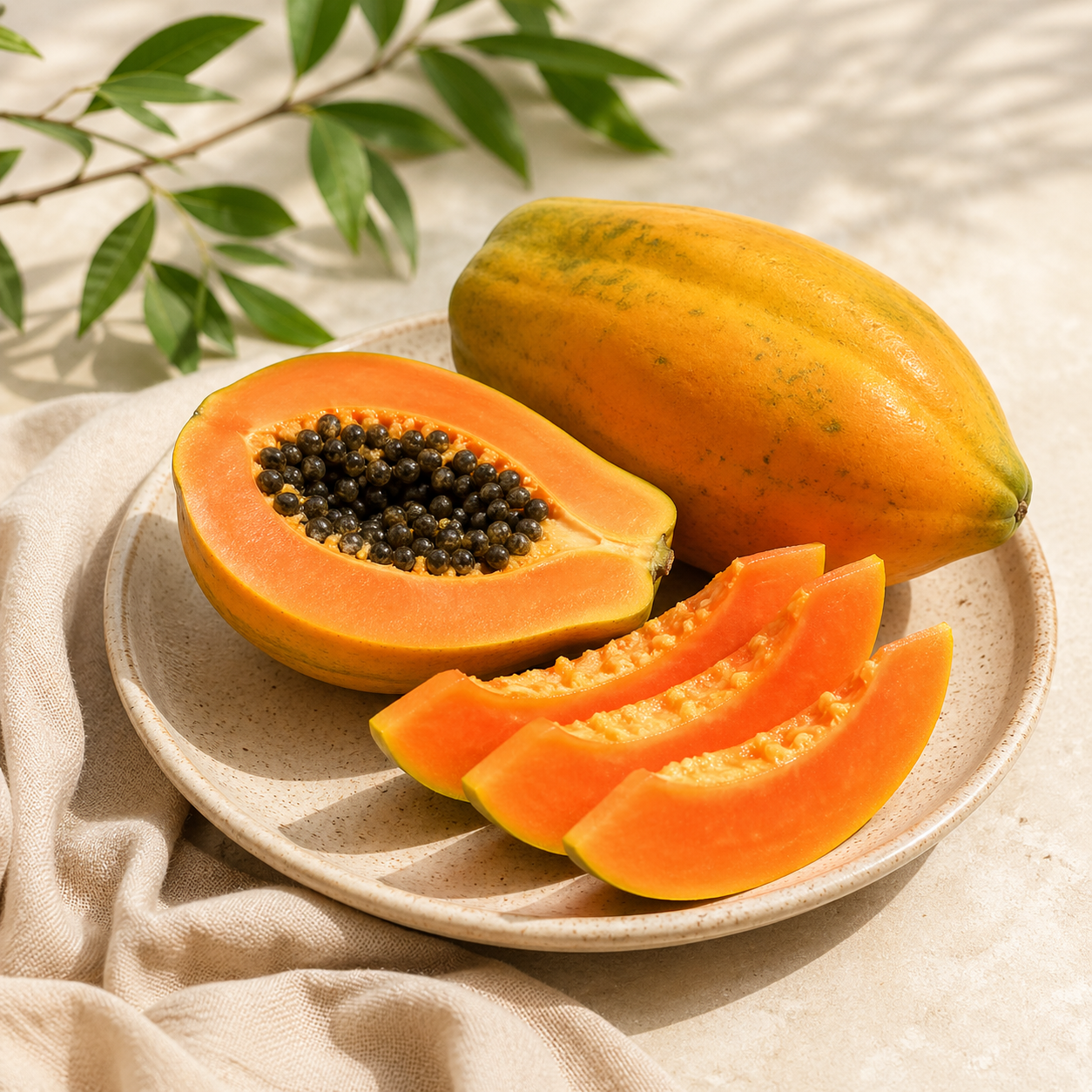
Are Papayas Safe for Cirrhosis?
Yes, fully ripe papaya is entirely safe and serves as an exceptional metabolic ally to support protein processing and combat inflammation, but it requires strict form awareness to avoid severe digestive tracking traps.Why Papaya is Safe For You:
The Protein Processor: Packed with active papain that pre-digests dietary proteins, reducing the toxic chemical processing burden on a scarred liver.
The Ammonia Defense: Eases stomach breakdown to help lower blood ammonia levels, directly protecting against hepatic encephalopathy and brain fog.
Fatty Liver Defense: Clinical data shows it reduces "fatty droplets" and lipid accumulation, preventing worsening liver complications.
The Anti-Fibrosis Shield: Massive levels of Vitamin C and beta-carotene act as an antioxidant clean-up crew to neutralize the oxidative stress that drives tissue scarring. [1, 2, 3, 4]
My Cirrhosis - Papaya “I Guess I’ll Buy-Ya” Story:
I knew what it was, obviously. I had seen it. I had respected it from a distance. But I was not casually frequenting papaya like we had an established relationship.
Then cirrhosis happened, and suddenly I was much more open-minded.
Because when you are desperate to nourish your body, priorities change. Foods you barely noticed before start looking interesting. Useful. Worth investigating.
And somehow, this funny-looking fruit became the apple of my eye.
Papaya is soft, bright, easy to eat, and exactly the kind of food that feels manageable when your appetite is unreliable but your body still needs support.
But personally, papaya became one of those unexpected foods that reminded me nutrition does not always have to feel clinical..
Papaya: The "Fruit of the Angels" for Tropical Liver Detox
In the specialized landscape of a cirrhosis-friendly diet, the Papaya (Carica papaya) is a heavy-duty metabolic ally. Often described as a "tree melon" by early explorers, this fruit acts as a biological tenderizer for the liver. For those managing liver scarring, its signature enzyme, papain, assists in the critical breakdown of proteins—a task that can be incredibly taxing for a damaged liver—while its dense concentration of antioxidants helps neutralize the systemic inflammation that drives fibrosis.
A Voyage Through Time: The Sacred "Medicine of the Sun"
The history of the papaya is a testament to its status as one of nature's most effective traditional remedies, originating in the tropical heart of Southern Mexico and Central America.
Vinmec
The Mayan "Tree of Life": Long before modern pathology, the ancient Mayans used every part of the papaya plant. They famously wrapped tough game meats in papaya leaves to soften the muscle fibers—a primitive use of the papain enzyme that modern medicine now uses to ease human digestion.
Columbus and the "Angels": In the late 15th century, Christopher Columbus and his crew reportedly encountered the papaya in the Caribbean. After a long voyage plagued by digestive distress from salted rations, the fruit provided instant relief. Columbus was so struck by its soothing power and sweetness that he famously christened it the "Fruit of the Angels".
The Global Healer: By the 1600s, seeds were carried to the Philippines and India via Spanish and Portuguese trade routes. In these regions, it became a cornerstone of Ayurvedic medicine, where it was prescribed to "cool" the liver and treat spleen enlargement—a traditional practice that aligns with modern findings on its anti-inflammatory properties.
Why Papaya is a "Liver-Specific" Superfood
For a patient with cirrhosis, the liver's "metabolic factory" is often understaffed and overworked. Papaya provides the extra help needed to keep the system running.
1. Papain: The Protein Processor Cirrhosis can hinder the liver's ability to metabolize dietary proteins, leading to a buildup of ammonia in the blood. The enzyme papain mimics the body's natural digestive juices, pre-digesting proteins in the stomach. This significantly reduces the chemical burden on the liver, allowing it to focus its limited energy on cellular repair.
2. Reversing "Fatty Liver" Complications Many cases of cirrhosis are exacerbated by Non-Alcoholic Fatty Liver Disease (NAFLD). Clinical research has shown that papaya extract can lower hepatic lipid accumulation and reduce "fatty droplets" in liver cells. This prevents the "double-hit" of fat and scarring that can accelerate liver failure.
3. The Antioxidant "Clean-Up Crew" Papaya is a massive source of Vitamin C (over 150% of your daily value in a small fruit) and beta-carotene. These antioxidants neutralize "free radicals" that would otherwise cause oxidative stress—the primary process that turns healthy liver tissue into scar tissue (fibrosis).
4. Gut-Liver Axis Homeostasis A healthy liver depends on a healthy gut. The fiber in papaya feeds beneficial gut bacteria, ensuring that toxins are flushed out of the body rather than leaking into the portal vein and overwhelming the liver.
5.Managing Blood Sugar: While tropical fruits can sometimes be a sugar trap, fresh papaya has a low-to-medium glycemic index (GI of 55). Its high fiber content slows down sugar absorption, making it a safe choice for those managing fatty liver disease or insulin resistance alongside cirrhosis.
The Angelic Illusion: Two High-Stakes Traps You Cannot Ignore
While ripe Carica papaya delivers incredible cell-protecting armor, its raw form and processed industry alternatives can trigger sudden internal complications:
The Latex / Unripe Green Danger: Stick strictly to fully ripe, soft fruit. Never casually consume raw, green, or unripe papayas or high-dose papain enzyme supplements unless explicitly cleared by your hepatologist. Concentrated latex and volatile raw enzymes can severely irritate a delicate digestive tract, throwing your strict fluid tracking completely out of balance.
The Smoothie Volume Illusion: Because soft papaya blends seamlessly into liquid diets, it is incredibly easy to over-consume when mixed into morning shakes. If your clinical hepatology team has you on strict daily fluid restriction parameters to manage active fluid retention, you must measure your raw portions carefully—never give liquid fruit a free pass. [1, 2, 3]
How I Eat It: What surprised me most was how easy it was. Papaya is soft, refreshing, naturally sweet, and does not feel heavy or difficult to eat on days when appetite is low or your body is being dramatic.
And honestly? It is tasty.
No elaborate recipe. No wellness performance. I usually just cut it open and eat it straight with a spoon.
That is the whole system.
Which, in my experience, is exactly the kind of nutrition habit that actually survives chronic illness long term: simple enough to repeat.
Need Inspiration? Here are Winning Combos (check the “Recipes Section” for full recipes)
To get the most out of your papaya, pair it with "catalyst" ingredients that enhance its digestive and anti-inflammatory powers.
The "Metabolic Kickstart" (Papaya + Lemon + Flaxseed): Blend papaya with lemon juice and ground flaxseeds. The lemon provides extra Vitamin C to boost immunity, while the flaxseeds provide omega-3s that work in tandem with papain to reduce liver inflammation.
The "Enzyme Power Bowl" (Papaya + Greek Yogurt + Blueberries): Fill a halved papaya with Greek yogurt and top with blueberries. The probiotics in the yogurt and the anthocyanins in the berries create a "dual-engine" defense for your liver cells.
The "Savory Support" Salad (Raw Papaya + Carrots + Lime): Use green (unripe) papaya in a shredded salad with carrots and lime. Critical Rule: Because raw green papaya contains volatile latex compounds, you must blanch or lightly steam the shredded shreds first to break down the aggressive enzymes before eating, or completely swap it for firm, barely ripe orange papaya if you have active digestive tract inflammation.
The "Anti-Inflammatory Glow" (Papaya + Turmeric + Black Pepper): Sauté raw papaya chunks with turmeric and a pinch of black pepper. The curcumin in turmeric is a powerful liver protector, and the enzymes in the papaya help your body process the meal with ease.
Nifty Prep Tools for the Liver-Friendly Kitchen
Prepping fresh papaya doesn't have to be a chore. These essential tools from Amazon are designed to make your tropical detox prep effortless and mess-free:
Fullstar 9-in-1 Deluxe Vegetable Chopper: The ultimate multi-tool for the "Savory Detox" salad. This dicer and spiralizer can turn a whole green papaya into perfectly shredded salad bases in seconds, ensuring you get your daily dose of liver-saving fiber without the hand fatigue.
OXO Good Grips Large Fruit Scoop Set: Papaya seeds are edible but bitter—most people prefer to scoop them out. These stainless steel scoops are designed to clear the seeds and perfectly scrape the flesh from the skin, ensuring zero waste of the nutrient-dense fruit.
Ninja Foodi Cold & Hot Blender
: For the "Metabolic Kickstart" smoothies. This high-speed blender can handle both the soft ripe fruit and the tough seeds if you choose to include them for their anti-parasitic and hepatoprotective effects.
Microplane Classic Zester/Grater: Since you must avoid salt in a cirrhosis diet, citrus zest is your best friend. This tool allows you to add bright lime or lemon flavor to your papaya dishes without any hidden sodium.
Credible Sources for Your Journey
National Institutes of Health (PMC): Hepatoprotective mechanism of papaya against fatty liver
Healthline: 8 Evidence-Based Health Benefits of Papaya
Cleveland Clinic: 6 Reasons To Eat More Papaya for Gut and Liver Health
American Liver Foundation: Nutrition Tips for Liver Disease
Oregon State University: Nutritional Profile and Antioxidants in Papaya
