-
Community
-
Levity
-
Nutrition
-
Support
-
Recommendations
-
Education
-
Advocacy
-
Compassion
- Community - Levity - Nutrition - Support - Recommendations - Education - Advocacy - Compassion
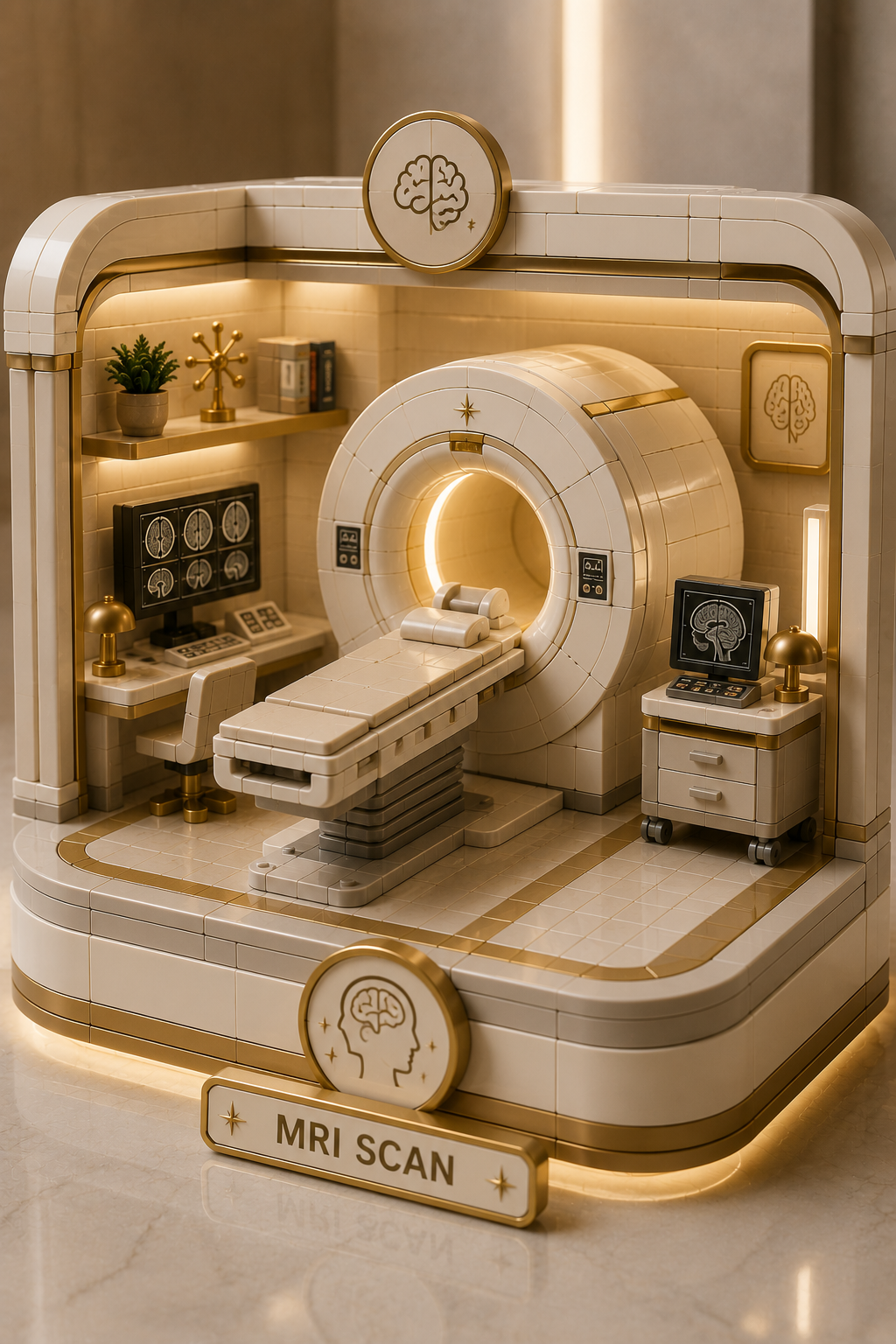
MRI
Magnetic Resonance Imaging (MRI) serves as a gold standard for noninvasively evaluating liver cirrhosis, capable of detecting structural liver changes, assessing stiffness, and identifying hepatocellular carcinoma. The imaging technique, which includes advanced methods like Magnetic Resonance Elastography (MRE), allows clinicians to map portal hypertension and evaluate tissue composition.
Ultrasound
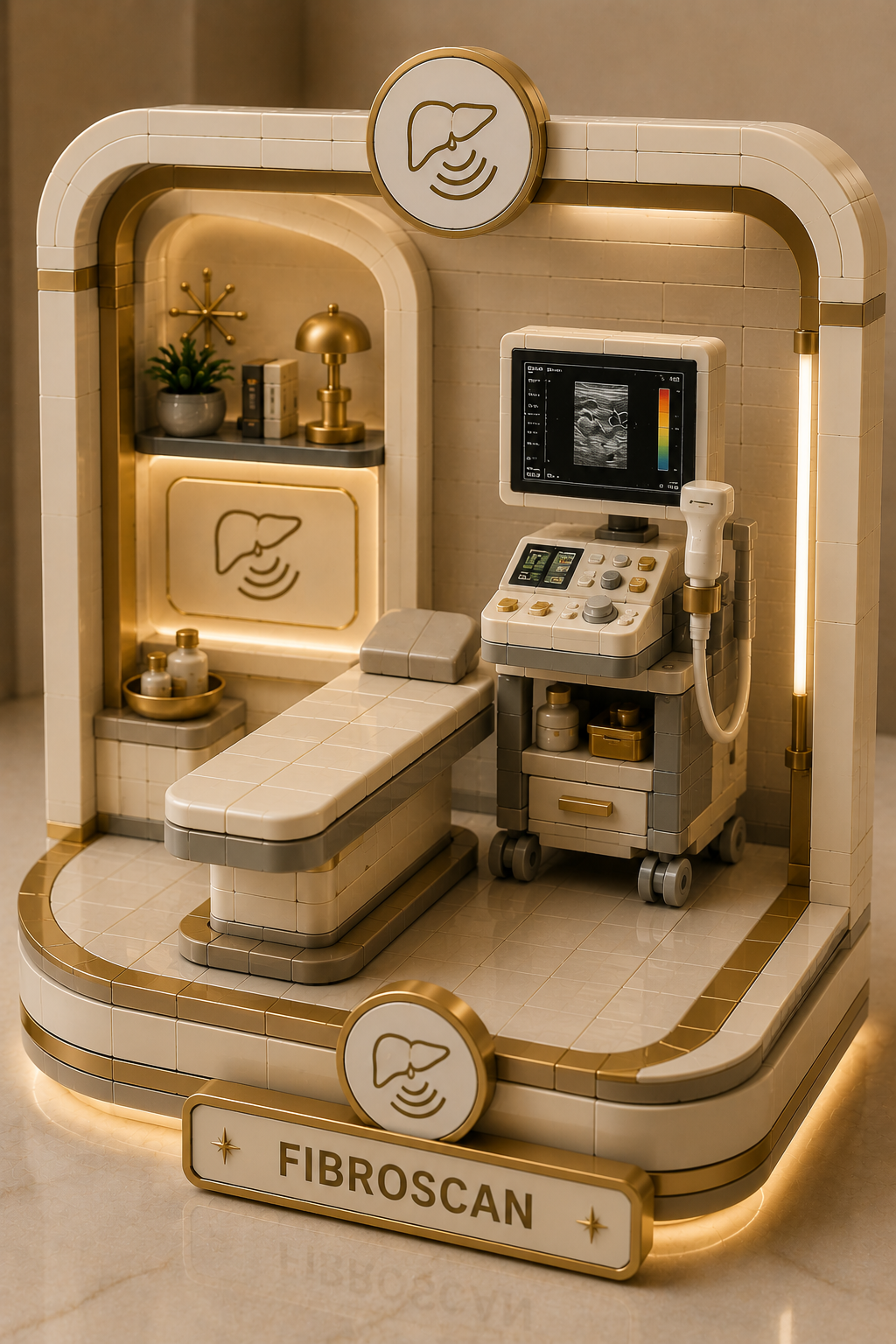
An ultrasound is the workhorse of liver imaging. It gives your care team a real-time look at your liver, blood flow, cancer risk, and fluid buildup—without radiation, needles, or downtime.
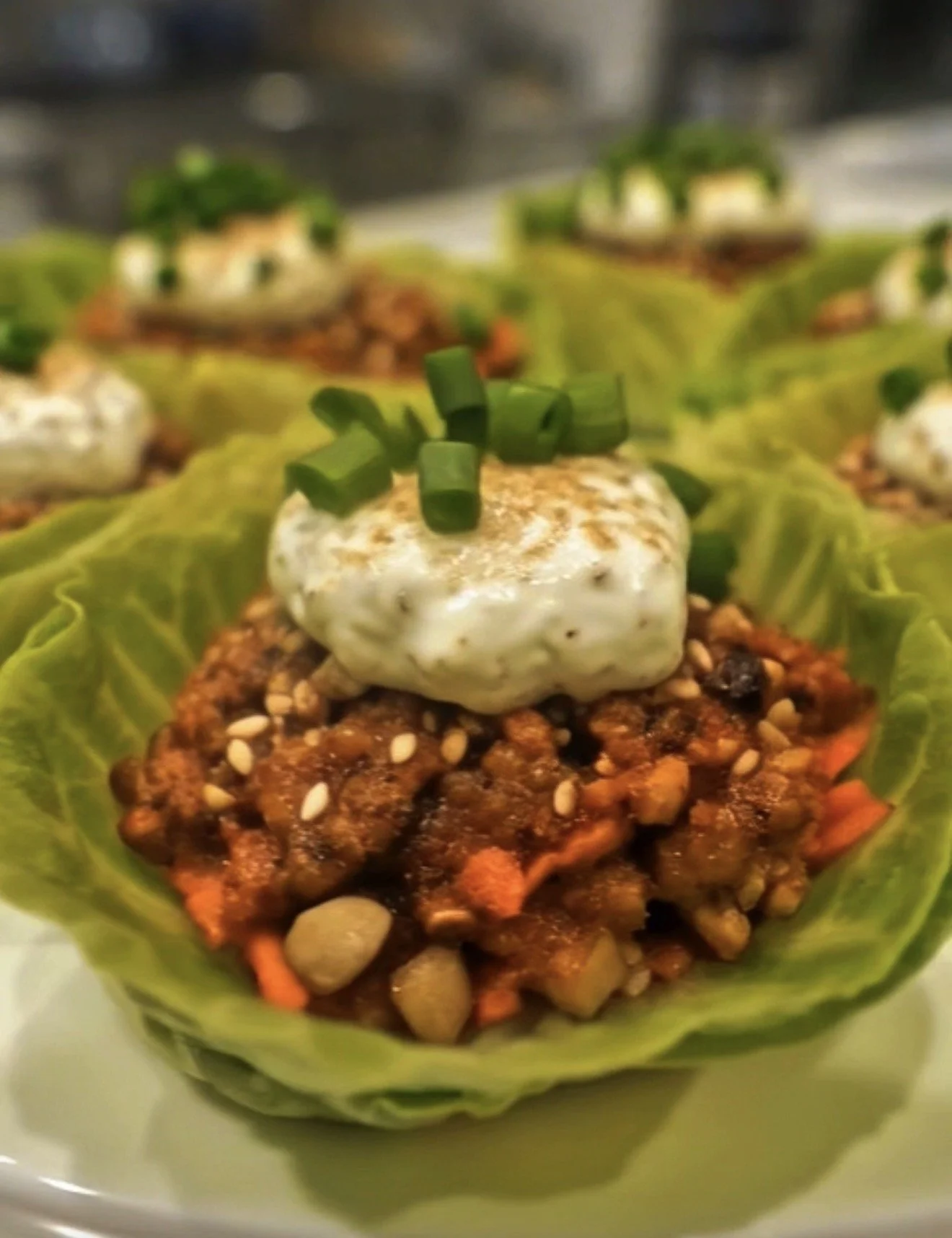
Cirrhosis Safe Cabbage Dumpling Cups
Forget boring salads and sodium-heavy takeout traps. By replacing high-sodium wrappers with crisp, nutrient-dense cabbage leaves and layering deep, authentic flavors with ginger, garlic, and zero-salt toasted sesame aroma, this recipe delivers a massive 19g of muscle-saving protein per cup while keeping sodium completely bottomed out.
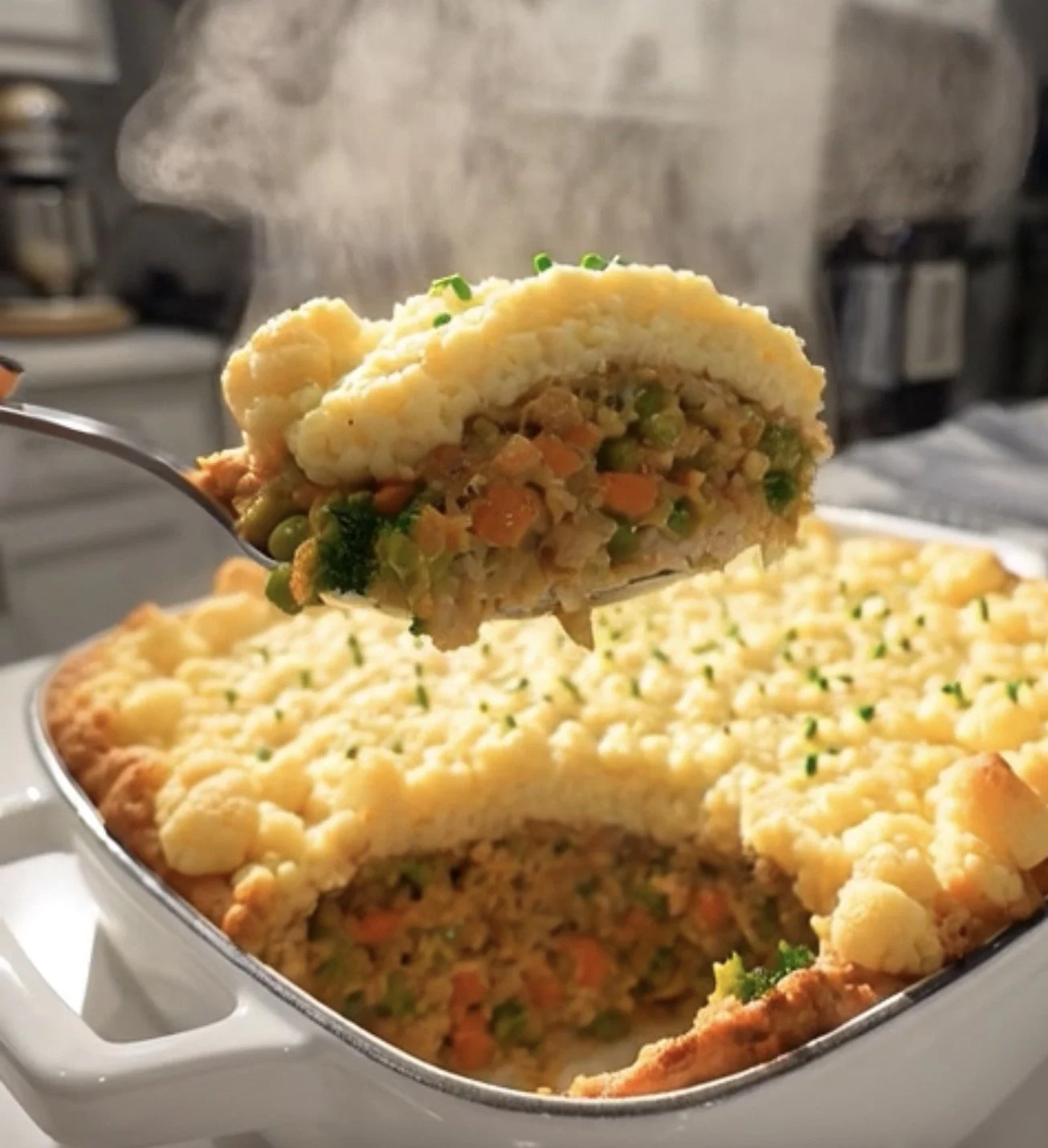
Cirrhosis Style Sheppard’s Pie
Think classic comfort food is a lost cause on a low-sodium diet? Think again. By swapping out heavy, buttery potatoes for a garlic-whipped, egg-white cauliflower mash and building a deeply savory gravy with zero-salt umami hacks, this recipe locks in nostalgic comfort while keeping your health frontline completely safe. It delivers a massive 28g of muscle-saving protein and keeps sodium strictly managed at an incredibly low ~150mg per serving.
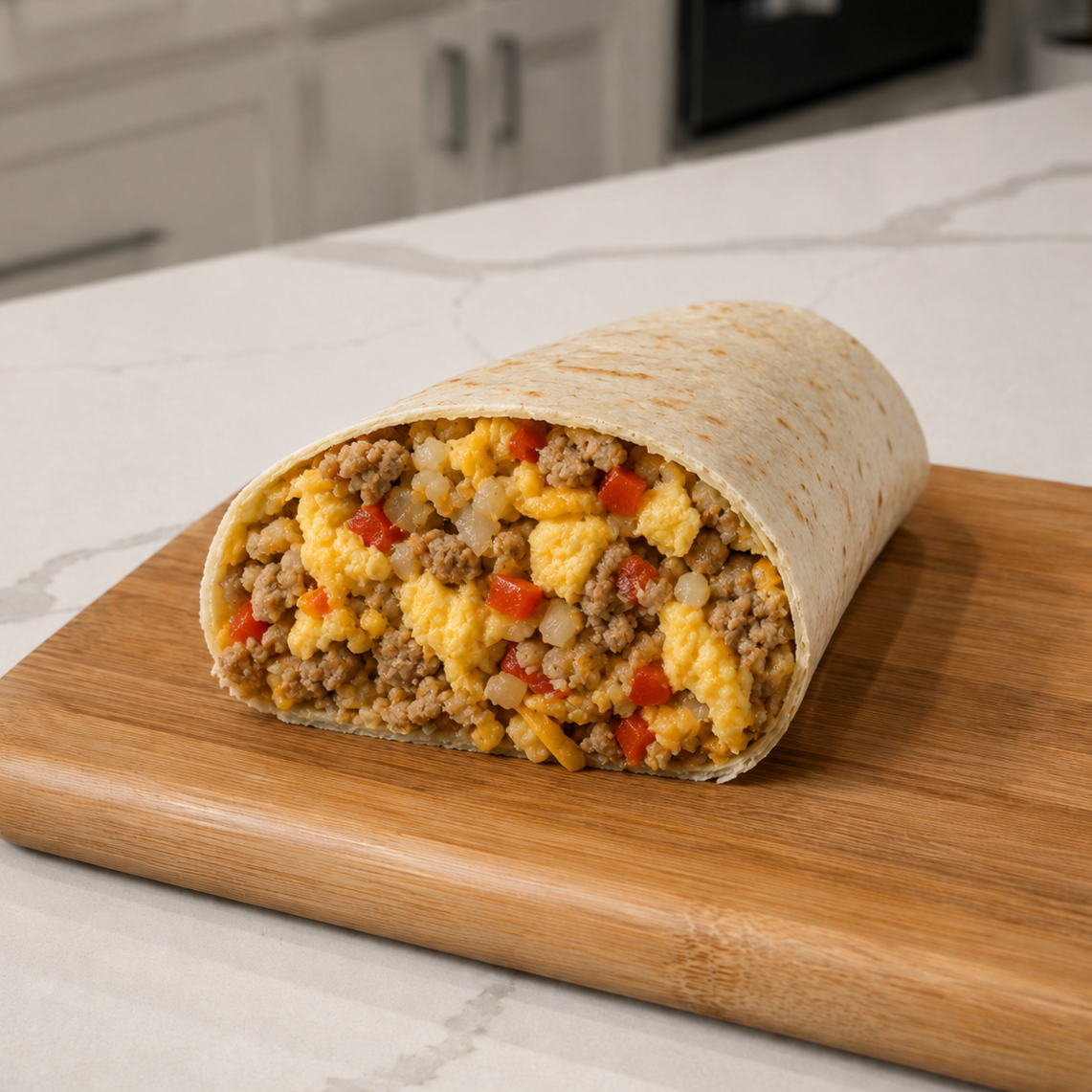
Cirrhosis Style “Sausage” Breakfast Burritos
This high-protein breakfast burrito cracks the code on liver-safe comfort food. Packed with muscle-preserving eggs, lean turkey sausage mimic, and smoky salt-free green chili, each freezer-friendly wrap hits a massive 35g of protein and keeps sodium strictly managed at ~300mg.
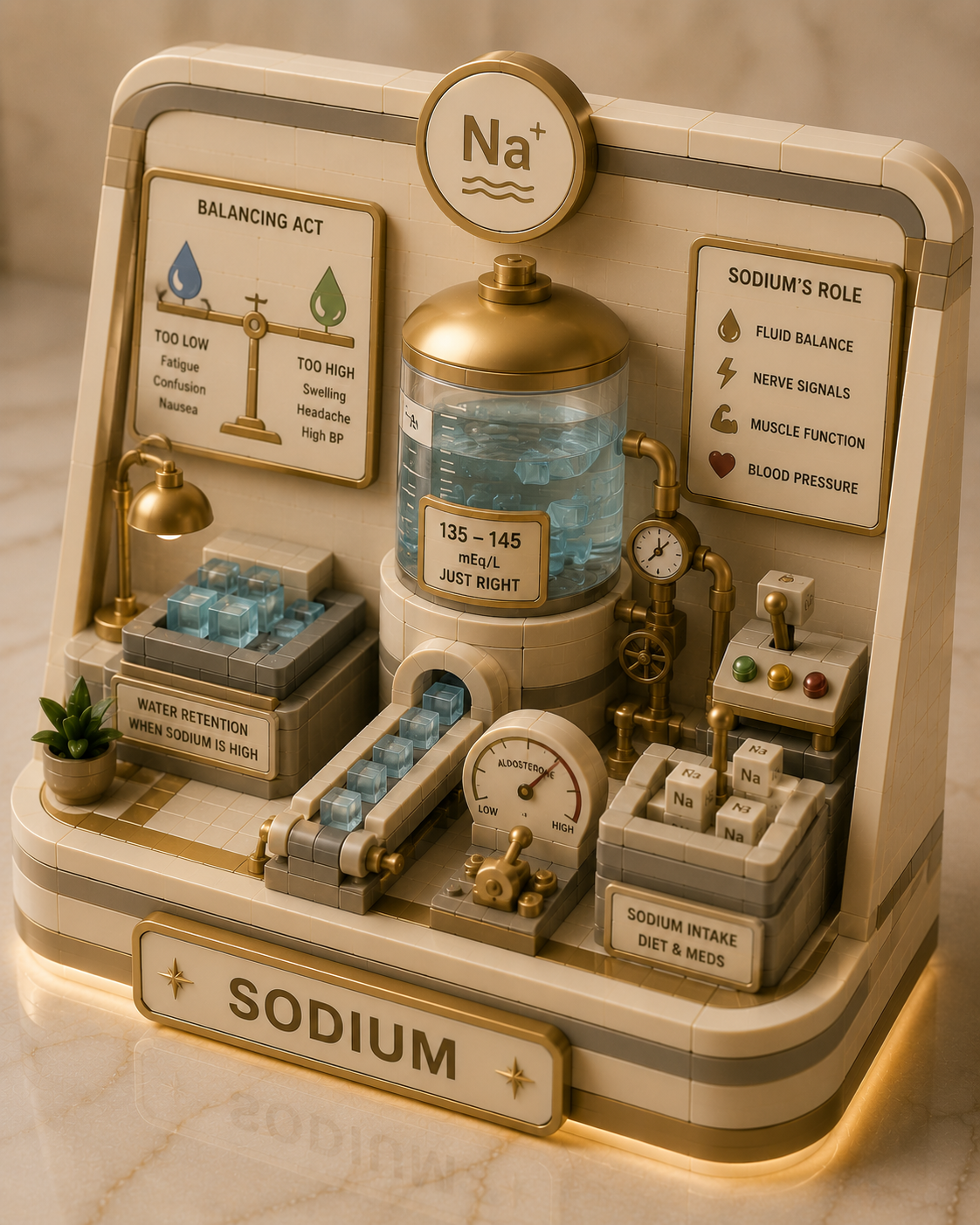
Sodium
Low serum sodium is not always about too little salt coming in. In cirrhosis, it can be about too much water being held in the body, which dilutes the sodium in the blood. The issue may not be that there is no sodium.
The issue may be that the sodium is spread through too much fluid.
And it is why the obvious answer — “just eat more salt” — is not necessarily the answer at all.
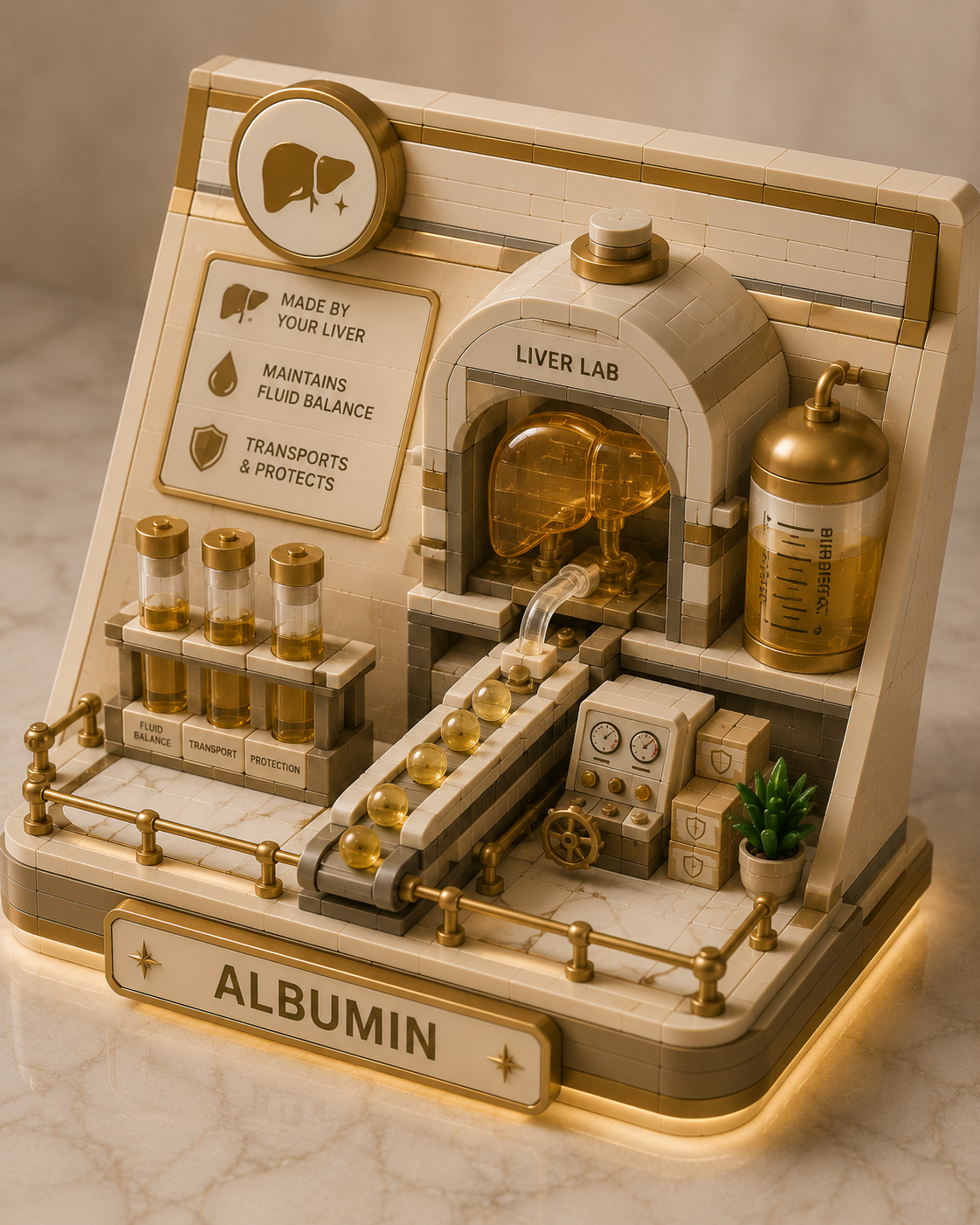
Albumin
Physicians look at your albumin level to evaluate the true "working power" or synthetic capacity of your liver . They also use albumin to understand your blood's oncotic pressure—the magnetic force that keeps fluid safely inside your blood vessels instead of leaking out into your tissues. When a hepatologist looks at your metabolic profile, they evaluate albumin as a directly measured metric alongside your "Total Protein" panel.
Platelets
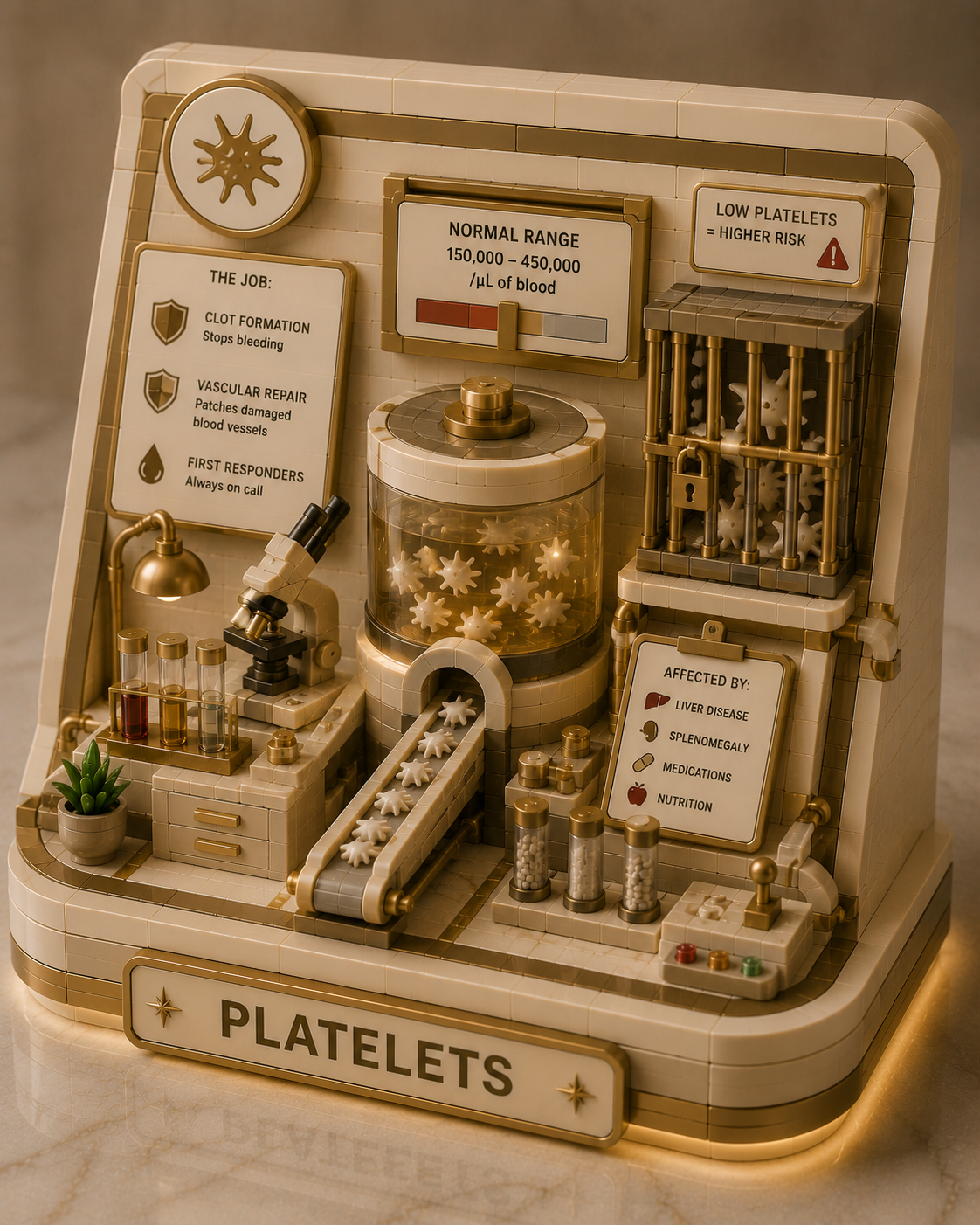
Platelets, legally termed thrombocytes, are tiny, disc-shaped cellular fragments manufactured within your bone marrow that circulate dynamically through the bloodstream. Their primary cellular responsibility is to aggregate and bind together at the site of a damaged blood vessel to form a physical haemostatic plug, halting active bleeding and initiating the cascade required for wound healing.
My Theory of Relativity
Maybe this is my theory of relativity.
Not Einstein’s.
Mine.
Delivered, ironically, by relatives.
Because there is a specific kind of measurement only people who knew you before can take.
Zinc
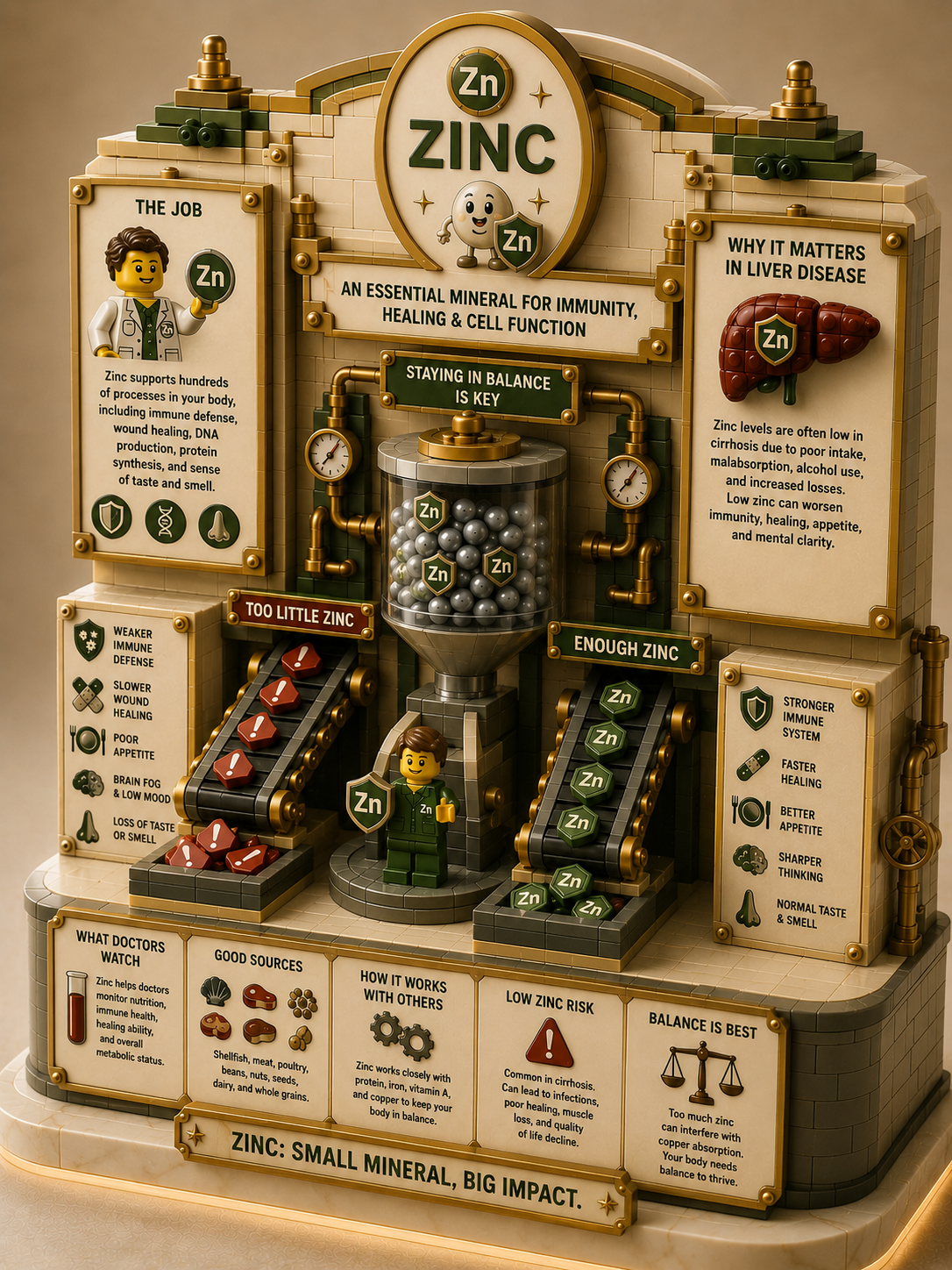
Zinc was not just a random vitamin aisle cameo. It is part of a larger system: muscle function, nutrition, immune health, ammonia metabolism, and the complicated machinery of HE. Not a magic answer. Not a cure.
Not something to start throwing into your body without a doctor.
And the frustrating part was that zinc did not live alone. It had neighbors. Magnesium. Calcium. Potassium. Copper. Kidney function. Medications. Diarrhea. Diuretics. Absorption. All these tiny variables tugging on the same electrical panel.
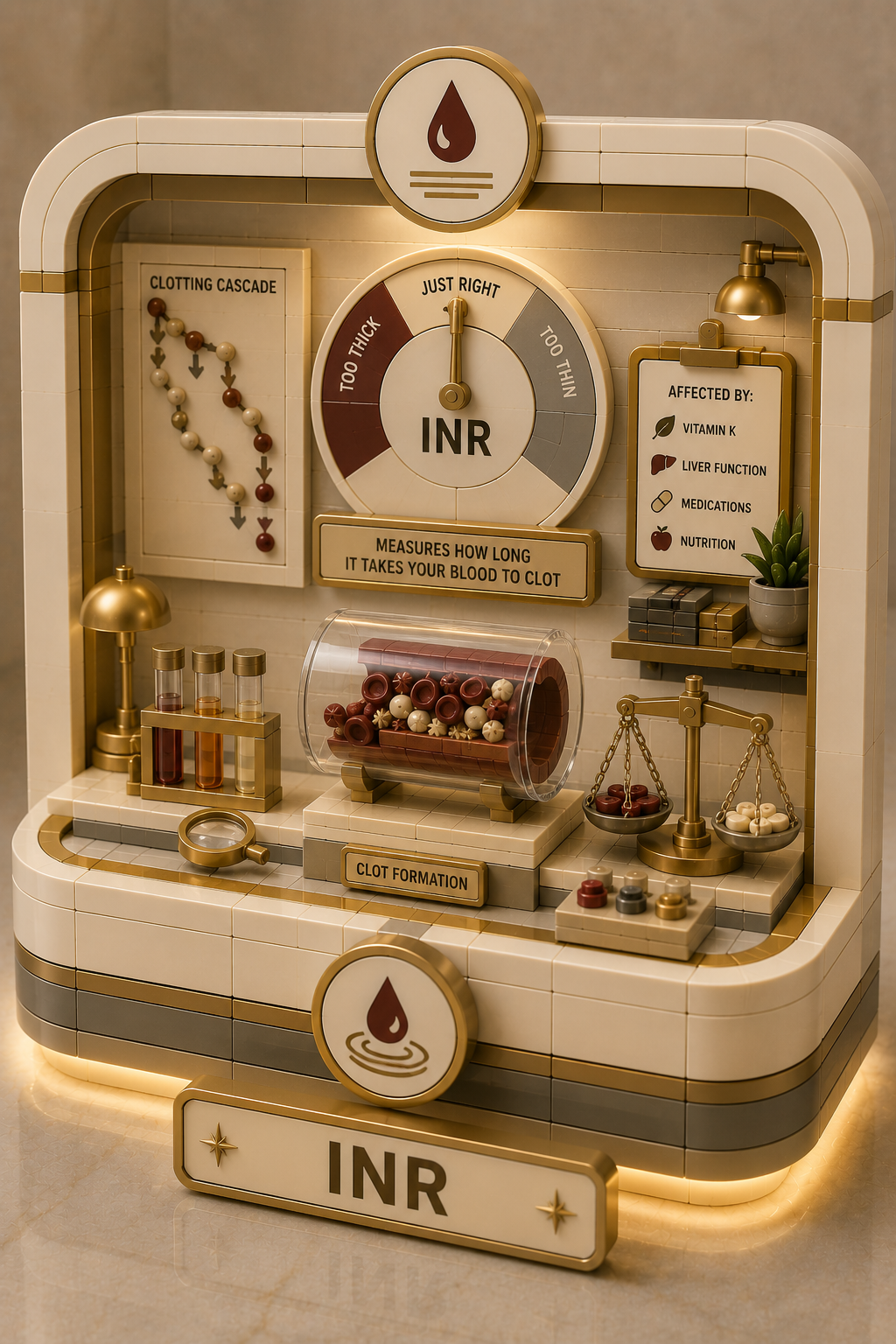
INR - International Normalized Ratio
The INR test is a standardized laboratory calculation derived from a Prothrombin Time (PT) blood test. Prothrombin time measures exactly how many seconds it takes for the liquid portion of your blood, or plasma, to form a solid clot
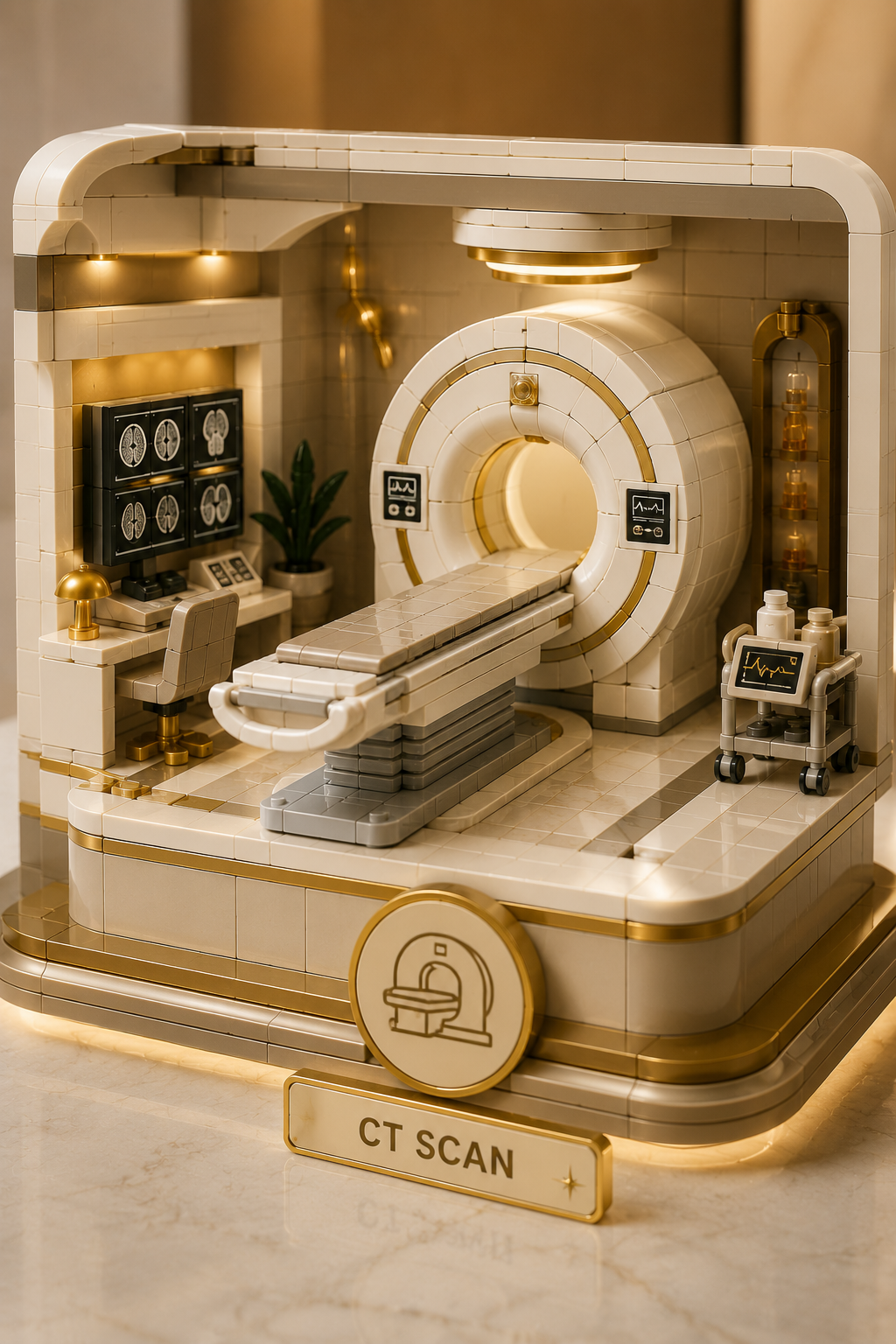
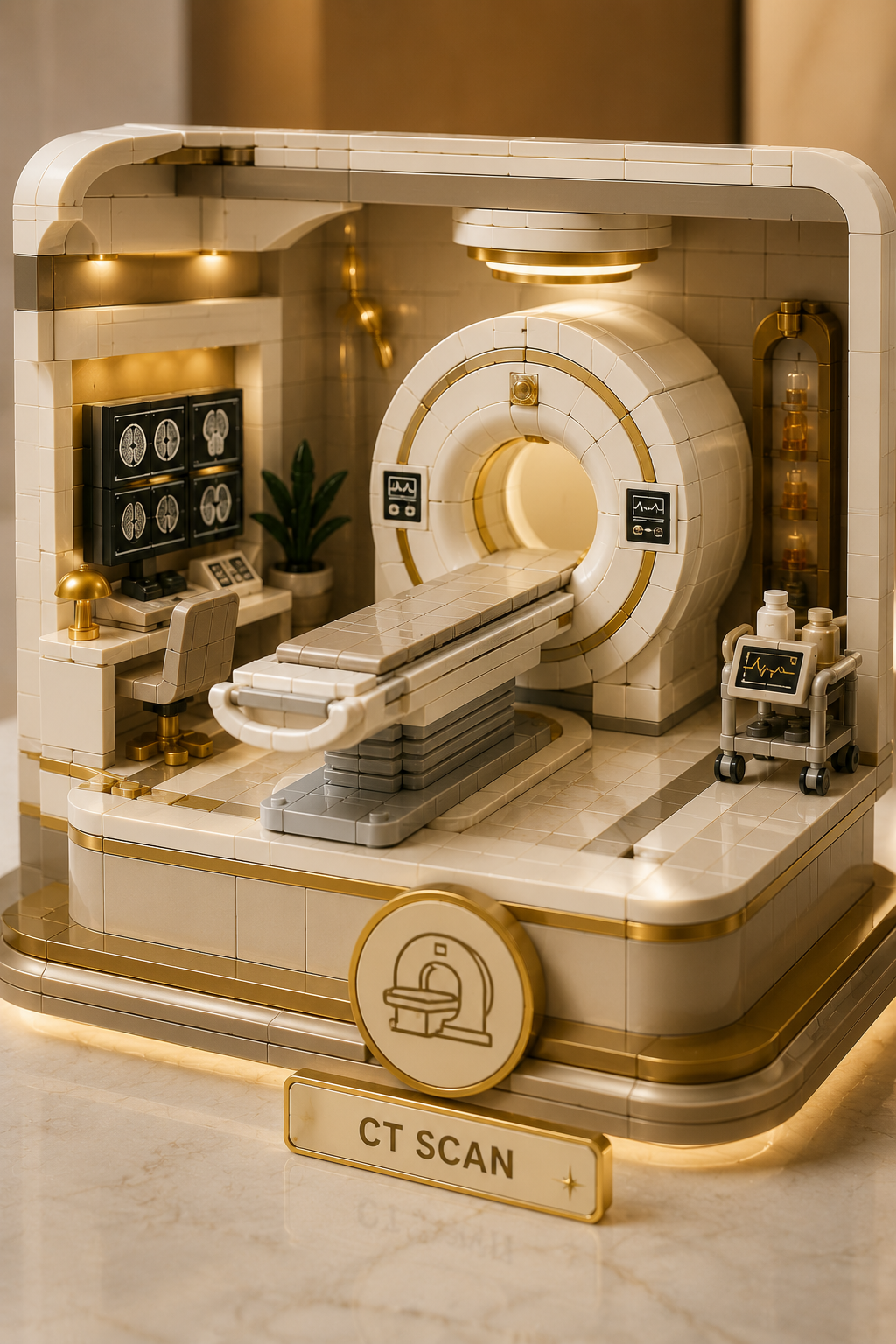
CT Scans
A Computed Tomography, or CT, scan is a non-invasive diagnostic imaging procedure that combines a series of X-ray images taken from multiple angles around your body. Advanced computer processing merges these slices to create highly detailed, cross-sectional three-dimensional images of your internal soft tissues, organs, and blood vessels. Read more about the “donut camera”…

The Faces of Cirrhosis
But I think the most important line is this:
I thought I knew a lot about cirrhosis until I met the faces of cirrhosis.
And that is the part that changed me.
Not just the science.
Not just the labs.
Not the whole awful alphabet soup of trying to understand a disease that can rearrange your life without asking permission.
It was the faces. The people. The stories.
The way one diagnosis can hold a thousand different lives inside it.

What Are You Afraid Of?
Tell me.
What are you afraid of?
What is your biggest fear?
And is it still the same?
I’ll tell you mine.
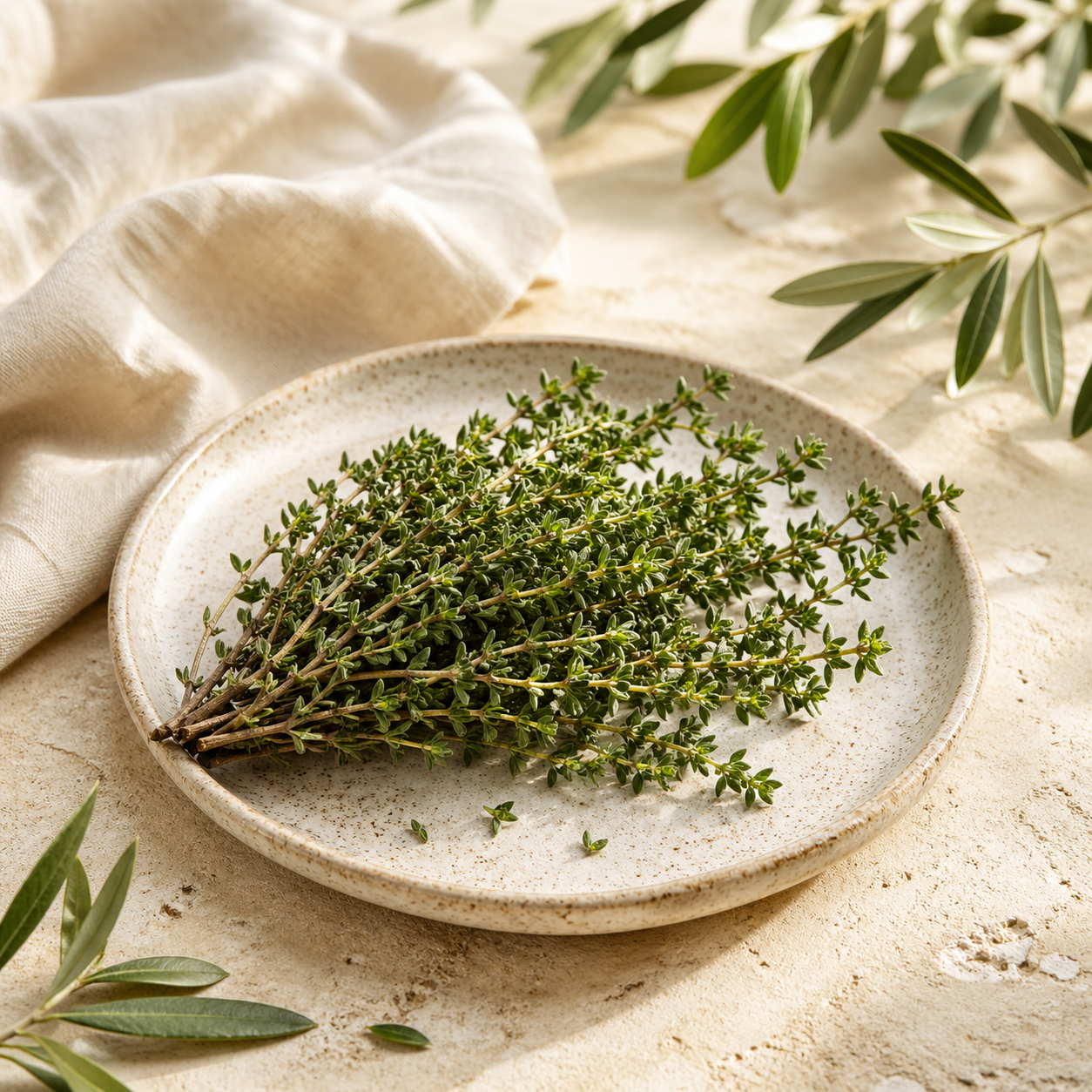
Thyme
In the rigorous nutritional management of liver cirrhosis, Thyme (Thymus vulgaris) is a high-potency "biological purifier." For individuals navigating the complexities of a scarred liver, thyme offers a unique concentration of thymol and carvacrol. These specific volatile oils act as a frontline defense for the gut-liver axis, suppressing the overgrowth of harmful bacteria that produce the ammonia and toxins that overwhelm a compromised hepatic system. By acting as a natural antiseptic and a powerful antioxidant, thyme help protect remaining healthy liver cells from the oxidative "rust" that drives the progression of fibrosis.
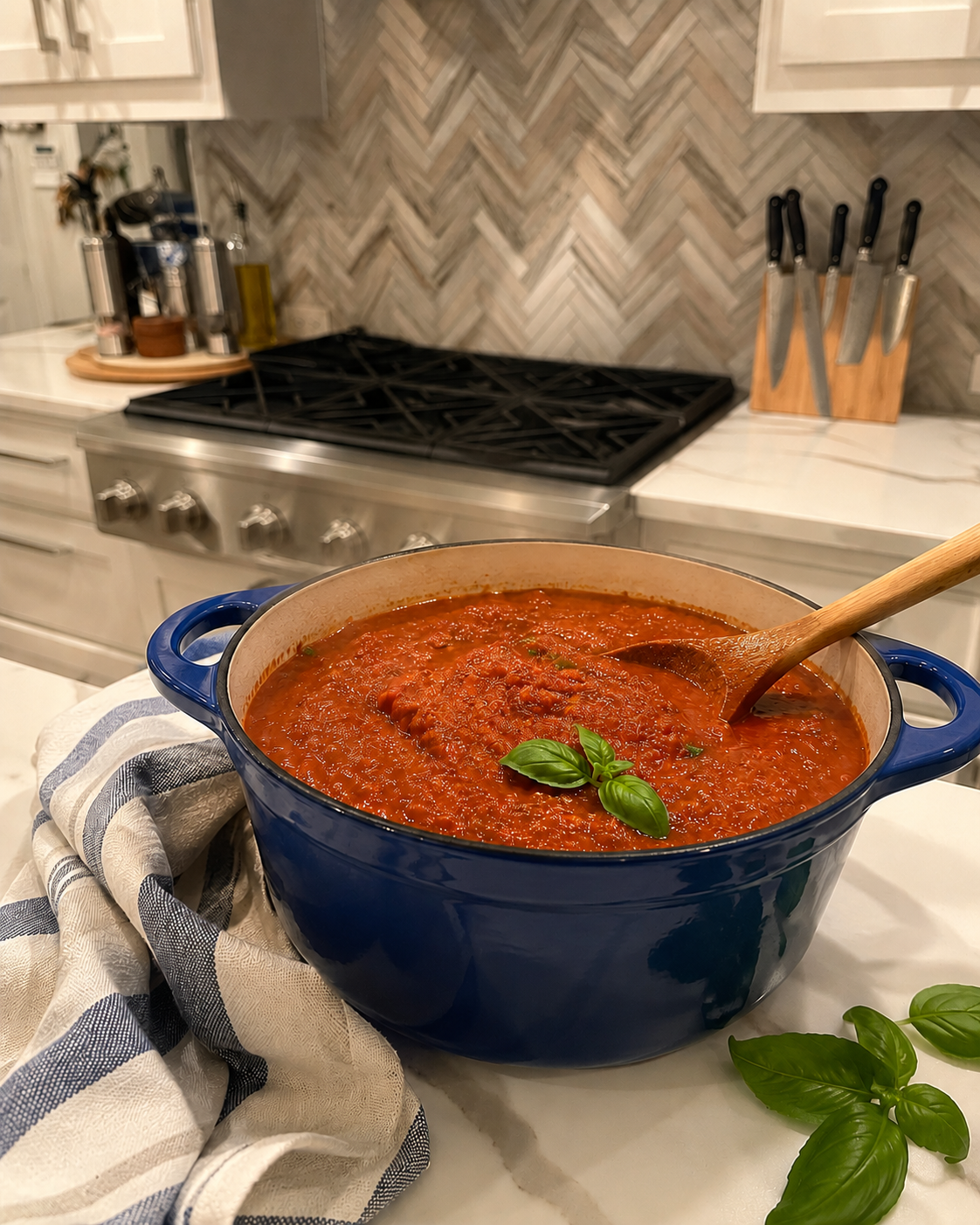
Low-Sodium Cirrhosis Safe Marinara Sauce
The absolute hardest thing to recreate in a traditional Italian tomato sauce without a salt shaker is structural depth. Standard canned tomato sauces rely heavily on added sodium to cut through the natural metal-sharp acidity of the tomato fruit. In our household, I live with a man I love completely—but he is a staunch supporter of the Red Sauce Society. Let’s just put it that way: I make a lot of marinara!
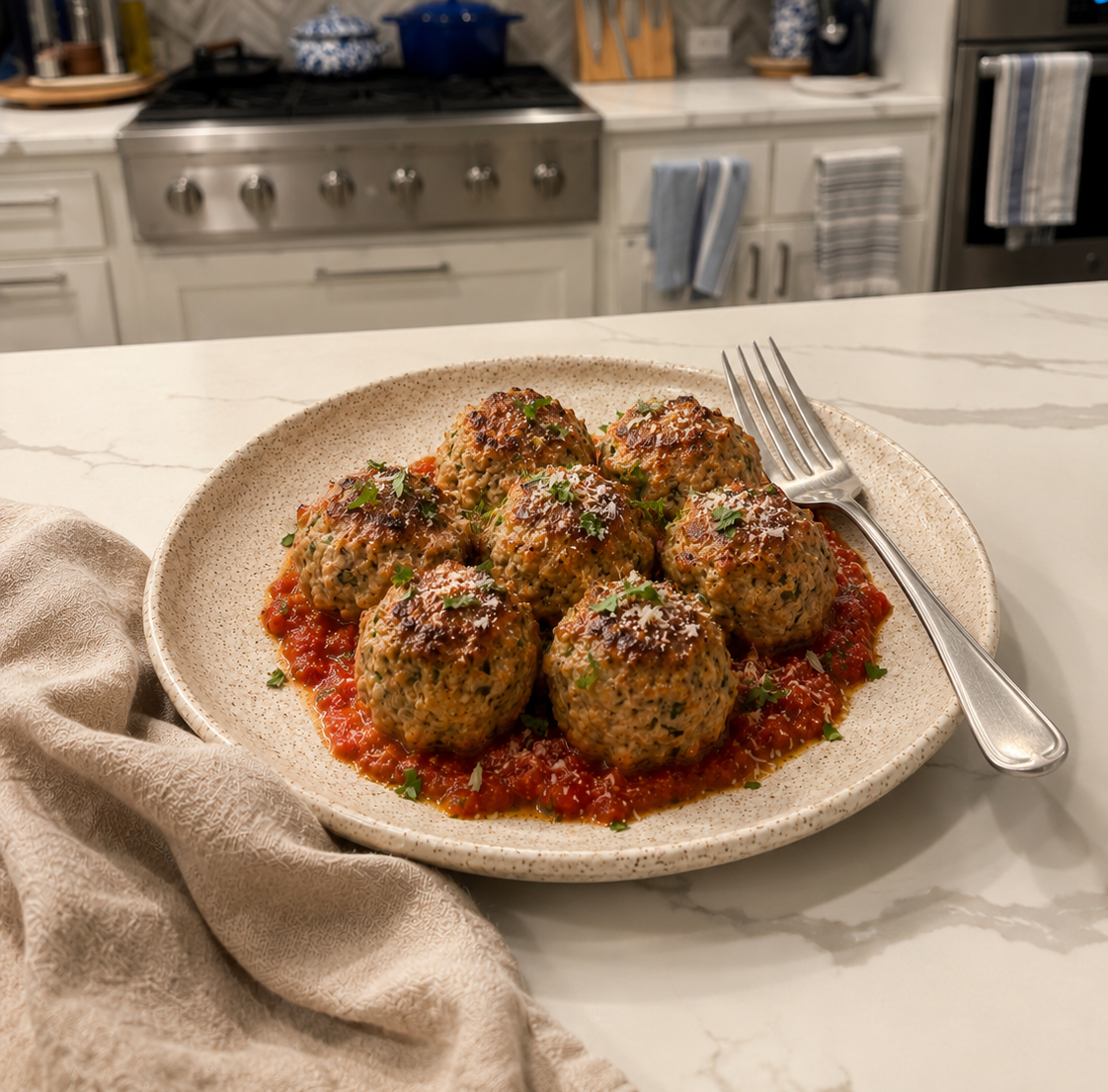
Cirrhosis-Style "Sausage" Meatballs
The hardest part of a liver-friendly diet is missing the deeply comforting, savory flavors we used to take for granted—especially frozen or processed Italian sausage, which is completely off-limits due to massive sodium and fat content. The secret to recreating that exact, unmistakable "sausage" warmth without a single grain of salt or a gram of pork is whole fennel seeds. When paired with high-quality lean poultry and nutty Swiss cheese, it completely tricks your palate into thinking you are eating a traditional, restaurant-quality Italian meatball.

Cinematically Sick - Cirrhosis, Hair Loss & Curls?
One thing about me is that, believe it or not, I have never been a particularly vain person. Was I in a sorority? Yes. Have I always worn makeup? Also yes. But my hair? Absolutely not. I am, with deep respect to myself, one of the least skilled full heads of hair this side of the Mississippi.
Which makes the hair loss even stranger emotionally. Because it was not about being precious with my blowout routine. There was no blowout routine. There was barely a routine at all. But hair still becomes part of your identity, even when your bad hair days are part of your brand. And when mine started falling out, it felt like the disease had finally learned my name.