
-
Community
-
Levity
-
Nutrition
-
Support
-
Recommendations
-
Education
-
Advocacy
-
Compassion
- Community - Levity - Nutrition - Support - Recommendations - Education - Advocacy - Compassion
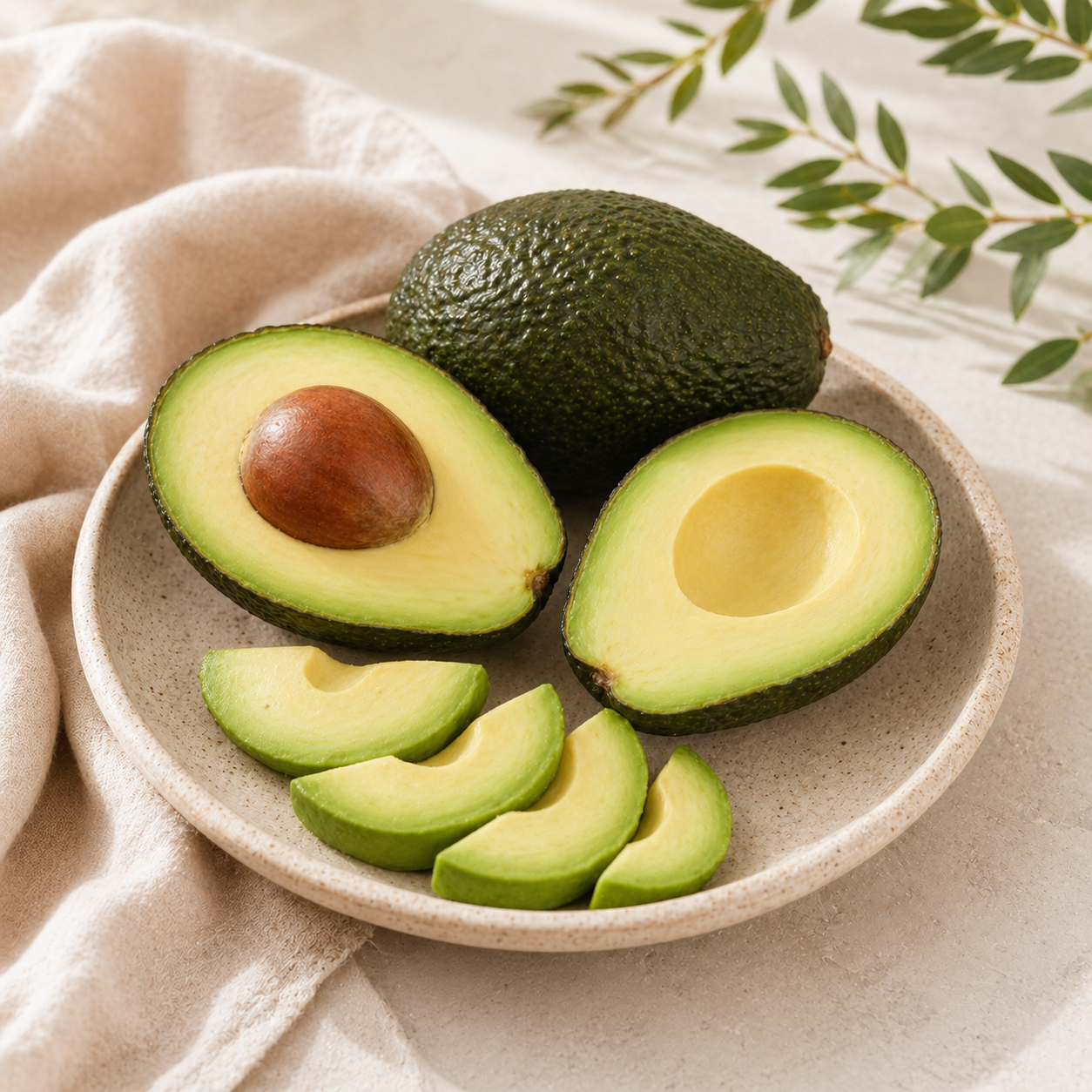
Avocado
Avocados: The "Emerald Shield" for Cellular Repair and Glucathion Boosting
In the strategic nutritional management of liver cirrhosis, the Avocado (Persea americana) stands as a premier medicinal fat. For individuals navigating the complexities of a scarred liver, the primary clinical threat is oxidative stress and systemic inflammation that accelerates the transition of healthy cells into fibrous tissue. Avocados offer a unique concentration of monounsaturated oleic acid, glutathione precursors, and Vitamin E. These specific compounds act as a biological "lubricant," helping to repair damaged cell membranes while providing a powerful antioxidant suit of armor that slows the progression of fibrosis.
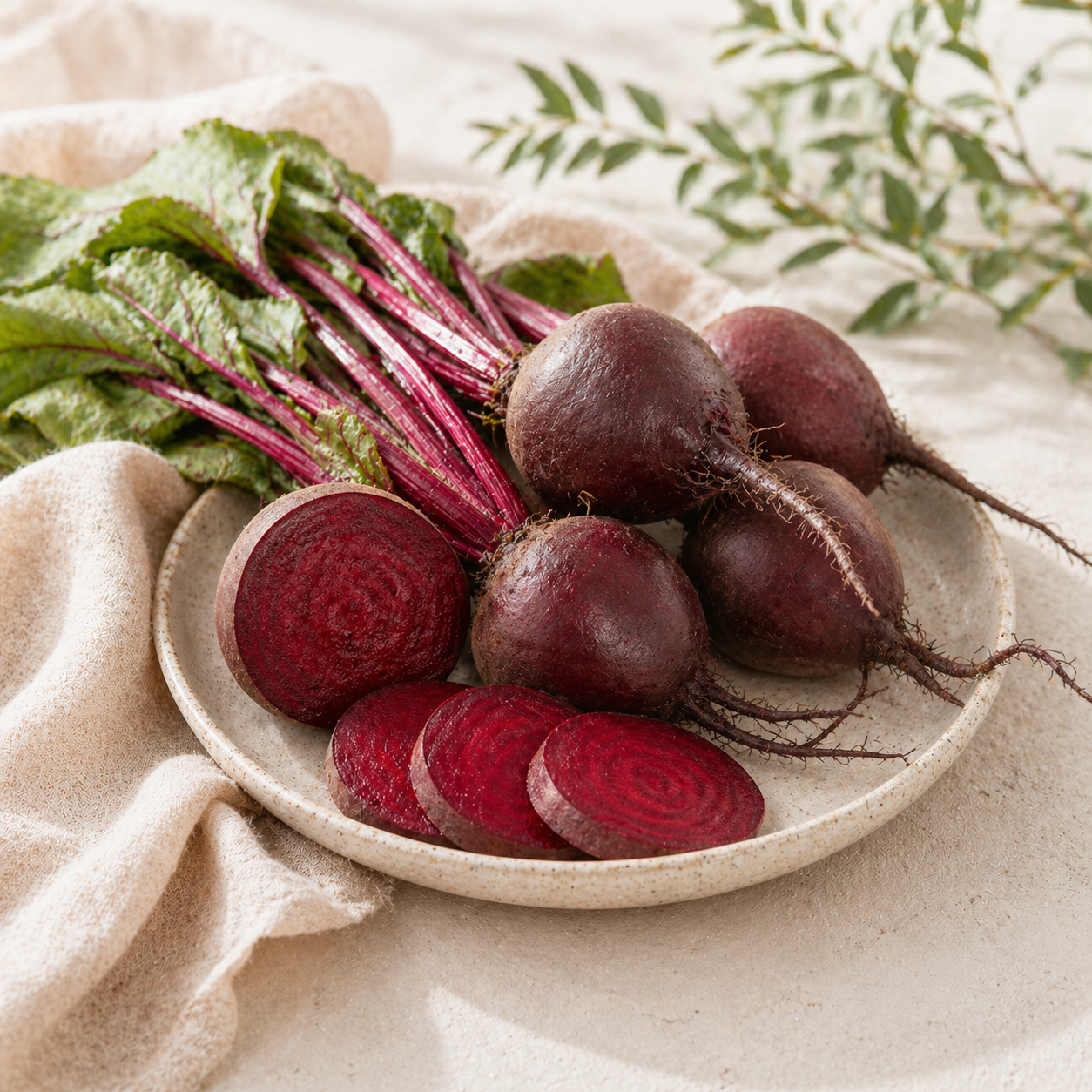
Beets
Beets: The "Vibrant Alchemist" for Fat Export and Bile Flow
In the strategic nutritional management of liver cirrhosis, Beets (Beta vulgaris) stand as a premier functional food for internal purification. For individuals navigating the complexities of a scarred liver, the primary clinical threat is hepatic steatosis (fat accumulation) and cholestasis (sluggish bile flow). Beets offer a unique concentration of betaine and betalains. These specific phytochemicals act as a biological "detergent," helping the liver export accumulated fats while stimulating the rhythmic flow of bile to flush toxins that drive the progression of fibrosis.
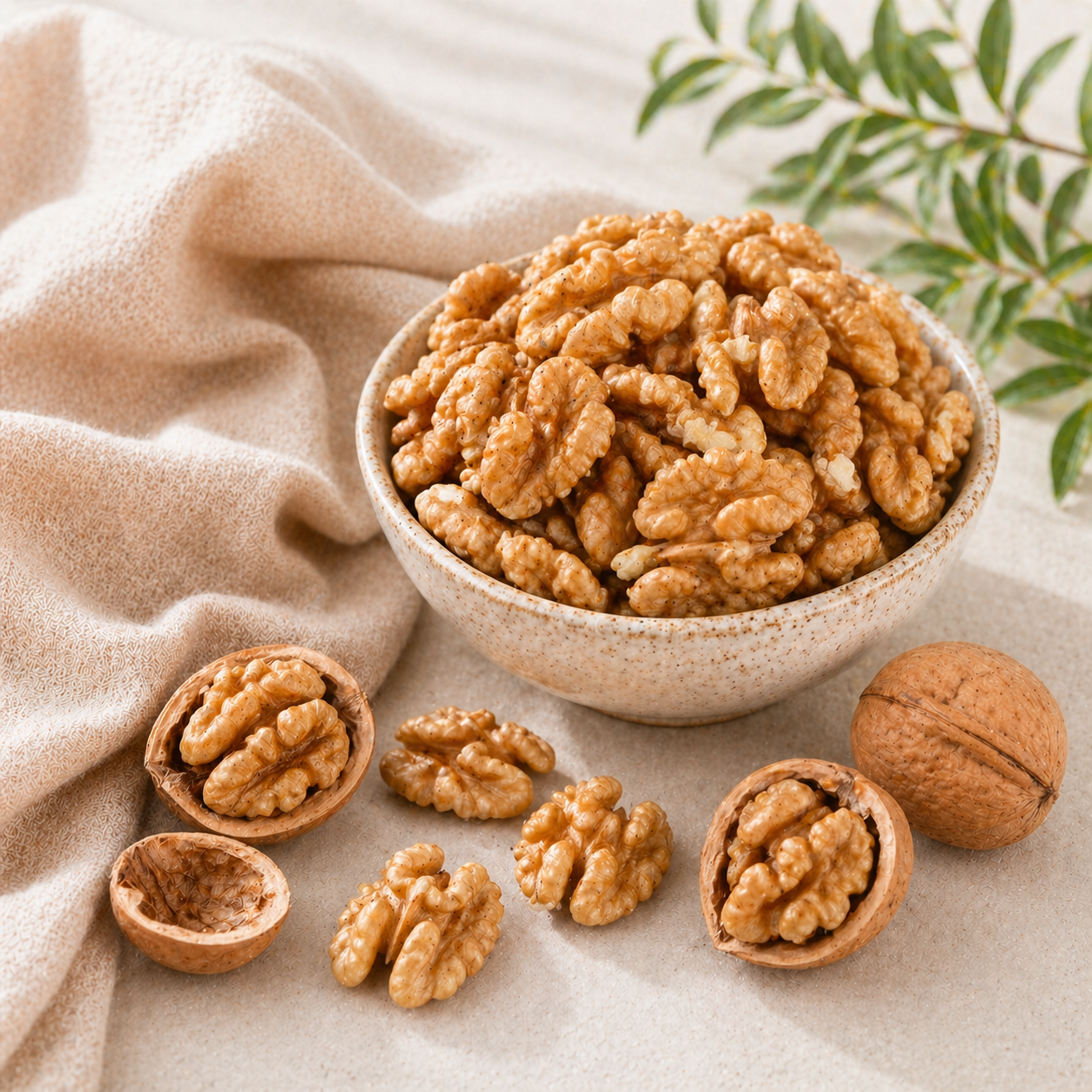
Walnuts
Walnuts: The "Ammonia-Detox Alchemist" for Brain Health and Liver Repair
In the strategic nutritional management of liver cirrhosis, Walnuts (Juglans regia) stand as the premier medicinal nut. For individuals navigating the complexities of a scarred liver, the primary clinical threats are Hyperammonemia (toxic levels of ammonia) and Hepatic Encephalopathy (liver-related brain fog). Walnuts offer a unique concentration of the amino acid arginine, Omega-3 fatty acids (alpha-linolenic acid), and glutathione. These specific compounds act as a biological "cleansing crew," assisting the liver in the conversion of toxic ammonia into urea while providing a powerful anti-inflammatory shield that slows the progression of fibrosis.
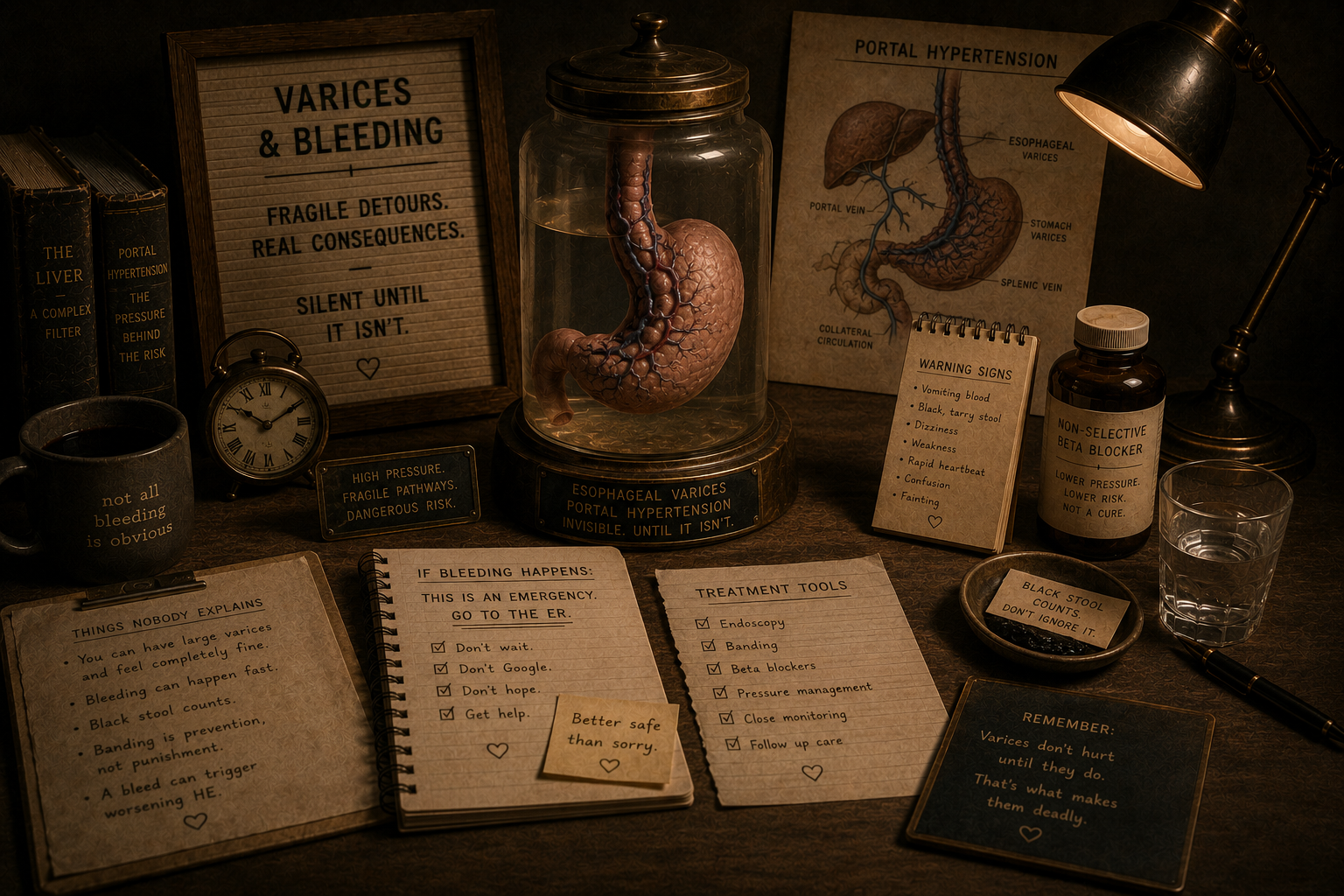
Varices & Bleeding
Esophageal varices are a silent and serious consequence of chronic liver disease where high portal vein pressure forces blood into fragile stomach and esophagus veins. These swollen vessels cause zero internal pain but carry a high risk of rupture and severe internal bleeding. Explore how proactive medical steps like regular screening endoscopies, preventive banding, and beta-blockers save lives.

Ascites
Severe liver scarring and high portal blood pressure can cause ascites, a rapid and painful accumulation of fluid inside the abdominal cavity. This condition goes far beyond normal bloating, causing intense pressure, breathing difficulties, and poor appetite. Explore how medical interventions like therapeutic paracentesis drainage, low-sodium meal planning, and diuretics provide relief.
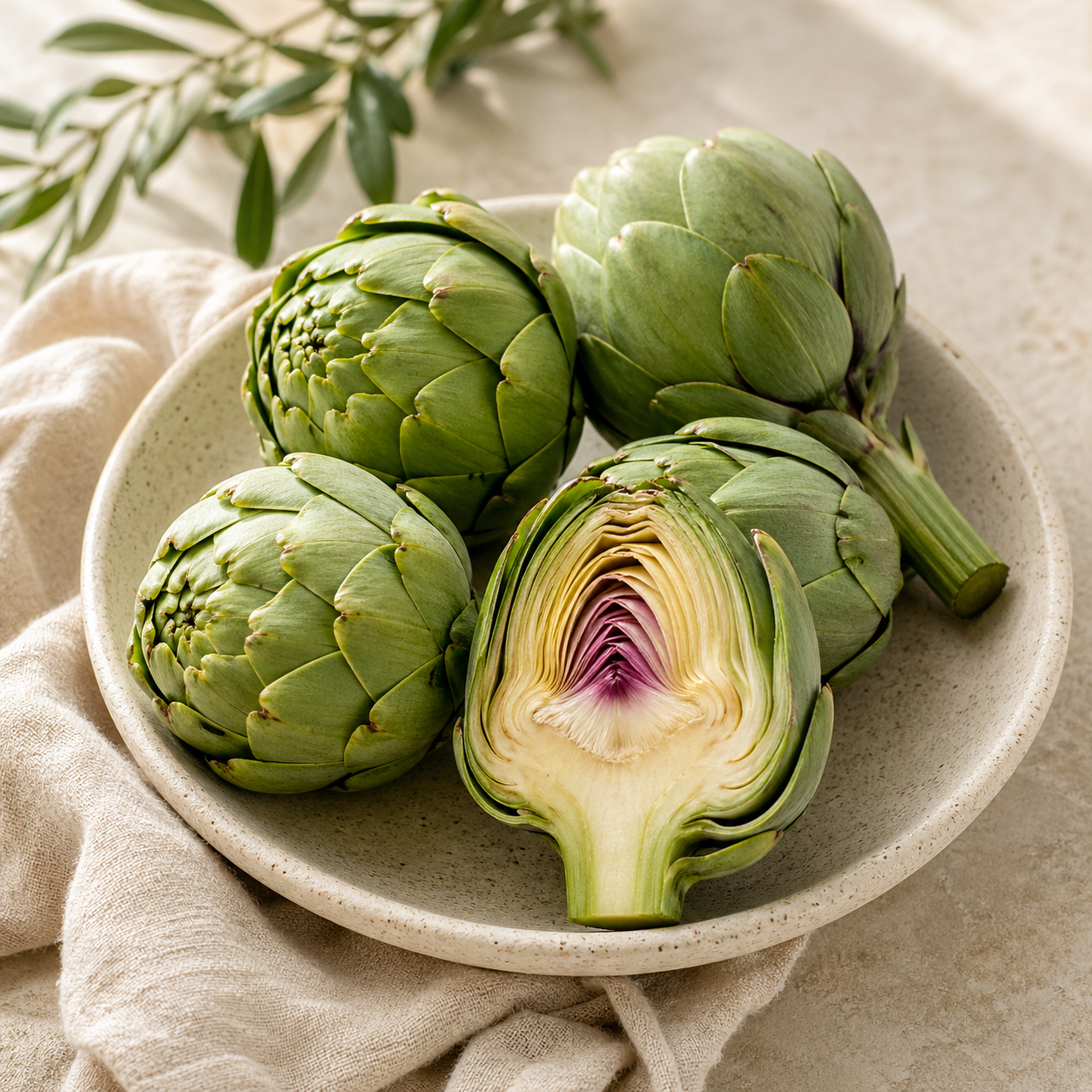
Artichokes
Artichokes: The "Spiny Shield" for Bile Production and Liver Cell Shielding
In the strategic nutritional management of liver cirrhosis, the Artichoke (Cynara cardunculus var. scolymus) is a biological titan. For individuals navigating the complexities of a scarred liver, the primary clinical threats are cholestasis (stagnant bile flow) and the accumulation of environmental toxins that accelerate fibrosis. Artichokes offer a unique concentration of two potent phytochemicals: cynarin and silymarin. These specific compounds act as a biological "pump," stimulating the liver to produce and secrete bile while providing a powerful antioxidant shield that protects remaining healthy hepatocytes from oxidative "rust."