
Thyme
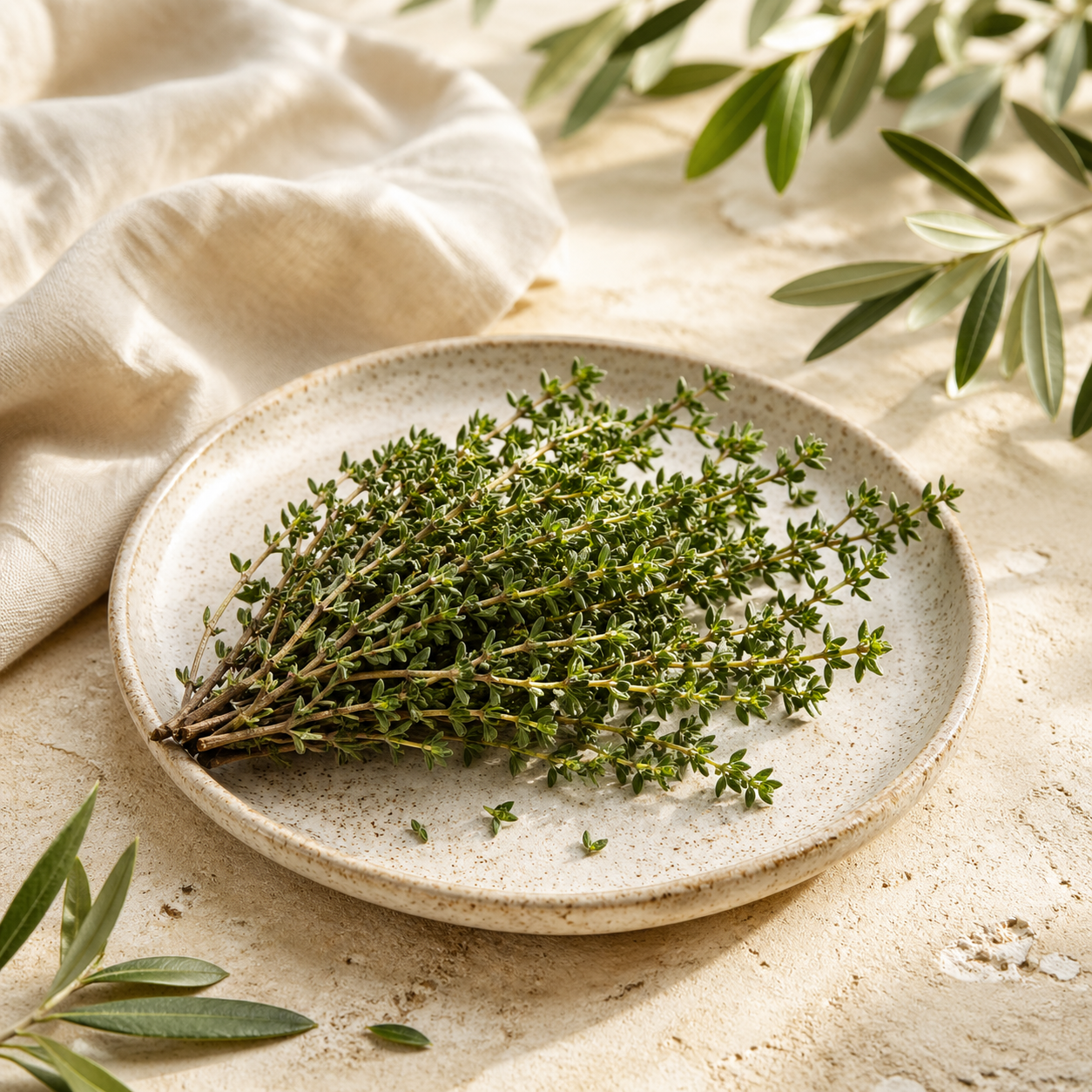
Thyme: The "Guardian of Strength" for Microbial Defense and Liver Resilience
In the rigorous nutritional management of liver cirrhosis, Thyme (Thymus vulgaris) is a high-potency "biological purifier." For individuals navigating the complexities of a scarred liver, thyme offers a unique concentration of thymol and carvacrol. These specific volatile oils act as a frontline defense for the gut-liver axis, suppressing the overgrowth of harmful bacteria that produce the ammonia and toxins that overwhelm a compromised hepatic system. By acting as a natural antiseptic and a powerful antioxidant, thyme help protect remaining healthy liver cells from the oxidative "rust" that drives the progression of fibrosis.
A Voyage Through Time: The "Essence of Courage" and the Medieval Protector
The history of thyme is a 4,000-year saga of human trust in a plant whose very name is synonymous with courage and vitality. Its name is derived from the Greek thymos, meaning "to fumigate" or "courage."
The Sumerian Antiseptic: As early as 3000 BCE, the ancient Sumerians utilized thyme as a primary medicinal plant. It was among the first recorded "antiseptics" in human history, used to clean wounds and purify internal systems long before the discovery of bacteria.
The Egyptian Embalmer's Secret: The ancient Egyptians integrated thyme into their sophisticated mummification rituals. They recognized that thyme’s high concentration of thymol was exceptionally effective at preventing decay—a biological property we now know protects the liver’s cellular structure from premature failure.
The "Kingly" Roman Bath: To the Romans, thyme was the ultimate symbol of vigor. Roman soldiers would bathe in thyme-infused water before battle to instill "thymos" (bravery). Roman physicians prescribed thyme to treat liver ailments and as an antidote to poisoning, believing it could "shred" toxins within the digestive tract.
The Knight’s Embroidered Bloom: In medieval Europe, ladies would embroider a sprig of thyme and a honeybee on the scarves of knights departing for the Crusades. It was believed that the scent of thyme would keep the spirit "strong and clear" during periods of intense physical and mental stress—a traditional intuition that aligns with thyme’s modern role in supporting cognitive clarity.
Why Thyme is a "Liver-Specific" Superfood
For a patient with cirrhosis, the liver faces constant threats from gut-derived toxins and chronic inflammation. Thyme provides targeted support to keep the remaining healthy tissue functional.
1. Thymol: The Natural Microbial Shield
The primary active compound in thyme, thymol, is a potent antimicrobial agent. In a cirrhotic liver, "leaky gut" can allow harmful bacteria to escape into the portal vein and travel directly to the liver. Research published in the National Institutes of Health (PMC) demonstrates that thymol can help inhibit the growth of pathogenic bacteria while protecting beneficial gut flora. By "sanitizing" the gut, thyme reduces the toxic load the liver must filter.
2. Carvacrol and Anti-Fibrotic Defense
Like its relative oregano, thyme is rich in carvacrol. This compound has demonstrated significant anti-inflammatory and anti-fibrotic properties. By neutralizing free radicals and dampening inflammatory signaling, carvacrol helps prevent the activation of hepatic stellate cells, potentially slowing the accumulation of scar tissue that characterizes the progression of cirrhosis.
3. Stimulating "Deep" Detoxification
Thyme acts as a natural expectorant and stimulant for the lymphatic and biliary systems. By encouraging the liver to produce and secrete bile, thyme ensures that waste products and fat-soluble toxins are moved efficiently out of the organ and into the digestive tract for removal, preventing the "sludge" (cholestasis) that can irritate scarred tissue.
4. Rosmarinic Acid and DNA Protection
Thyme contains high levels of rosmarinic acid, a powerful antioxidant that protects cellular DNA. In a cirrhotic liver, where cells are constantly under stress, this protection is critical for preserving the genetic integrity and functional capacity of the healthy tissue you have left.
Winning Combos
Since cirrhosis requires a strict low-sodium diet to manage fluid retention (ascites), thyme’s intense, earthy, and slightly minty flavor is a critical tool for creating "depth" without the salt shaker.
The "Guardian’s Roast" (Thyme + Garlic + Lemon + Olive Oil): This is the gold standard of liver-safe marinades. Use it on chicken or salmon. The garlic provides sulfur for detox, and the lemon stimulates bile flow.
The "Andean Purity Bowl" (Thyme + Quinoa + Lentils): Toss fresh thyme into a warm quinoa and lentil stew. The lentils provide plant-based protein to fight muscle wasting, and the thyme protects the gut-liver axis.
The "Savory Zest" (Thyme + Beets + Walnuts): Roast beets with fresh thyme and crushed walnuts. The walnuts help the liver flush ammonia, and the beets stimulate bile flow.
The "Omega Topper" (Thyme + Apples + Almond Flour): Use thyme in an almond flour crust for sautéed apples. The apple's pectin helps flush toxins, and the thyme-almond combo provides an antioxidant shield.
Nifty Prep Tools for the Liver-Friendly Kitchen
To keep your "Guardian of Strength" fresh and unlock its medicinal oils, these Amazon tools are essential for any liver-safe home:
Prepara Herb Savor Pods: Fresh thyme sprigs are sturdy but can dry out and lose their essential oils. These pods keep the stems in water while protecting the leaves, keeping your thyme "pharmacy-fresh" for up to three weeks.
Jenaluca Herb Scissors with 5 Blades: Stripping thyme by hand can be tedious. These 5-blade scissors allow you to "snip" fresh thyme directly over your meal, preserving the delicate thymol and carvacrol oils.
IMUSA Granite Molcajete 8-inch Mortar and Pestle: To release the full medicinal potency of dried or fresh thyme, you must crush the leaves. This granite tool is non-porous and heavy, ensuring you release the maximum antioxidants.
Microplane Classic Zester/Grater: Use this to add fresh lemon or ginger to your thyme dishes. Since salt is forbidden, these "zests" provide the bright flavor that makes liver-friendly eating enjoyable.
Summary of Benefits for Cirrhosis
Gut Sanitizer: Thymol reduces harmful gut bacteria to prevent "leaky gut."
Anti-Fibrotic: Carvacrol helps slow the activation of scar-producing cells.
Bile Stimulation: Encourages the liver to produce and secrete bile to flush toxins.
Ammonia Defense: Supports efficient digestion to reduce the ammonia load.
Salt Replacement: Provides intense savory flavor without the sodium that causes swelling.
Credible Sources for Your Journey
National Institutes of Health (PMC): Antioxidant and Antimicrobial Properties of Thymus vulgaris Extracts
American Liver Foundation: Nutrition and Cirrhosis: The Power of Fresh Herbs
Healthline: 12 Health Benefits and Uses of Thyme
Medical News Today: What are the health benefits of thyme for organ health?
ScienceDirect: Thymol and its Potential in Liver Disease Protection
Herb Society of America: Thyme (Thymus vulgaris) Comprehensive Botanical Guide
