
-
Community
-
Levity
-
Nutrition
-
Support
-
Recommendations
-
Education
-
Advocacy
-
Compassion
- Community - Levity - Nutrition - Support - Recommendations - Education - Advocacy - Compassion
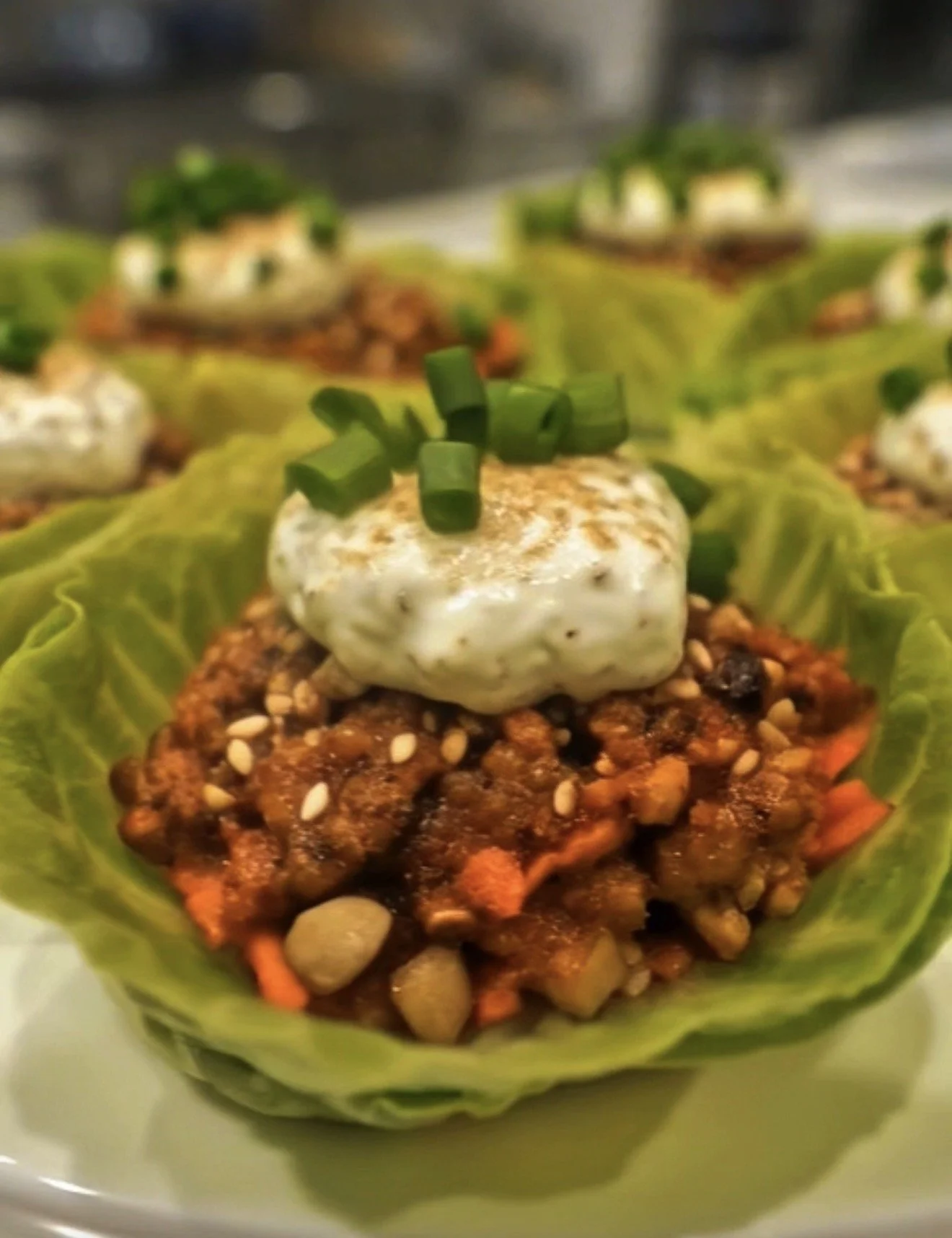
Cirrhosis Safe Cabbage Dumpling Cups
Forget boring salads and sodium-heavy takeout traps. By replacing high-sodium wrappers with crisp, nutrient-dense cabbage leaves and layering deep, authentic flavors with ginger, garlic, and zero-salt toasted sesame aroma, this recipe delivers a massive 19g of muscle-saving protein per cup while keeping sodium completely bottomed out.
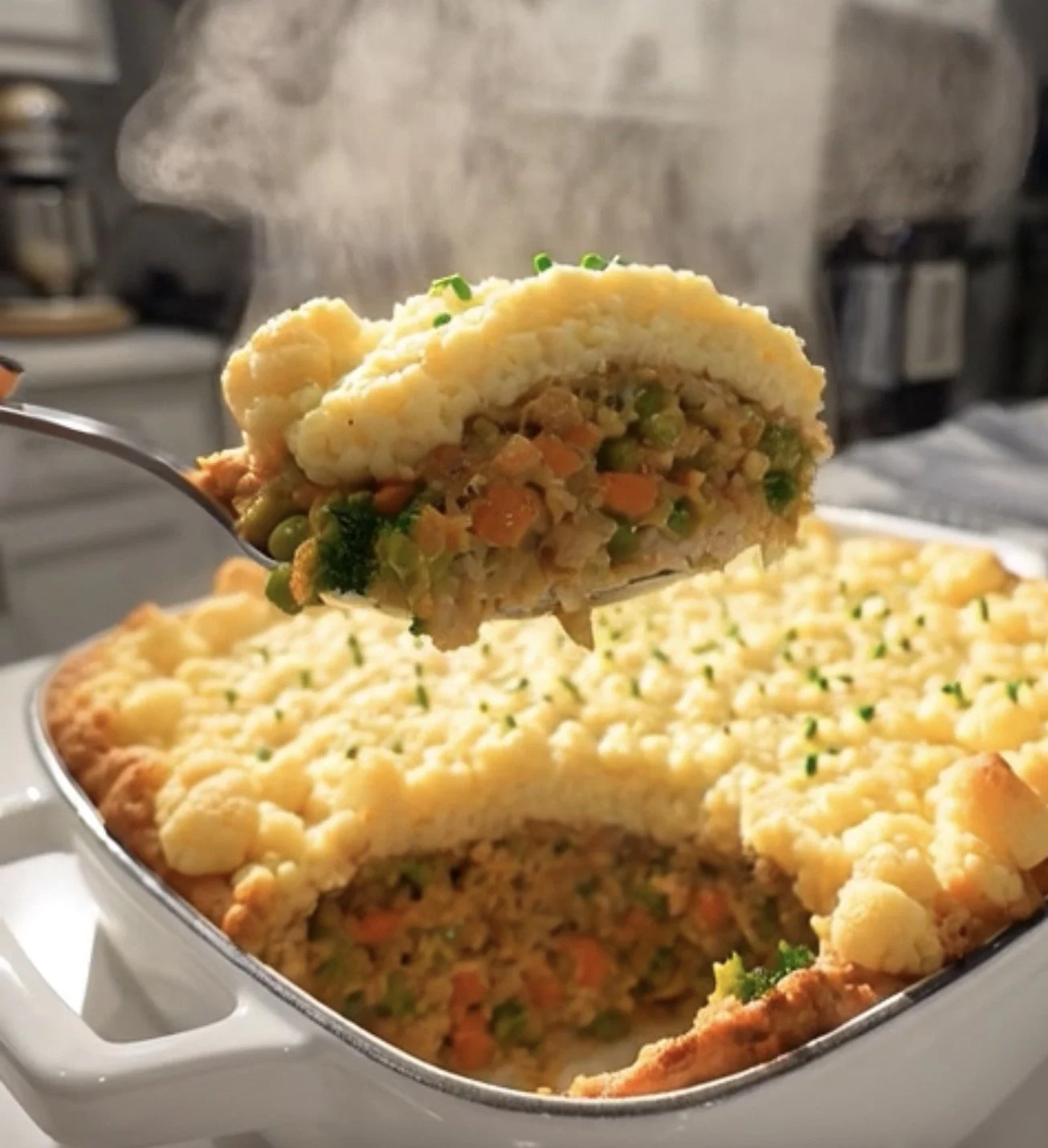
Cirrhosis Style Sheppard’s Pie
Think classic comfort food is a lost cause on a low-sodium diet? Think again. By swapping out heavy, buttery potatoes for a garlic-whipped, egg-white cauliflower mash and building a deeply savory gravy with zero-salt umami hacks, this recipe locks in nostalgic comfort while keeping your health frontline completely safe. It delivers a massive 28g of muscle-saving protein and keeps sodium strictly managed at an incredibly low ~150mg per serving.
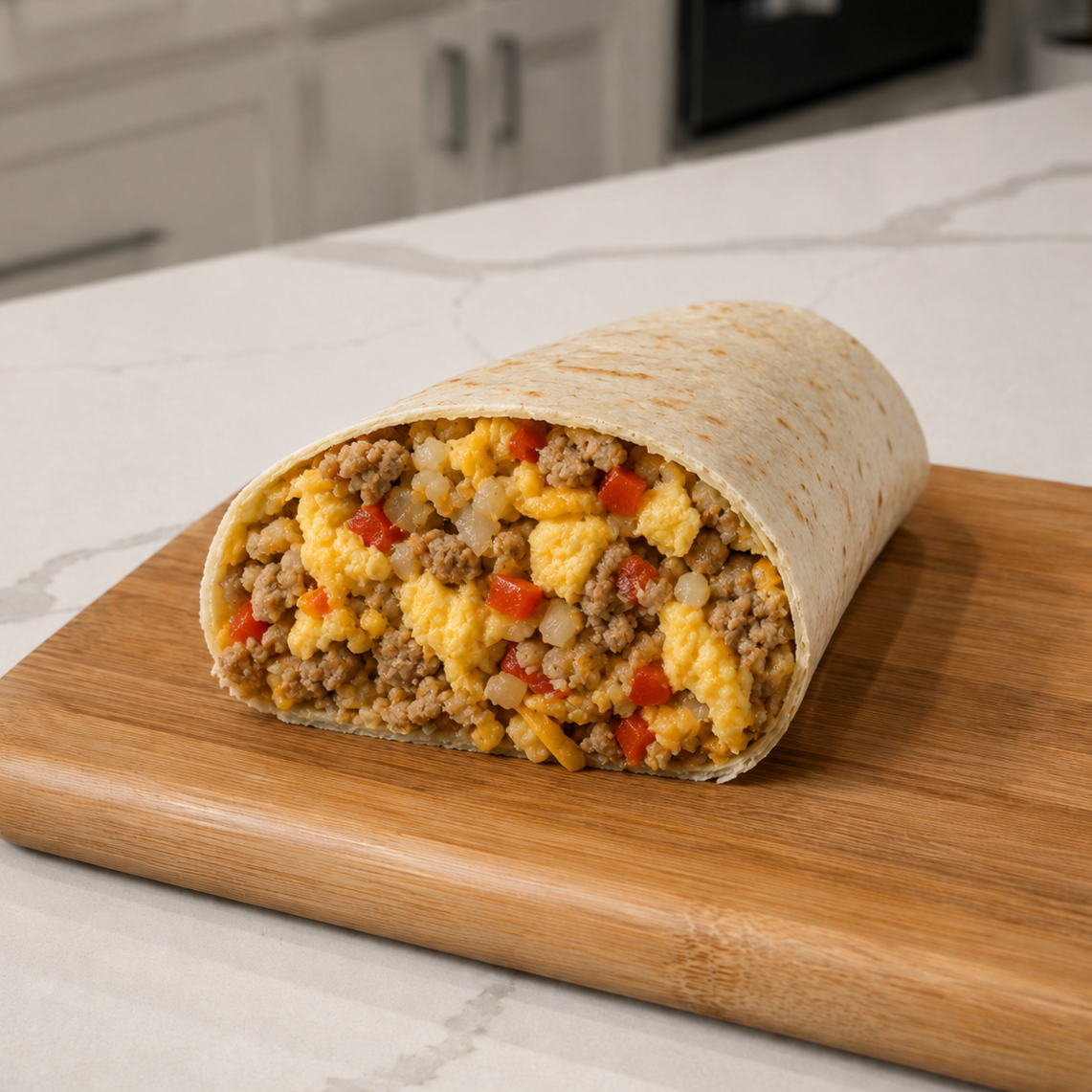
Cirrhosis Style “Sausage” Breakfast Burritos
This high-protein breakfast burrito cracks the code on liver-safe comfort food. Packed with muscle-preserving eggs, lean turkey sausage mimic, and smoky salt-free green chili, each freezer-friendly wrap hits a massive 35g of protein and keeps sodium strictly managed at ~300mg.

Sodium
Low serum sodium is not always about too little salt coming in. In cirrhosis, it can be about too much water being held in the body, which dilutes the sodium in the blood. The issue may not be that there is no sodium.
The issue may be that the sodium is spread through too much fluid.
And it is why the obvious answer — “just eat more salt” — is not necessarily the answer at all.
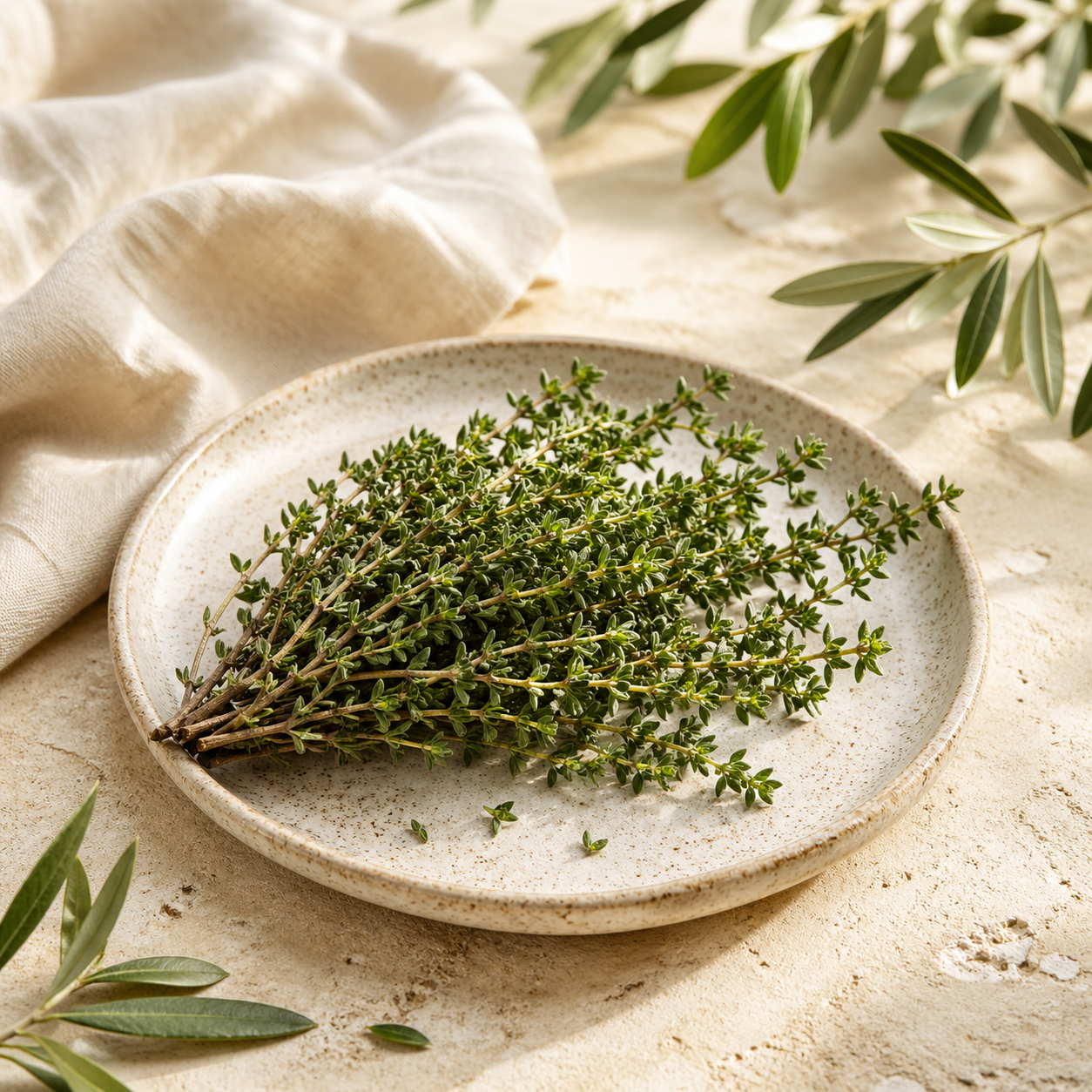
Thyme
In the rigorous nutritional management of liver cirrhosis, Thyme (Thymus vulgaris) is a high-potency "biological purifier." For individuals navigating the complexities of a scarred liver, thyme offers a unique concentration of thymol and carvacrol. These specific volatile oils act as a frontline defense for the gut-liver axis, suppressing the overgrowth of harmful bacteria that produce the ammonia and toxins that overwhelm a compromised hepatic system. By acting as a natural antiseptic and a powerful antioxidant, thyme help protect remaining healthy liver cells from the oxidative "rust" that drives the progression of fibrosis.
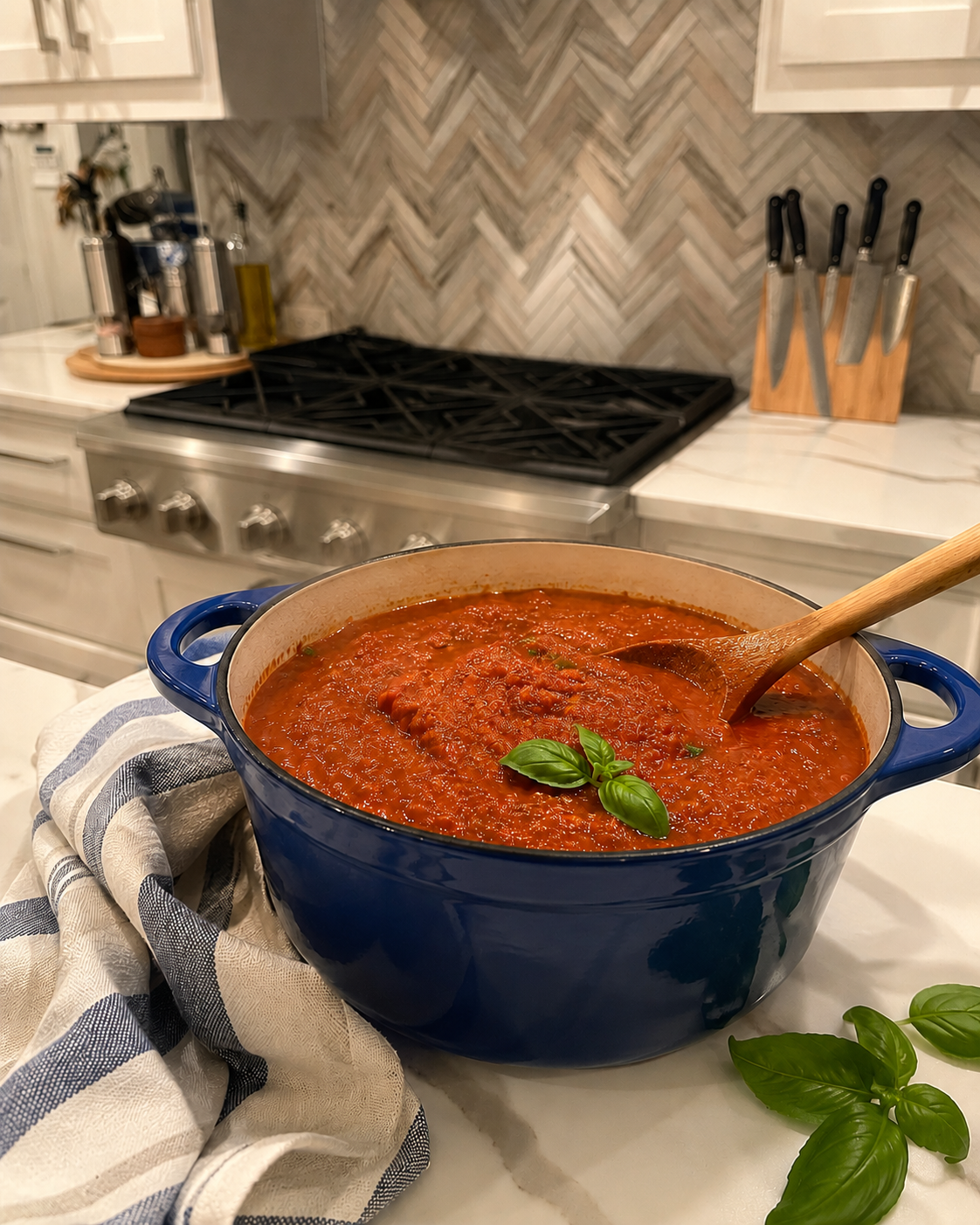
Low-Sodium Cirrhosis Safe Marinara Sauce
The absolute hardest thing to recreate in a traditional Italian tomato sauce without a salt shaker is structural depth. Standard canned tomato sauces rely heavily on added sodium to cut through the natural metal-sharp acidity of the tomato fruit. In our household, I live with a man I love completely—but he is a staunch supporter of the Red Sauce Society. Let’s just put it that way: I make a lot of marinara!
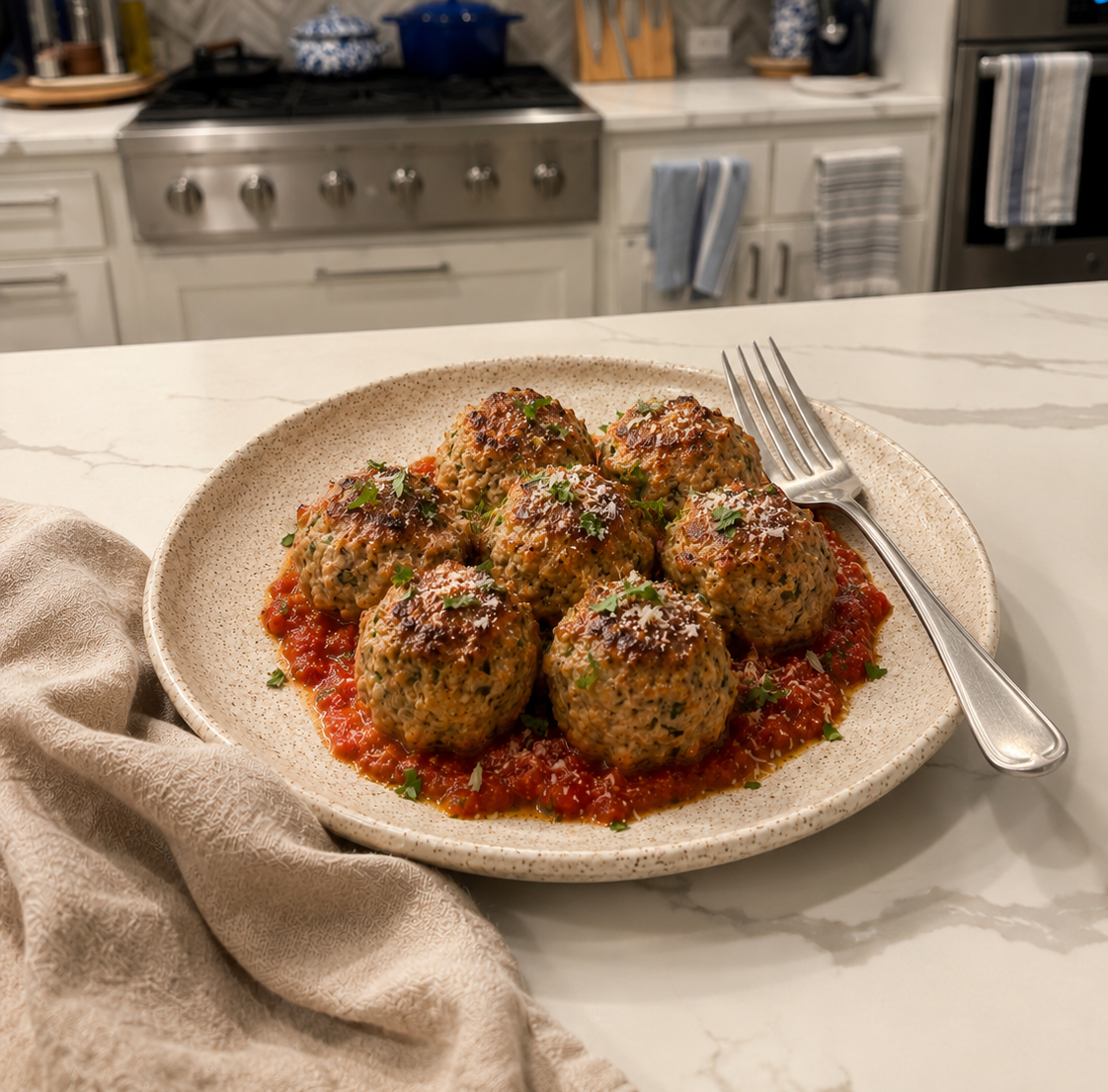
Cirrhosis-Style "Sausage" Meatballs
The hardest part of a liver-friendly diet is missing the deeply comforting, savory flavors we used to take for granted—especially frozen or processed Italian sausage, which is completely off-limits due to massive sodium and fat content. The secret to recreating that exact, unmistakable "sausage" warmth without a single grain of salt or a gram of pork is whole fennel seeds. When paired with high-quality lean poultry and nutty Swiss cheese, it completely tricks your palate into thinking you are eating a traditional, restaurant-quality Italian meatball.

Low Sodium Diets
Low sodium diets are a critical part of managing cirrhosis - but not always for the reasons that people often think. Read more about the distinction between dilution and deprivation and why this matters

Fluid Restriction
Fluid restriction is when you’re limited on how much total fluid you can drink in a day because your blood sodium is too low.
It is not usually because you have ascites alone. It is usually because your body is holding onto too much water relative to sodium, which can make your blood dangerously diluted.
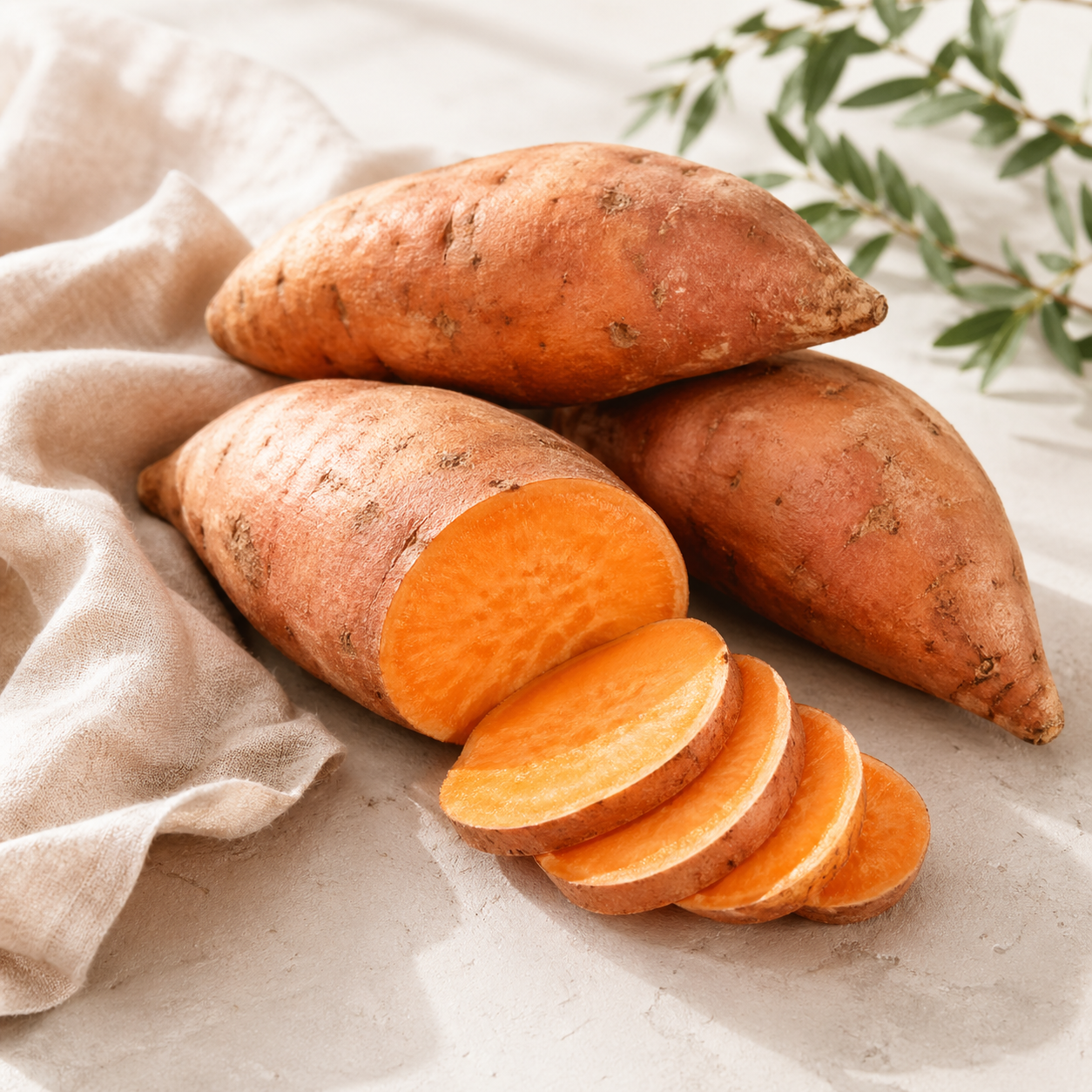
Sweet Potatoes
The Sweet Potato: A Golden Ally for Liver Health
For someone living with cirrhosis, the sweet potato is more than just a side dish—it’s a metabolic tool. Specifically, its high beta-carotene content is vital. While the liver usually stores Vitamin A, a scarred liver (cirrhotic) struggles to process it. Consuming beta-carotene from sweet potatoes allows the body to convert only what it needs, preventing the "vitamin toxicity" that can occur with liver-damaged patients taking synthetic supplements.
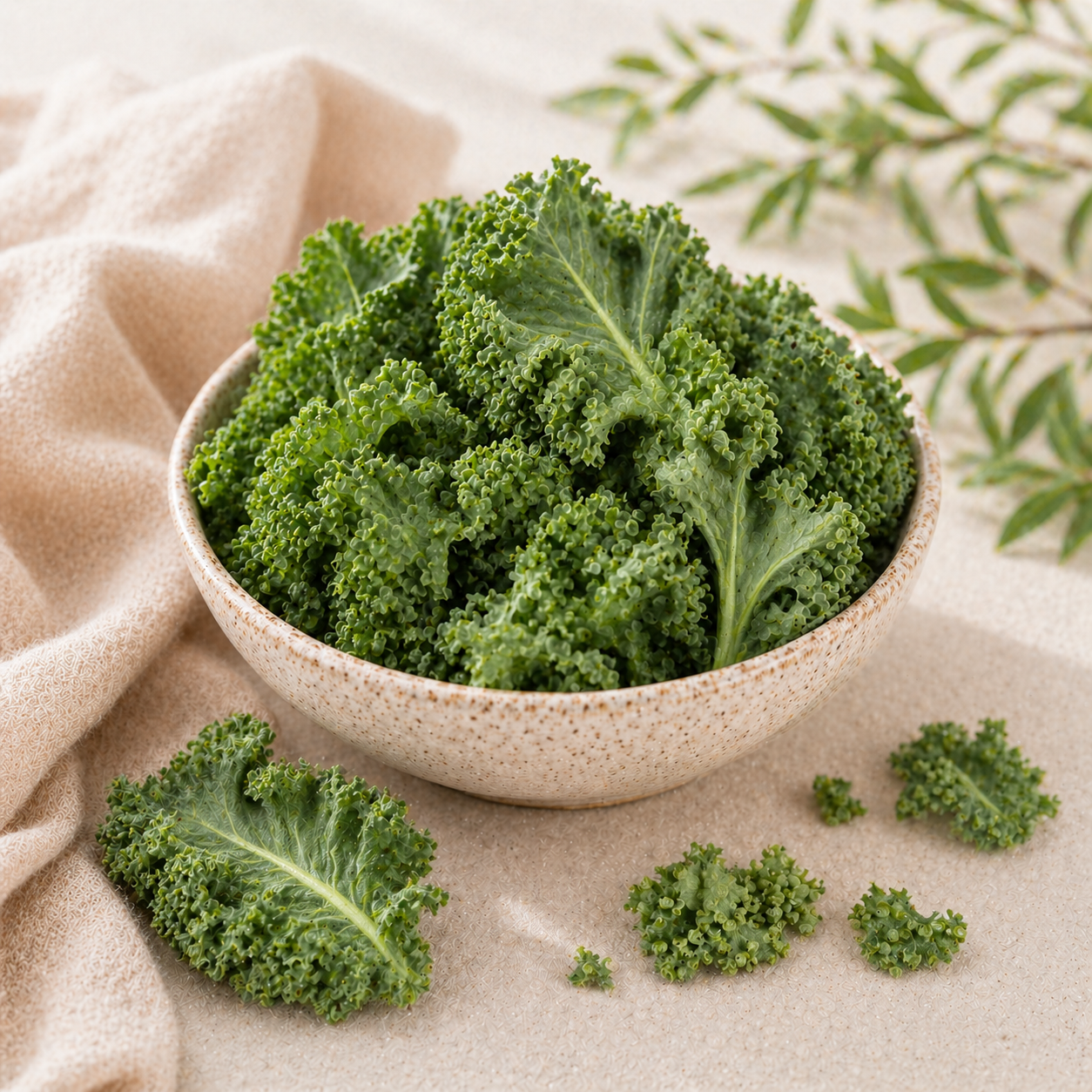
Kale
Kale: The "Chlorophyll Commander" for Blood Health and Toxin Neutralization
In the high-stakes nutritional management of liver cirrhosis, Kale (Brassica oleracea var. sabellica) stands as a dominant functional food. Often hailed as the "Queen of Greens," kale belongs to the cruciferous family—a group of vegetables scientifically recognized as the most potent natural stimulators of the liver’s detoxification enzymes. For a patient with a scarred liver, kale offers a triple-action defense: it provides a massive dose of Vitamin K to support blood clotting, glucosinolates to trigger Phase II detoxification, and chlorophyll to neutralize environmental toxins before they can damage remaining healthy tissue.British Liver Trust: Cruciferous Vegetables and Liver Enzyme Support
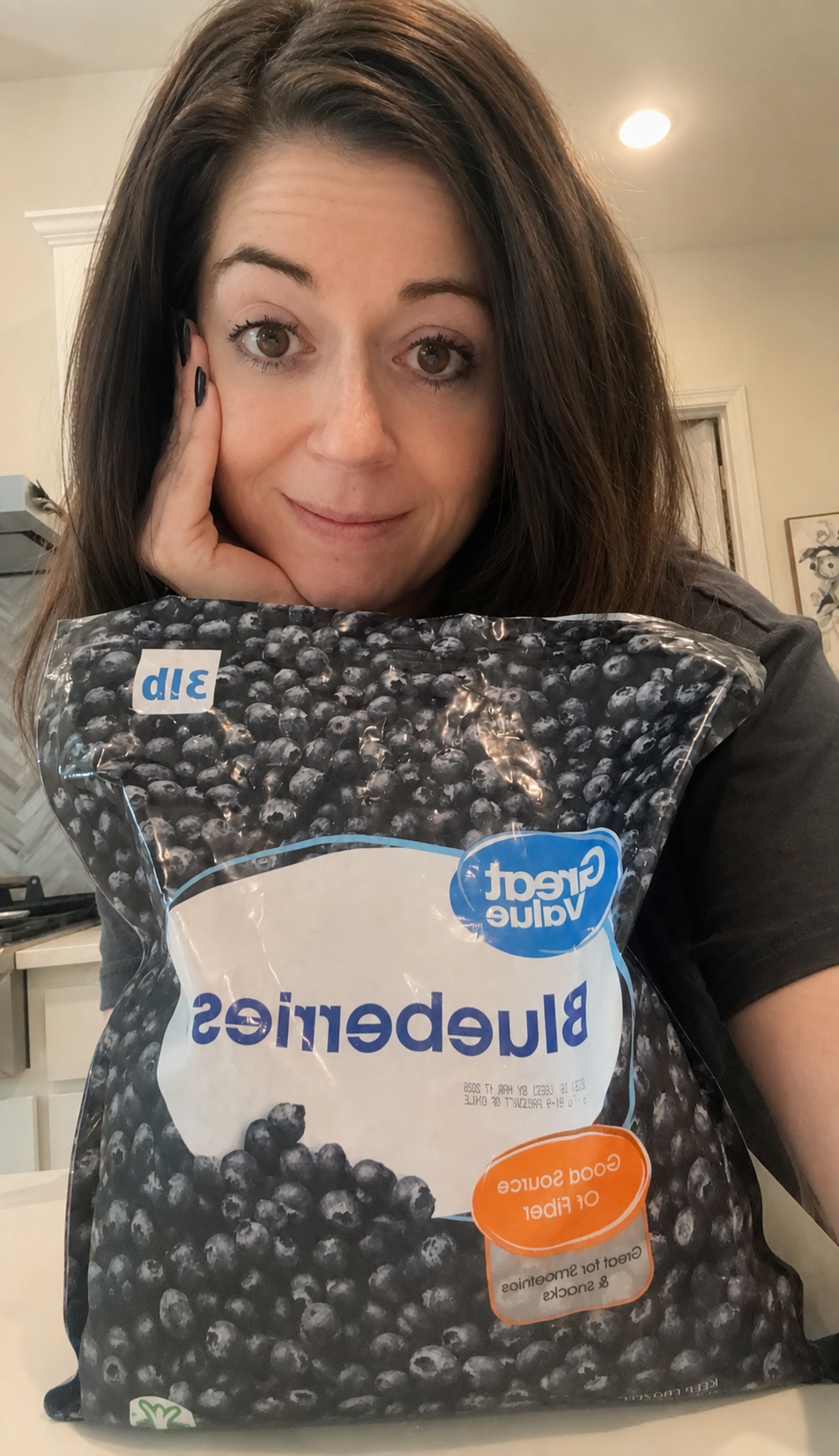
Blueberries
For liver health, blueberries are a staple. Their primary power lies in anthocyanins—the specific pigments that give them their deep blue hue. Research has shown that these compounds can actually slow down the development of liver lesions and inhibit the activation of "stellate cells," the cells responsible for producing scar tissue (fibrosis) in the liver.
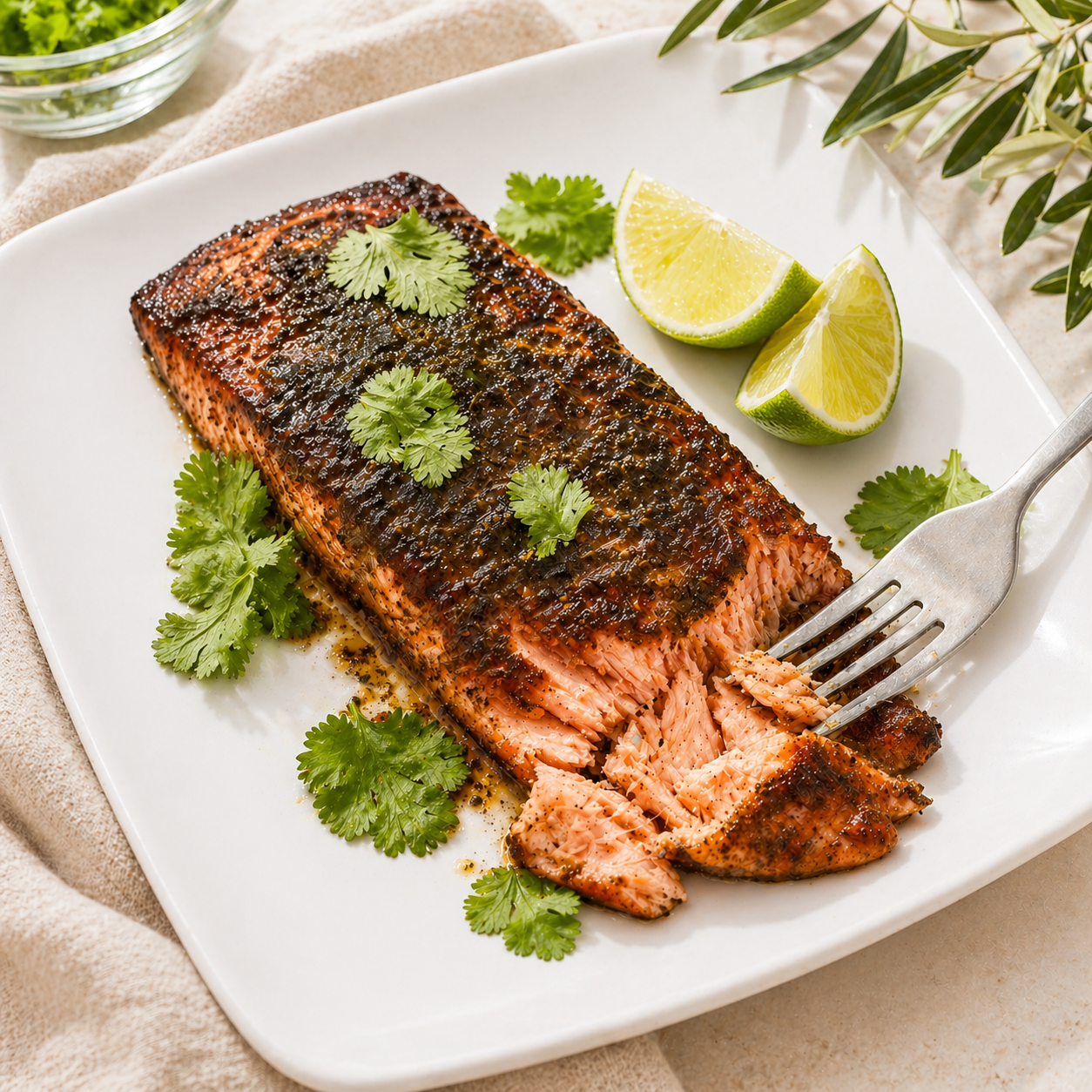
Smoky Cilantro-Lime Salmon
This is the ultimate way to reclaim that BBQ soul without the dangerous sodium levels of traditional rubs. We’re moving past "jazzing it up"—we’re going to Bam It Up by using a specific searing technique and a deep, smoky paste that tricks the brain into sensing "char" and "smoke."
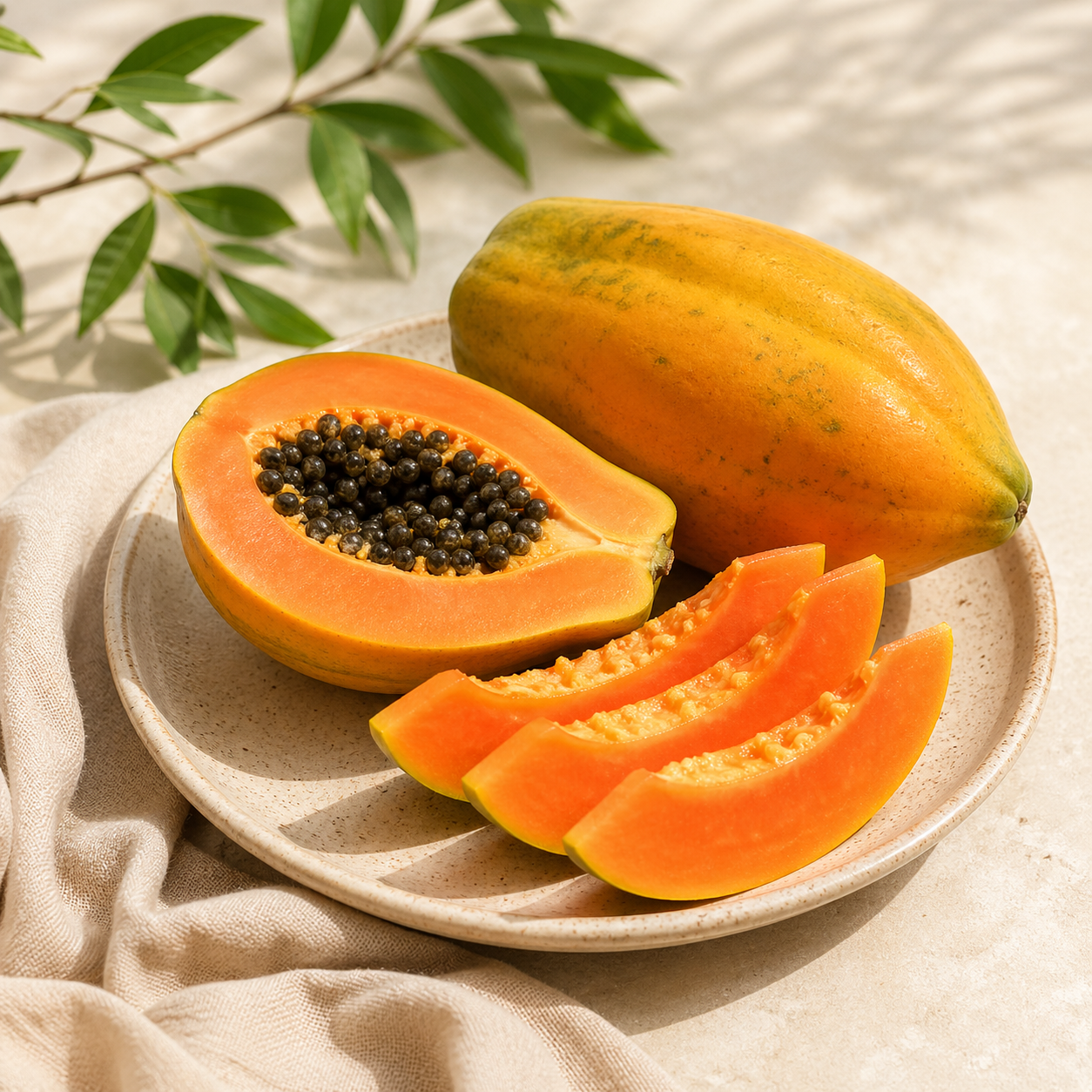
Papaya
In the specialized landscape of a cirrhosis-friendly diet, the Papaya (Carica papaya) is a heavy-duty metabolic ally. Often described as a "tree melon" by early explorers, this fruit acts as a biological tenderizer for the liver. For those managing liver scarring, its signature enzyme, papain, assists in the critical breakdown of proteins—a task that can be incredibly taxing for a damaged liver—while its dense concentration of antioxidants helps neutralize the systemic inflammation that drives fibrosis. Read more …
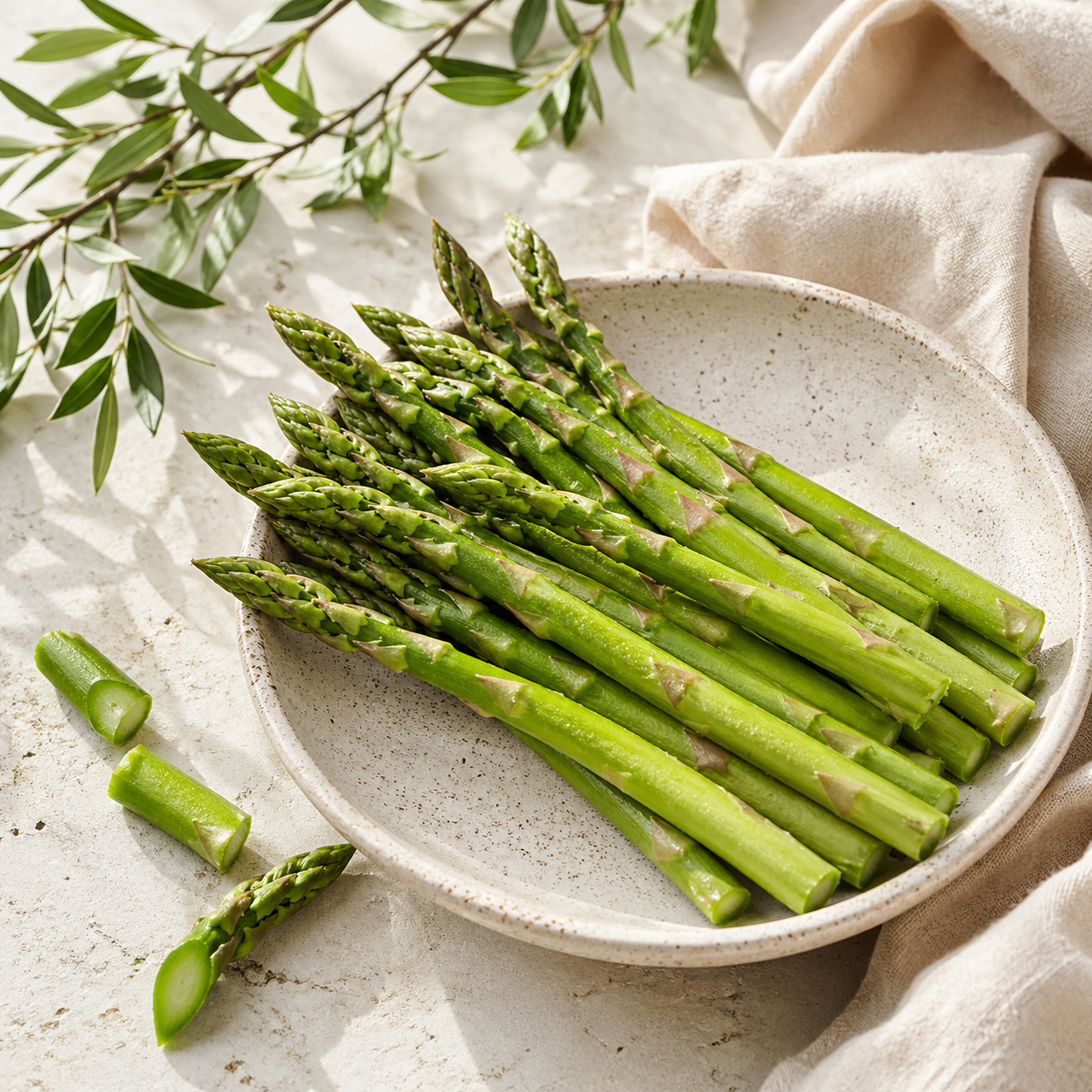
Asparagus
In the nutritional strategy for managing cirrhosis, Asparagus (Asparagus officinalis) is a high-precision tool. Often hailed as one of the most powerful natural diuretics in the plant kingdom, it plays a vital role in managing the fluid retention (ascites) that often complicates advanced liver disease. Beyond its ability to assist the kidneys, asparagus is a concentrated source of asparagine and glutathione, compounds that directly support the liver’s detoxification of ammonia and heavy metals. For those with a scarred liver, these "spring spears" act as a biological flush, clearing the system of metabolic waste that the liver can no longer handle on its own. … Read more

Strawberries
Strawberriesare prized as one of nature’s most potent "antioxidant powerhouses." While their sweetness makes them a favorite dessert, for someone with liver scarring, their true value lies in their high concentrations of anthocyanins and ellagic acid. These compounds act like a biological shield, neutralizing the oxidative stress that damages healthy liver cells and supporting the organ's remaining filtration capacity. Read more…
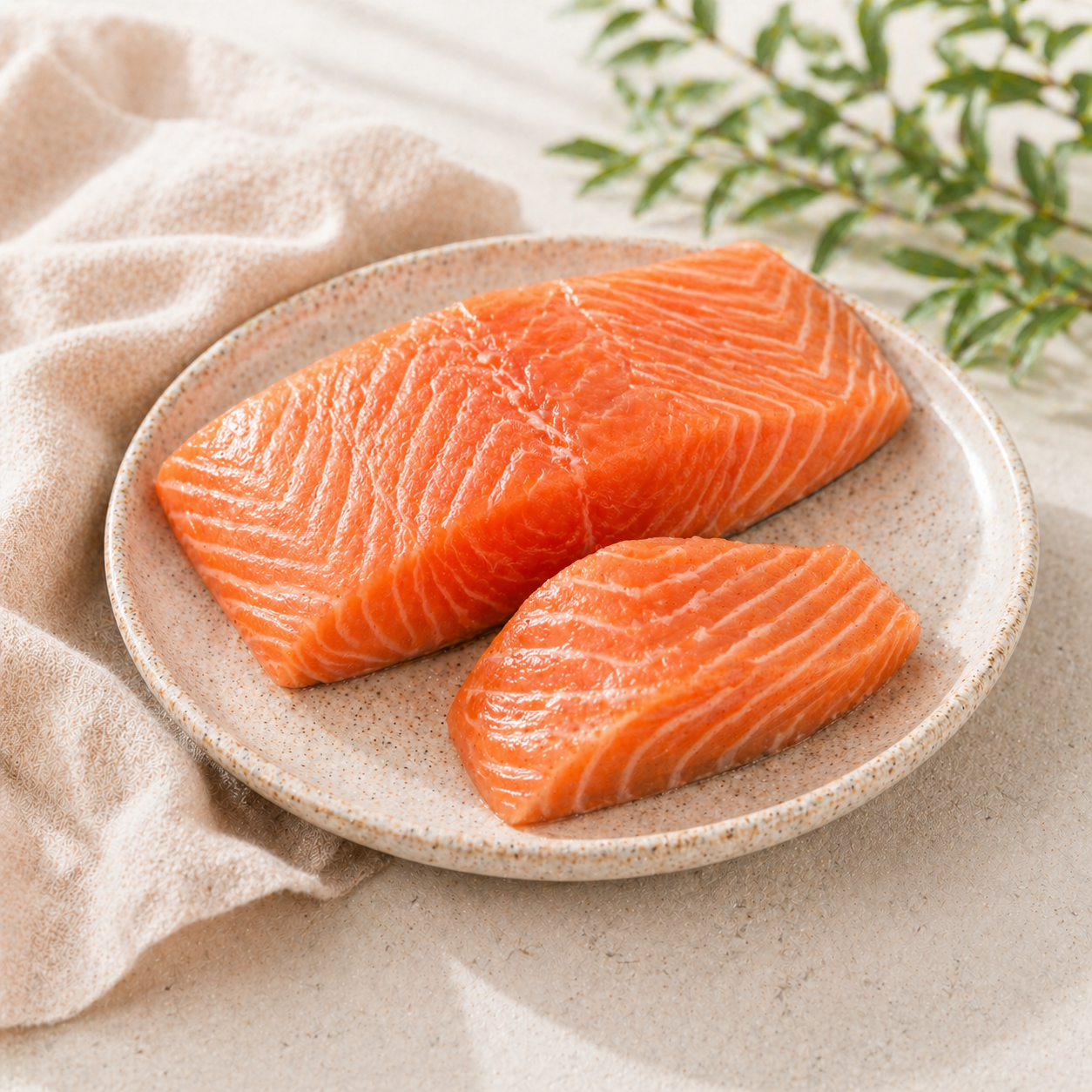
Salmon
In the clinical battle against liver cirrhosis, Salmon stands as a premier source of high-quality protein and essential fatty acids. For those navigating the complexities of liver scarring, salmon isn’t just a meal; it is a primary delivery system for Omega-3 fatty acids (EPA and DHA). these long-chain fats act as biological anti-inflammatories, quenching the chronic cellular "fire" that characterizes liver disease. By replacing hard-to-digest red meats with this clean, efficient protein, patients can support muscle maintenance while actively reducing the chemical signals that drive further fibrosis…. Read more
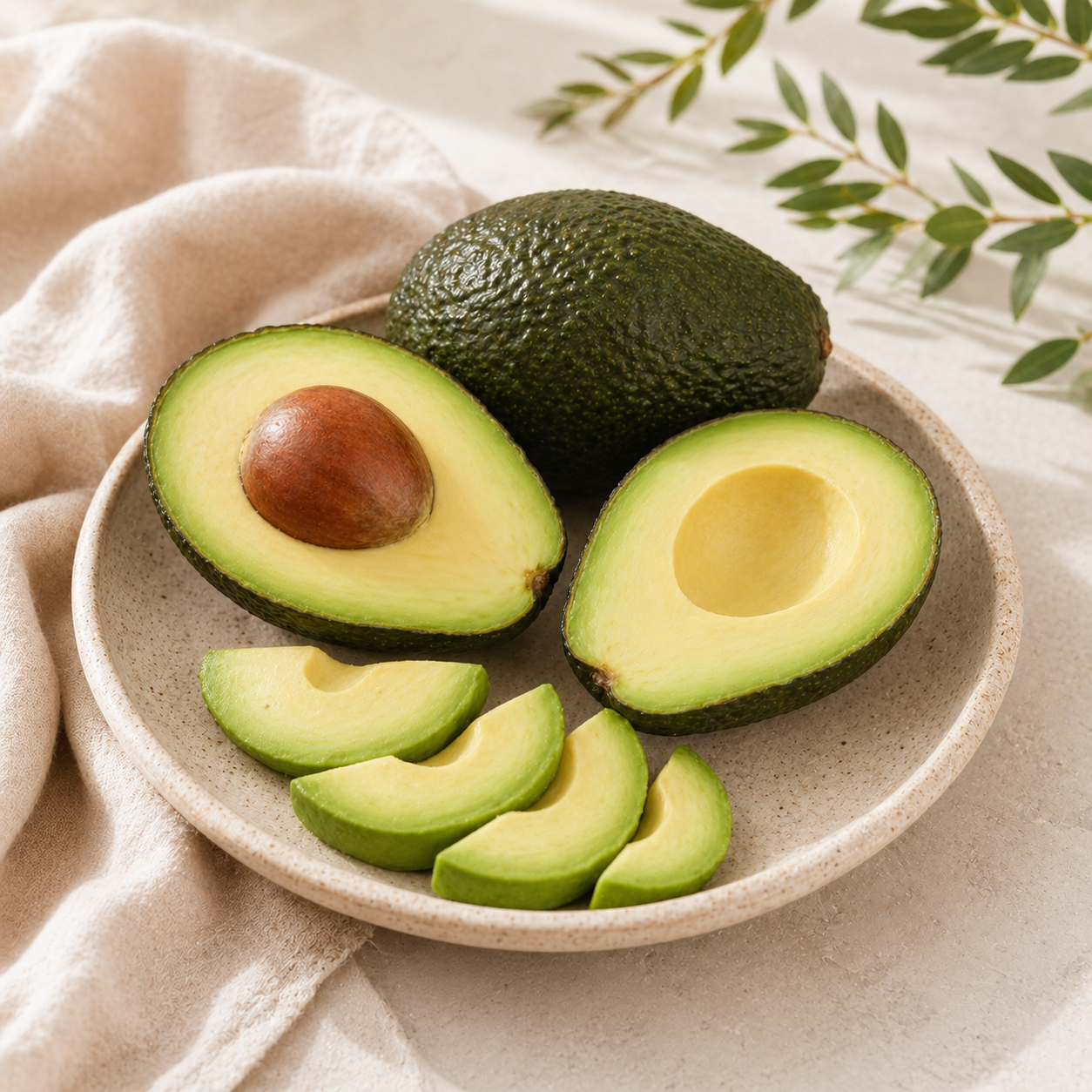
Avocado
Avocados: The "Emerald Shield" for Cellular Repair and Glucathion Boosting
In the strategic nutritional management of liver cirrhosis, the Avocado (Persea americana) stands as a premier medicinal fat. For individuals navigating the complexities of a scarred liver, the primary clinical threat is oxidative stress and systemic inflammation that accelerates the transition of healthy cells into fibrous tissue. Avocados offer a unique concentration of monounsaturated oleic acid, glutathione precursors, and Vitamin E. These specific compounds act as a biological "lubricant," helping to repair damaged cell membranes while providing a powerful antioxidant suit of armor that slows the progression of fibrosis.
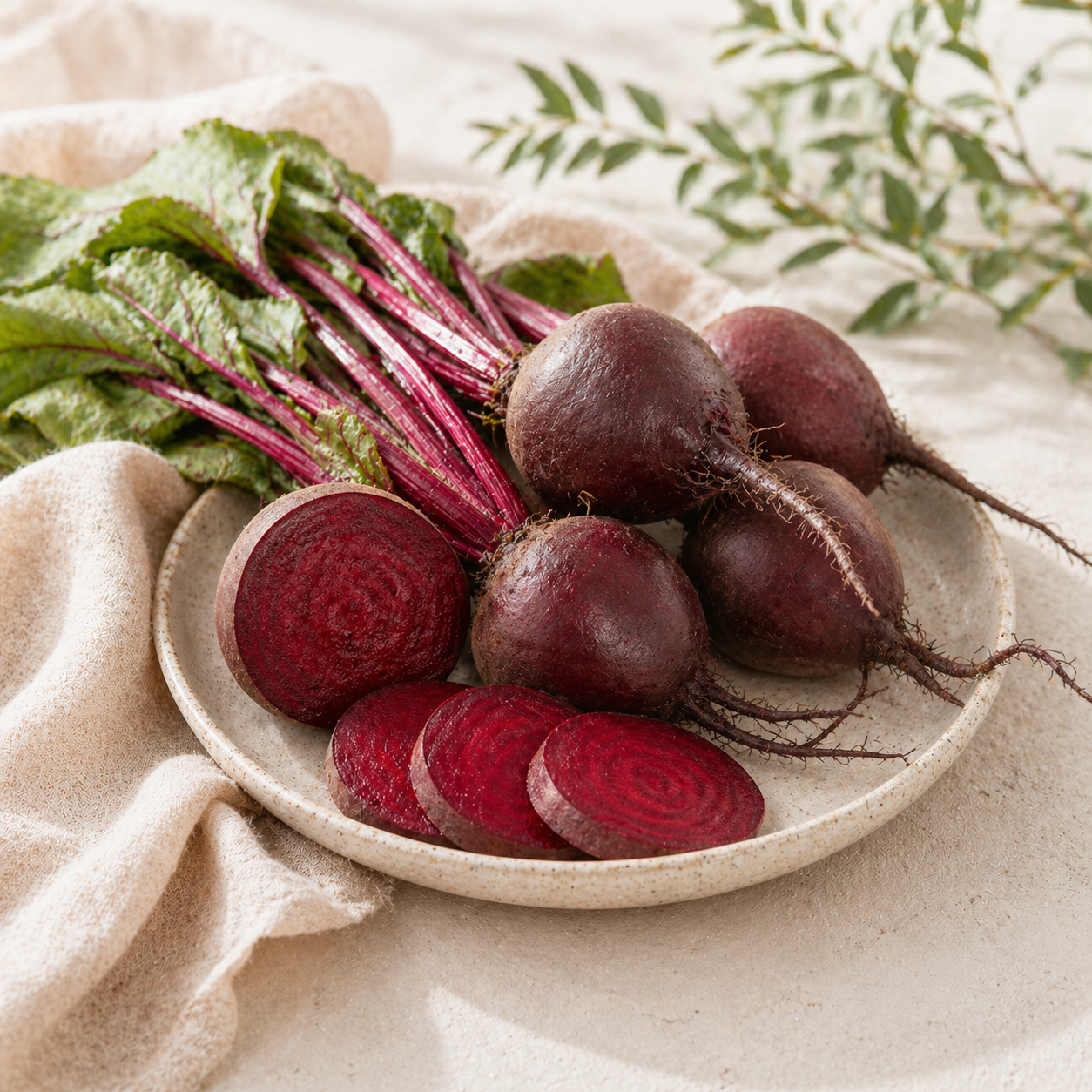
Beets
Beets: The "Vibrant Alchemist" for Fat Export and Bile Flow
In the strategic nutritional management of liver cirrhosis, Beets (Beta vulgaris) stand as a premier functional food for internal purification. For individuals navigating the complexities of a scarred liver, the primary clinical threat is hepatic steatosis (fat accumulation) and cholestasis (sluggish bile flow). Beets offer a unique concentration of betaine and betalains. These specific phytochemicals act as a biological "detergent," helping the liver export accumulated fats while stimulating the rhythmic flow of bile to flush toxins that drive the progression of fibrosis.