
Hepatic Encephalopathy

@diagnosis_cirrhosis 🚨📬 OUTBOX OPTIMIZATION CHECK 🚨🧠 When you live with cirrhosis, your liver isn’t lazy… it’s overloaded. 😅 One of its biggest jobs? Clearing ammonia. 🧪 When ammonia builds up, it can reach the brain and cause hepatic encephalopathy (HE) 🧠⚡ And HE can look like: • Brain fog 😶🌫️ • Slowed thinking 🐢 • Confusion 🤯 • Mood or personality changes 😬 • Sleep reversal 🌙☀️ • In severe cases… even coma 🚨 Don’t let hepatic encephalopathy come between you and clearing your inbox — aka being ready to enjoy your day, your weekend, or anything else you have going on. ✨ Because if you don’t… that junk mail (ammonia) piles up. 📬📬📬 (hehehe) And if you don’t get it to the outhouse — I mean, outbox 💩📤 — you’ll be in trouble. Treatments like lactulose (your friendly neighborhood outbox accelerator 🚀) and sometimes rifaximin help move ammonia out of the body before it becomes a brain problem. If you’re living with cirrhosis, steatosis, fibrosis or any version of liver damage from: 🛡️ Autoimmune hepatitis (AIH) 🍩 MASLD (formerly NAFLD) 🧪 MASH (formerly NASH) 🍷 Alcohol-related liver disease (ALD) 🦠 Hepatitis B (HBV) 🦠 Hepatitis C (HCV) 🧬 Primary biliary cholangitis (PBC) 🧬 Primary sclerosing cholangitis (PSC) ⚙️ Hemochromatosis (HH) 🪙 Wilson’s disease 🧩 Alpha-1 antitrypsin deficiency (A1ATD) 💊 Drug-induced liver injury ❓ Cryptogenic cirrhosis … this applies to you too 💚 Talk to your hepatologist about what level of “outbox” is right for you. 👩⚕️👨⚕️ And seek medical attention immediately if anything ever starts to feel off. 🚨 Because confusion isn’t just a mood. Brain fog isn’t just being tired. And with cirrhosis, early action matters. 🧠💚 Clear brain > clear inbox. But honestly… we want both. 🧠📬✨ #brainfog #poop #hepaticencephalopathy #liverhealth #emailtips ♬ Starlight Dynamo - Hyperstring
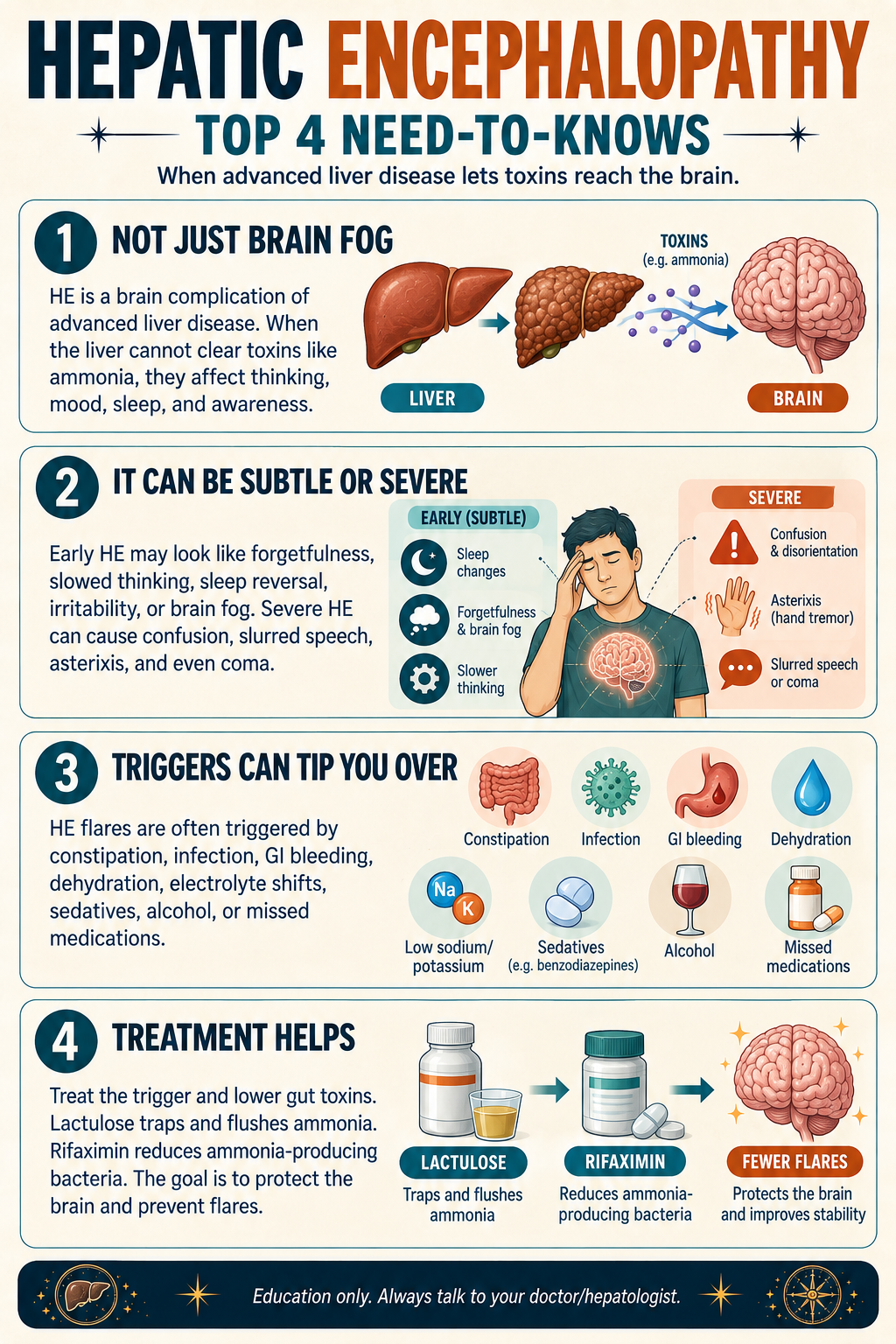
The Complication of Liver Disease Nobody Prepares You For
@diagnosis_cirrhosis ⭐️ 💫 Thank you everyone for a joining and sharing in last night’s LIVE! 👥 I had a great time meeting so many people, including internationally! 🫶🏼 No matter your age, location, background, liver health was a commonality. For everyone grieving a loved one, battling this daily, acting as a care taker, and/donors we are all in this together.💚Looking forward to continuing to get to know everyone! #tiktoklive #livehighlights #liver #stories #chronicillness ♬ Positive background music such as play and games(1251730) - earbrojp
By Angie from @diagnosis_cirrhosis on TikTok
Your liver is supposed to act as your body's primary filtration system. When advanced liver disease or cirrhosis creates heavy scar tissue, blood is forced to bypass the liver, or the liver simply becomes too weak to filter metabolic waste.
When that happens, toxins stay in circulation, cross the blood-brain barrier, and start affecting your brain.
This neurological complication is called Hepatic Encephalopathy (HE) [1]. It is one of the most misunderstood parts of liver disease because the early symptoms do not always look medical. Instead, they look like exhaustion, anxiety, brain fog, forgetfulness, personality changes, confusion, irritability, or "not trying hard enough."
But let’s be absolutely clear: this is not laziness. It is not carelessness. It is a complex, reversible neuropsychiatric syndrome caused by neurotoxins—most notably ammonia—disrupting multiple neurotransmitter systems and causing swelling in the brain cells [1, 2].
Shockingly, people experiencing HE often do not fully realize it is happening while it is happening [1].
What It Is
A healthy neurological network relies on the liver to act as a master waste-treatment plant, collecting and neutralizing volatile neurotoxic byproducts generated when your gut digests proteins [Source 5]. When liver function is optimal, these compounds—most notably ammonia—are cleanly converted into urea before they can ever reach the brain, keeping your cognitive tracking, mood, and sleep-wake cycles completely stable [Source 5, 6].
However, as liver disease progresses toward decompensated cirrhosis, the organ loses its metabolic architecture [Source 4]. Clinical tracking demonstrates that the disease triggers a permanent shift from a localized mental fatigue to a deep, systemic neurochemical crisis [Source 4, 6]:
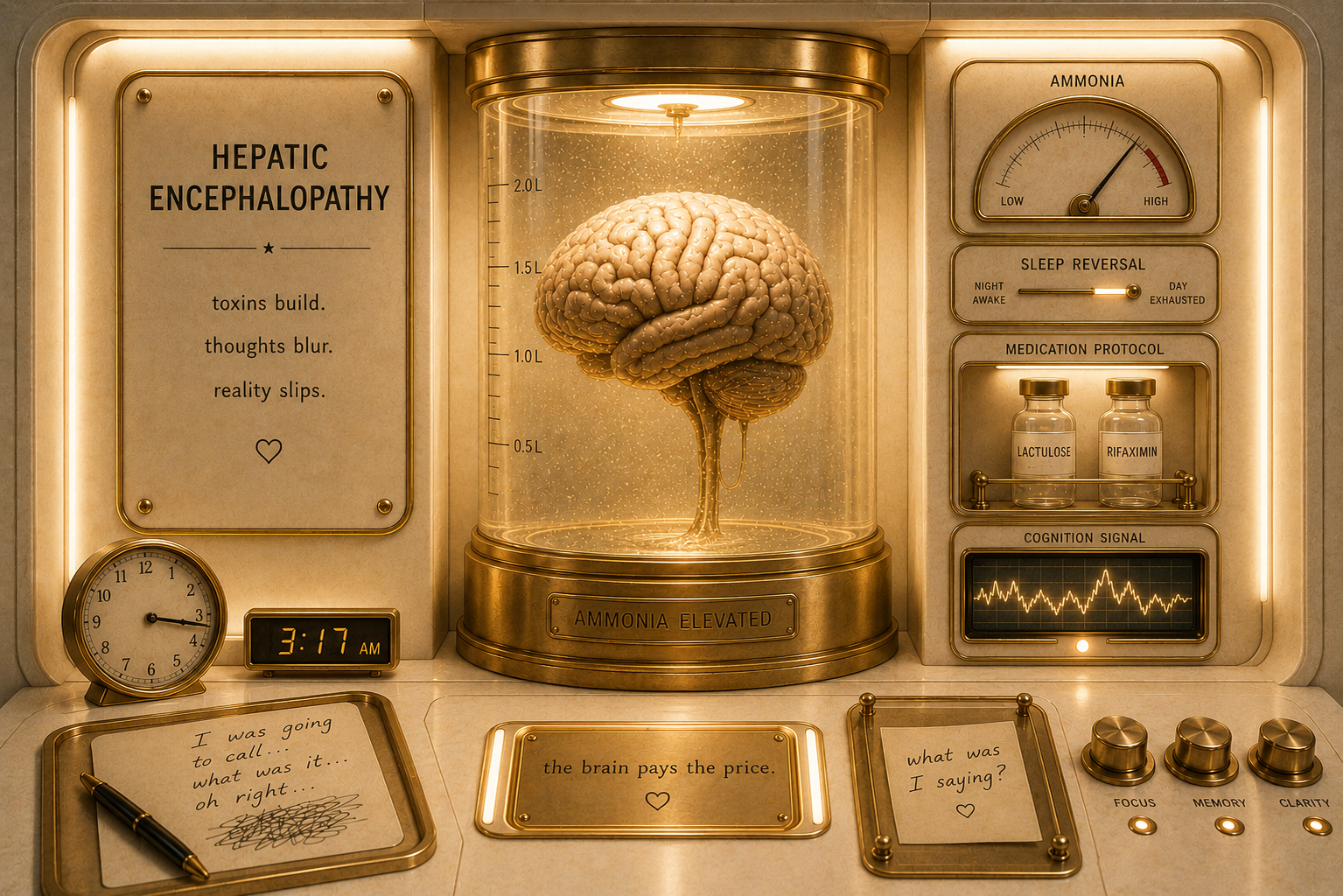
The Portosystemic Shunting Leak: Severe liver scarring creates a high-pressure bottleneck inside the portal vein [Source 4]. To bypass this jam, blood forces open backup pathways that bypass the liver entirely, allowing raw, unfiltered metabolic toxins to roll freely into your systemic bloodstream [Source 4, 5].
Astrocyte Swelling and Intracranial Pressure: Once inside the brain, ammonia forces support cells called astrocytes to absorb fluid and swell [Source 4, 6]. This low-grade, chronic swelling disrupts the delicate neural pathways that regulate short-term memory, emotional stability, and basic reasoning [Source 4, 6].
GABAergic Neurotransmitter Shift: The chemical accumulation alters your brain's primary receptors, overstimulating inhibitory GABA pathways while dampening excitatory glutamate signals [Source 3, 4]. This chemical imbalance acts like a continuous, low-dose sedative, driving profound drowsiness and disorientation [Source 3, 4].
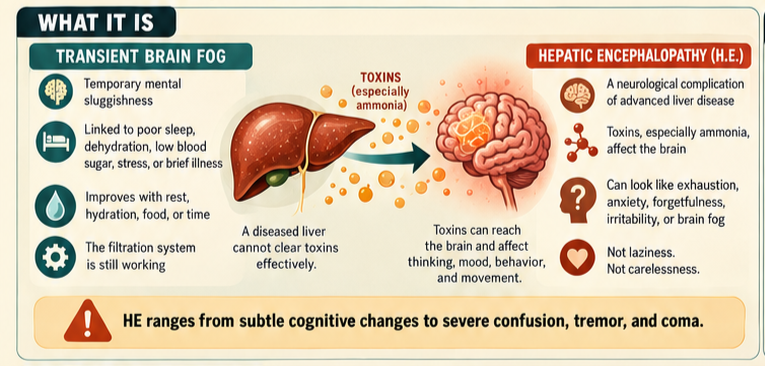
The diagnostic line between routine forgetfulness and true hepatic encephalopathy is heavily tracked by medical teams using the West Haven Criteria to stage your cognitive functioning [Source 4, 6]:
Transient/Situational Brain Fog: Mental processing slows down briefly, but your physical coordination remains perfect, and your clarity completely restores within hours after hydration or a nutritious meal [Source 7].
Hepatic Encephalopathy: A progressive medical condition staged from Grade 0 (minimal HE, only detectable on specialized computer tests) to Grade 4 (complete hepatic coma), heavily paired with a visible loss of motor control and skyrocketing blood ammonia levels [Source 4, 6].
What It Feels Like
The physical and mental toll changes entirely as cognitive slowing migrates from a passing phase of stress to an active symptom of metabolic brain toxicity [Source 4, 6].
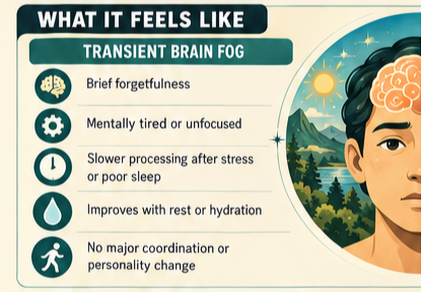
During Transient Brain Fog, you frequently notice [Source 7]:
A localized, brief forgetfulness—like misplacing your keys or struggling to remember a specific word—following a hectic day or a poor night's rest [Source 7].
An immediate return to crisp focus and logical reasoning once you drink a large glass of water or clear your mind during a short break [Source 7].
When the condition crosses into Hepatic Encephalopathy, the daily burden shifts completely [Source 4, 6]:
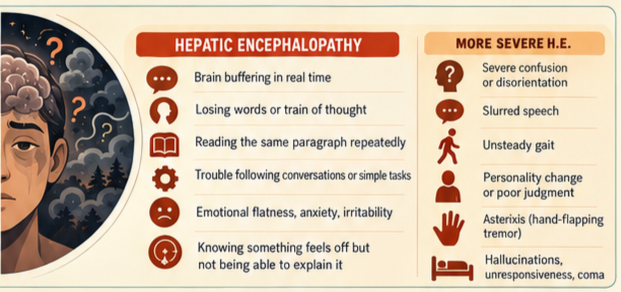
A bizarre, total reversal of your sleep schedule (circadian inversion) where you experience an absolute, uncontrollable urge to sleep all afternoon, yet remain wide awake and alert at 3:00 AM [Source 4].
A sudden, frustrating change in your physical fine motor skills, such as your handwriting becoming messy and unreadable, or experiencing mild spatial confusion when trying to open a door [Source 4, 6].
A noticeable loss of emotional control, leading to uncharacteristic irritability, sudden anxiety outbursts, or a dull, flat personality shift that family members notice weeks before you do [Source 4, 6].
A prominent neuromuscular response known as asterixis (or the "flapping tremor"), where holding your arms out straight with your hands flexed back causes your palms to flap involuntarily like a bird's wings [Source 4].
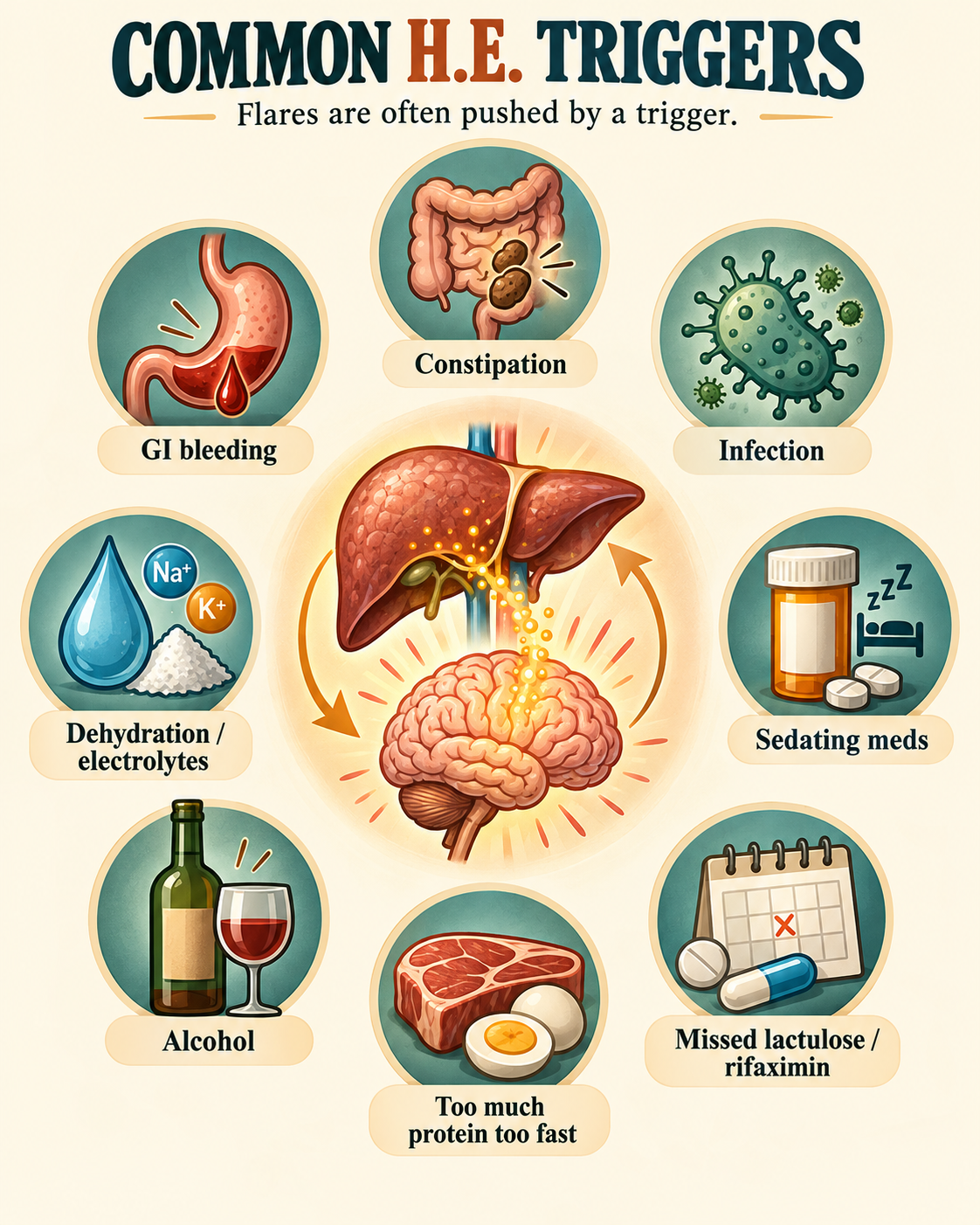
Why It Happens: The Hidden Triggers
While chronic liver failure is the baseline cause of HE, sudden flares are almost always provoked by specific medical stressors or triggers [1]. These include:
Constipation: Slow stool transit gives gut bacteria extra time to produce and absorb massive amounts of ammonia back into the bloodstream [1].
Gastrointestinal Bleeding: Splitting blood cells in the stomach or intestines release a massive load of protein into the gut, causing a rapid ammonia spike [1].
Infections: Conditions like spontaneous bacterial peritonitis (SBP) or urinary tract infections trigger systemic inflammation that worsens brain swelling [1].
Dehydration and Electrolyte Imbalances: Low potassium or sodium levels (frequently caused by overusing diuretics/fluid pills) directly impair kidney and brain function [1].
Medications: Using sedatives, sleeping pills, or narcotic painkillers can dangerously accelerate neurological decline [1].
Alcohol Use: Active drinking places an immense metabolic burden on an already failing liver.
Dietary Missteps: Consuming too much animal protein too quickly can spike ammonia in certain individuals.
Non-adherence: Missing daily doses of prescribed maintenance medications like lactulose or rifaximin [1].
The Crossover Point: The Shift to Decompensated Neurotoxicity
At the HE crossover point, the liver is no longer reliably clearing neurotoxic waste from the bloodstream. Ammonia and other metabolic byproducts can bypass the liver, reach the brain, and interfere with the chemical systems that regulate thinking, sleep, mood, coordination, memory, and awareness [Source 4, 6].
To visualize that crossover point, think of three examples:
The Closed Caption Delay
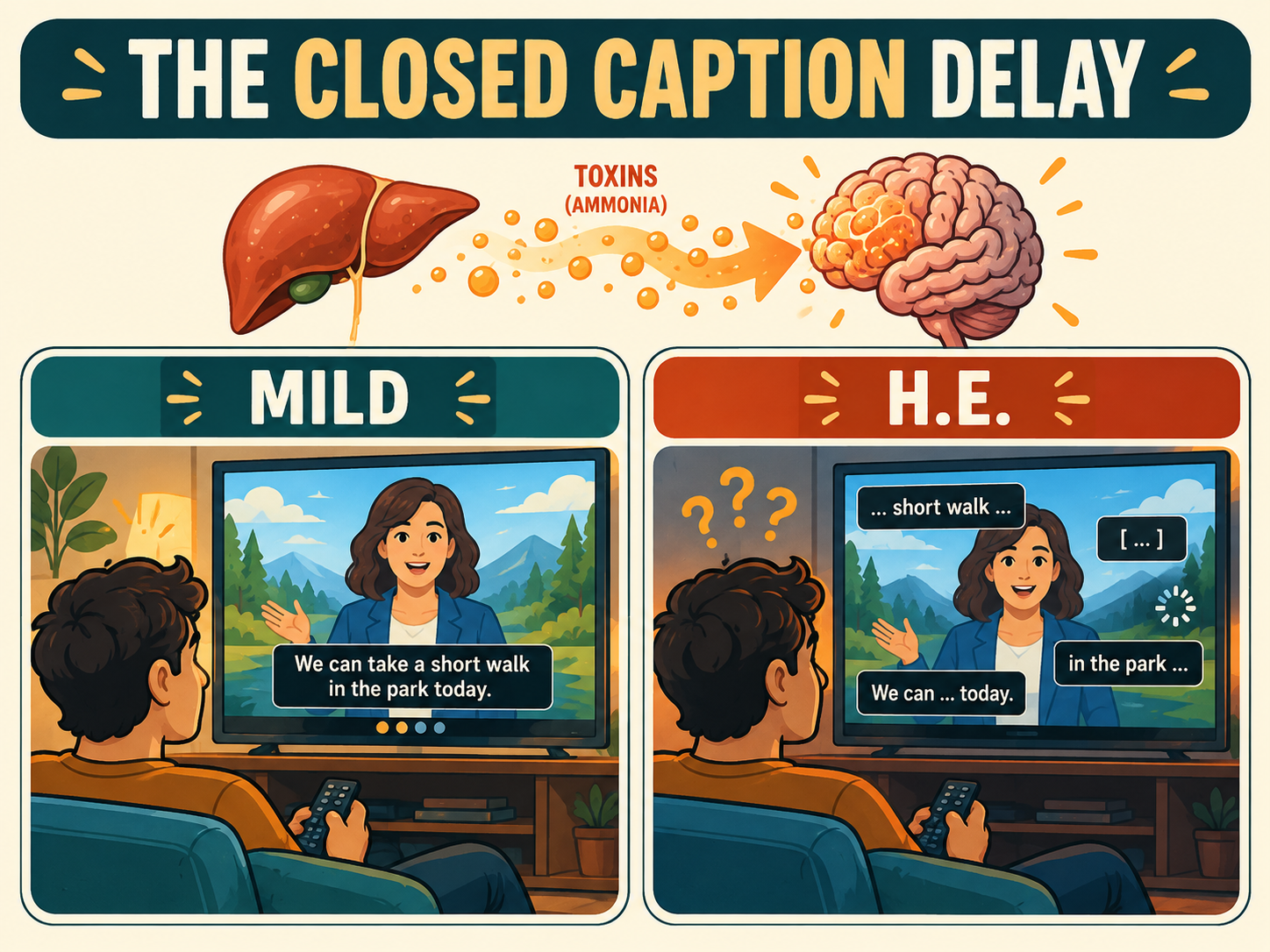
In transient brain fog, your mental subtitles run a second behind. You know what you mean, but the word takes longer to appear. You lose your place, reread the same line, or pause mid-sentence because your brain needs an extra beat.
At the hepatic encephalopathy crossover point, the caption system itself starts malfunctioning. Words lag, scramble, drop out, or arrive in the wrong order. You may know there is a thought in there somewhere, but the retrieval system cannot reliably deliver it.
That is why HE can feel like your brain is buffering in real time. The problem is not effort. The signal is being chemically disrupted.
The Control Tower Losing Radar
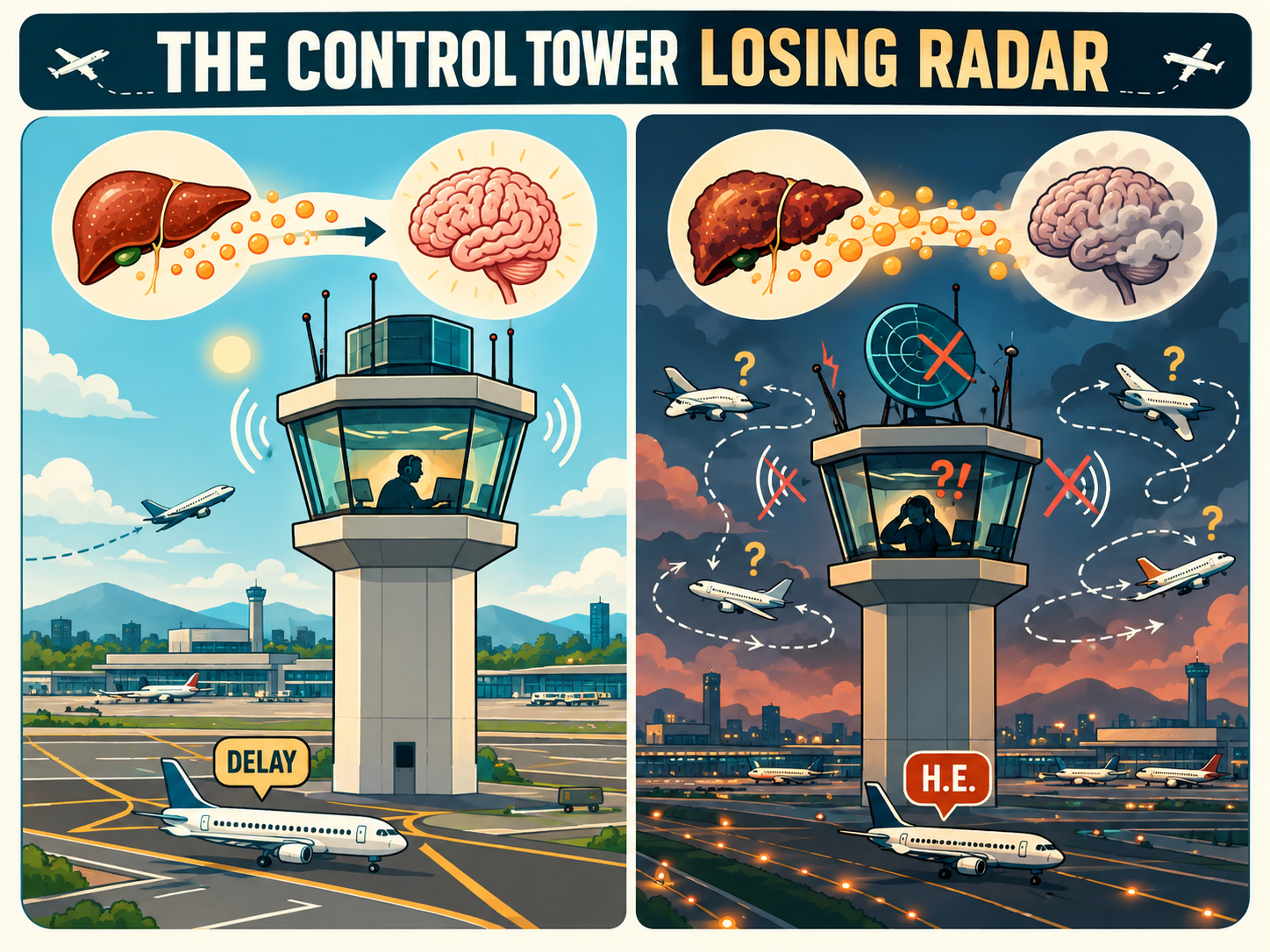
In transient brain fog, one flight is delayed. The airport is annoying, but functional. The tower still has radar, radio contact, runway lights, and enough coordination to keep the system safe.
At the hepatic encephalopathy crossover point, the control tower starts losing its instruments. Radar flickers. Radio signals cut in and out. Runway lights fail. Planes are still moving, but the system responsible for directing them is impaired.
That is what can happen to judgment, coordination, emotional regulation, and awareness in HE. The person may still be awake, talking, walking, and responding, but the internal guidance system is no longer fully reliable.
The Sedated Orchestra
In transient brain fog, one violinist misses a cue. The music stumbles for a moment, but the conductor corrects it and the performance continues.
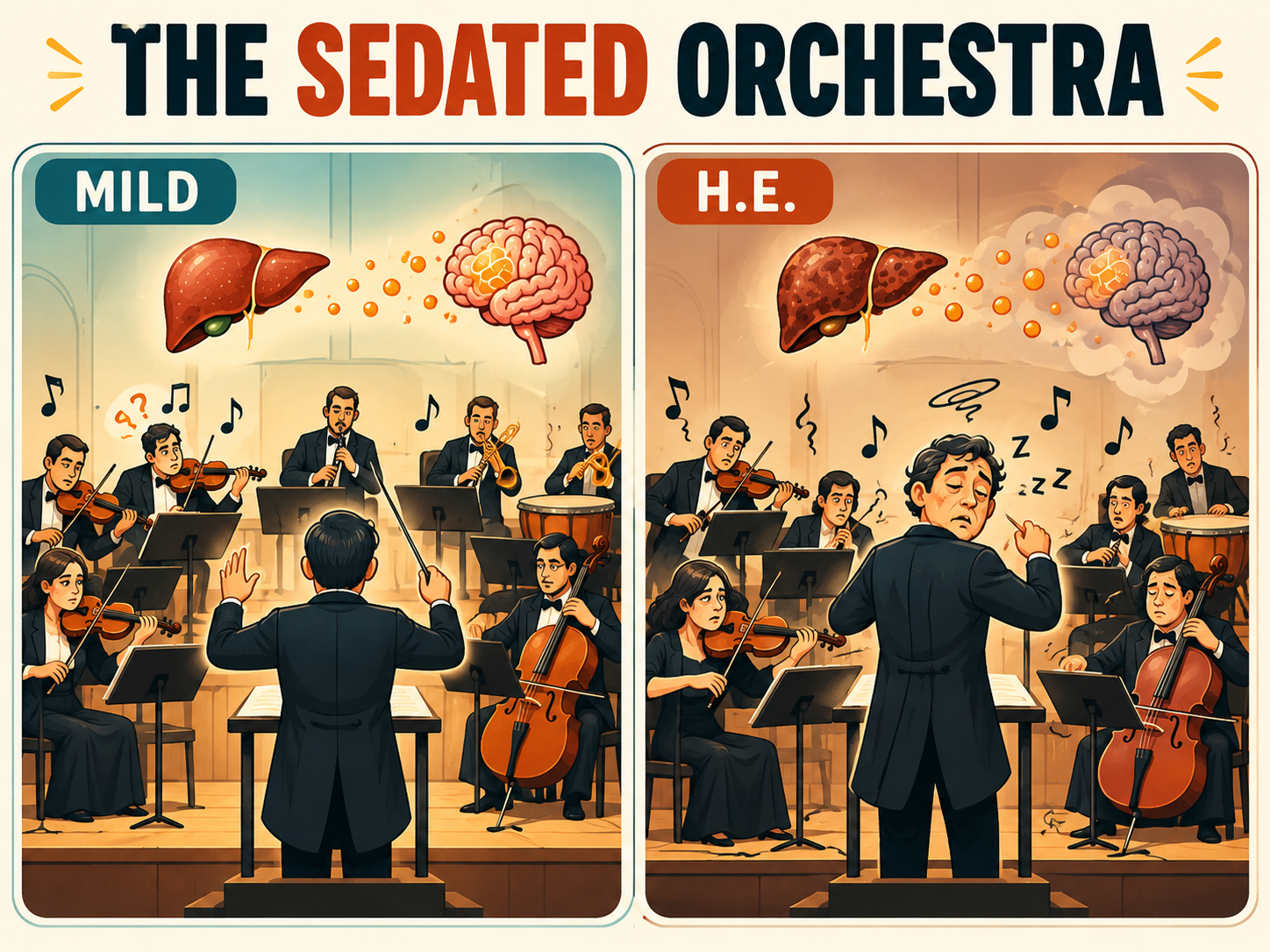
At the hepatic encephalopathy crossover point, the conductor has been chemically slowed. The whole orchestra starts drifting out of sync. Some sections come in late. Others play too softly. The rhythm collapses. The music is still recognizable, but it no longer holds together the way it should.
This is the neurological reality of HE. Ammonia and other toxins can alter neurotransmitter signaling, including systems that act like a sedative on the brain [Source 3, 4]. The result can be slowed thinking, sleep reversal, emotional flatness, confusion, disorientation, or a level of drowsiness that rest alone does not fix.
The crossover point matters because it changes the category of the problem. Transient brain fog usually asks for rest, food, hydration, sleep, and time.
Hepatic encephalopathy requires medical management, trigger identification, and toxin reduction. It is not a personality flaw. It is not laziness. It is not “just stress.” It is a liver-related brain complication, and it deserves to be treated like one.
Things Nobody Explains
1. The Brain Can’t See Its Own Impairment People with HE often do not realize how impaired they are. This lack of insight is a clinical feature called anosognosia. Families frequently interpret this as denial, stubbornness, or "not listening," when in reality, the brain is physically unable to process or recognize its own dysfunction.
2. It Can Look Psychiatric Before It Looks Neurological: Early H.E. often changes mood, anxiety, irritability, apathy, and behavior before it causes obvious physical confusion or tremors. Because of that, people are frequently mistaken for being depressed, overly emotional, intoxicated, or “just going through something” long before liver-related brain dysfunction is recognized.
3. Sleep Reversal Is Real — and Standard Sleeping Pills Can Be Dangerous: Many people with H.E. become wide awake at night and completely exhausted during the day. That reversal is a medical symptom, not just “bad sleep hygiene.” Reaching for standard sleeping pills can be exceptionally dangerous in advanced liver disease, because sedatives may build up and rapidly worsen neurological decline or oversedation. [Sources 4, 11]

4. Constipation Can Trigger the Confusion: Constipation is one of the most important and most overlooked triggers for an H.E. flare. When waste sits in the colon too long, gut bacteria have extra time to generate ammonia, which can then be absorbed back into the bloodstream and worsen mental clarity fast. What looks like a bowel issue can become a brain issue within a day. [Sources 4, 5, 7]
5. Cutting Out Protein Completely Is a Mistake: Because ammonia comes from protein breakdown, some people panic and try to eliminate protein entirely. But that can backfire badly. Severe protein restriction causes muscle wasting, and muscle helps act as a backup ammonia filter, so losing it can make H.E. worse over time. [Sources 5, 9]
6. People Get Blamed for Symptoms They Cannot Control: H.E. can make someone look careless, lazy, intoxicated, unreliable, unmotivated, or “off.” Because the dysfunction is often invisible to people who do not understand liver disease, patients can face blame and stigma from employers, friends, and even family members for symptoms they are not choosing.
7. Caregivers Usually Notice First — and the Confusion Can Be Reversible: Because insight is often impaired, loved ones are frequently the first to notice subtle changes in behavior, memory, or personality. That matters, because an H.E. flare can look terrifyingly permanent in the moment, but the confusion is often driven by reversible chemical changes rather than permanent brain-cell death. When ammonia is brought down and triggers are treated, cognition can improve dramatically. [Sources 4, 6]
What Helps: Clinical Management
@diagnosis_cirrhosis 💩 Lactulose is technically a laxative. But just making you poop is not really the point. If you’ve been prescribed lactulose for hepatic encephalopathy (HE), you’ve probably wondered: ❓ Why does lactulose help hepatic encephalopathy? ❓ Does lactulose make you poop? ❓ Does lactulose lower ammonia? ❓ Why is lactulose sticky? ❓ How does lactulose work? ❓ Does lactulose give you diarrhea? ❓ What is the difference Xifaxan vs Lactulose? ❓ Why can’t I just take a regular laxative? 🧠 THE PROBLEM STARTS WITH THE LIVER. Your liver normally helps process substances absorbed from your intestines, including nitrogen-containing compounds that contribute to ammonia production. With cirrhosis, two things can interfere with that system: 🧱 The damaged liver may not process toxins as effectively. 🩸 Portal hypertension can create collateral blood vessels that allow blood from the intestines to bypass the liver. The result? More gut-derived toxins—including ammonia—can reach the systemic circulation and potentially affect the brain. That contributes to hepatic encephalopathy. HE can look like: 🌙 Sleep reversal 🧩 Brain fog 🗣️ Personality or behavior changes ✍️ Changes in handwriting 🧮 Trouble concentrating or doing simple mental tasks 🤲 Asterixis or “flapping” hands 😵💫 Confusion 😴 Severe sleepiness 🏥 In severe cases, stupor or coma 💩 SO WHAT DOES LACTULOSE ACTUALLY DO? Lactulose is a synthetic, non-absorbable sugar. Your small intestine doesn’t significantly absorb it, so it travels into the colon, where bacteria metabolize it and make the intestinal environment more acidic. 🧪 That acidity helps convert readily absorbable ammonia (NH₃) into ammonium (NH₄⁺), which is less readily absorbed and stays in the gut. Then lactulose pulls water into the intestine and speeds intestinal transit. 🚽 The nitrogen-containing material gets carried out in your stool instead of hanging around long enough to be absorbed. That’s why lactulose is different from simply saying: “You need a laxative.” A conventional laxative may make you have a bowel movement. Lactulose is specifically used in HE because it changes the chemistry and transit of the colon in ways that reduce intestinal ammonia absorption. 🎯 THE GOAL ISN’T DIARRHEA. This part matters. For HE, lactulose is commonly adjusted to produce approximately 2–3 soft bowel movements per day, although your medical team may give you a different target. More is NOT automatically better. Too much lactulose can cause: 💧 Dehydration 🧂 Electrolyte abnormalities 📉 Low sodium or potassium 🤢 Cramping and bloating 🚽 Severe diarrhea And dehydration or electrolyte disturbances can themselves trigger or worsen hepatic encephalopathy. So this isn’t a contest to see how much you can poop. 🧠 And ammonia isn’t the whole HE story. Ammonia plays an important role, but HE is complex. Inflammation, infection, constipation, gastrointestinal bleeding, dehydration, kidney dysfunction, medications and electrolyte abnormalities can all contribute. That’s also why an ammonia blood level alone doesn’t tell you exactly how confused someone should or shouldn’t be. 💊 Some people with recurrent HE are also prescribed rifaximin, an antibiotic that changes intestinal bacteria and reduces production of ammonia and other potentially harmful compounds. Lactulose and rifaximin are often used together when appropriate. And importantly: not everyone with cirrhosis needs lactulose. It is generally used because HE is present or because the medical team is trying to prevent it from recurring—not simply because someone has a cirrhosis diagnosis. 🧬 Cirrhosis can result from MASLD/MASH (fatty liver disease), alcohol-associated liver disease, autoimmune hepatitis, hepatitis B, hepatitis C, PBC, PSC, hemochromatosis, Wilson disease, alpha-1 antitrypsin deficiency, drug-induced liver injury, and other causes. 👩⚕️👨⚕️🩺 Talk to your hepatologist about why you’re taking lactulose, your bowel-movement target, etc. #liverhealth #medication #liverdisease #cirrhosis #diarrhea ♬ Hollaback Girl - Remastered 2019 - Gwen Stefani
Managing HE requires a dual approach: eliminating immediate medical triggers and consistently taking medications designed to reduce toxins in the gut [1]. Always follow you doctor’s directions. Some additional guidance:
Everyday Lifestyle Protocols
Prevent Constipation: This is a strict medical necessity to keep toxins moving out of the body.
Stay Hydrated: Carefully balance fluid intake to avoid dehydration without worsening fluid retention (ascites).
Track Infections: Closely monitor for fevers, chills, or sudden dips in cognitive function.
Dietary Guidance: Follow a liver specialist's advice regarding nutrition. Modern guidelines emphasize maintaining high-quality protein intake (often favoring vegetable and dairy proteins) to prevent muscle wasting, rather than severely restricting protein.
Standard Prescription Medications
To keep HE at bay, doctors rely heavily on two specific medications that work together in the digestive tract [1, 3]:
Lactulose: This is a synthetic, non-absorbable sugar syrup that acts as a first-line therapy. It works in two ways: it acts as an osmotic laxative to physically flush ammonia out through the stool, and it acidifies the colon. This acidity transforms free ammonia into ammonium (\(NH_{4}^{+}\)), a form that cannot be reabsorbed into your blood [3]. Yes, it causes frequent, loose bowel movements—but unfortunately, that is exactly how it keeps your brain clear. Doctors typically titrate the dose to achieve 2 to 3 soft stools per day [1, 3].
Rifaximin: This is a specialized, locally acting oral antibiotic. It targets and eliminates the specific ammonia-producing bacterial strains living in your intestines. Because it features less than 1% systemic absorption, it does not carry the side effects of traditional antibiotics [4].
Clinical data confirms that using a combination of both lactulose and rifaximin together is significantly more effective at preventing hepatic encephalopathy flares and reducing hospitalizations than using lactulose alone [1, 4].
Sources
NIH StatPearls: Hepatic Encephalopathy Profile – A comprehensive clinical review of the pathophysiology, staging, triggers, and standard medical management of HE. read here
NIH Neurochemistry Review (Book Chapter): Manganese and Ammonia in Hepatic Encephalopathy – Detailed look at how metabolic toxins cross the blood-brain barrier, cause astrocyte swelling, and alter neurotransmission. read here
PubMed Central (PMC) Clinical Article: Lactulose in the Management of Hepatic Encephalopathy – Analysis of the mechanism of action, colonic acidification, and the clinical necessity of maintaining 2-3 soft stools a day. read here
NIH StatPearls Monograph: Rifaximin – Examination of the drug's minimal systemic absorption, its target actions on gut microbiota, and the clinical efficacy of combining it with lactulose for recurrent HE. read here
Additional:
Source 1: Mayo Clinic: Hepatic Encephalopathy Symptoms, Causes, West Haven Stages, and Treatments read here
Source 2: Cleveland Clinic: Hepatic Encephalopathy: Ammonia Toxicity, Confusion & Managing Confusion read here
Source 3: National Center for Biotechnology Information (NCBI): Pathophysiology of GABAergic Overstimulation and Ammonia Toxicity read here
Source 4: Cleveland Clinic Journal of Medicine: Cognitive, Neurological, and Extremity Manifestations of Severe Hepatic Cirrhosis read here
Source 5: Johns Hopkins Medicine: Common Characteristics, Metabolic Filtration, and Brain Symptoms of Liver Disease
Source 6: ScienceDirect: Astrocyte Remodeling and Neurochemical Shifts in Hepatic Encephalopathy read here
Source 7: PubMed Central (PMC): Bacterial Translocation, Gut Barrier Integrity, and Hepatic Encephalopathy Flaring read here
Medical Disclaimer & General Guidance
The information provided across these resources is for educational and informational purposes only. It is not intended to be a substitute for professional medical advice, diagnosis, or treatment. Advanced liver disease and its associated complications—including hepatic encephalopathy, portal hypertension, ascites, and varices—are complex medical conditions that require precise, individualized clinical management. Always seek the advice of your physician, hepatologist, or other qualified healthcare provider with any questions you may have regarding a medical condition or treatment plan.
For anything of concern, contact your hepatologist and/or dial 911 immediately.
