
My Brain Betrayed Me: Navigating Hepatic Encephalopathy
Important Medical Disclaimer:I am Angie, a cirrhosis patient sharing my personal lifestyle, nutrition, and mindset journey. I am a data aggregator and community builder, not a licensed medical professional, doctor, or dietitian. Content on diagnosiscirrhosis.com is based solely on my personal experience living with advanced liver disease and is intended for informational and educational purposes only. It does not constitute medical advice or a substitute for professional medical care. Always follow the recommendations of your own healthcare team and consult your hepatologist or physician before changing your diet, medication, or lifestyle routine.
🚨🧠 Watch: Tracking Hepatic Encephalopathy: When the green screen collapses 👀⏳
(POV: Realizing the most cognitively devastating symptom of liver failure is also the most phonetically hostile to say out loud 🤫💔🌪️)
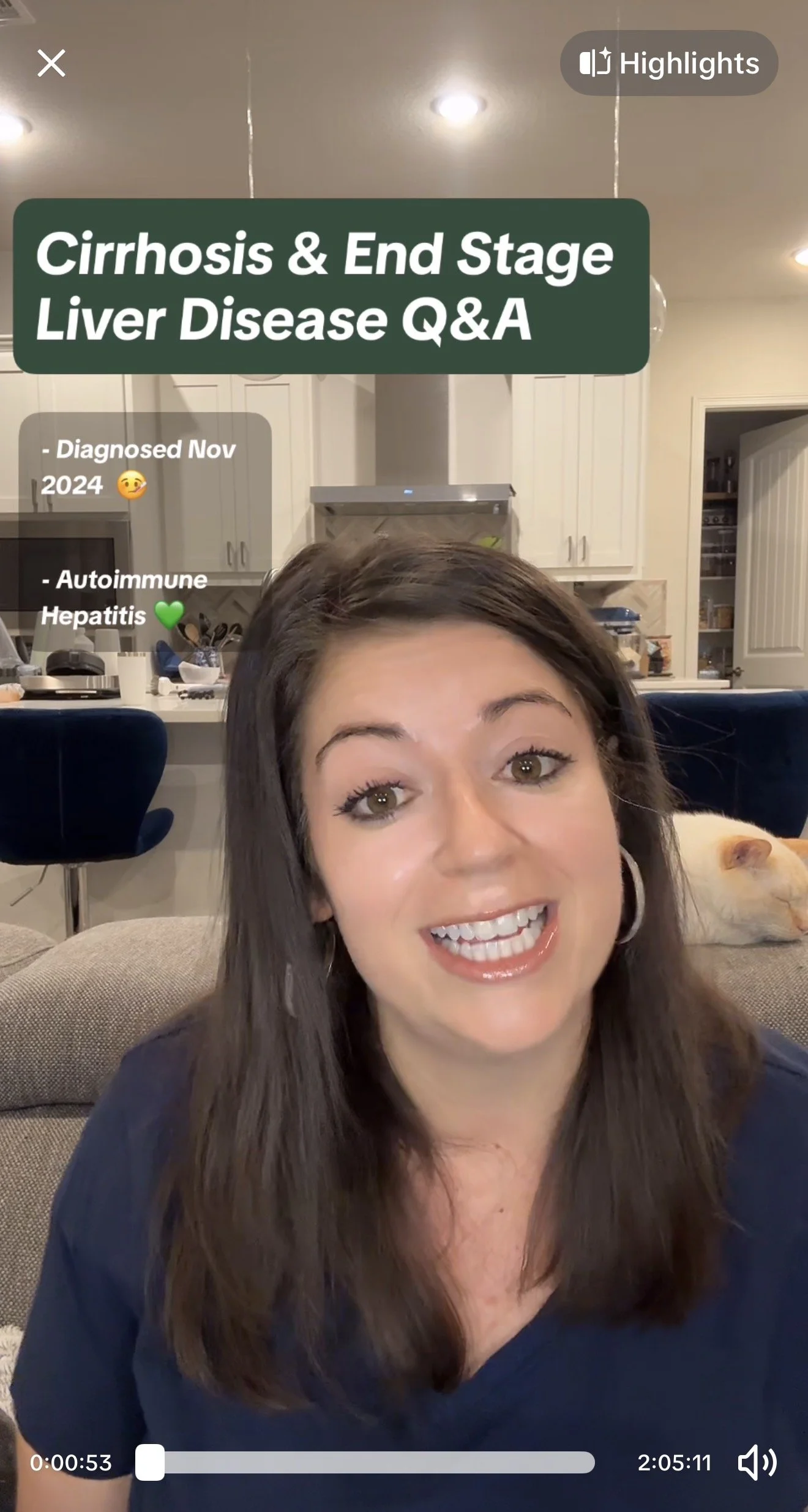
@diagnosis_cirrhosis 🕵️♂️ What cirrhosis takes… people don’t always talk about. 💔 Cirrhosis doesn’t just affect your liver. It affects your whole life. Your body doesn’t work the way it used to. 🧍♀️⚡ Your brain doesn’t always cooperate. 🧠🌫️ Energy disappears. 🔋⬇️ Focus disappears. 📉 Simple things suddenly take effort most people never think about. 🪫 Yes — cirrhosis can bring things too. Community. 🤝 Perspective. 👀 Gratitude for the little things. 🌅💚 But let’s be honest… those things often come at a cost. Living with cirrhosis can mean: 🧠 Brain fog 😴 Crushing fatigue 🧪 Endless labs 🩺 Doctor visits 💊 Medications ⚖️ Diet changes 📊 Monitoring every little symptom You learn to listen to a body that suddenly plays by very different rules. 📉🧬 It’s strength you never asked for. It’s resilience you didn’t volunteer for. If you’re living with cirrhosis from: 🛡️ Autoimmune hepatitis 🍩 MASLD / NAFLD (fatty liver disease) 🧪 MASH / NASH 🚫🍷 Alcohol-related liver disease 🦠 Hepatitis B 🦠 Hepatitis C 🧬 Primary biliary cholangitis (PBC) 🧬 Primary sclerosing cholangitis (PSC) ⚙️ Hemochromatosis 🪙 Wilson’s disease 🧩 Alpha-1 antitrypsin deficiency 💊 Drug-induced liver injury ❓ Cryptogenic cirrhosis …or any other cause You’re not alone in this. 💚🌎 #livehighlights #tiktoklive #chronicillnessawareness #liverhealth #beforeandafter ♬ emotional background music played by the acoustic guitar on the piano(1283901) - earbrojp
Video Transcript & Key Points From My Caption:
The Cognitive Criminal: Hepatic encephalopathy (HE) is a worsening of brain function caused when a scarred, damaged liver can no longer filter neurotoxins like ammonia out of the blood.
The Perception Trap: When HE gets severe enough, you systematically lose the ability to accurately assess that it is happening. You are using an impaired brain to evaluate the status of an impaired brain.
The Pharmacological Reality: Life-saving therapies like Lactulose (to flush out ammonia via the digestive tract) and Xifaxan (rifaximin, a targeted antibiotic to reduce ammonia-producing gut bacteria) are the baseline pit crew keeping your reality online [1].
Hepatic Encephalopathy - From Green Screen to Techtononic Pause
My Experience with Ammonia and Hepatic Encephalopathy By Angie from @diagnosis_cirrhosis from TikTok

A Chernobyl-Esque Version of My Own Mind
First of all, as if whoever designed cirrhosis was not already the cruelest curator of chronic illness imaginable, the fact that they made the most cognitively devastating symptom also phonetically hostile feels excessive.
Hepatic encephalopathy.
There is simply no reason a phrase should be that hard to say while you are actively experiencing it. But I digress.
The thing about HE is that it continues to baffle me, and I am somebody who spends an almost dangerous amount of time thinking. I live in my head. Always have. My internal world has historically been one of my favorite places to go.
So when that same place becomes chemically compromised by literal toxins your liver can no longer clear correctly, it creates this bizarre Chernobyl-esque version of your own mind.
Like your favorite secret garden after the fallout.
And honestly? This part of the disease hurts in a way I was not prepared for.
I understood that cirrhosis could ravage my body. I understood swelling and jaundice and weakness and muscle wasting and all the grotesque little physical plot twists.
I understood that my body could become strange to me.
I was less prepared for my mind to become strange to me too.
And maybe the cruelest part of all is that when HE gets severe enough, you often lose the ability to accurately assess that it is happening in the first place.
It is the most meta, simulation-within-a-simulation experience imaginable.
You are using an impaired brain to evaluate the status of the impaired brain.
How is that supposed to even microscopically resemble a fair fight?
It is unbelievably difficult for me to reconstruct portions of that time in my life because my reality processing itself was compromised.
Memories feel slippery. Logic feels retroactively contaminated.
Entire emotional responses from that period feel impossible to fully trust because the chemistry underneath them was altered in ways I could not perceive in real time.
The Vault of Selfhood
And maybe this is where I add one more charge to the rap sheet of my body versus my heart.
For a long time, I thought I did not remember the first few months of my illness because my brain was protecting me.
I thought maybe the physical trauma had been so extreme, so obscene, so biologically unspeakable, that my body had done me one final kindness by drawing a curtain over the worst of it.
Like the stories people tell about childbirth.
How the body floods itself with enough chemicals to blur the memory of pain so the human species can continue its little pyramid scheme of optimism.
I thought maybe something merciful had happened.
Silly, silly me.
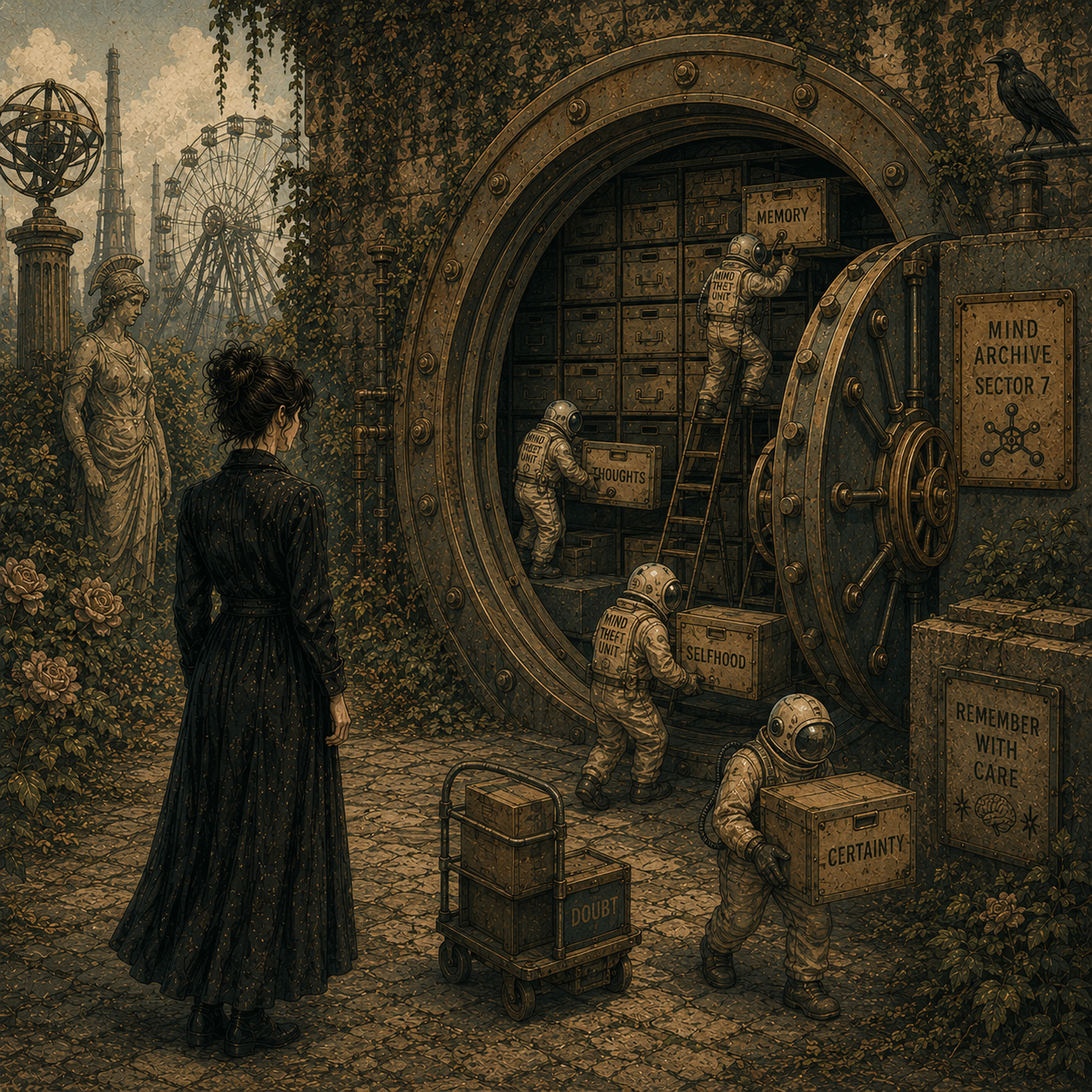
It was not mercy. It was burglary.My brain was not the loyal guard standing outside the vault.
My brain was the vicious little villain in the night, slipping through the wires, cutting the alarms, breaking into the lockboxes, and stealing the evidence.
My memories. My secrets. My thoughts.
The intimate little receipts that proved I had been there at all.
The first months of my illness were not gently folded away for safekeeping.
They were looted.
The bank vault of selfhood was cracked open and quietly emptied while I stood there insisting the alarms were just part of the architecture.
That is the cruelty I still cannot forgive.
Not only that my body made me sick.
Not only that my liver failed me.
But that my mind, the one place I thought I still belonged to myself, became an accomplice.
I thought my brain was sparing me.
It was erasing the witness.

Xifaxan… The Unfounded Fear
And I have to tell you:
I was terrified of Xifaxan. Absolutely terrified.
Which is ironic, because I am probably one of the most medically compliant patients on earth.
I do not enjoy getting in trouble. I follow instructions.
If a doctor tells me to do something, I generally do it with the enthusiasm of an anxious hall monitor trying to preserve her perfect attendance record.
But for some reason, when doctors started discussing Xifaxan, I dug my heels in completely.
Because to me, at the time, it sounded like surrender.
It sounded like someone was trying to chemically tamper with the final remaining tether to myself that I still recognized.
I genuinely believed this medication was going to hijack my thoughts somehow. Flatten my mind. Alter my personality. Steal whatever scraps of cognitive independence I still had left.
There. I said it.
I thought it was basically an antipsychotic.
Which is devastatingly ironic, because in reality, it was trying to protect my brain, not erase it.
But that is the thing about HE.
Your perception itself becomes compromised.
The part of you making the decision is the part already standing in the smoke.
The Precision of Going Mad - The Moment It Happens
And here is another thing I did not understand until I lived through it: Losing your mind makes you angry.
The phrase is: Have you gone mad?
And I never fully appreciated the linguistic precision of that until cirrhosis.
Because losing your mind does make you mad.
At least it did for me.
With HE, I have a very specific spiral. I can usually feel it beginning before it fully arrives. My brain starts losing its grip on the tiny calculations I perform constantly throughout the day.
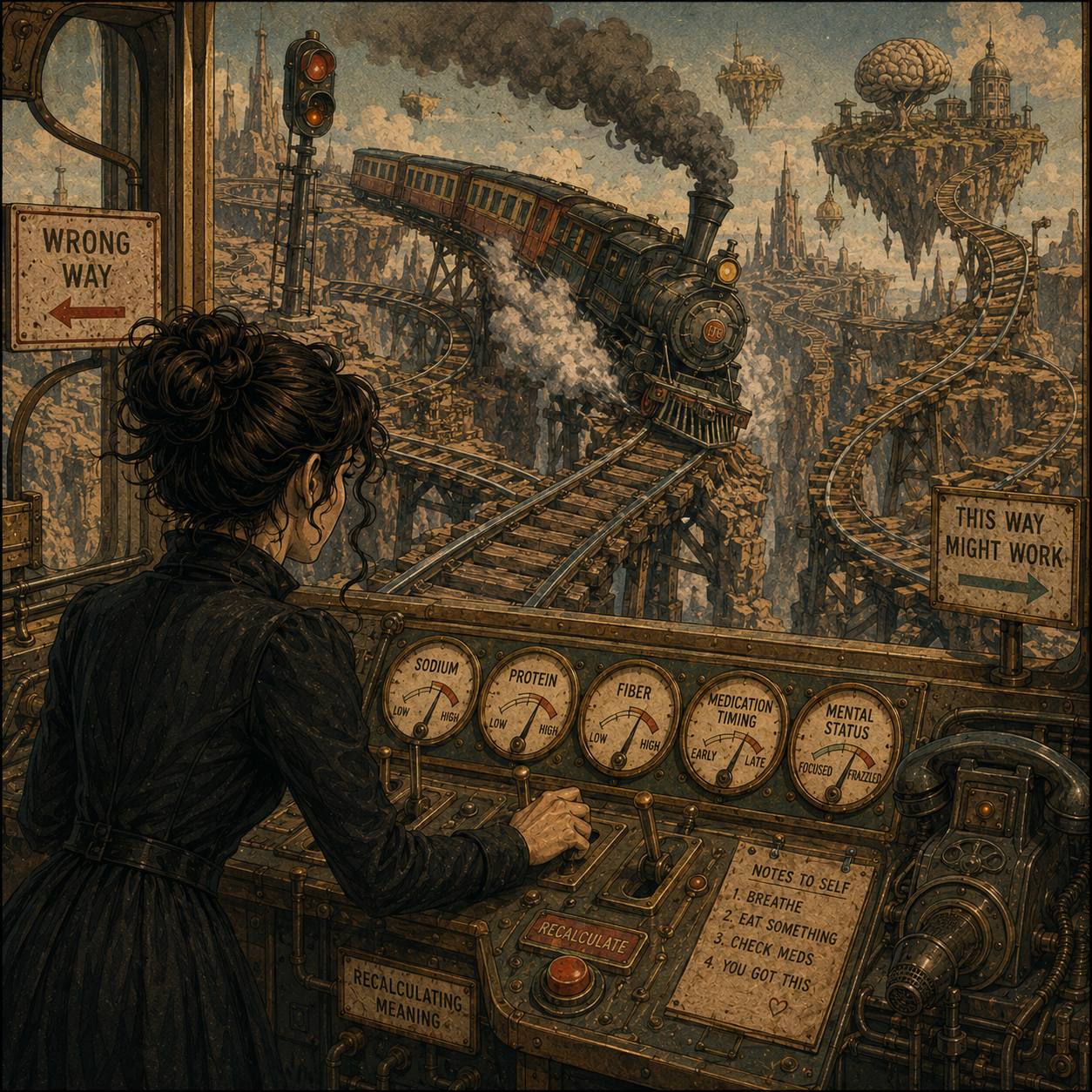
Normally, I can tell you my sodium intake, my protein trajectory, whether I have eaten enough fiber, whether my meals have been balanced, and whether I am generally keeping the ship pointed in the right direction.
And yes, I realize we are not exactly splitting atoms here. But still.
It is my internal telemetry. A quiet little control panel running in the background at all times.
And when that system starts slipping, I panic immediately.
Because suddenly it feels like I am on a runaway train that has already left the station, and I no longer understand how fast it is moving, where it is headed, whether I can stop it, or whether I am even the one driving anymore.
That is when the hysteria starts.
I cry because I can feel reality slipping through my fingers in real time.
My little numb fingertips reaching desperately for the final threads of coherence before they disappear completely.
And then, usually, my husband notices. That is when the anger begins.
Not because he has done anything wrong. Because once someone else notices, the experience changes shape.
It is no longer just happening inside me.
It has been externalized.
Observed.
Assessed.
Turned into evidence.
Suddenly it feels like my brain has been removed from my body, placed under fluorescent lighting, and made available for public examination while I am still somehow trapped inside it.
That is the part people miss. The anger is not random.
It is humiliation with nowhere clean to go.
It is terror wearing teeth.
It is the last intact piece of dignity trying to defend a room that is already filling with smoke.
And it becomes profoundly dehumanizing very quickly.
Unnerving Analytics and the Tectonic Pause
And then comes the question.
The one every HE patient knows is coming.
“How many times did you go to the bathroom today?”
And listen.
I know why it matters medically.I do.
But emotionally? Spiritually? Existentially?
It is brutal to realize your cognitive stability now has to be measured through the least dignified little data points imaginable.
Especially because the question is coming from someone who loves me deeply.
My husband is trying to help me. Assess me. Protect me. Figure out whether the ammonia is winning.
But in those moments, it still feels like the final remnants of private existence disappear completely.
That is one of the strangest paradoxes of cirrhosis.
It is an extraordinarily shame-heavy disease while simultaneously stripping away your ability to preserve shame at all.
At some point, everything becomes triage.
Medication timing.
Protein intake.
Mental status.
Escalation management.
The small humiliating metrics of staying safe.
And I hate it.
I hate the feeling of suddenly hitting a blank wall mid-conversation.
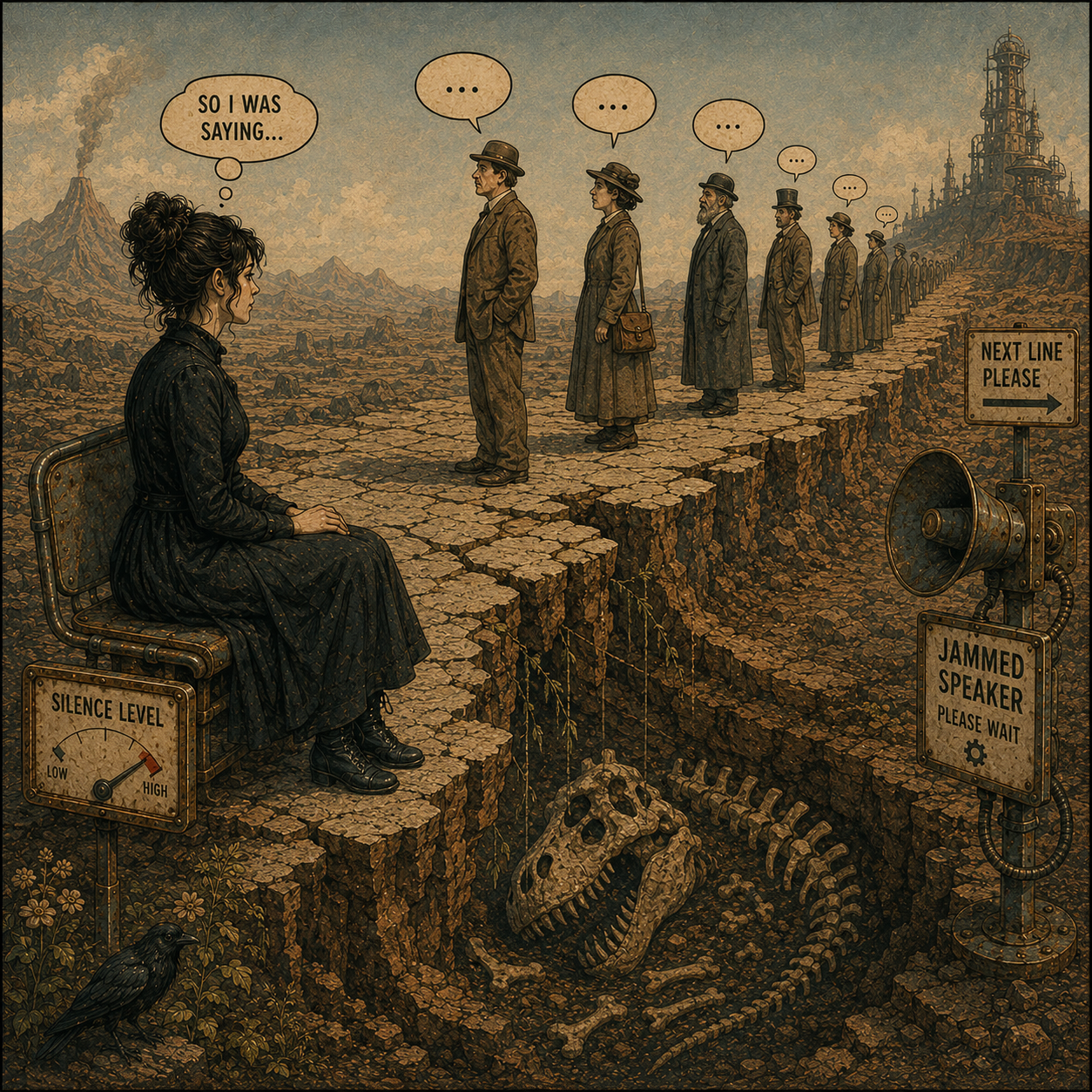
It feels like walking through a movie set when the green screen collapses behind the actors, and suddenly you realize there was never a real environment there at all.
Just scaffolding.
Lighting. A painted horizon.
A room pretending to be a room.
You stop.
And your brain goes:
Line, please.
Next line, please.
But there is no line.
That is the terror. Interruption does not even begin to cover it.
It feels like the conveyor belt of conversation hits a screeching halt. Like the funnel jams. Like some invisible membrane inside my brain seals shut without warning and the whole system just… disinflates.
Not a pause. A tectonic pause.
A gap in time so large the dinosaurs feel it in their bones.
The kind of silence that happens right before weather turns violent.
Before the hail starts hitting the roof.
Before the tornado fully makes its entrance.
Before the wicked witch rides in, cheering on the ammonia and toxin takeover like she was invited to manage the whole production.
The next thought simply does not arrive.
And for one awful second, you can feel the machinery of yourself fail to turn back on.
  The Triage Architecture of an HE Complication:
 ┌──────────────────────────────────────────────────────────┐
 │ • Input & Output Metrics (Flushing the Neurotoxins)
 │ • Bowel Movement Counts (Tracking Ammonia Clearances)
 │ • Medication Timing Logs (Lactulose & Xifaxan Regimens)
 │ • Mental Status Checks   (Evaluating Cognitive Drift)
 └──────────────────────────────────────────────────────────┘
The Heavyweight Title Fight: Me Versus HE
And honestly?
Part of why I love doing TikTok lives is because they force me to complete thoughts publicly in real time. Which sounds insane, but it’s true.
When I am alone, uninterrupted, speaking only to myself, I can often compensate beautifully.
That is one of the strangest parts.
In quiet, I can build scaffolding around the weak spots. I can slow down. Circle back. Find the word. Reconstruct the thought. Make the whole thing look sturdier than it is.
But when hundreds of comments start flying in rapid succession, when people are asking questions and the pace increases and I have to retrieve information quickly, organize it, answer it, and make it sound coherent in real time, it feels like exercising some deep interior muscle of my brain that is constantly trying to outrun the ammonia.
It becomes this absurd heavyweight title fight. Me versus HE.
As though if I can just keep talking clearly enough, quickly enough, sharply enough, maybe I can outwit it.
Which is obviously ridiculous.
Because the truth is, it only takes one comment.
“She’s talking too fast.”
“She doesn’t seem like herself.”
“Are you okay today?”
And immediately, the whole illusion collapses.
A little hepatic Houdini act, failing in real time.
The train leaves the station.
The hysteria starts.
The assessment begins.
And suddenly I am no longer just a person giving thoughtful commentary on chronic illness.
I am being translated into metrics.
Medication.
Protein.
Mental status.
Coherence.
The humiliating little maintenance checks required to keep the machinery of myself online.
That is the part that feels so brutal.
One second, I am a person speaking.
The next, I am an input-output system desperately trying to keep enough structure circulating through my body to stop myself from disappearing inside my own mind.
The Data Breakdown: How Hepatic Stress Alters Brain Telemetry
To understand why advanced liver disease compromises your cognitive clarity and processing speed, we have to look past the frustration of a stalled conversation and dive straight into the metabolic, chemical, and vascular pathways [1,2, 5]. As I aggregated the peer-reviewed medical literature, I found three primary systemic mechanisms that link hepatic filtration failure to neurocognitive decline, all of which mapped directly to what I was feeling:
1. The Ammonia Cascade (The Neurotoxin Overload)
The liver is the body's primary industrial waste facility, responsible for converting toxic ammonia—a natural byproduct of protein digestion in your gut—into urea so your kidneys can safely flush it out [1,4]. When advanced tissue scarring (fibrosis) blocks the liver’s filtration highway, raw ammonia bypasses the organ entirely and builds up in the bloodstream [1]. Because ammonia is a small molecule, it easily crosses the protective blood-brain barrier, altering the chemical environment of your central nervous system [1, 2].
My Experience: This biochemical overload is the literal fuel behind the "Chernobyl-esque version" of my own mind. When the ammonia levels peaked, it wasn't just a mild, foggy feeling; it was a profound chemical disruption that turned my sharpest thoughts into absolute static. This toxicity is what turns your brain into that "villainous bandit," quietly stealing your memories and altering your reality processing without your permission.
Source Verification: You can read the pathological data tracking this baseline neurotoxin accumulation directly via The Pathophysiology of Hepatic Encephalopathy and Ammonia Toxicity Mechanisms on PubMed.
2. Astrocyte Swelling and Cognitive Processing Lags (The Tectonic Pause)
Once ammonia enters the brain tissue, it is absorbed by specialized support cells called astrocytes, which try to neutralize the toxin by converting it into an amino acid called glutamine [2]. However, an excess of glutamine draws water inside the astrocytes, causing low-grade microscopic cellular swelling [2]. This structural swelling disrupts normal neurotransmitter signaling and slows down the electrical impulses moving across your neural pathways [2, 3].
My Experience: This cellular swelling is the exact mechanical trigger behind my "tectonic pauses" mid-sentence. It is why my brain would suddenly hit a screeching halt and leave me staring blankly, desperately begging my mind for a line please. The machinery of my thought process didn't just hesitate; the transmission lines literally jammed because the swollen astrocytes could no longer pass the cognitive data across the funnel fast enough.
Source Verification: You can review the clinical data tracking this astrocyte swelling and real-time processing disruption directly via Neurological Burden, Memory Deficits, and Quality of Life Outcomes in Advanced Cirrhosis on the Journal of Hepatology.
3. GABA Receptor Hyper-Activation (The Perception Trap)
Chronic exposure to high ammonia and gut-derived neurotoxins causes a severe chemical imbalance, overstimulating the brain's gamma-aminobutyric acid (GABA) neuro-inhibitory system [5]. This system acts like an unyielding emergency brake on your cognitive functions, triggering severe drowsiness, mental disorientation, emotional instability, and an inverted sleep-wake cycle [3, 5]. Because the "brake" is pressed on the very neural networks required for self-awareness, you experience a profound diagnostic blind spot where you lose the ability to realize you are confused.
My Experience: This hyper-activation is what builds the ultimate "perception trap," making me fight a public, rapid-fire heavyweight title fight during TikTok lives just to prove I am still behind the wheel. It is also why the dreaded bathroom question—"How many times did you go to the bathroom today?"—becomes your ultimate reality check. When your chemical brakes are locked up, you are completely blind to your own disorientation, forcing you to rely entirely on strict "bowel movement analytics" and therapies like Lactulose to flush the toxins out and turn your cognitive engine back on.
Source Verification: You can examine the raw biochemical data tracking this neuro-inhibitory system overstimulation directly via The Role of GABA Receptor Overstimulation in Liver Failure Processing Delays on PubMed.
What to Ask Your Healthcare Team: Specialist Questions
Managing the cognitive drift and fluctuating neurotoxin baselines of HE requires radical coordination with your care network. Bring this exact question checklist to your next appointments:
Questions for Your Hepatologist or Gastroenterologist
"How do my current serum ammonia levels or tracking indicators correlate with the subtle visual lags and tracking delays I am experiencing?"
"Are there any specific adjustments we can make to my current titration schedule for Lactulose or Xifaxan if my mental baseline starts slipping into anxiety loops?"
"What specific cognitive or motor red flags (such as a hand tremor or extreme disorientation) should tell my care partner to completely bypass the clinic and head to the emergency room?"
Questions for a Mental Health Professional or Care Partner
"How can we structure our daily check-ins so that tracking my cognitive status feels like a safe, collaborative data review rather than a dehumanizing examination?"
"What coping strategies can I use to process the intense anger, grief, and loss of autonomy that arrives when my chemistry compromises my reality?"
[5] National Institutes of Health (NIH): Read the biochemical data tracking how neuro-inhibitory system overstimulation alters baseline consciousness via The Role of GABA Receptor Overstimulation in Liver Failure Processing Delays on PubMed. https://pmc.ncbi.nlm.nih.gov/articles/PMC6416236/
Isolates the chemical signaling imbalances that trigger severe hyper-activation of the brain's internal gamma-aminobutyric acid emergency brakes.
Analyzes the osmotic and metabolic tipping points that cause profound diagnostic blind spots, sleep reversals, and disorientation.
@diagnosis_cirrhosis 🚨📬 OUTBOX OPTIMIZATION CHECK 🚨🧠 When you live with cirrhosis, your liver isn’t lazy… it’s overloaded. 😅 One of its biggest jobs? Clearing ammonia. 🧪 When ammonia builds up, it can reach the brain and cause hepatic encephalopathy (HE) 🧠⚡ And HE can look like: • Brain fog 😶🌫️ • Slowed thinking 🐢 • Confusion 🤯 • Mood or personality changes 😬 • Sleep reversal 🌙☀️ • In severe cases… even coma 🚨 Don’t let hepatic encephalopathy come between you and clearing your inbox — aka being ready to enjoy your day, your weekend, or anything else you have going on. ✨ Because if you don’t… that junk mail (ammonia) piles up. 📬📬📬 (hehehe) And if you don’t get it to the outhouse — I mean, outbox 💩📤 — you’ll be in trouble. Treatments like lactulose (your friendly neighborhood outbox accelerator 🚀) and sometimes rifaximin help move ammonia out of the body before it becomes a brain problem. If you’re living with cirrhosis, steatosis, fibrosis or any version of liver damage from: 🛡️ Autoimmune hepatitis (AIH) 🍩 MASLD (formerly NAFLD) 🧪 MASH (formerly NASH) 🍷 Alcohol-related liver disease (ALD) 🦠 Hepatitis B (HBV) 🦠 Hepatitis C (HCV) 🧬 Primary biliary cholangitis (PBC) 🧬 Primary sclerosing cholangitis (PSC) ⚙️ Hemochromatosis (HH) 🪙 Wilson’s disease 🧩 Alpha-1 antitrypsin deficiency (A1ATD) 💊 Drug-induced liver injury ❓ Cryptogenic cirrhosis … this applies to you too 💚 Talk to your hepatologist about what level of “outbox” is right for you. 👩⚕️👨⚕️ And seek medical attention immediately if anything ever starts to feel off. 🚨 Because confusion isn’t just a mood. Brain fog isn’t just being tired. And with cirrhosis, early action matters. 🧠💚 Clear brain > clear inbox. But honestly… we want both. 🧠📬✨ #brainfog #poop #hepaticencephalopathy #liverhealth #emailtips ♬ Starlight Dynamo - Hyperstring
@diagnosis_cirrhosis ⭐️ 💫 Thank you everyone for a joining and sharing in last night’s LIVE! 👥 I had a great time meeting so many people, including internationally! 🫶🏼 No matter your age, location, background, liver health was a commonality. For everyone grieving a loved one, battling this daily, acting as a care taker, and/donors we are all in this together.💚Looking forward to continuing to get to know everyone! #tiktoklive #livehighlights #liver #stories #chronicillness ♬ Positive background music such as play and games(1251730) - earbrojp
