
-
Community
-
Levity
-
Nutrition
-
Support
-
Recommendations
-
Education
-
Advocacy
-
Compassion
- Community - Levity - Nutrition - Support - Recommendations - Education - Advocacy - Compassion
My Brain Betrayed Me: Navigating Hepatic Encephalopathy
Navigating the hidden fallout of Hepatic Encephalopathy is the ultimate exercise in vulnerability. It strips away your privacy, hijacks your telemetry, and forces you to play a high-stakes guessing game using the exact instrument that is actively being compromised.
But finding your footing inside this quiet, frustrating maze means realizing that your boundaries are still yours to build. You are not a broken machine or a collection of bowel analytics; you are a human being fighting a calculated, metabolic heavyweight battle every single second.

Lush with Lactuose
The short answer is that lactulose acts as a biological safety net for your brain, but the way it performs this task happens entirely inside your digestive tract. When a patient asks, "Why do I have to take so much lactulose?" they are usually looking for a liver solution. However, lactulose is prescribed because a severely stressed liver can no longer process systemic metabolic waste.
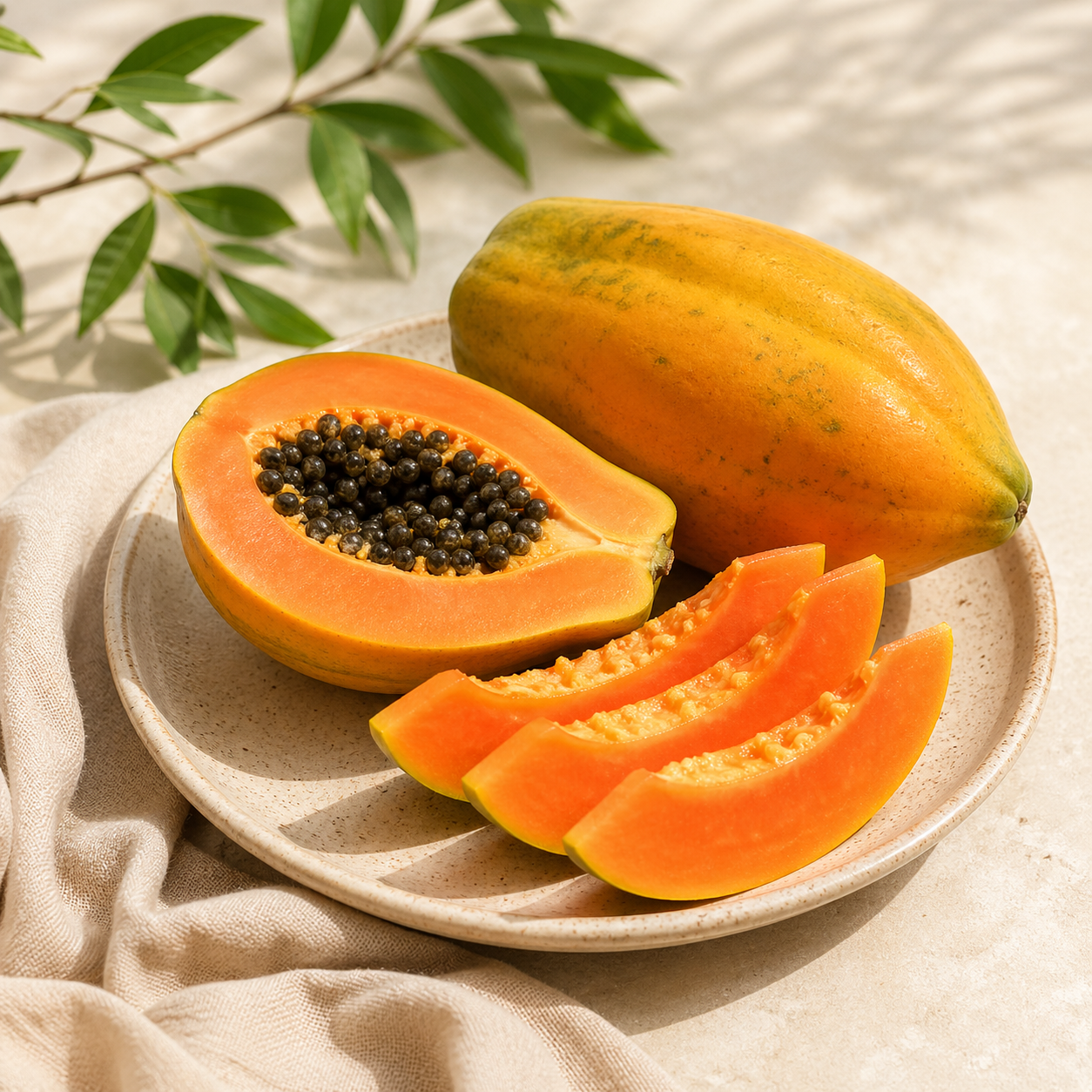
Papaya
In the specialized landscape of a cirrhosis-friendly diet, the Papaya (Carica papaya) is a heavy-duty metabolic ally. Often described as a "tree melon" by early explorers, this fruit acts as a biological tenderizer for the liver. For those managing liver scarring, its signature enzyme, papain, assists in the critical breakdown of proteins—a task that can be incredibly taxing for a damaged liver—while its dense concentration of antioxidants helps neutralize the systemic inflammation that drives fibrosis. Read more …

Hepatic Encephalopathy
Toxins like ammonia can build up in the bloodstream and reach the brain. This causes a neurological complication called Hepatic Encephalopathy (HE). It doesn't always look medical at first—it often looks like extreme brain fog, mood swings, or "laziness." But it is a real physical condition that patients cannot control. Read to understand the symptoms, hidden triggers, and treatments that help keep the mind clear.
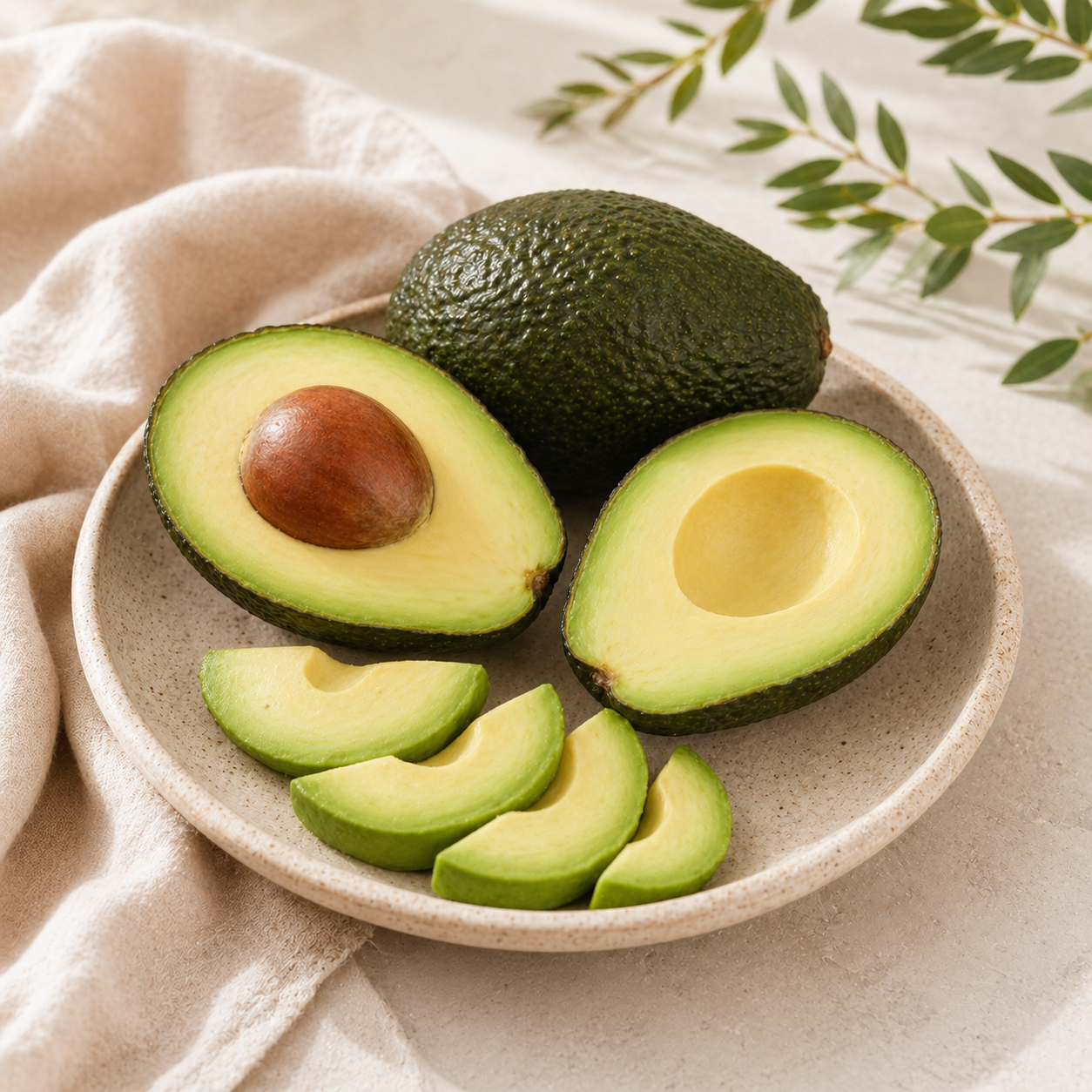
Avocado
Avocados: The "Emerald Shield" for Cellular Repair and Glucathion Boosting
In the strategic nutritional management of liver cirrhosis, the Avocado (Persea americana) stands as a premier medicinal fat. For individuals navigating the complexities of a scarred liver, the primary clinical threat is oxidative stress and systemic inflammation that accelerates the transition of healthy cells into fibrous tissue. Avocados offer a unique concentration of monounsaturated oleic acid, glutathione precursors, and Vitamin E. These specific compounds act as a biological "lubricant," helping to repair damaged cell membranes while providing a powerful antioxidant suit of armor that slows the progression of fibrosis.