
-
Community
-
Levity
-
Nutrition
-
Support
-
Recommendations
-
Education
-
Advocacy
-
Compassion
- Community - Levity - Nutrition - Support - Recommendations - Education - Advocacy - Compassion
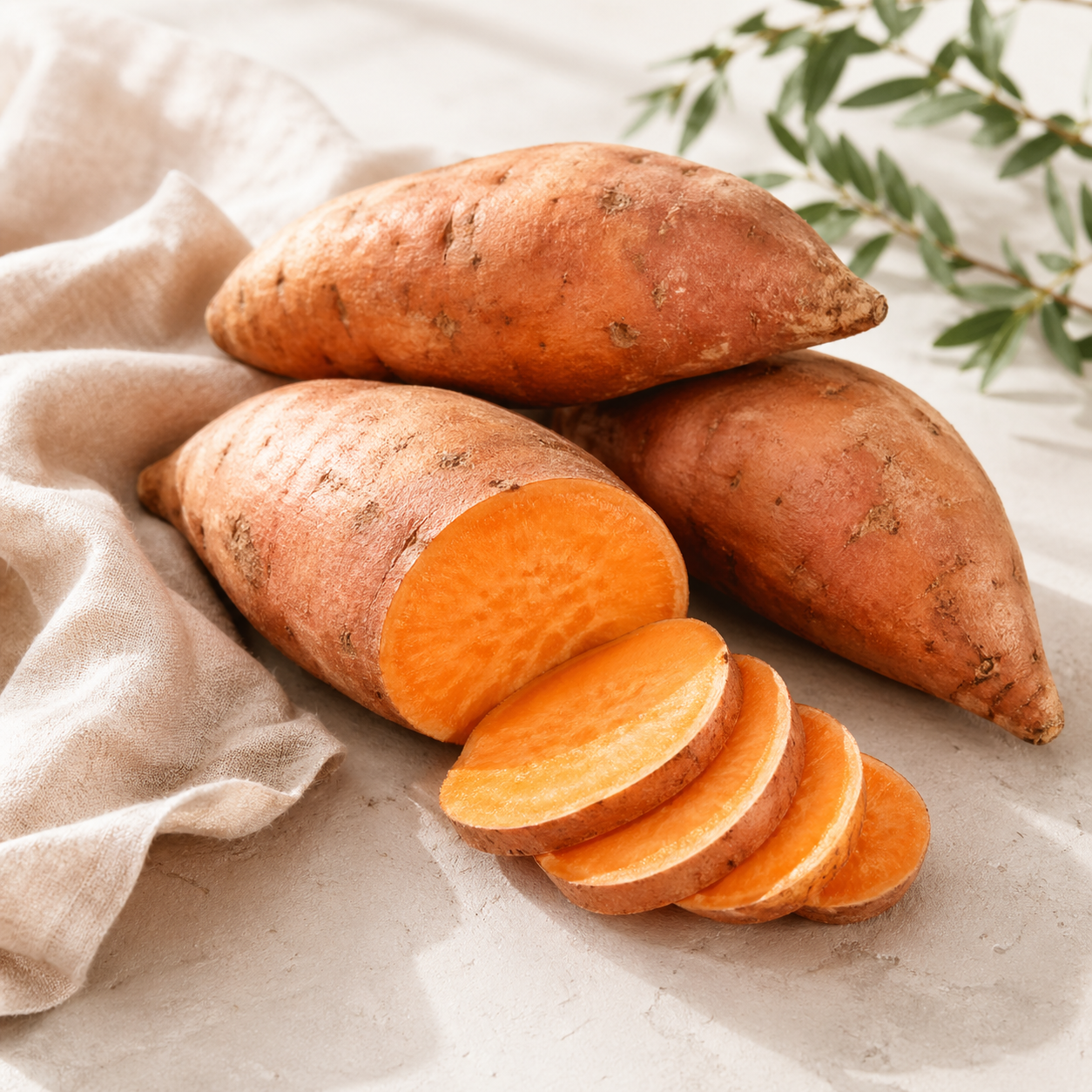
Sweet Potatoes
The Sweet Potato: A Golden Ally for Liver Health
For someone living with cirrhosis, the sweet potato is more than just a side dish—it’s a metabolic tool. Specifically, its high beta-carotene content is vital. While the liver usually stores Vitamin A, a scarred liver (cirrhotic) struggles to process it. Consuming beta-carotene from sweet potatoes allows the body to convert only what it needs, preventing the "vitamin toxicity" that can occur with liver-damaged patients taking synthetic supplements.
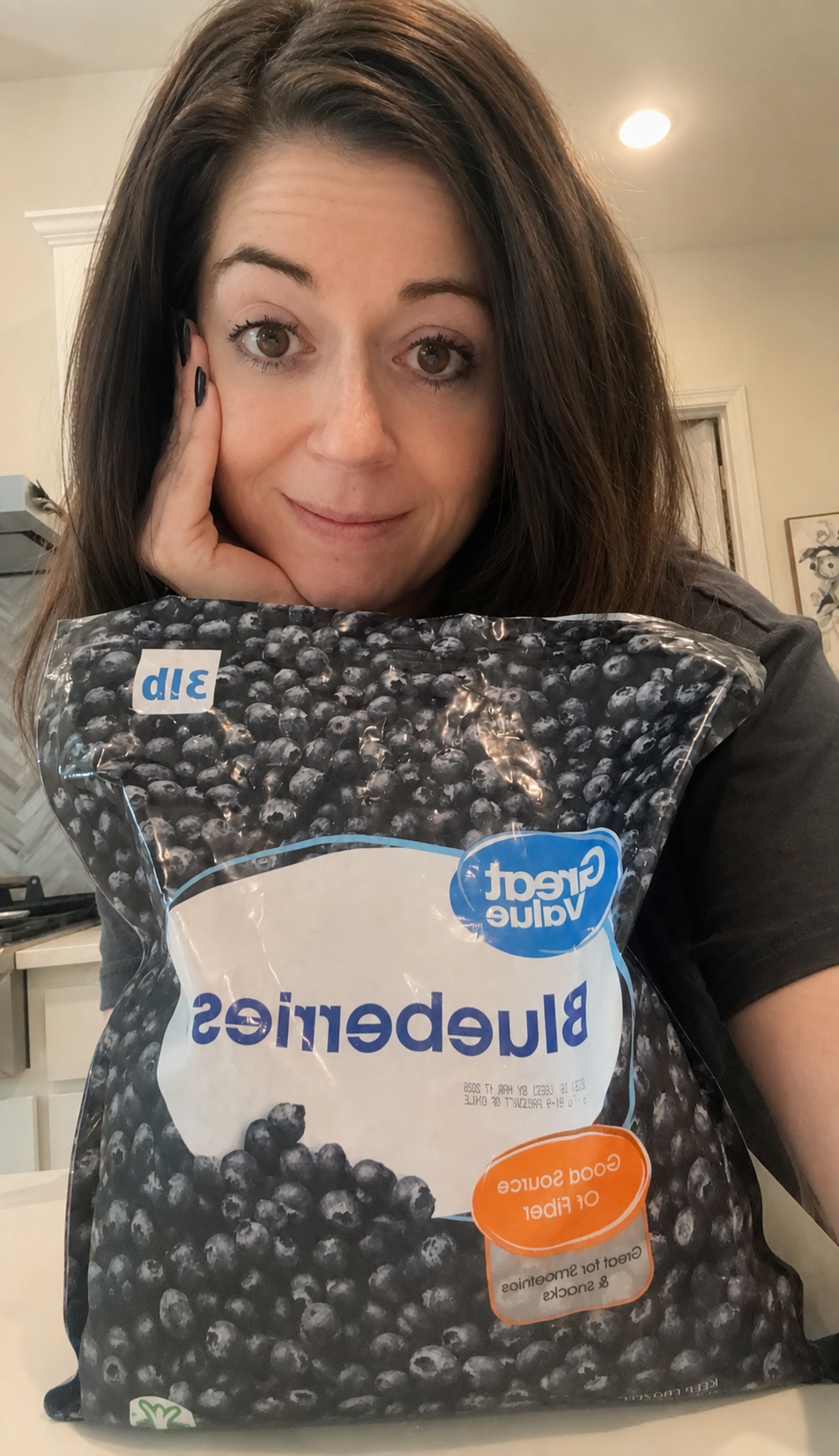
Blueberries
For liver health, blueberries are a staple. Their primary power lies in anthocyanins—the specific pigments that give them their deep blue hue. Research has shown that these compounds can actually slow down the development of liver lesions and inhibit the activation of "stellate cells," the cells responsible for producing scar tissue (fibrosis) in the liver.
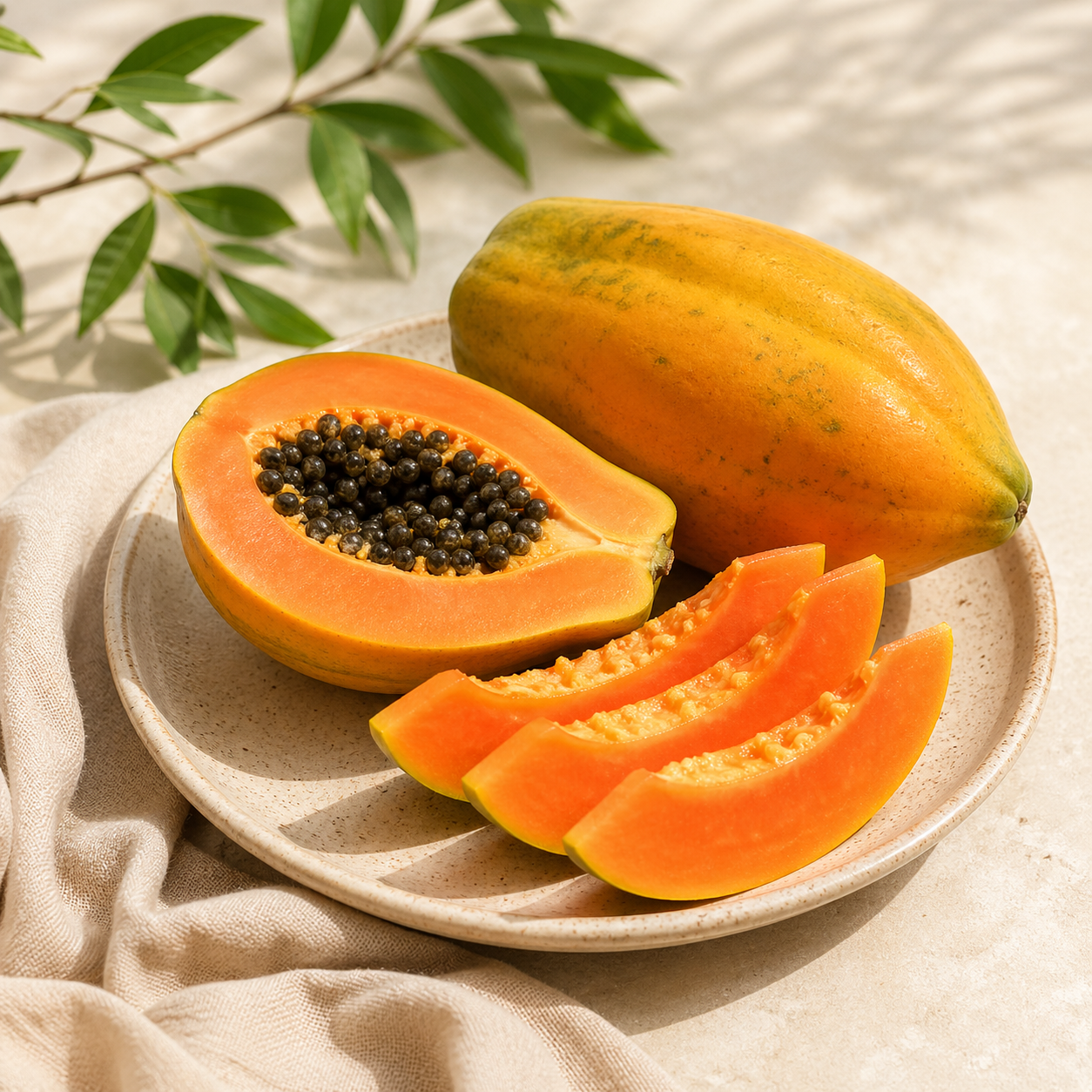
Papaya
In the specialized landscape of a cirrhosis-friendly diet, the Papaya (Carica papaya) is a heavy-duty metabolic ally. Often described as a "tree melon" by early explorers, this fruit acts as a biological tenderizer for the liver. For those managing liver scarring, its signature enzyme, papain, assists in the critical breakdown of proteins—a task that can be incredibly taxing for a damaged liver—while its dense concentration of antioxidants helps neutralize the systemic inflammation that drives fibrosis. Read more …

Strawberries
Strawberriesare prized as one of nature’s most potent "antioxidant powerhouses." While their sweetness makes them a favorite dessert, for someone with liver scarring, their true value lies in their high concentrations of anthocyanins and ellagic acid. These compounds act like a biological shield, neutralizing the oxidative stress that damages healthy liver cells and supporting the organ's remaining filtration capacity. Read more…
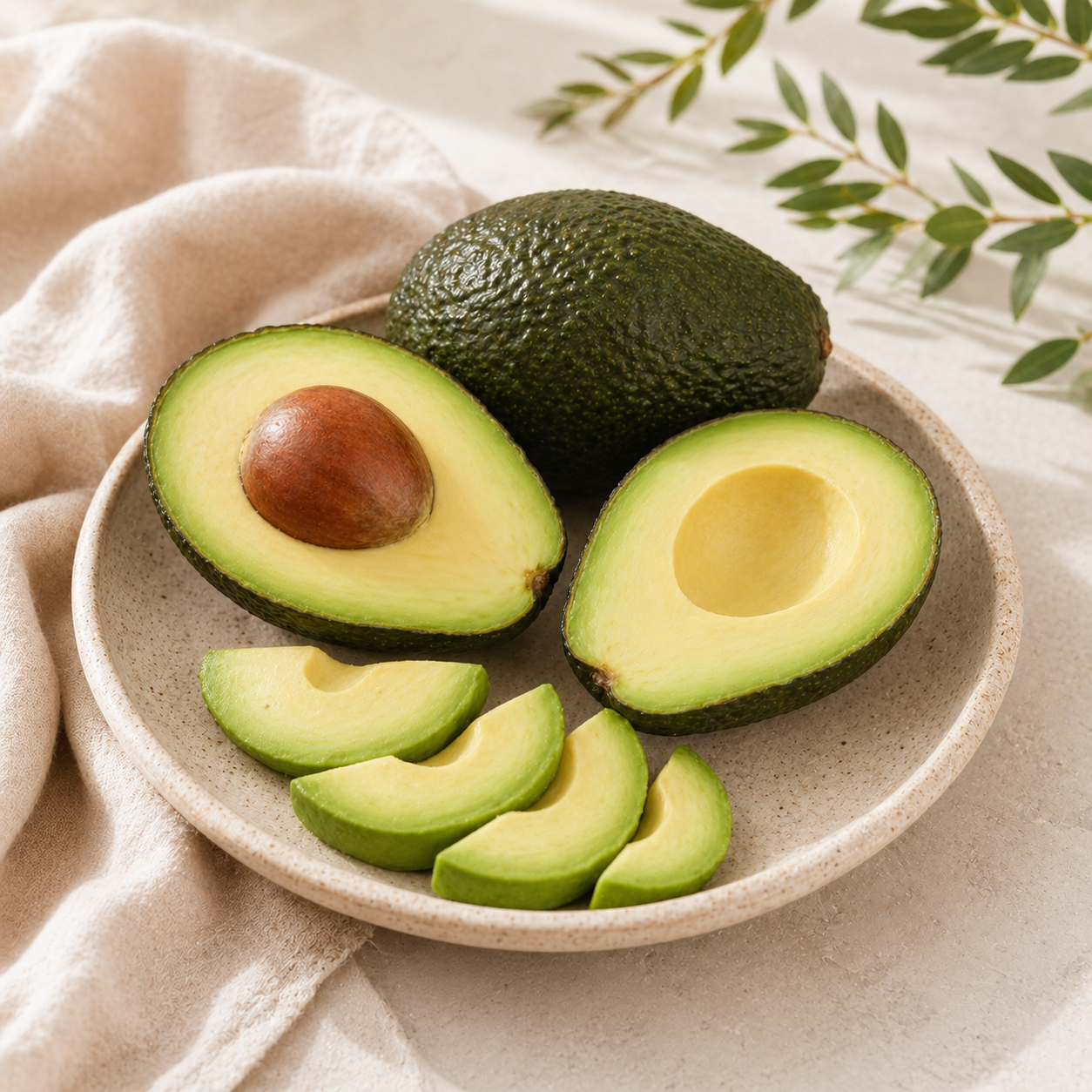
Avocado
Avocados: The "Emerald Shield" for Cellular Repair and Glucathion Boosting
In the strategic nutritional management of liver cirrhosis, the Avocado (Persea americana) stands as a premier medicinal fat. For individuals navigating the complexities of a scarred liver, the primary clinical threat is oxidative stress and systemic inflammation that accelerates the transition of healthy cells into fibrous tissue. Avocados offer a unique concentration of monounsaturated oleic acid, glutathione precursors, and Vitamin E. These specific compounds act as a biological "lubricant," helping to repair damaged cell membranes while providing a powerful antioxidant suit of armor that slows the progression of fibrosis.
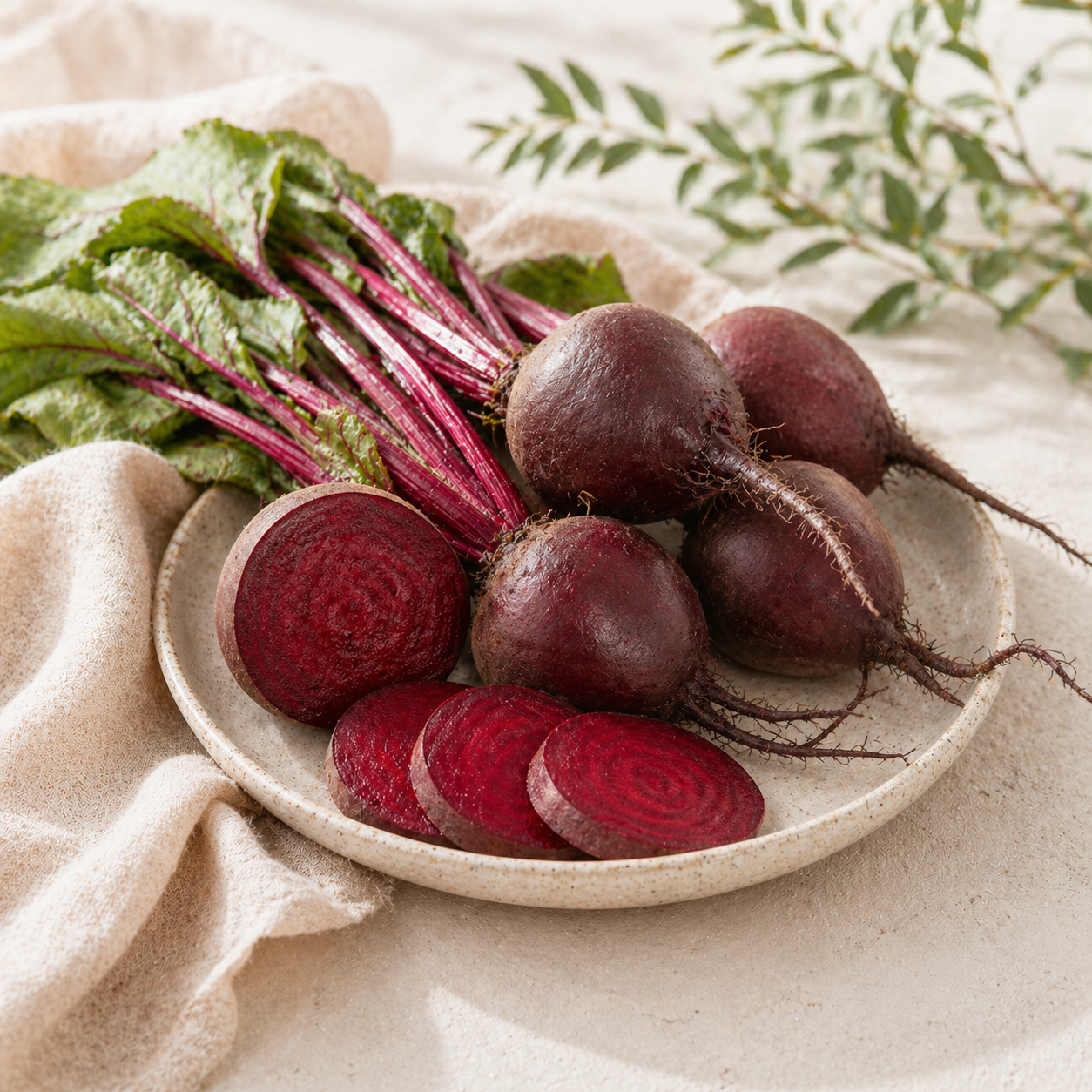
Beets
Beets: The "Vibrant Alchemist" for Fat Export and Bile Flow
In the strategic nutritional management of liver cirrhosis, Beets (Beta vulgaris) stand as a premier functional food for internal purification. For individuals navigating the complexities of a scarred liver, the primary clinical threat is hepatic steatosis (fat accumulation) and cholestasis (sluggish bile flow). Beets offer a unique concentration of betaine and betalains. These specific phytochemicals act as a biological "detergent," helping the liver export accumulated fats while stimulating the rhythmic flow of bile to flush toxins that drive the progression of fibrosis.