


Understanding Hair, Skin and Nail Changes in Advanced Liver Disease
At some point, there’s a strange realization: the symptoms are making an appearance.
Maybe it's extra hair in the shower drain. Maybe it's new blood vessels appearing across your chest. Maybe your palms are suddenly red, your skin tone looks different, or your nails seem to be changing for reasons nobody can explain.
The frustrating part is that these changes often feel cosmetic, when in reality they're clues. Your skin, hair, nails, and appearance are often reflecting changes happening much deeper inside the body. Hormones, blood flow, nutrition, liver function, and circulation all leave fingerprints on the way we look.
People often think of the liver as a filter. In reality, it's also part chemist, part traffic controller, and part hormone manager. When cirrhosis disrupts this, the effects can begin showing up in the mirror.
What It Feels Like
Unlike many cirrhosis symptoms, appearance changes are often noticed before they are felt.
Patients commonly report:
🪞 Hair thinning or shedding
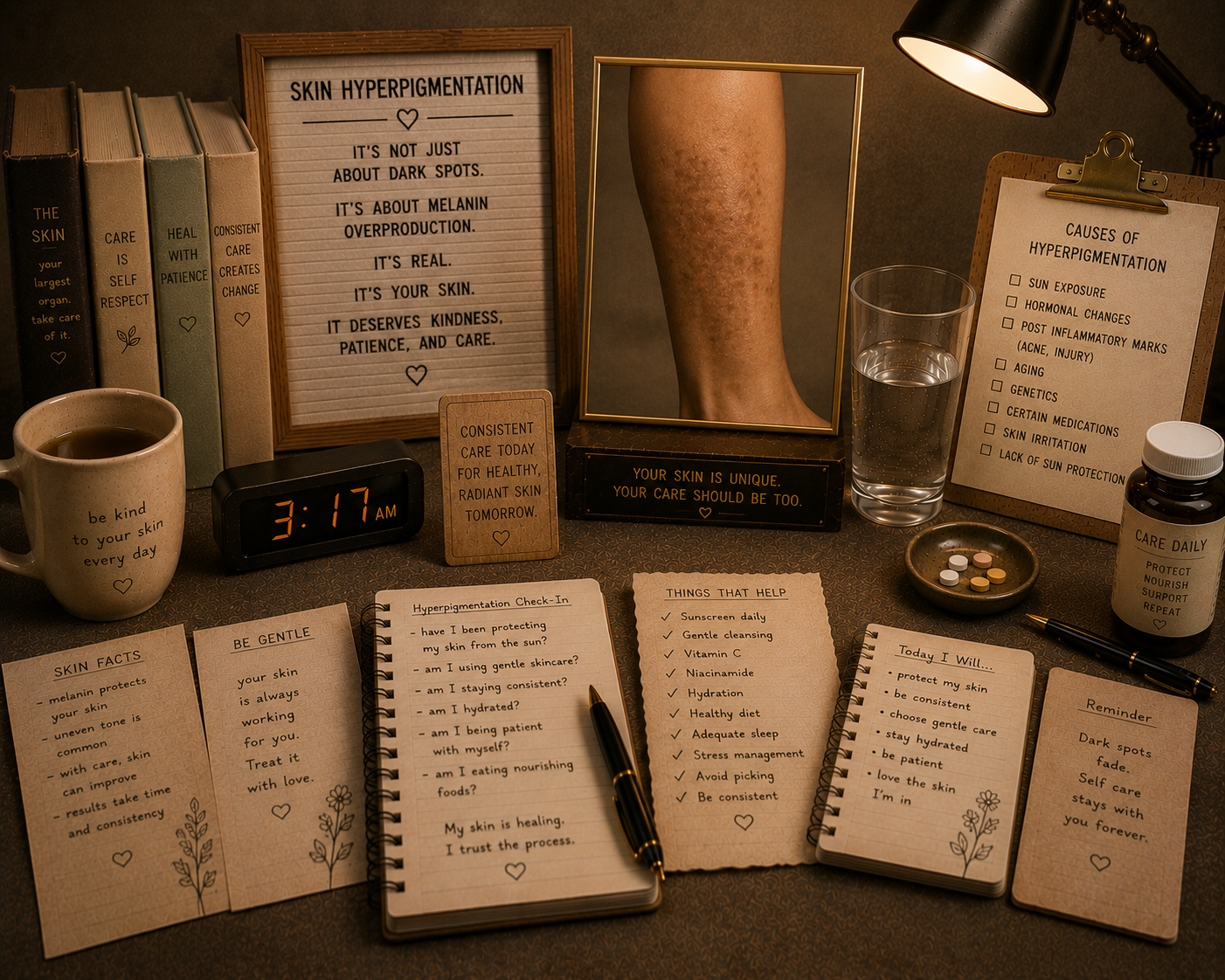
🪞 Changes in skin pigmentation
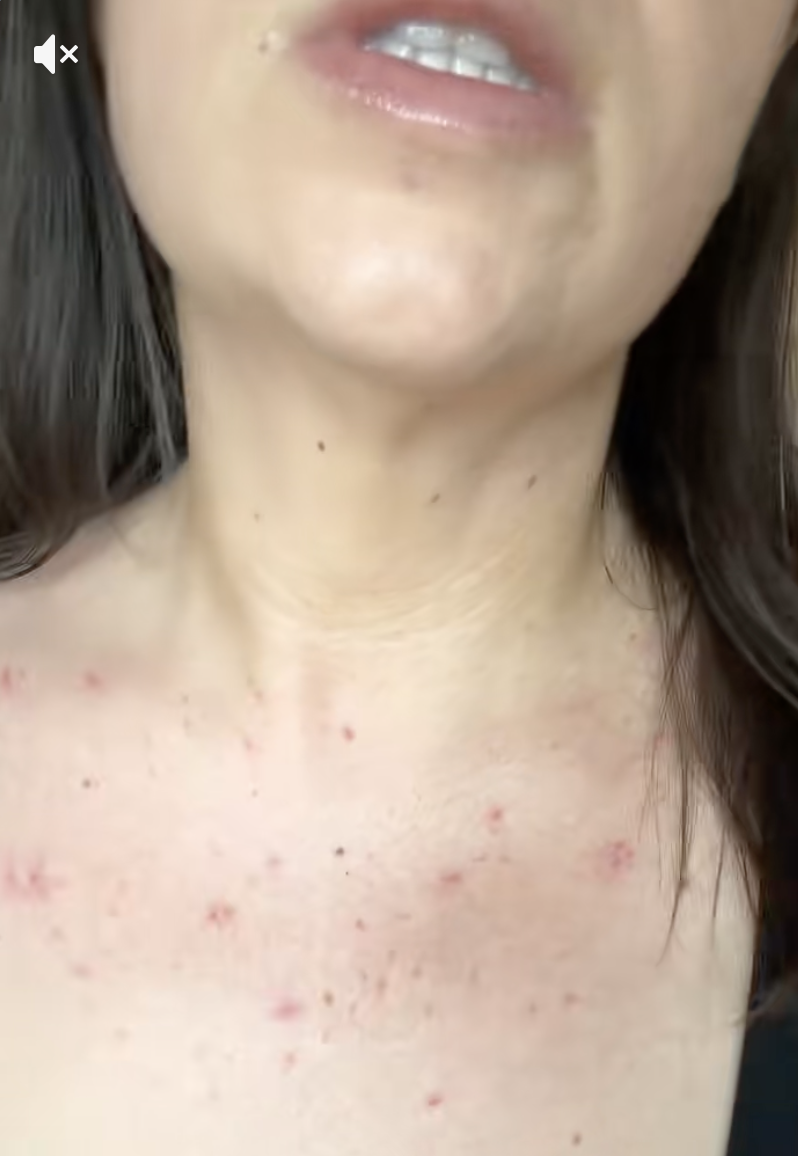
🪞 Spider angiomas on the face, chest, neck, or arms
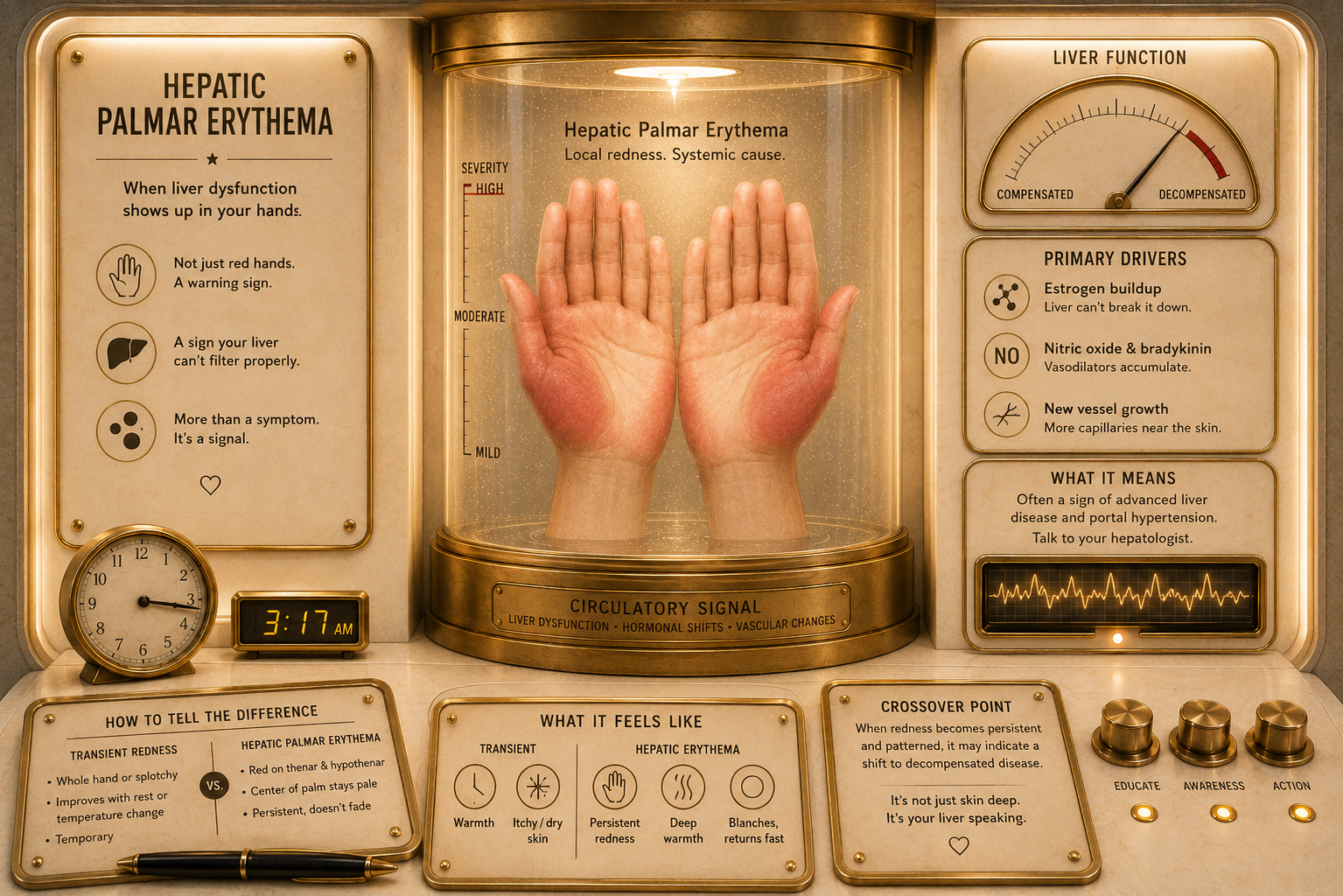
🪞 Red palms (palmar erythema)
🪞 Brittle nails or nail ridges
🪞 Dry skin
🪞 Easy bruising
🪞 Looking tired even when they feel okay
For some people, these changes are minor.
For others, they become one of the most emotionally difficult parts of living with a visible chronic illness.
Explore below to learn more & my experiences
Covered in Clues

What It Is
Your skin, hair, and nails are constantly being rebuilt.
To do that successfully, the body depends on:
Hormone regulation
Healthy circulation
Nutrient delivery
Protein production
Cellular repair
A healthy liver helps support all of those systems.
As cirrhosis progresses, several pathways begin changing at the same time.
Hormone Changes
The liver helps break down and regulate hormones, including estrogen.
When that process slows, hormone levels can become unbalanced, contributing to changes in hair growth, body composition, skin appearance, and blood vessel formation.
Blood Vessel Changes
Portal hypertension and altered circulation can cause tiny blood vessels near the skin's surface to dilate.
This can contribute to spider angiomas and palmar erythema.
Nutrition & Protein Changes
The liver plays a major role in nutrient processing and protein production.
When nutrition suffers, the skin may become fragile, hair may thin, and nails may become brittle or develop ridges.

Read More
The Crossover Point
Think of your appearance like the dashboard of a car.
Most of the machinery is hidden under the hood.
You don't see the engine working.
You don't see the fuel system.
You don't see the wiring.
What you see are the warning lights.
Skin, hair, and appearance changes are often those warning lights.
They're visible signs that systems beneath the surface are adapting, compensating, or struggling to keep up.
Things Nobody Explains
1. Hair Loss Isn't Always About Hair
Many people focus on the hair itself.
Often the issue starts with nutrition, hormones, inflammation, stress, or liver function.
2. Spider Angiomas Aren't Actually Spiders
Despite the name, they're tiny clusters of dilated blood vessels that radiate outward from a central point.
3. Looking Different Can Be Emotionally Exhausting
Many symptoms stay private.
Appearance changes don't.
They can affect confidence, identity, and the way people interact with the world.
4. Not Every Change is Permanent
Some appearance-related changes improve when the underlying liver condition, nutrition, hormone balance, or overall health improves.
What Helps
✔️ Optimizing nutrition
✔️Maintaining adequate protein intake
✔️ Managing underlying liver disease
✔️Regular monitoring and follow-up
✔️Treating complications when present
✔️ Protecting skin health
✔️Discussing concerning changes with your healthcare team
The Bottom Line
Skin, hair, and appearance changes are often some of the first signs that liver disease is affecting more than just the liver.
They are visible reminders that circulation, hormones, nutrition, and liver function are all connected.
Sometimes the mirror notices what's happening before the rest of the body does.
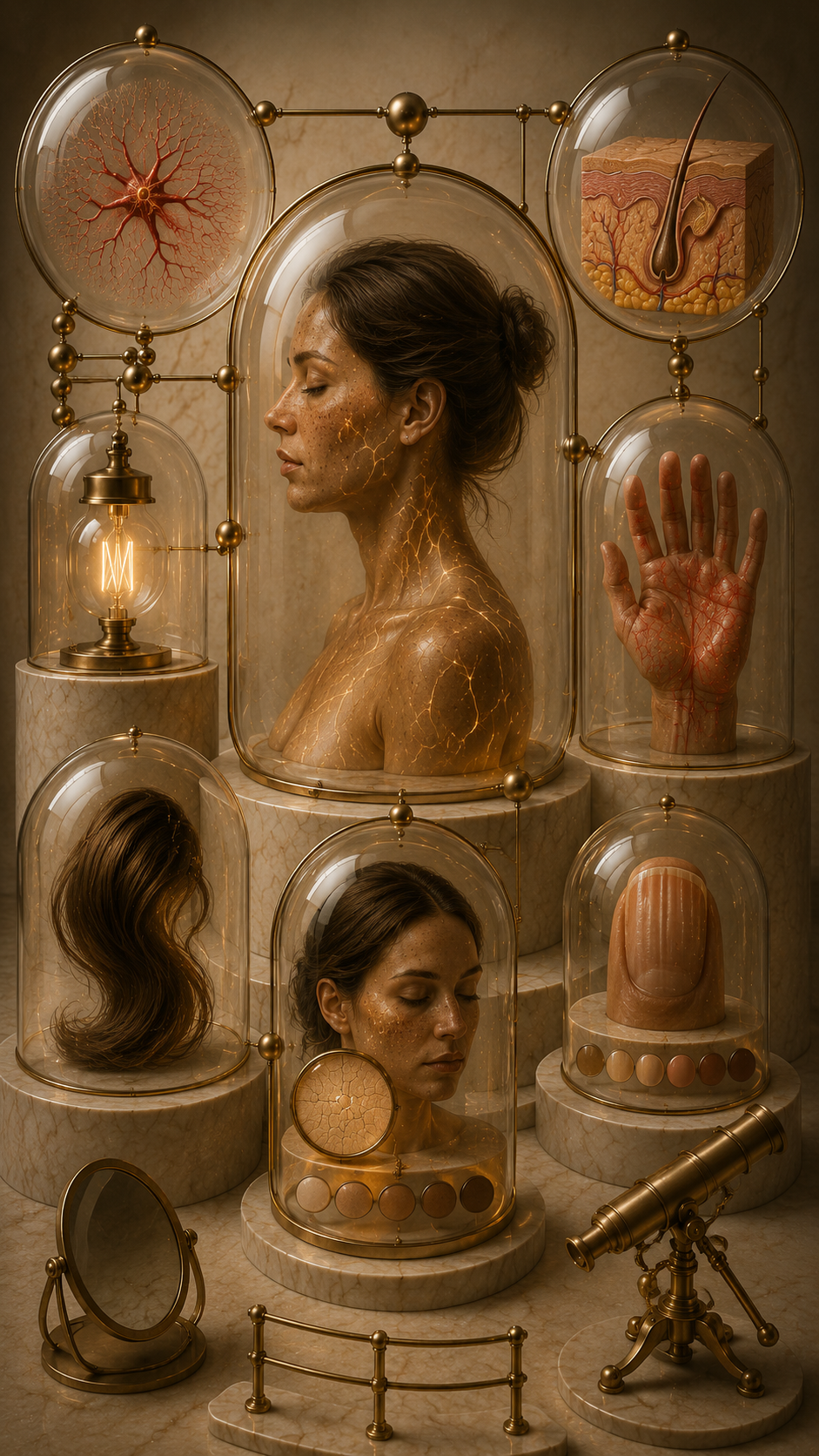
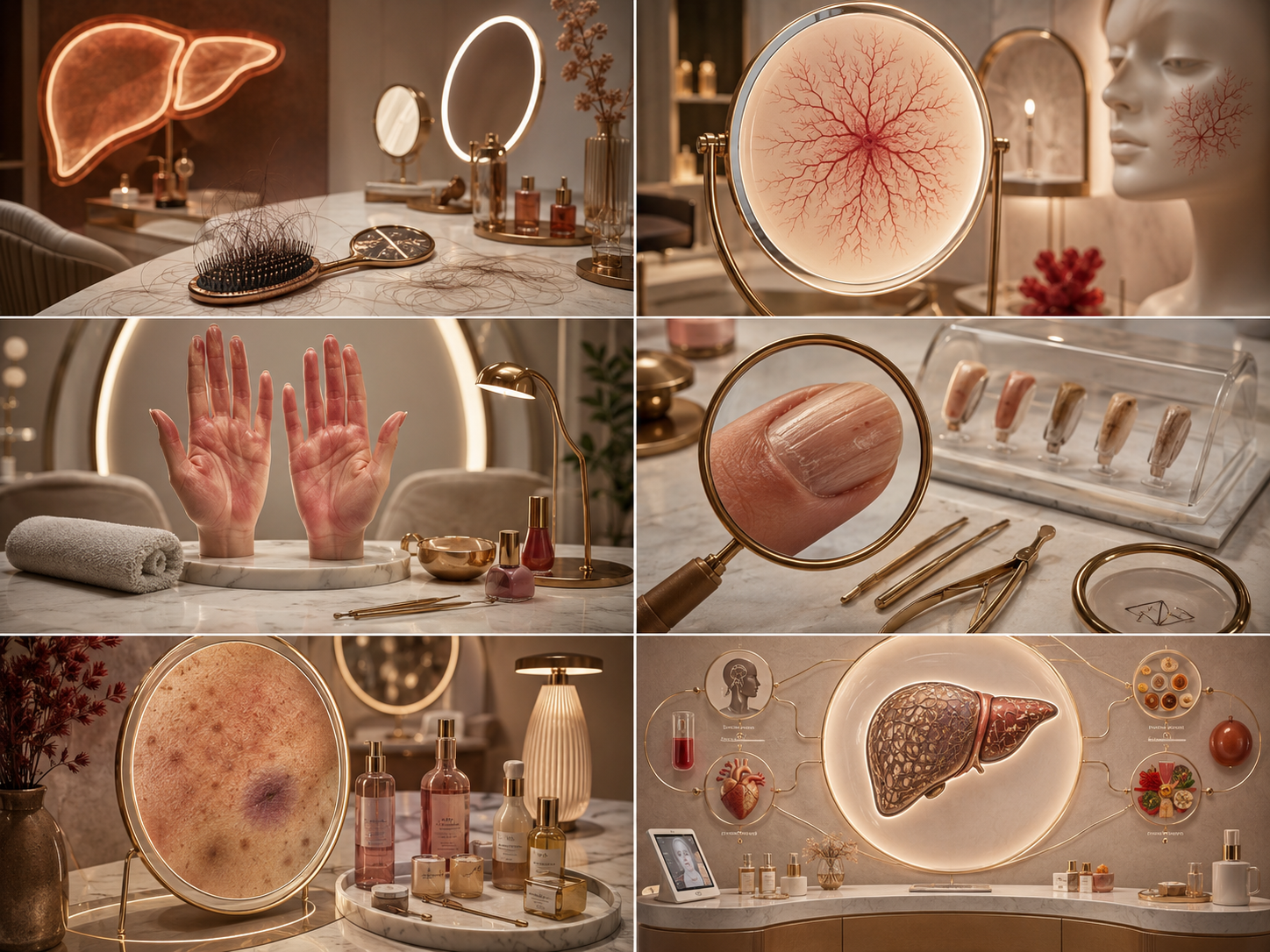
One thing about me is that, believe it or not, I have never been a particularly vain person. Was I in a sorority? Yes. Have I always worn makeup? Also yes. But my hair? Absolutely not. I am, with deep respect to myself, one of the least skilled full heads of hair this side of the Mississippi.
Which makes the hair loss even stranger emotionally. Because it was not about being precious with my blowout routine. There was no blowout routine. There was barely a routine at all. But hair still becomes part of your identity, even when your bad hair days are part of your brand. And when mine started falling out, it felt like the disease had finally learned my name.