Did My Liver Change My Vision?
Important Medical Disclaimer: I am Angie, a cirrhosis patient sharing my personal lifestyle, nutrition, and mindset journey. I am a data aggregator and community builder, not a licensed medical professional, doctor, or dietitian. Content on diagnosiscirrhosis.com is based solely on my personal experience living with advanced liver disease and is intended for informational and educational purposes only. It does not constitute medical advice or a substitute for professional medical care. Always follow the recommendations of your own healthcare team and consult your physician before changing your diet, medication, or lifestyle routine.
@diagnosis_cirrhosis 🚨👀 WHY did my eyesight just… STOP working?! 😵💫📱🌸🐣 POV: you’re swapping glasses like it’s a spring sport 🤓➡️👓➡️😵💫 Closer… farther… blink harder… STILL blurry 😩📉 Like hello??? since when?? 🌷😅 And then the spiral hits 🌀💭 👉 “Why is my vision blurry all of a sudden?” 👀 👉 “Can cirrhosis affect eyesight?” 🧠➡️👁️ 👉 “Does liver disease cause blurry vision?” 💛 👉 “Why can’t I focus my eyes anymore?” 📱😵💫 👉 “Is this vitamin A deficiency?” 🥕 👉 “Can portal hypertension affect vision?” 💧⬆️ 👉 “Is this fluid retention messing with my eyes?” 😳 👉 “Is this a flare or just a random symptom?” 🔥 👉 “Is my liver getting worse?” 📉 👉 “Is this normal with fatty liver or fibrosis?” 🍩🧬 Turns out… it might not even be your eyes 👀❌ When the liver is struggling, it can affect: ✨ Vitamin A storage 👁️🥕 ✨ Fluid balance & pressure 💧⚖️ ✨ Nerve signaling 🧠⚡ Which can show up as: 👉 Blurry vision 👉 Trouble focusing 👉 Eye fatigue 👉 That “my eyes are glitching” feeling 😵💫📱🌼 And the quick fix you’re hoping for?? 👉 About as real as the Easter Bunny fixing your eyesight 🐰❌👀 (sorry to the mall bunny 😅🐣) If you’re living with cirrhosis 💛, fatty liver (NAFLD/MASLD) 🍩, NASH/MASH 🧪, autoimmune hepatitis 🛡️🔥, alcohol-related liver disease 🚫🍷, hepatitis B 🦠, hepatitis C 🦠, PBC 🧬, PSC 🧬, fibrosis, or any liver condition… you KNOW the spiral 🌀💚 One symptom = 20 questions 🤯🌸 Your body is all connected — not separate systems 🧠➡️🫀➡️👁️🌷 If your vision suddenly changes, gets blurry, or just feels OFF 👀⚠️ 👉 Talk to your doctor or hepatologist 👩⚕️🩺 Because sometimes it’s not your eyes… it’s the bigger picture 💛✨ 🐣🌸 Easter reminder: cute baskets, candy, and bunny pics are fun… but your health isn’t a guessing game 🍬➡️🧠💫 #symptoms #eyesight #blurry#symptomsalth #fattyliver ♬ original sound - diagnosis cirrhosis
Can Cirrhosis and Your Liver Change Eyesight?
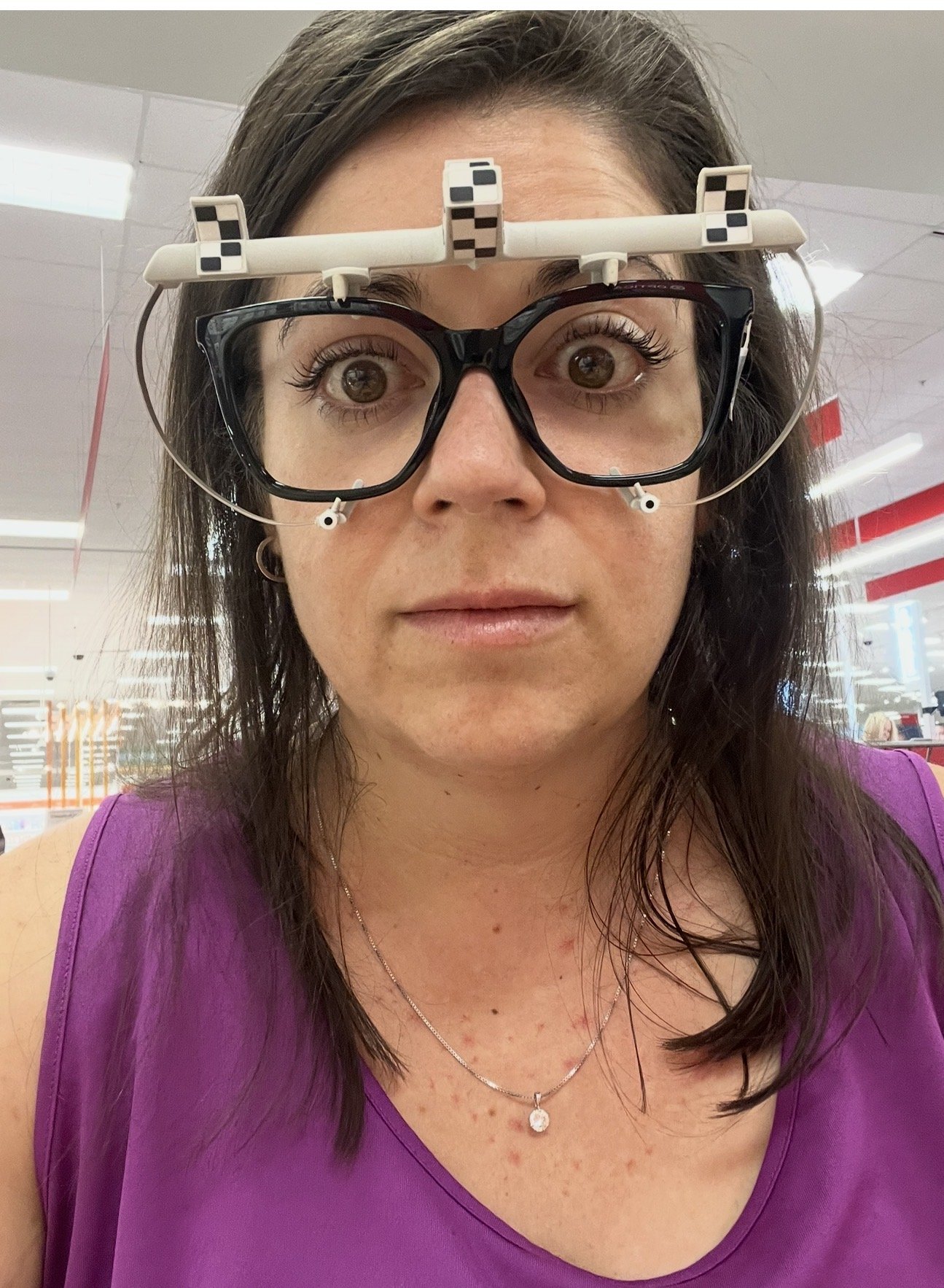
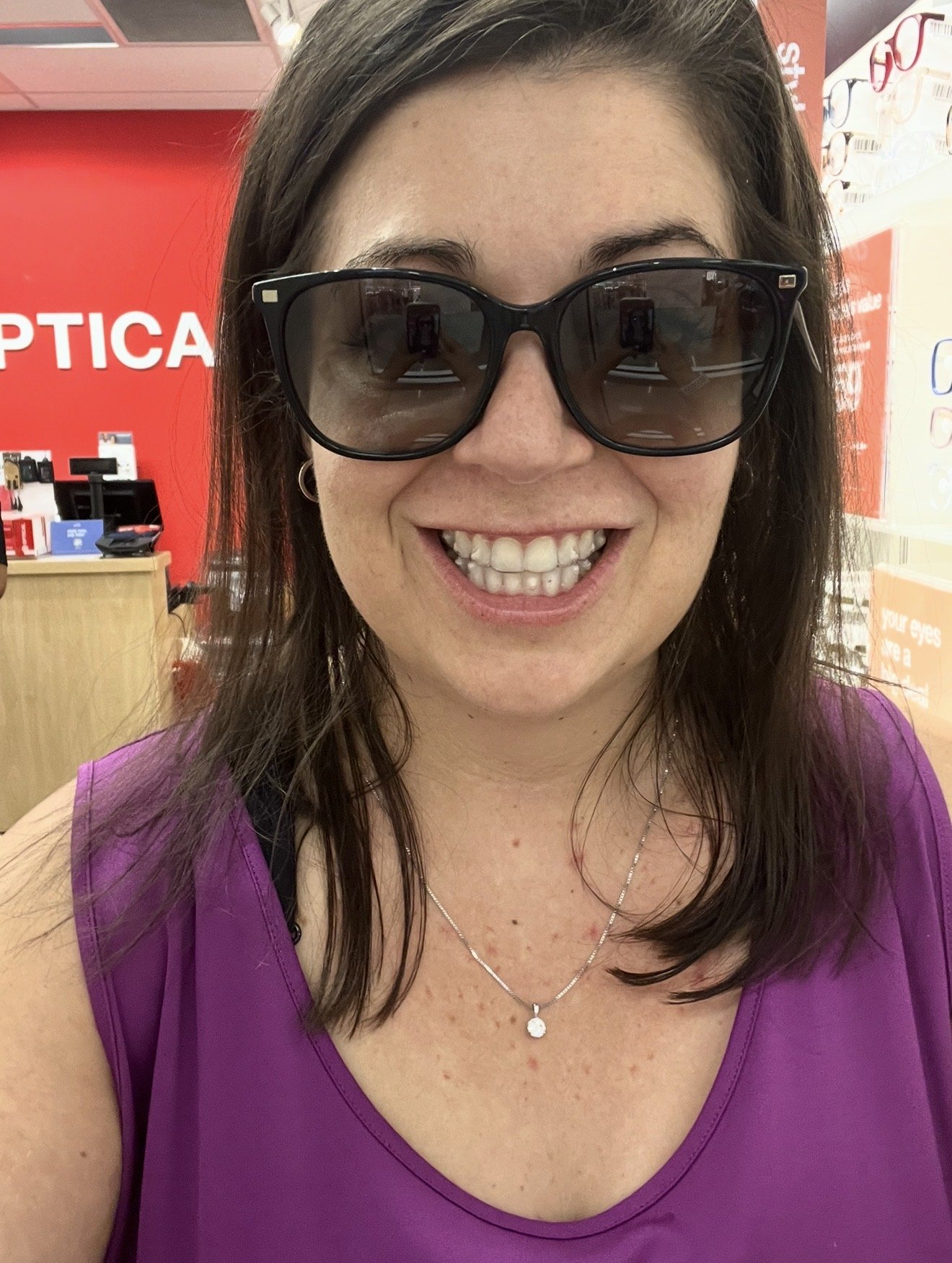
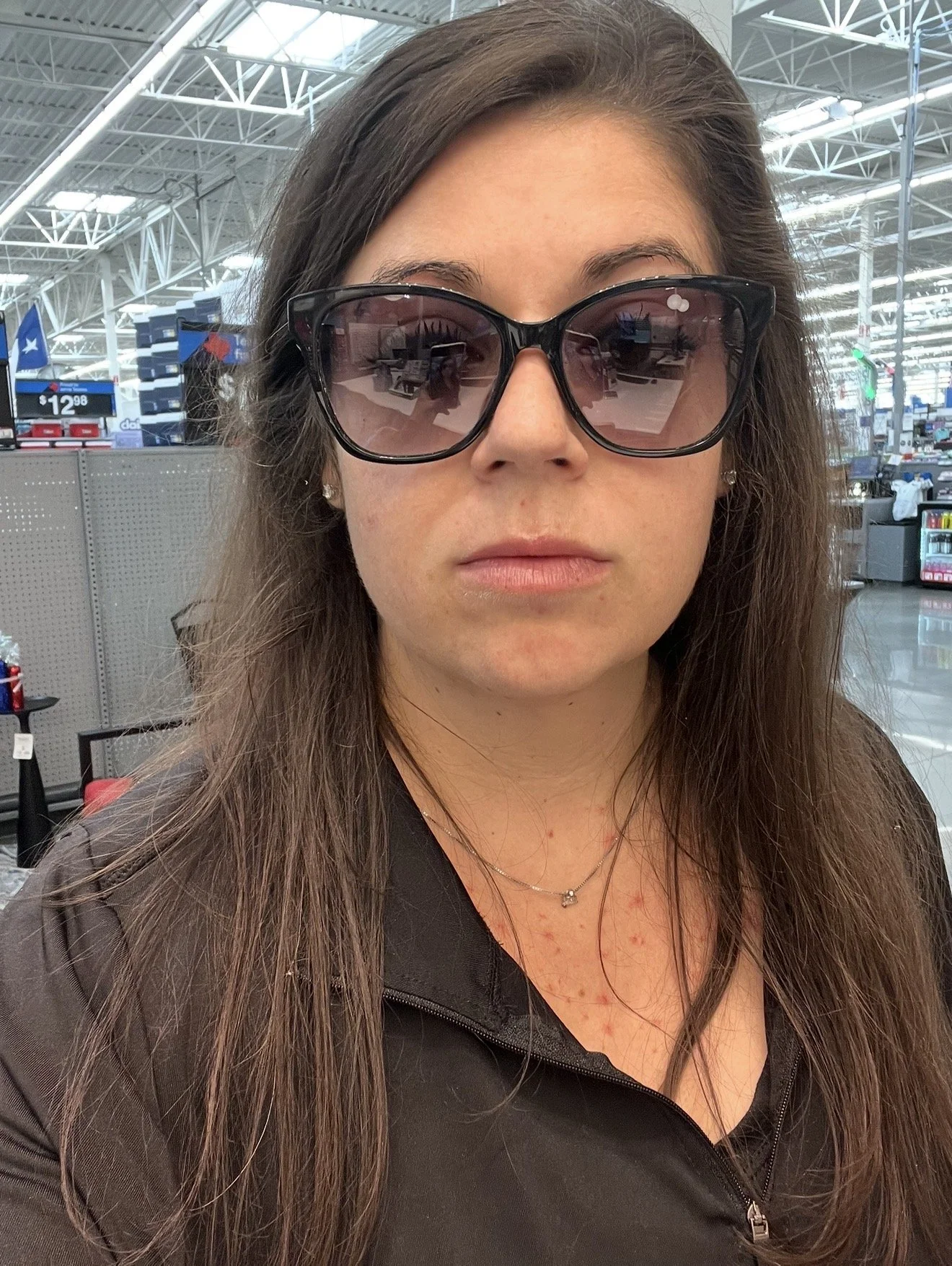
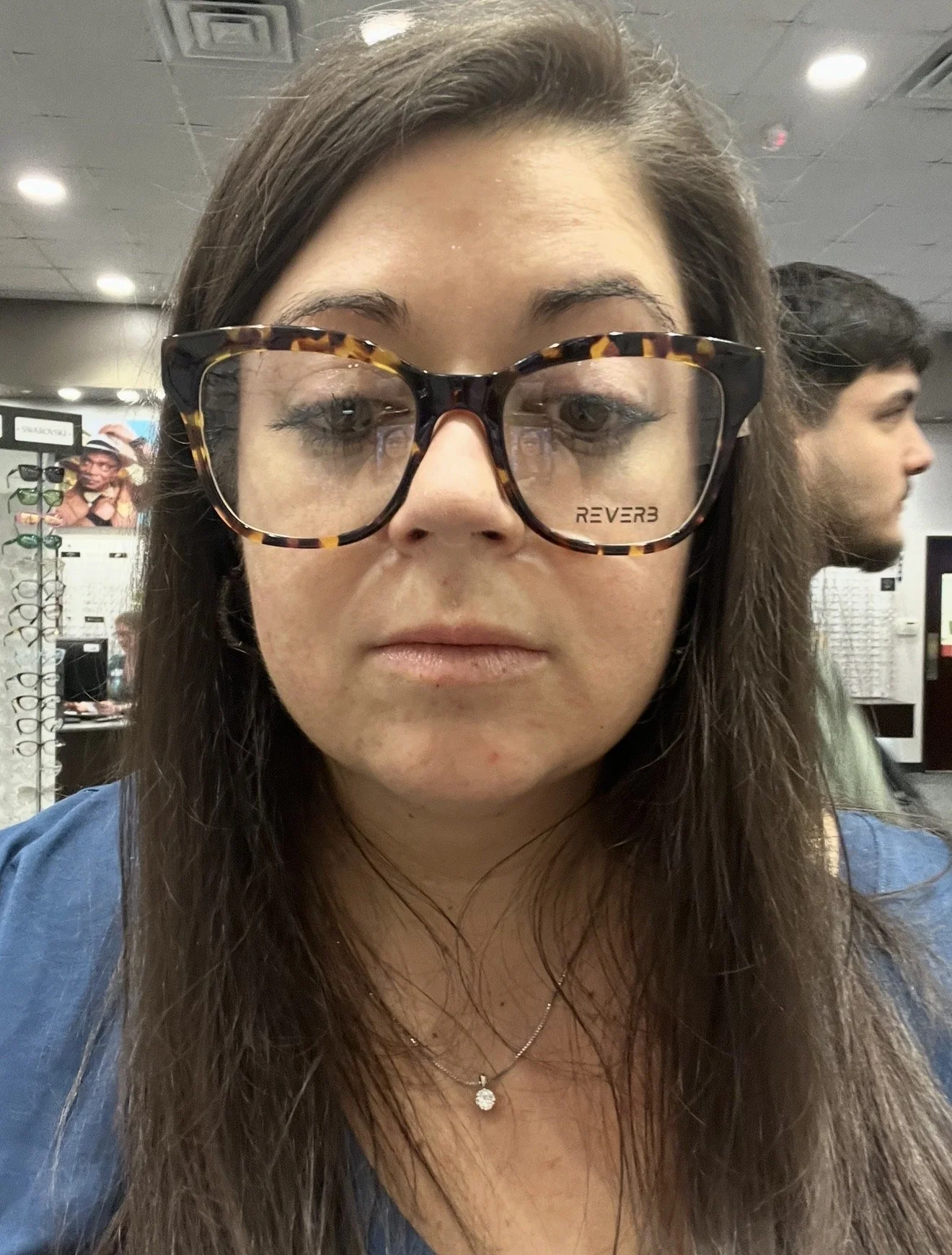
My Story of Swapping 3 Pairs of Glasses (+ Sunglasses!) before Checking My Liver. By Angie from @diagnosis_cirrhosis on TikTok
When you get diagnosed with advanced chronic liver disease, you brace for the greatest hits.
Jaundice.
Fluid retention.
Lab stalking.
The endless low-sodium math problem no one asked to be assigned.
What nobody puts in the welcome packet are the sensory jump scares. The weird little body plot twists that make you stop mid-sentence and think: wait… is my liver doing this too?
For me, it was my eyes.
Within the first year, my vision changed so dramatically that I ended up in an expensive, deeply annoying optometrist spiral: three separate visits, three new prescriptions, three different pairs of glasses.
I thought I was aging. I thought my eyes were just being dramatic. I thought I had an eye problem.
Turns out, I may have been optimizing for the wrong organ.
Because advanced liver disease does not politely stay in the liver lane. It affects metabolism, inflammation, hormones, nutrition, fluid balance, blood vessels, and sometimes, apparently, your ability to see the world clearly.
So if you are a patient or caregiver staring down a sudden vision change and wondering whether you are imagining things: you are not crazy, and you are not alone.
I’m not a doctor. I’m a patient who reads too much, asks too many questions, and tries to turn the medical literature into something a human being can actually use.
So let’s talk about what the science says about liver disease and vision changes, why your eyes may be part of the larger story, and what questions are worth bringing to your care team.
Can Your Liver Change Eyesight?
The short answer is yes—but not in the way most people or standard eye doctors think. When a patient asks, "Does cirrhosis impair eyesight?" they are usually looking for an optical explanation. However, hepatic vision changes are typically systemic and metabolic rather than structural.
When the liver is severely inflamed or damaged, it fails to perform its baseline filtration and synthesis tasks. This failure creates a cascade of metabolic imbalances that directly alter how light is processed, how ocular tissues stay hydrated, and how optical nerves function. Because standard optometrists are trained to look for structural changes in the eye itself, they often miss the underlying systemic triggers. This oversight leads patients to treat the symptoms with unnecessary prescription changes while the root cause remains unchecked.
The Data Breakdown: How Hepatic Stress Alters Vision
To understand why advanced liver disease impacts your eyesight, we have to look past the eyes and dive straight into the metabolic and vascular pathways. As I aggregated the peer-reviewed medical literature, I found three primary systemic mechanisms that link hepatic function to vision impairment, all of which mapped directly to what I was feeling:
1. Severe Vitamin A Deficiency (Malabsorption)
The liver is the primary storage and processing hub for fat-soluble vitamins. When hepatic tissue is severely compromised, bile production drops, leading to the malabsorption of vital nutrients—most notably, Vitamin A. Vitamin A is the fundamental building block for rhodopsin, the protein pigment in the retina responsible for light absorption and night vision.
My Experience: In my case, this Vitamin A drop hit me hardest at night. I remember driving home dusk after dusk, panicking because the headlights ahead looked like a smeared, blurry mess—a symptom my optometrist couldn't fix with standard lenses because my liver simply wasn't absorbing the nutrients needed for my eyes to process low light. A lack of bioavailable Vitamin A frequently manifests as this sudden night blindness, severe dry eye syndrome (xerophthalmia), or a fluctuating blurriness.
2. Fluctuating Blood Urea Nitrogen (BUN) and Hyperammonemia
When a damaged liver struggles to filter metabolic waste, toxins like ammonia begin to accumulate in the bloodstream, occasionally crossing the blood-brain barrier. While high ammonia levels are structurally tracked for causing the cognitive fog of Hepatic Encephalopathy, low-grade, fluctuating hyperammonemia can directly impact the central nervous system and cranial nerves.
My Experience: When my ammonia levels spike, my eyes don't just blur—they stop tracking correctly. During my worst weeks, I would stare at a text on my phone and experience a terrifying processing delay, where my brain couldn't register the words. It felt like an eye issue, but it was actually low-grade hepatic encephalopathy messing with my visual focus and causing transient visual processing delays or sudden double vision.
3. Portal Hypertension and Ocular Microvascular Changes
Advanced liver disease frequently leads to portal hypertension, which forces blood to find alternative vascular pathways throughout the body. This systemic pressure change doesn't just impact internal varices; it can alter blood flow dynamics within the delicate microvascular networks of the eyes. Increased systemic pressure can lead to subtle ocular changes, including dry eye irritation, retinal vascular alterations, and optic nerve sensitivity.
My Experience: I felt this as an overwhelming, heavy sensation of visual fatigue. No matter how much I rested my eyes or adjusted my glasses, the deep strain remained because the underlying vascular pressure was systemic, not optical.
What to Ask Your Healthcare Team: Specialist Questions
Navigating a complex symptom like vision change requires coordination across your medical network. Bring these highly specific questions to your next appointments to address the root cause of your symptoms.
📋 Questions for Your General Provider or GI Specialist
"Could my recent vision fluctuations be linked to my baseline liver labs, specifically my metabolic or waste filtration markers?"
"Are there specific medications or diuretics currently in my regimen that could be exacerbating severe ocular dryness or fluid shifts?"
"Can you coordinate a referral to an ophthalmologist who has experience managing systemic or neuro-ophthalmic symptoms linked to metabolic illness?"
🩺 Questions for Your Hepatologist
"Can we add a fat-soluble vitamin panel (specifically tracking Vitamins A, D, and E) to my next lab order to check for malabsorption?"
"Could transient visual processing issues or blurry focus be an early, low-grade indicator of fluctuating ammonia levels or mild Hepatic Encephalopathy?"
"Are the microvascular networks in my eyes at risk from my current portal hypertension tracking, and what thresholds should we monitor?"
🥗 Questions for Your Registered Dietitian or Nutritionist
"If I am suffering from Vitamin A malabsorption due to low bile, how can we safely incorporate liver-safe, fat-soluble nutrients into my low-sodium restrictions?"
"Are there specific whole-food sources of beta-carotene that my body can easily process without straining my liver metabolic pathways?"
"How should I structure my daily fluid and hydration goals to minimize systemic fluid shifts that might be altering my eye comfort?"
A Patient’s Guide to Navigating Vision Changes
If you are currently dealing with the frustration of fluctuating eyesight or feeling overwhelmed by a sudden change in clarity, here is a practical roadmap based on lived experience and medical consensus:
Stop Rushing to the Optometrist: If your vision is fluctuating wildly from week to week, your eyes are likely reacting to active metabolic spikes or nutritional dips. A static lens prescription cannot fix a moving metabolic target.
Coordinate with Your Specialists: Bring your vision symptoms and your custom question list to your next appointment. Always emphasize the link between your liver panels and your eyesight.
Focus on Systemic Hydration and Nutrition: Work tightly within your prescribed dietary limits. Prioritizing liver-safe, nutrient-dense, and low-sodium lifestyle frameworks helps stabilize systemic inflammation, reducing the fluid shifts that can alter ocular comfort.
Always Talk to Your Doctor: I am a data aggregator and a patient who lives this every single day just like you. Never make drastic changes to your diet, supplements, or medical routine without the explicit guidance of your healthcare team.
Peer-Reviewed Sources and References
National Institutes of Health (NIH): Read the clinical research on how chronic hepatic damage alters retinal visual pigments and cell healing via the PubMed Repository.
MDPI Medical Journals: Explore the systemic hemodynamic shifts and vascular tracing details in the specialized publication on Ocular Clues to Liver Disease.
National Library of Medicine (PMC): Review the medical data linking elevated metabolic waste and motor deficits via the study on Blood Ammonia and Eye-Hand Coordination.
Frontiers in Ophthalmology: Learn more about fat-soluble nutrient storage failure and night blindness under the study on Ocular Manifestations of Vitamin A Deficiency in Hepatobiliary Diseases.