
-
Community
-
Levity
-
Nutrition
-
Support
-
Recommendations
-
Education
-
Advocacy
-
Compassion
- Community - Levity - Nutrition - Support - Recommendations - Education - Advocacy - Compassion

Insomnia
How does a disease famous for making you tired also make it impossible to sleep?
For many people with cirrhosis, the sleepless nights stick around long after the panic fades. You're exhausted all day, wide awake all night, and somehow living on a schedule that feels completely disconnected from the rest of the world.
What starts as stress can eventually become something else entirely… a sleep-wake cycle that no longer seems to follow the clock.


Did My Liver Change My Vision?
Within a few months, my vision changed so dramatically that I ended up in an expensive, deeply annoying optometrist spiral: three separate visits, three new prescriptions, three different pairs of glasses.
I thought I was aging.
I thought my eyes were just being dramatic.
I thought I had an eye problem.
Turns out, I may have been optimizing for the wrong organ.
Because advanced liver disease does not politely stay in the liver lane. It affects metabolism, inflammation, hormones, nutrition, fluid balance, blood vessels, and sometimes, apparently, your ability to see the world clearly.
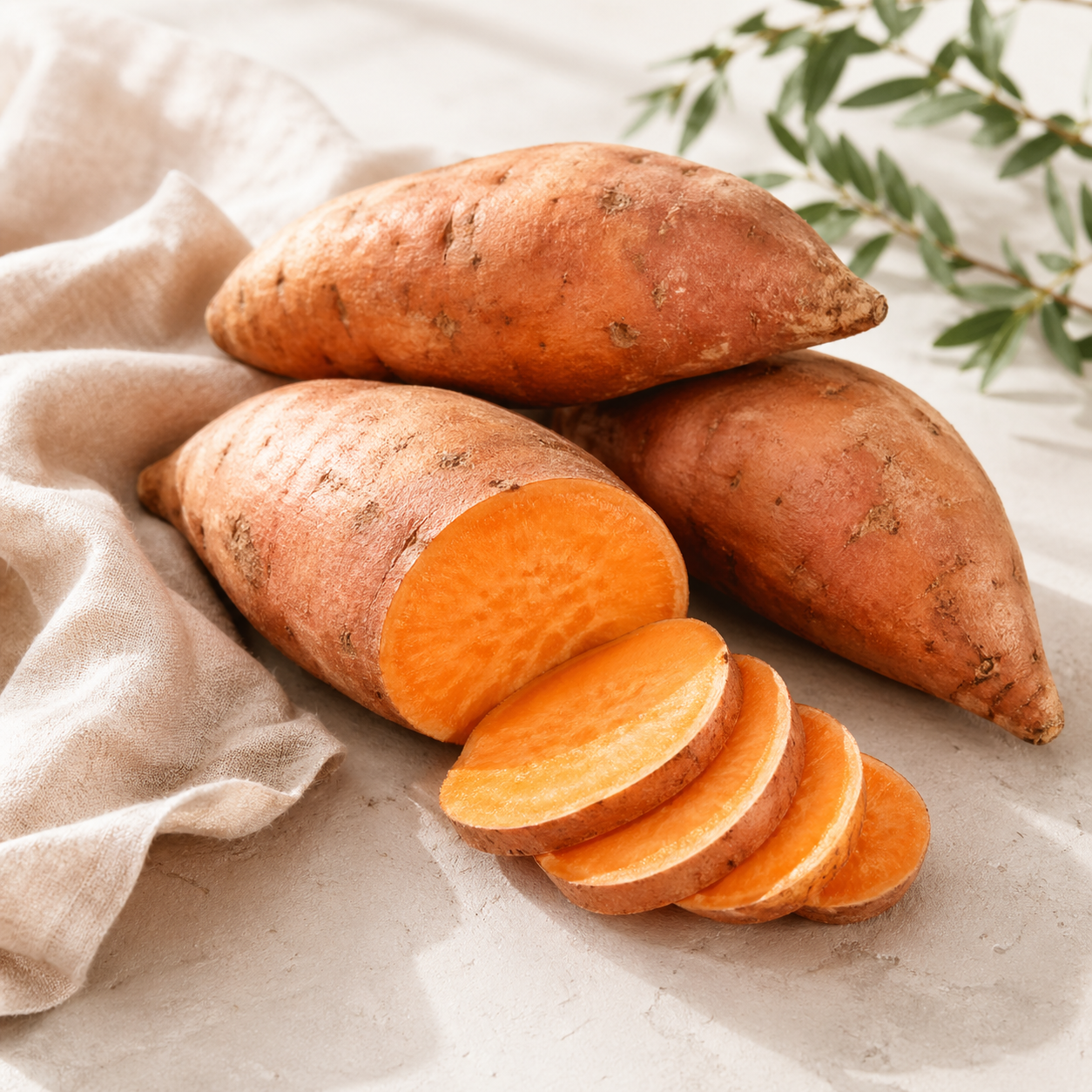
Sweet Potatoes
The Sweet Potato: A Golden Ally for Liver Health
For someone living with cirrhosis, the sweet potato is more than just a side dish—it’s a metabolic tool. Specifically, its high beta-carotene content is vital. While the liver usually stores Vitamin A, a scarred liver (cirrhotic) struggles to process it. Consuming beta-carotene from sweet potatoes allows the body to convert only what it needs, preventing the "vitamin toxicity" that can occur with liver-damaged patients taking synthetic supplements.
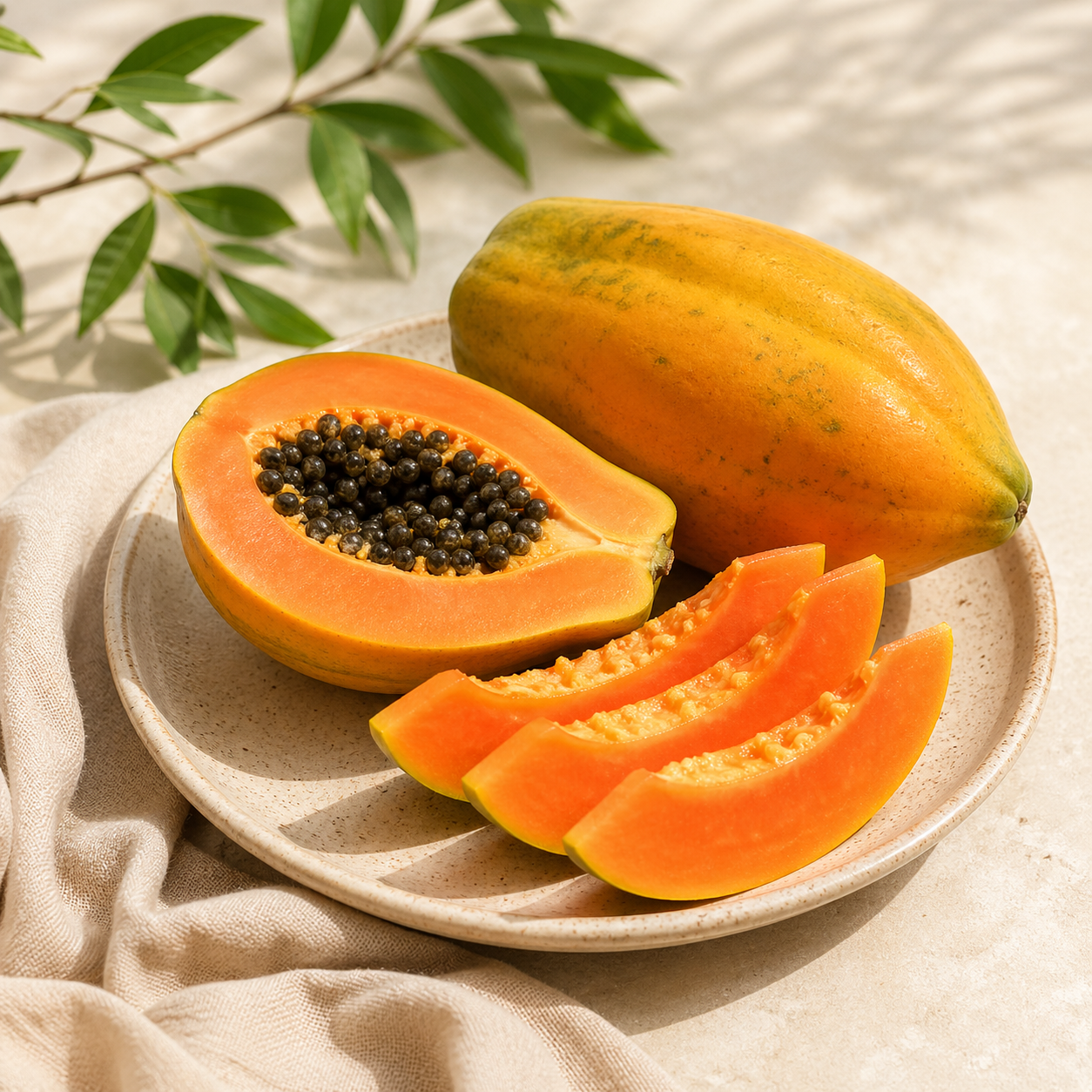
Papaya
In the specialized landscape of a cirrhosis-friendly diet, the Papaya (Carica papaya) is a heavy-duty metabolic ally. Often described as a "tree melon" by early explorers, this fruit acts as a biological tenderizer for the liver. For those managing liver scarring, its signature enzyme, papain, assists in the critical breakdown of proteins—a task that can be incredibly taxing for a damaged liver—while its dense concentration of antioxidants helps neutralize the systemic inflammation that drives fibrosis. Read more …
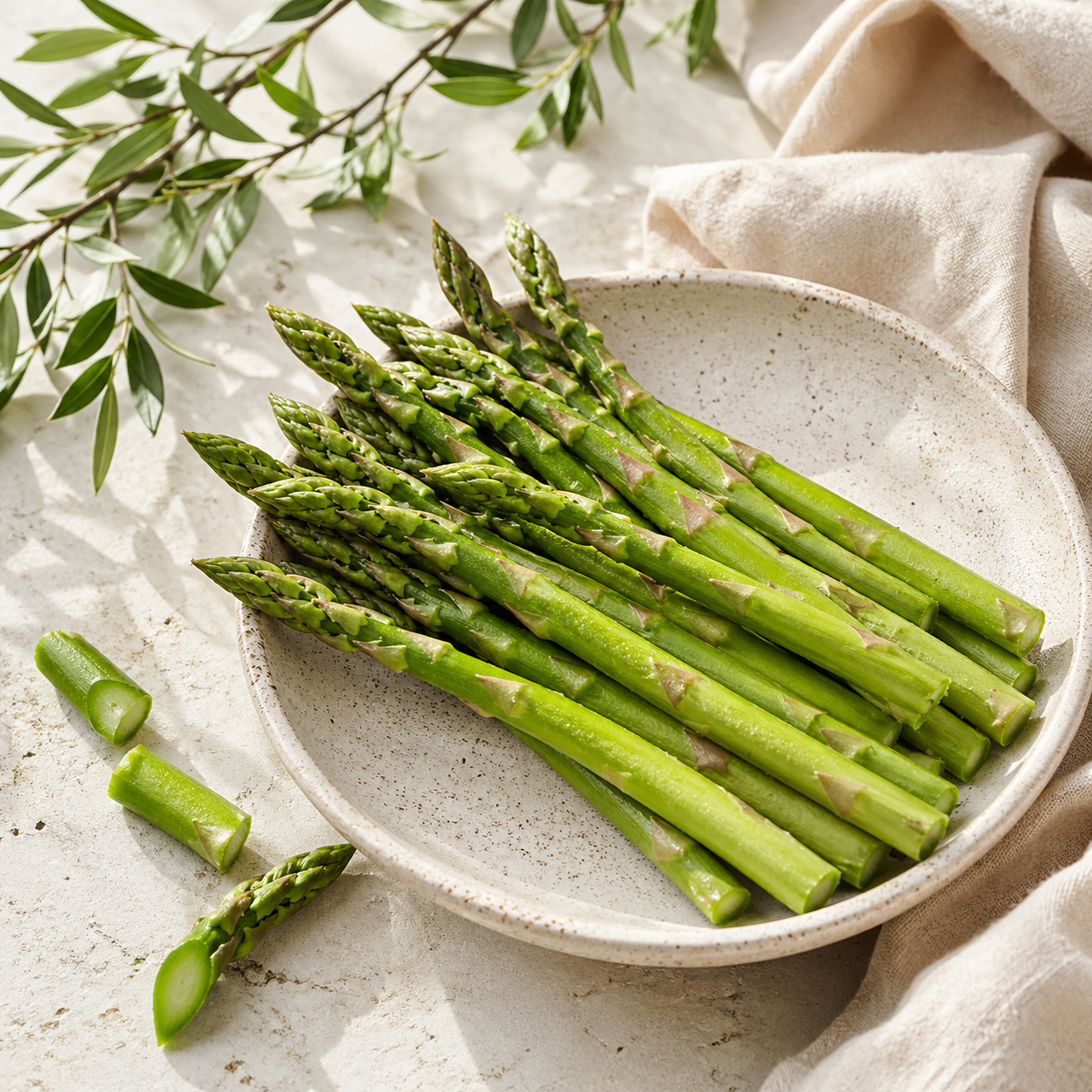
Asparagus
In the nutritional strategy for managing cirrhosis, Asparagus (Asparagus officinalis) is a high-precision tool. Often hailed as one of the most powerful natural diuretics in the plant kingdom, it plays a vital role in managing the fluid retention (ascites) that often complicates advanced liver disease. Beyond its ability to assist the kidneys, asparagus is a concentrated source of asparagine and glutathione, compounds that directly support the liver’s detoxification of ammonia and heavy metals. For those with a scarred liver, these "spring spears" act as a biological flush, clearing the system of metabolic waste that the liver can no longer handle on its own. … Read more
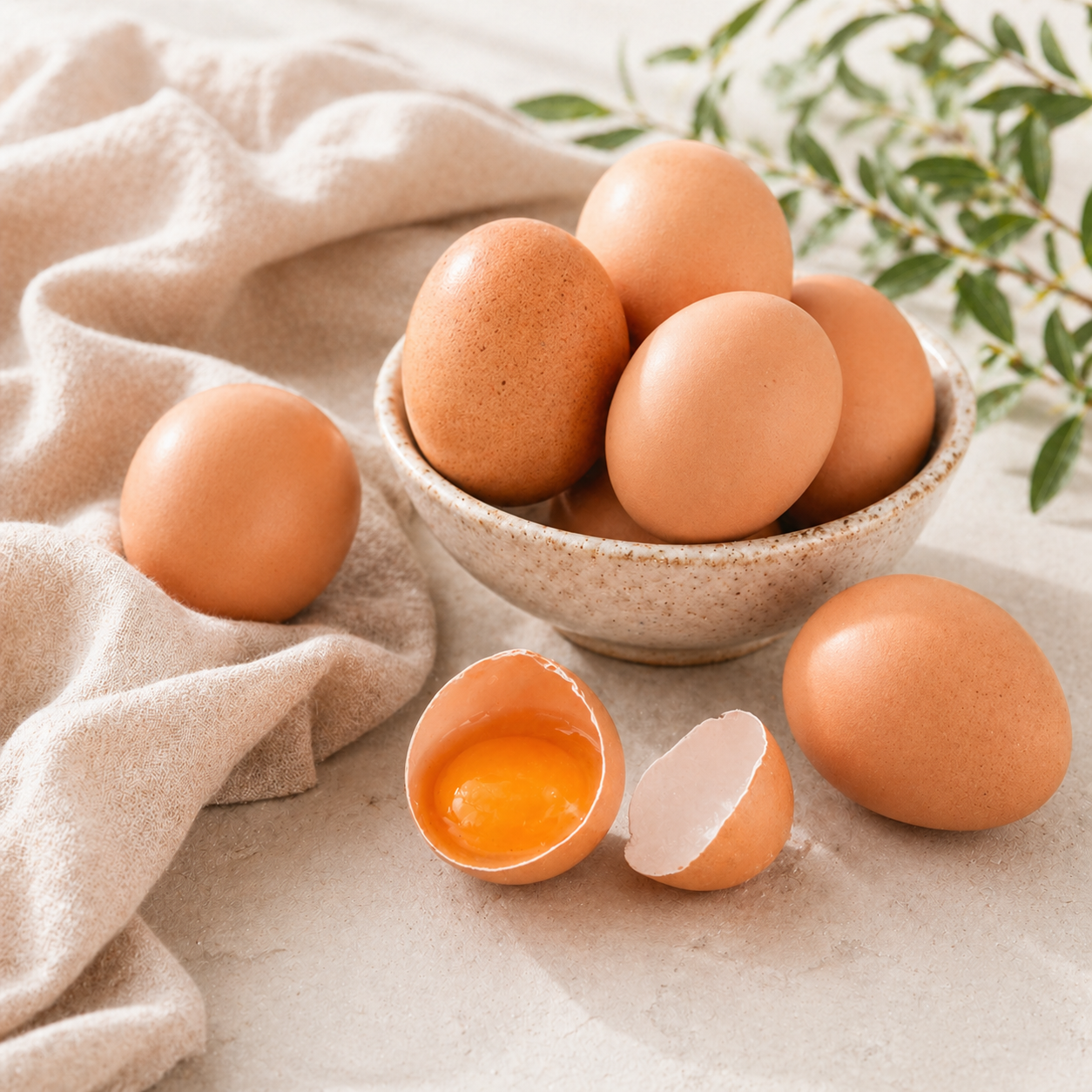
Eggs
Eggs: The "Albumin Architect" for Muscle Maintenance and Toxin Defense
In the strategic nutritional management of liver cirrhosis, Eggs are a cornerstone superfood, providing the "gold standard" for high-quality, bioavailable protein. For individuals navigating the complexities of a scarred liver, the primary clinical threat is sarcopenia—the rapid wasting of muscle tissue that occurs when the liver can no longer effectively store and release energy. Eggs provide the essential amino acids required to rebuild lean body mass while delivering a critical dose of choline and sulfur. These nutrients act as a biological "scaffold," supporting the liver's remaining capacity to manufacture blood proteins and neutralizing the toxins that drive the progression of fibrosis.

Hepatic Encephalopathy
Toxins like ammonia can build up in the bloodstream and reach the brain. This causes a neurological complication called Hepatic Encephalopathy (HE). It doesn't always look medical at first—it often looks like extreme brain fog, mood swings, or "laziness." But it is a real physical condition that patients cannot control. Read to understand the symptoms, hidden triggers, and treatments that help keep the mind clear.
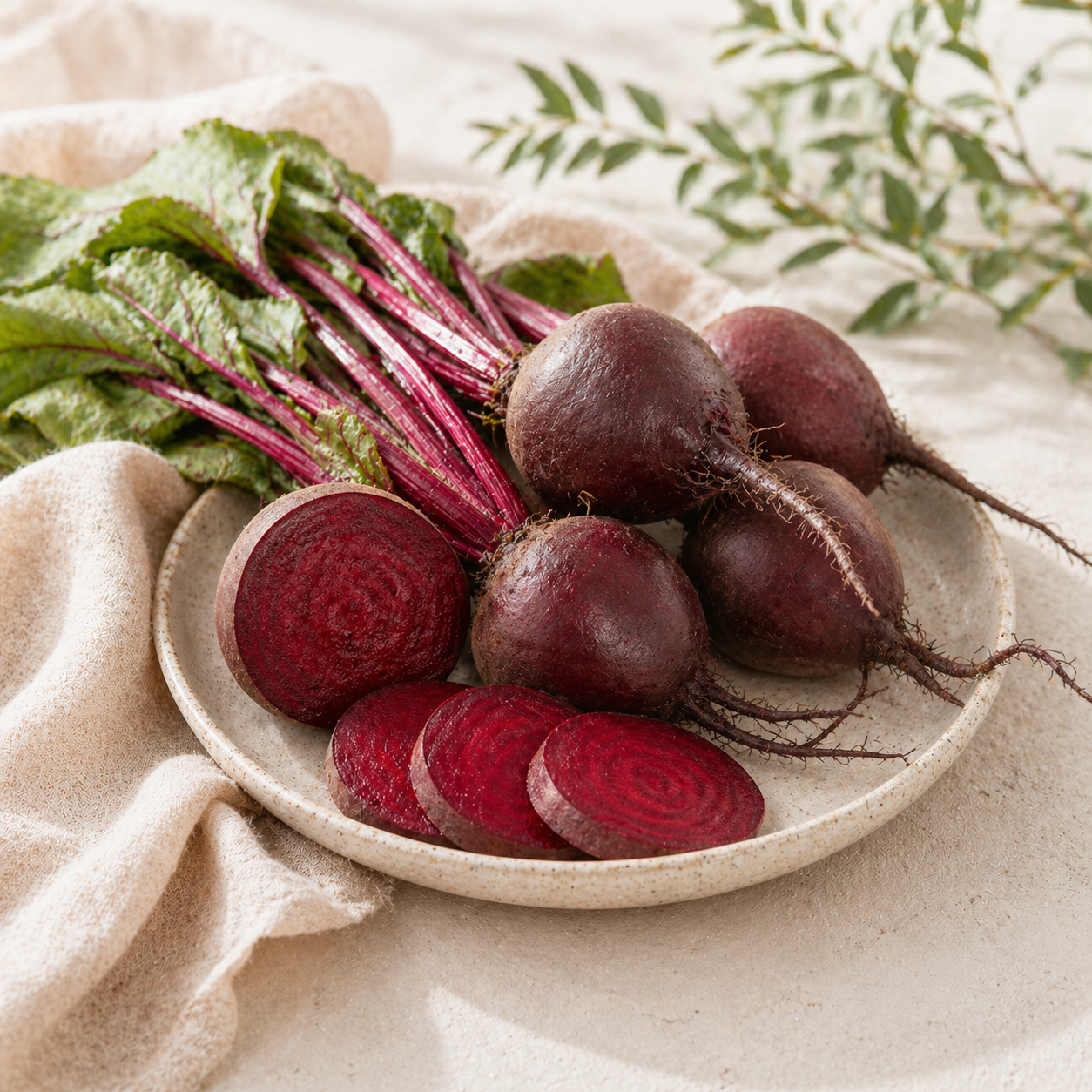
Beets
Beets: The "Vibrant Alchemist" for Fat Export and Bile Flow
In the strategic nutritional management of liver cirrhosis, Beets (Beta vulgaris) stand as a premier functional food for internal purification. For individuals navigating the complexities of a scarred liver, the primary clinical threat is hepatic steatosis (fat accumulation) and cholestasis (sluggish bile flow). Beets offer a unique concentration of betaine and betalains. These specific phytochemicals act as a biological "detergent," helping the liver export accumulated fats while stimulating the rhythmic flow of bile to flush toxins that drive the progression of fibrosis.