
Lactulose

Important Medical Disclaimer: I am Angie, from @diagnosis_cirrhosis on TikTok. I am a cirrhosis patient sharing my personal lifestyle, nutrition, and mindset journey. I am a data aggregator and community builder, not a licensed medical professional, doctor, or dietitian. Content on diagnosiscirrhosis.com is based solely on my personal experience living with advanced liver disease and is intended for informational and educational purposes only. It does not constitute medical advice or a substitute for professional medical care. Always follow the recommendations of your own healthcare team and consult your hepatologist or physician before changing your diet, medication, or lifestyle routine.
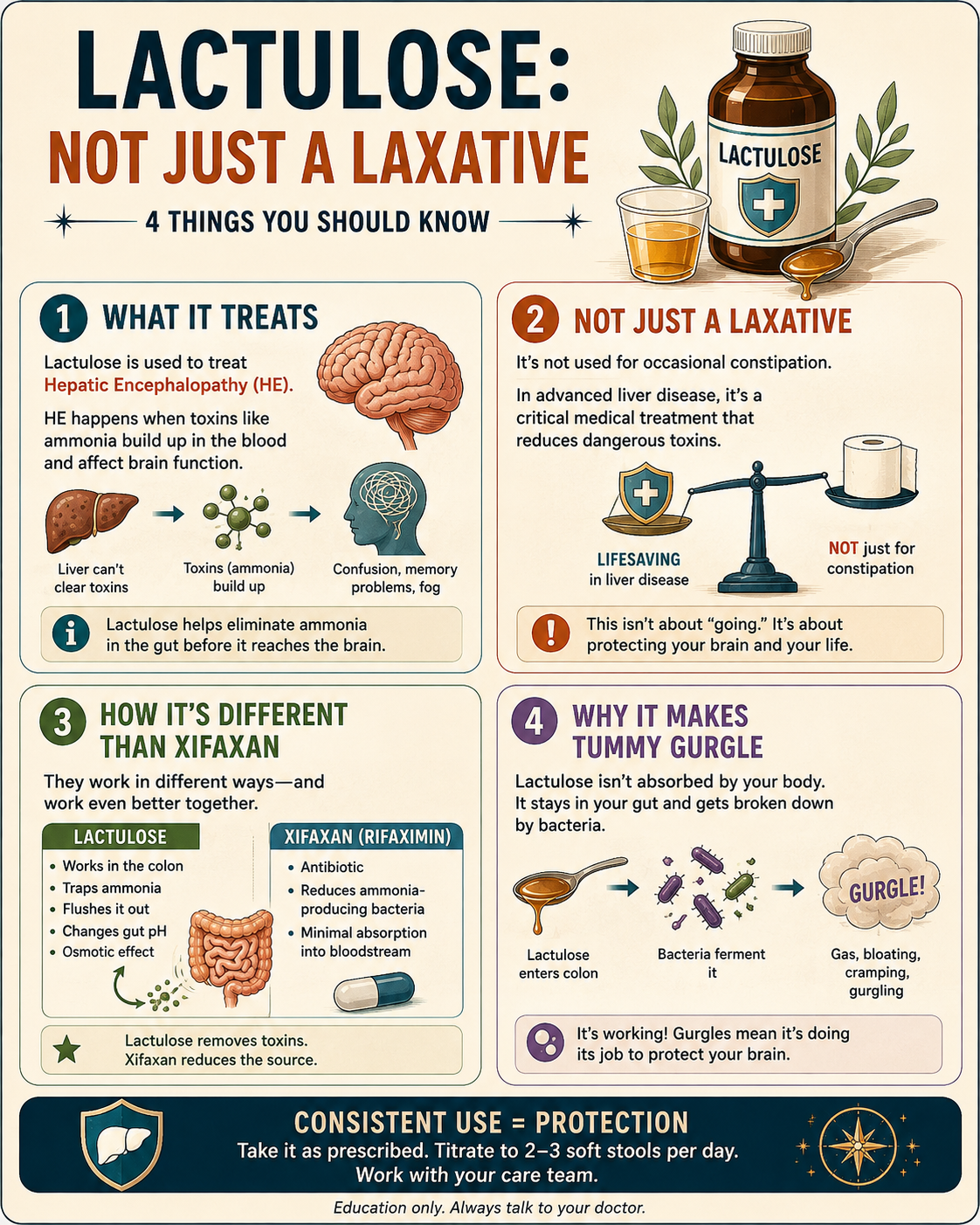
@diagnosis_cirrhosis 💩 Lactulose is technically a laxative. But just making you poop is not really the point. If you’ve been prescribed lactulose for hepatic encephalopathy (HE), you’ve probably wondered: ❓ Why does lactulose help hepatic encephalopathy? ❓ Does lactulose make you poop? ❓ Does lactulose lower ammonia? ❓ Why is lactulose sticky? ❓ How does lactulose work? ❓ Does lactulose give you diarrhea? ❓ What is the difference Xifaxan vs Lactulose? ❓ Why can’t I just take a regular laxative? 🧠 THE PROBLEM STARTS WITH THE LIVER. Your liver normally helps process substances absorbed from your intestines, including nitrogen-containing compounds that contribute to ammonia production. With cirrhosis, two things can interfere with that system: 🧱 The damaged liver may not process toxins as effectively. 🩸 Portal hypertension can create collateral blood vessels that allow blood from the intestines to bypass the liver. The result? More gut-derived toxins—including ammonia—can reach the systemic circulation and potentially affect the brain. That contributes to hepatic encephalopathy. HE can look like: 🌙 Sleep reversal 🧩 Brain fog 🗣️ Personality or behavior changes ✍️ Changes in handwriting 🧮 Trouble concentrating or doing simple mental tasks 🤲 Asterixis or “flapping” hands 😵💫 Confusion 😴 Severe sleepiness 🏥 In severe cases, stupor or coma 💩 SO WHAT DOES LACTULOSE ACTUALLY DO? Lactulose is a synthetic, non-absorbable sugar. Your small intestine doesn’t significantly absorb it, so it travels into the colon, where bacteria metabolize it and make the intestinal environment more acidic. 🧪 That acidity helps convert readily absorbable ammonia (NH₃) into ammonium (NH₄⁺), which is less readily absorbed and stays in the gut. Then lactulose pulls water into the intestine and speeds intestinal transit. 🚽 The nitrogen-containing material gets carried out in your stool instead of hanging around long enough to be absorbed. That’s why lactulose is different from simply saying: “You need a laxative.” A conventional laxative may make you have a bowel movement. Lactulose is specifically used in HE because it changes the chemistry and transit of the colon in ways that reduce intestinal ammonia absorption. 🎯 THE GOAL ISN’T DIARRHEA. This part matters. For HE, lactulose is commonly adjusted to produce approximately 2–3 soft bowel movements per day, although your medical team may give you a different target. More is NOT automatically better. Too much lactulose can cause: 💧 Dehydration 🧂 Electrolyte abnormalities 📉 Low sodium or potassium 🤢 Cramping and bloating 🚽 Severe diarrhea And dehydration or electrolyte disturbances can themselves trigger or worsen hepatic encephalopathy. So this isn’t a contest to see how much you can poop. 🧠 And ammonia isn’t the whole HE story. Ammonia plays an important role, but HE is complex. Inflammation, infection, constipation, gastrointestinal bleeding, dehydration, kidney dysfunction, medications and electrolyte abnormalities can all contribute. That’s also why an ammonia blood level alone doesn’t tell you exactly how confused someone should or shouldn’t be. 💊 Some people with recurrent HE are also prescribed rifaximin, an antibiotic that changes intestinal bacteria and reduces production of ammonia and other potentially harmful compounds. Lactulose and rifaximin are often used together when appropriate. And importantly: not everyone with cirrhosis needs lactulose. It is generally used because HE is present or because the medical team is trying to prevent it from recurring—not simply because someone has a cirrhosis diagnosis. 🧬 Cirrhosis can result from MASLD/MASH (fatty liver disease), alcohol-associated liver disease, autoimmune hepatitis, hepatitis B, hepatitis C, PBC, PSC, hemochromatosis, Wilson disease, alpha-1 antitrypsin deficiency, drug-induced liver injury, and other causes. 👩⚕️👨⚕️🩺 Talk to your hepatologist about why you’re taking lactulose, your bowel-movement target, etc. #liverhealth #medication #liverdisease #cirrhosis #diarrhea ♬ Hollaback Girl - Remastered 2019 - Gwen Stefani

If you know you know - picking up Lactulose from the pharmacy can be an ordeal!!
The Sticky Medicine for Hepatic Encephalopathy in Advanced Liver Disease
One dayyou are having a normal conversation with a loved one. The next, you are staring right through them, unable to remember what day it is, or struggling to complete a simple sentence.
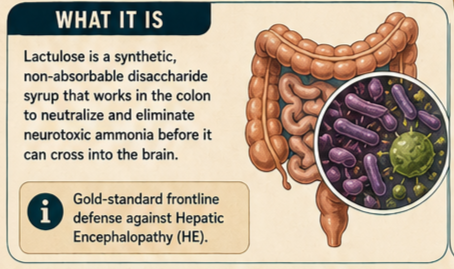
Lactulose is a synthetic, non-absorbable disaccharide syrup that serves as the gold-standard frontline defense against Hepatic Encephalopathy (HE). It works primarily within the colon to neutralize and eliminate neurotoxic ammonia before it can cross into the brain, as detailed in the National Institutes of Health StatPearls Lactulose Book.
People often mistake lactulose for a simple, over-the-counter laxative used for occasional constipation. In advanced, decompensated liver disease, it is far more than that—it is a mandatory, chemically precise shield against a terrifying neurological crisis. [1]
What is Lactulose? (The Ammonia-Lowering Medicine)
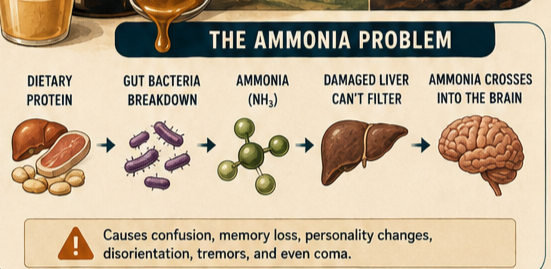
When the liver transitions into decompensated cirrhosis, it can no longer filter the standard metabolic waste generated by your digestive tract. The primary culprit is ammonia, a highly toxic byproduct of routine dietary protein breakdown by gut bacteria. [1, 2, 3]
In a healthy body, the liver effortlessly converts ammonia into harmless urea, which exits via urine.
In advanced cirrhosis, blood is forced to bypass the scarred liver through collateral veins, allowing raw ammonia to surge directly into the systemic bloodstream and cross the blood-brain barrier. Once inside the brain, it causes astrocytes (support cells) to swell, resulting in memory gaps, personality shifts, disorientation, and eventually, coma. [1, 2, 3, 4, 5]
How Does Lactulose Work for Hepatic Encephalopathy?

According to clinical breakdowns in the National Institutes of Health PMC Lactulose Study, lactulose targets this toxic pathway through a three-pronged chemical attack inside the colon:
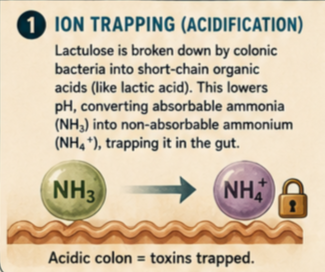
Ion Trapping (Acidification): Resident colonic bacteria break down the lactulose syrup into short-chain organic acids (like lactic acid). This rapidly drops the pH of the colon, creating a highly acidic environment. This acidity forces gaseous, absorbable ammonia to accept a hydrogen ion, transforming it into a heavy, non-absorbable ammonium ion. The toxin is permanently trapped in the gut, unable to leak into your blood.

The Osmotic Flush: Lactulose acts as a heavy osmotic agent, drawing fluid directly into the bowel lumen. This triggers physical peristalsis (bowel movements), clearing the trapped ammonium out of the body before it can degrade back into a gas.

What Taking Lactulose Feels Like
Taking lactulose is a deeply demanding physical and psychological balancing act.
It is notorious among liver patients as one of the most frustrating medications to manage day-to-day.

The Cloying Sweetness:Lactulose is an incredibly thick, intensely sweet, syrupy liquid. For patients who are already dealing with baseline liver nausea, swallowing multiple tablespoons of this sticky fluid every day can trigger an immediate gag reflex.
The Constant GI Turmoil:Because it forces massive fluid shifts and bacterial fermentation inside the gut, lactulose causes persistent abdominal bloating, loud gurgling, sharp cramping, and explosive flatulence. Patients often feel completely chained to their home restroom.
The Mental Fog Clearing: Despite the physical discomfort, the neurological relief is real. Within hours of a proper dose, the heavy, confusing "curtain" inside a patient's mind lifts. Memory functions return, hand tremors quiet down, and the terrifying spatial disorientation fades away. [1, 2, 3]
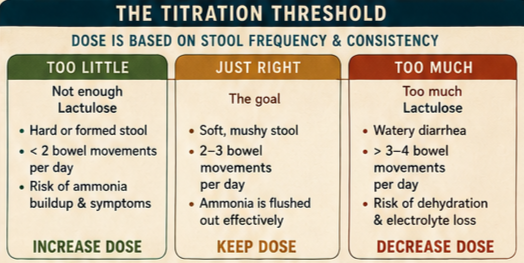
Lactulose Dosing: Finding Your Stool Titration Sweet Spot
Unlike standard prescriptions where you take a fixed pill twice a day, lactulose is entirely titrated to clinical effect.
This means the patient and their caregiver must adjust the daily dose based entirely on stool consistency and frequency. [1]
To visualize how medical teams balance this titration threshold, consider three concrete examples:



The Traffic Control Officer: Think of lactulose as a traffic controller managing a bottleneck. If the dose is too low (1 bowel movement or fewer), cars stall out, toxins back up, and a mental traffic jam (encephalopathy) occurs. If the officer opens the gates too wide (5+ watery stools), the system empties completely, leading to dehydration and kidney failure. The goal is to keep traffic moving at a steady, controlled pace of exactly 2 to 3 soft stools per day.
The Pool Acid Regulator: Imagine maintaining a pristine backyard swimming pool. If you don't add enough acid regulator, the water turns cloudy and toxic with algae (ammonia buildup). If you dump the entire chemical jug in at once, the water burns and degrades the pool lining (diarrhea and electrolyte shock). You must drop in small, calculated measurements until the water stabilizes at its perfect chemical sweet spot.
The Goldilocks Porridge: If a patient takes 15mL and experiences zero bowel movements, the porridge is "too cold" and the brain fog worsens. If they take 60mL and experience unmanageable, watery diarrhea, the porridge is "too hot," stripping the body of potassium and triggering emergency dehydration. The dose must be dialed in click-by-click until the stool is consistently "just right"—semi-soft, formed, and recurring exactly 3 times a day. [1, 3, 4]
Clinical tracking parameters validated in the AASLD Liver Fellow Network Clinical Series demonstrate that failing to hit this precise sweet spot is the number one reason patients end up back in the hospital with breakthrough encephalopathy or acute kidney injury. [1, 2]
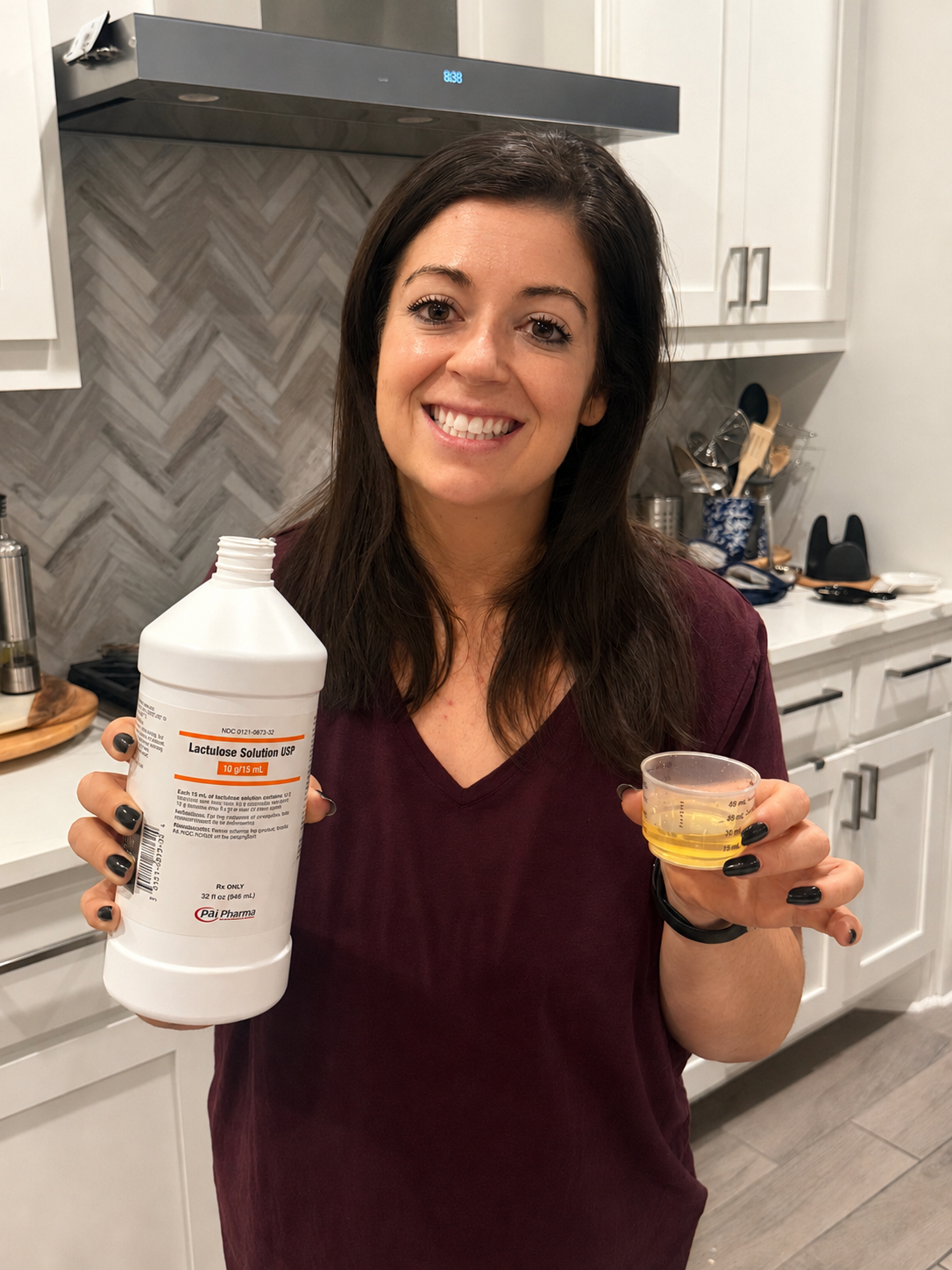
Pro Tip: Many people mix it with tart cherry juice to make it taste better!
Funny Video on Lactulose Brand Comparison: Managing different pharmacy labels like Enulose, Constulose, and generic liquid lactulose syrups for chronic hepatic encephalopathy."
@diagnosis_cirrhosis And is anyone else’s pharmacist as chaotic in filling their rx? 😅💊 It’s like a surprise drop… but make it osmotic. 💧💩✨ 🎶 “I like ammonia regulation…” 🎶 🧠⬇️ Apparently I also like big bottles. Medium bottles. Travel bottles. Refill bottles. 📦🧴🧳 Welcome to my ✨ Lactulose Portfolio ✨ 💼 Enulose. 💙 Lactulose. 💛 Constulose. 💚 Same active ingredient. Different labels. Different personalities. 💅🎭✨ One month it’s this bottle. Next month it’s a remix. 🎛️🔄 Same mission: keep the ammonia humble. 🧠⬇️✨ If you’re living with cirrhosis and managing hepatic encephalopathy, you already know this isn’t a collection… it’s brain maintenance. 🧠🛠️ Clear mind. ✨ Clear system. 💩 Clear day. 🌤️ For those navigating: Autoimmune hepatitis 🛡️🔥 MASLD / NAFLD 🍩 MASH / NASH 🧪 Alcohol-related liver disease 🚫🍷 Hepatitis B 🦠 Hepatitis C 🦠 Primary biliary cholangitis 🧬 Primary sclerosing cholangitis 🧬 Hemochromatosis ⚙️ Wilson’s disease 🪙 Alpha-1 antitrypsin deficiency 🧩 Drug-induced liver injury 💊 Cryptogenic cirrhosis ❓ Or any other liver condition 💚 Ammonia regulation is a full-time job. ⏰✨ And as always, check with your doctor or hepatologist 👩⚕️👨⚕️🩺 to make sure you’re taking what’s right for you — in the right quantity and the right frequency. Because the goal is clarity. 🧠✨ Not chaos. 😅 Diversified. 💼 Liquid. 💧 High turnover. 💩🙌🏻 #poop #constipation #liverhealth #nursehumor #nursing ♬ original sound - diagnosis cirrhosis
Things Nobody Explains

1. You Cannot Just Skip a Dose Because You Feel Better [1, 2]
Many patients stop taking lactulose once their brain fog clears, thinking the crisis has passed. This is a dangerous clinical mistake. The moment lactulose is stopped, the colonic pH rises, ammonia production spikes, and the patient can slide back into an altered mental state within 24 to 48 hours. It must be taken continuously as permanent prophylaxis. [1, 2, 3, 4, 5]
2. Why Too Much Lactulose (Diarrhea) is a Medical Emergency [1]
Patients often assume that "more is better" and tolerate heavy, watery diarrhea because they are afraid of the brain fog returning. However, severe diarrhea is a medical emergency in a cirrhotic patient. It rapidly depletes blood volume and causes hypokalemia (low potassium), which paradoxically forces the kidneys to produce more ammonia, completely defeating the purpose of the drug. [1]

3. Constipation is the #1 Trigger for Emergency Hospitalizations [1]
If a decompensated patient goes 24 hours without a bowel movement, it represents an immediate medical priority. Stagnant stool inside the colon acts as an incubation chamber for explosive bacterial ammonia generation. In acute hospital settings, if a patient is too confused to swallow safely, physicians will administer high-dose lactulose via an emergency retention enema to clear the bowel immediately. [1, 2, 3, 4]
4. It Often Needs an Antibiotic Sidekick [1]
For many patients, lactulose alone is not enough to keep ammonia at bay. Guidelines published in the Lippincott Journal of Hepatic Communication show that combining lactulose with rifaximin (a specialized, non-absorbable antibiotic that targets and kills off ammonia-producing gut bacteria) cuts the risk of an encephalopathy recurrence by more than half compared to using lactulose alone. [1, 2, 3, 4]
What Helps: Clinical Optimization strategies
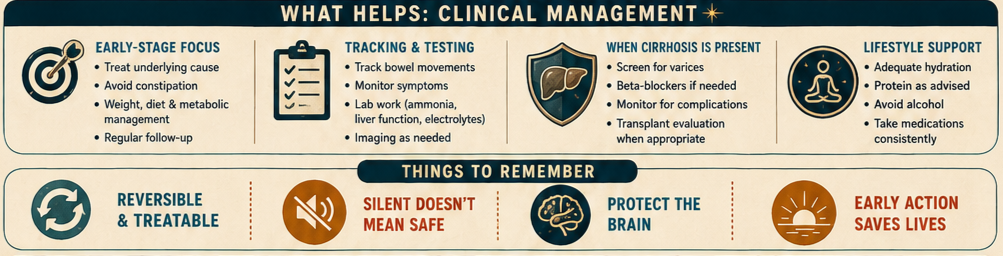
Taste Modification Techniques: If the extreme sweetness makes oral adherence impossible, patients can mix their liquid dose into a glass of water, unsweetened cranberry juice, or apple sauce to cut through the heavy syrupy texture. Unflavored powder packets are also available via prescription.
Strict Protein Optimization Support: A major historical misconception was that liver patients should stop eating protein to prevent ammonia generation. Modern hepatology completely rejects this. Muscle wasting (sarcopenia) actually makes encephalopathy worse because skeletal muscle acts as a backup filter for ammonia. Patients must maintain a high-protein diet (1.2–1.5 g/kg per day), using lactulose to safely manage the waste products. [, 2, 3, 4]
Sources
NIH StatPearls: Lactulose Profile – Clinical mechanics, colonic breakdown pathways, dosing ranges, and contraindications. https://www.ncbi.nlm.nih.gov/books/NBK536930/
PubMed Central (PMC) Comprehensive Review: Lactulose in Cirrhosis – Deep dive into colonic acidification, impact on gut microbes, barrier integrity, and adherence limitations. https://pmc.ncbi.nlm.nih.gov/articles/PMC10578757/
Lippincott Hepatic Communication: Efficacy of Lactulose in Managing OHE – Meta-analysis data regarding mortality reductions, combination therapy with rifaximin, and primary prophylaxis rules. https://journals.lww.com/hepcomm/fulltext/2023/11010/lactulose_in_cirrhosis__current_understanding_of.6.aspx
Cleveland Clinic Journal: Hepatic Encephalopathy Management Guidelines – Hospital protocols for managing acute toxic surges, precipitating triggers, and titration parameters. https://my.clevelandclinic.org/departments/digestive/medical-professionals/hepatology/hepatic-encephalopathy [1, 2, 3]
Medical Disclaimer & General Guidance
The information provided across these resources is for educational and informational purposes only. It is not intended to be a substitute for professional medical advice, diagnosis, or treatment. Hepatic encephalopathy, portal hypertension, and decompensated liver diseases are volatile clinical situations requiring direct management by a gastroenterologist or hepatologist. Always consult your primary care team before making sudden adjustments to lactulose dosing or trying to manage acute cognitive changes at home.
