
Understanding Why Standing Up Can Sometimes Feel Like a Team Sport
One day you're walking through the grocery store without giving it a second thought. The next, you're standing up from the couch and suddenly grabbing the nearest wall like the floor moved without warning.
Dizziness, balance problems, and mobility changes are surprisingly common in cirrhosis. Sometimes the cause is low blood pressure. Sometimes it's muscle loss, weakness, medications, dehydration, nerve damage, or hepatic encephalopathy. More often than not, it's a combination of several things happening at once.
People often assume balance problems are simply part of getting older. In reality, advanced liver disease can affect nearly every system involved in keeping you upright—from your muscles and nerves to your circulation and brain. When those systems stop working together, walking across a room can require far more effort than anyone realizes.
What It Is
Staying balanced requires constant communication between your brain, inner ears, muscles, nerves, vision, and circulatory system.
In healthy individuals, these systems exchange information continuously, making standing, walking, and changing direction feel effortless.
In cirrhosis, that communication network can become disrupted.
Common Contributors Include:
🩸 Low Blood Pressure
Fluid shifts, portal hypertension, and certain medications can reduce blood flow to the brain, causing lightheadedness and dizziness.
💪 Muscle Loss (Sarcopenia)
As muscle mass declines, strength, stability, and endurance decline alongside it.
🧠 Hepatic Encephalopathy
Toxin buildup can slow reaction times, impair coordination, and affect spatial awareness.
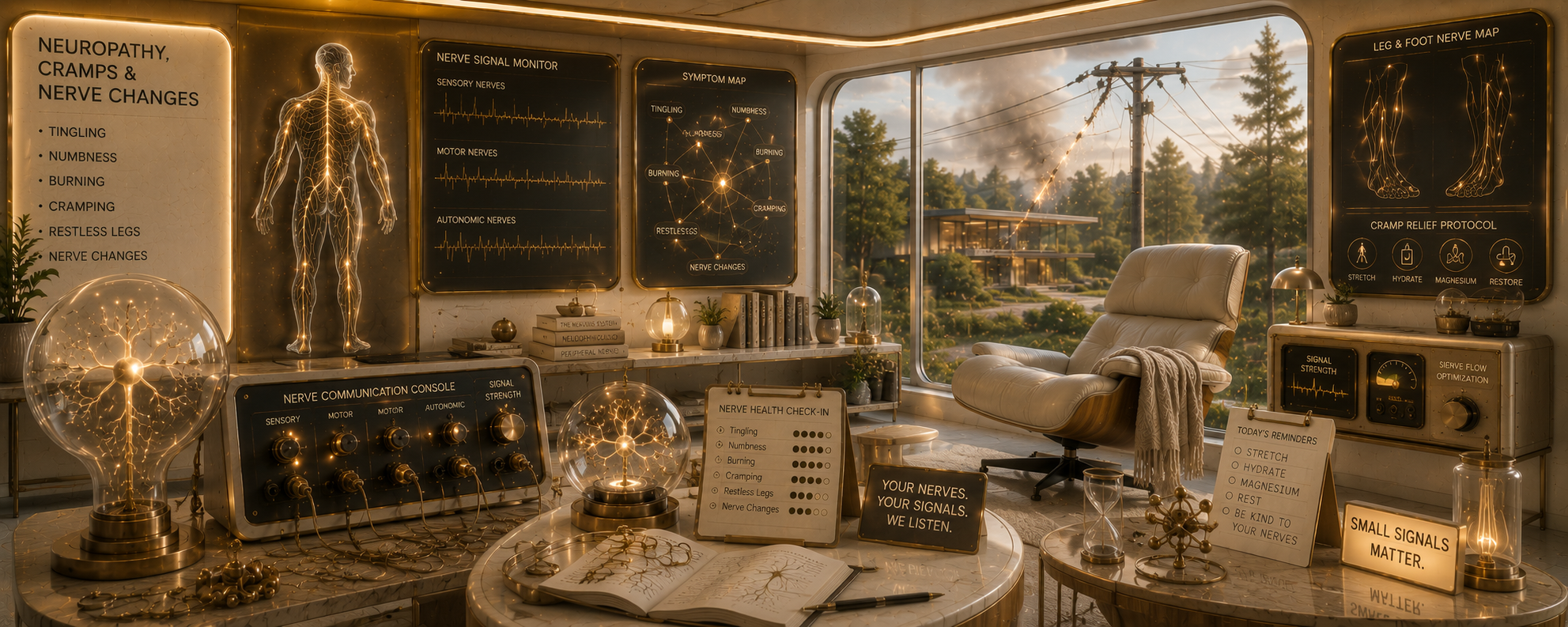
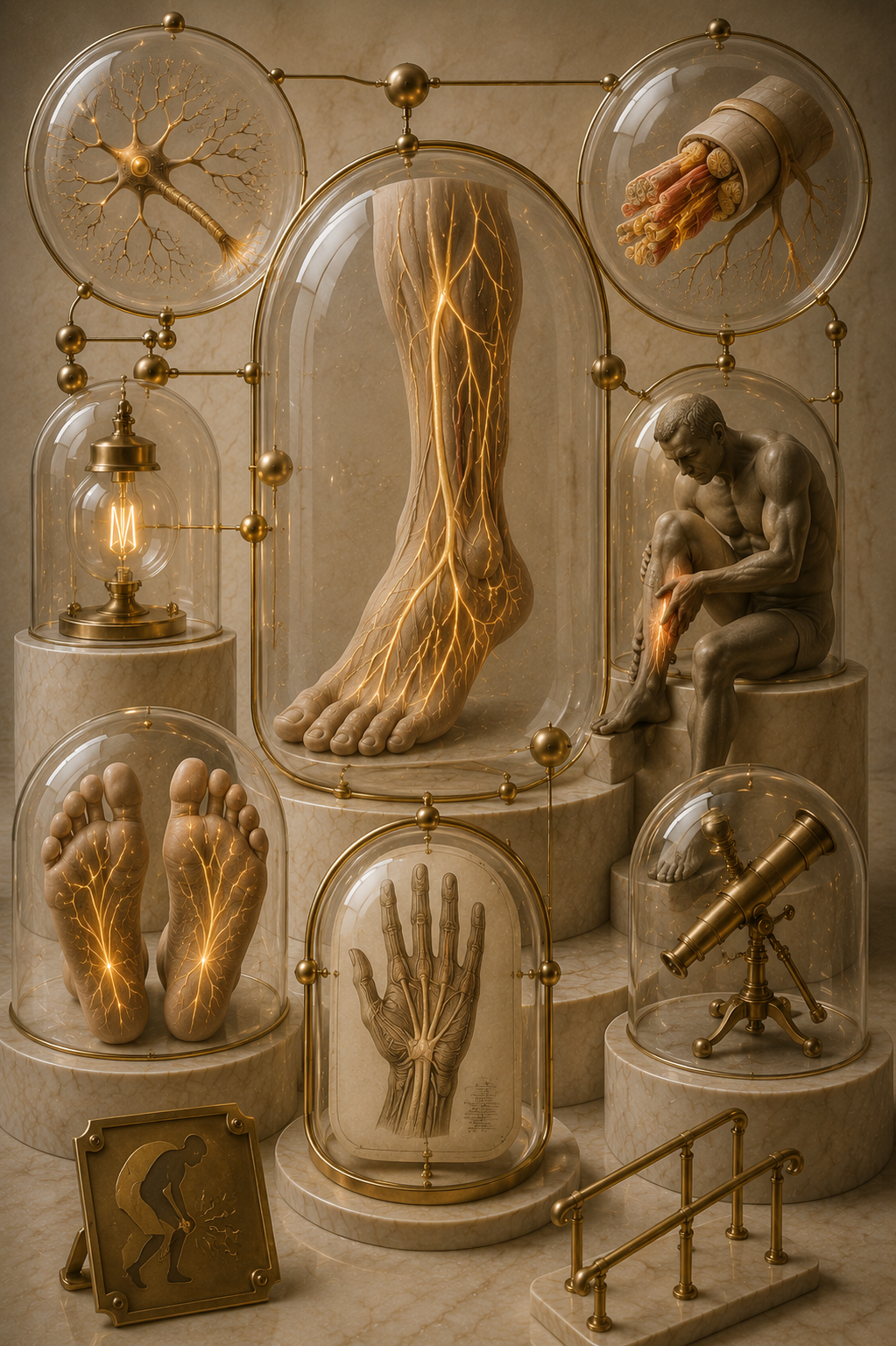
⚡ Neuropathy
Nerve damage can reduce sensation in the feet and legs, making balance more difficult.
Faulty Wiring
What It Feels Like
People describe it differently
Some feel:
🌀 Lightheaded when standing
🪜 Unsteady on stairs
🌾 Wobbly walking across uneven ground
👥 Nervous in crowds
🚗 Less confident driving
⚠️ Afraid of falling
Others describe it as:
"My body knows where it wants to go, but it takes longer to get there."
Things Nobody Explains
1. Dizziness Isn't Always Vertigo
Many people expect the room to spin.
Sometimes dizziness feels more like weakness, instability, floating, or feeling disconnected from your body.
2. Falls Can Become a Serious Risk
A fall that might have caused a bruise years ago can become much more dangerous when muscle loss, frailty, osteoporosis, or bleeding risks enter the picture.
3. Mobility Changes Often Happen Gradually
Many patients don't notice how much they've adapted until they realize they're avoiding stairs, holding onto furniture, or planning outings around how far they'll need to walk.
4. Asking for Help Isn't Giving Up
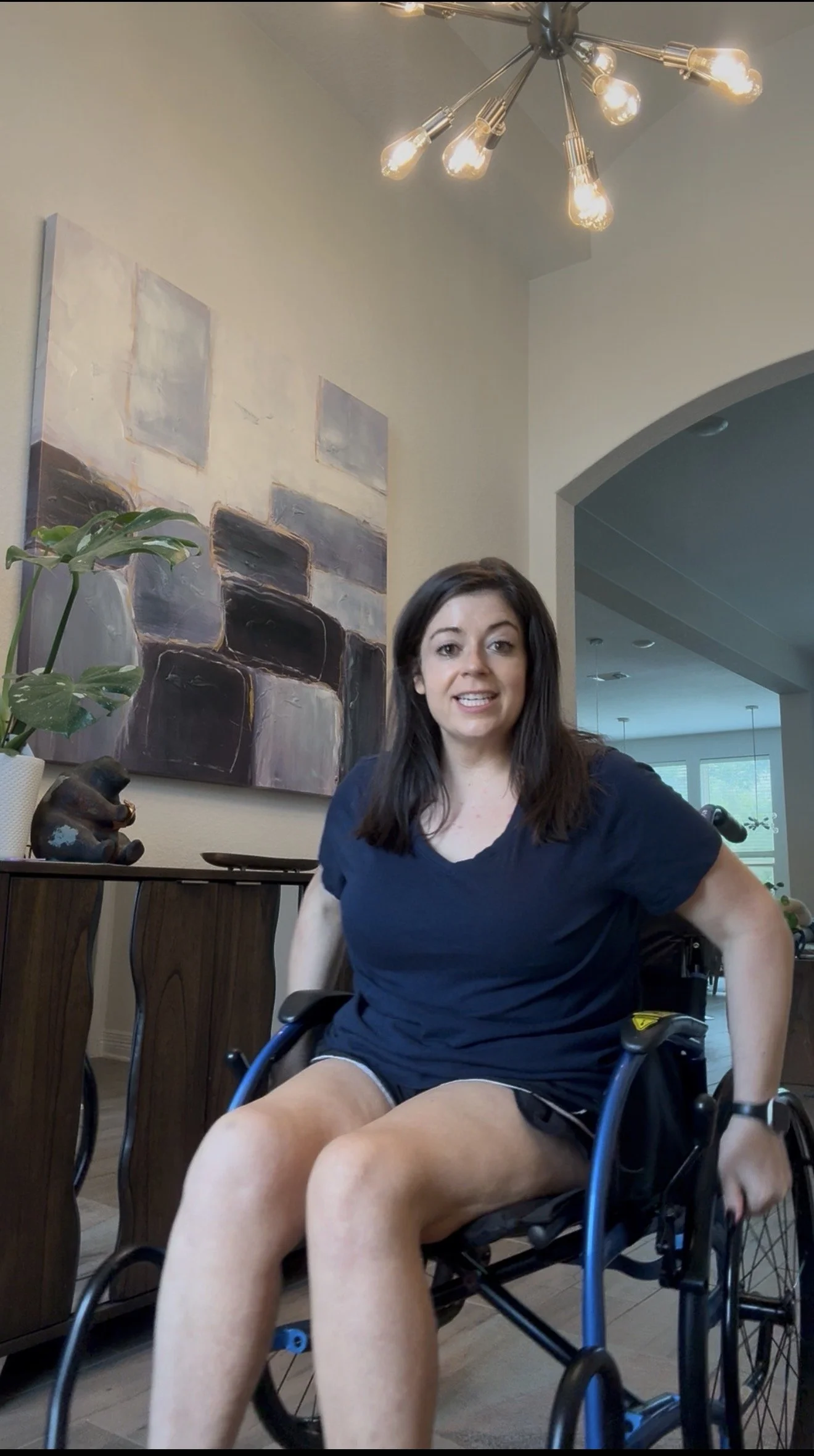
Canes, walkers, wheelchairs, shower chairs, handrails, and mobility aids aren't signs of failure.
They're tools that help people continue participating in their lives safely.
What Helps
✅ Treating hepatic encephalopathy
✅ Staying hydrated when appropriate
✅ Physical therapy and balance training
✅ Maintaining muscle mass through nutrition and movement
✅ Reviewing medications with your healthcare team
✅ Fall prevention strategies at home
The Bottom Line
Balance isn't controlled by one system. It's controlled by all of them working together.
When liver disease affects your brain, muscles, nerves, circulation, and energy levels at the same time, standing upright can become far more complicated than it looks.
And sometimes the bravest thing you do all day isn't walking farther.
It's asking for a little support while you get there.
Read More






Within a few months, my vision changed so dramatically that I ended up in an expensive, deeply annoying optometrist spiral: three separate visits, three new prescriptions, three different pairs of glasses.
I thought I was aging.
I thought my eyes were just being dramatic.
I thought I had an eye problem.
Turns out, I may have been optimizing for the wrong organ.
Because advanced liver disease does not politely stay in the liver lane. It affects metabolism, inflammation, hormones, nutrition, fluid balance, blood vessels, and sometimes, apparently, your ability to see the world clearly.