
-
Community
-
Levity
-
Nutrition
-
Support
-
Recommendations
-
Education
-
Advocacy
-
Compassion
- Community - Levity - Nutrition - Support - Recommendations - Education - Advocacy - Compassion
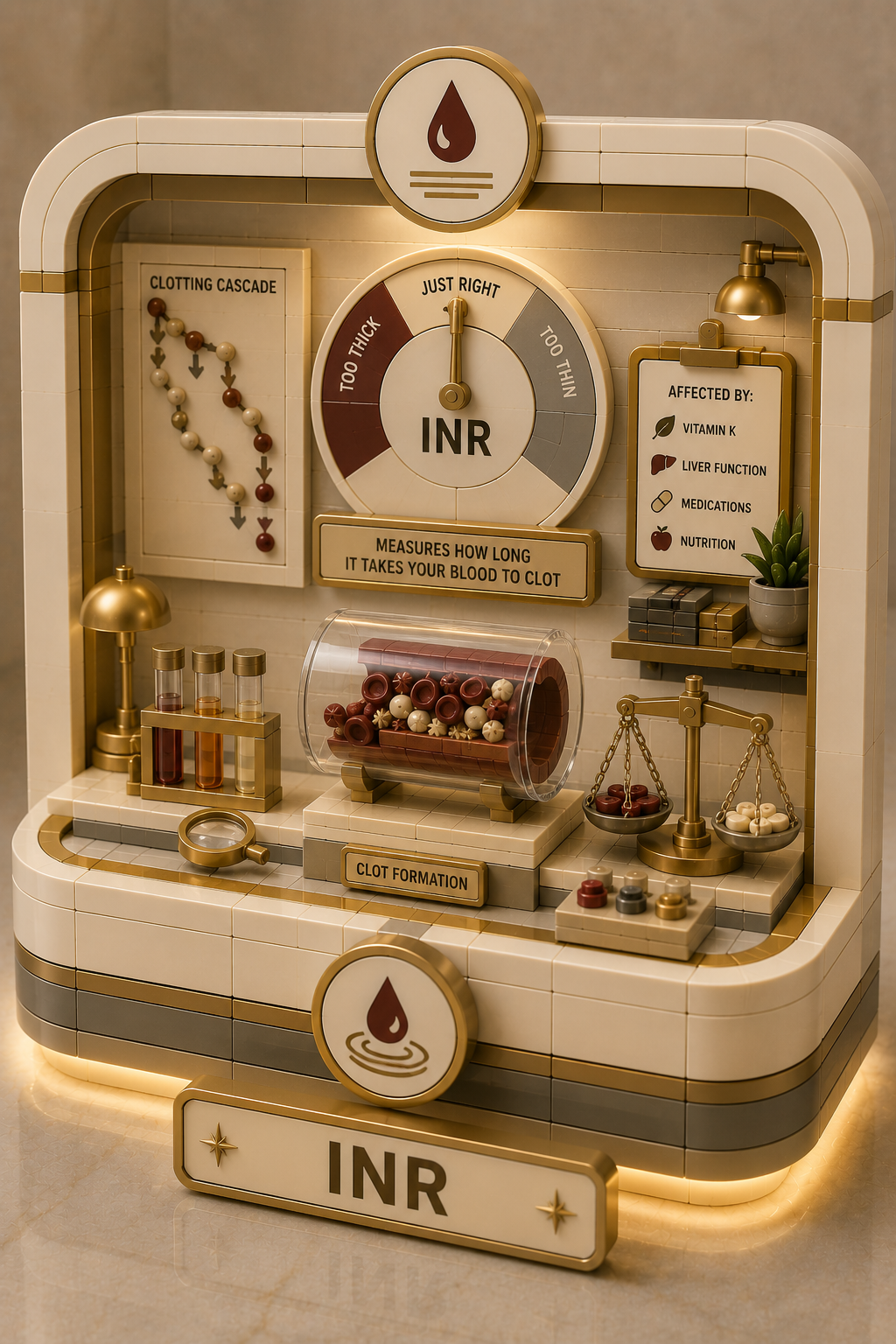
INR - International Normalized Ratio
The INR test is a standardized laboratory calculation derived from a Prothrombin Time (PT) blood test. Prothrombin time measures exactly how many seconds it takes for the liquid portion of your blood, or plasma, to form a solid clot

The Strange Social Currency of a MELD Score
It is incredibly easy to get sucked into the strange social shorthand of liver disease—treating your blood work like a daily sports scoreboard or sorting yourself into brackets based on your peak bilirubin levels. But a collection of numbers typed into an online calculator will never be able to measure the sheer amount of grit it takes to move through the day with muscle wasting, navigate the haze of brain fog, or wake up every morning to look uncertainty dead in the eyes.
A lower number is an excellent sign of stability, but it isn't an automated pass that means you're suddenly symptom-free or "not sick anymore." And a higher number isn't a failure—it's just your body's way of raising a flag so your medical team knows exactly when to step in with reinforcement. Don't let a four-letter acronym flatten your humanity.
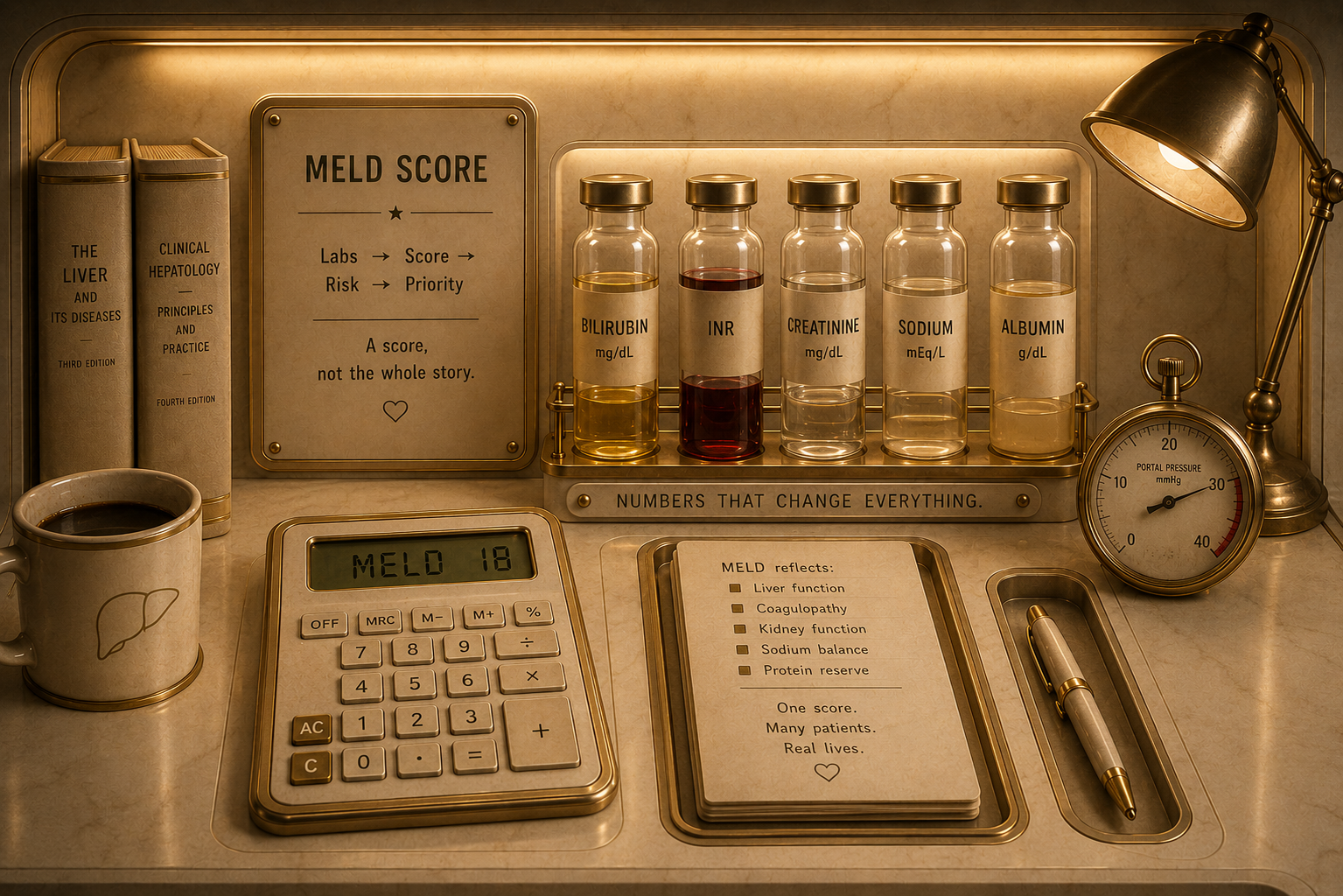
MELD Score - Quick Read
The MELD score (Model for End-Stage Liver Disease) is a precise numerical scale ranging from 6 to 40that estimates a patient's 3-month survival probability [1, 2]. Calculated using specific laboratory blood values, it is the primary tool used by transplant networks to prioritize individuals on the liver transplant waiting list [1].
The higher the score, the more severe the liver dysfunction, and the higher the patient's priority for a life-saving transplant [1, 2].
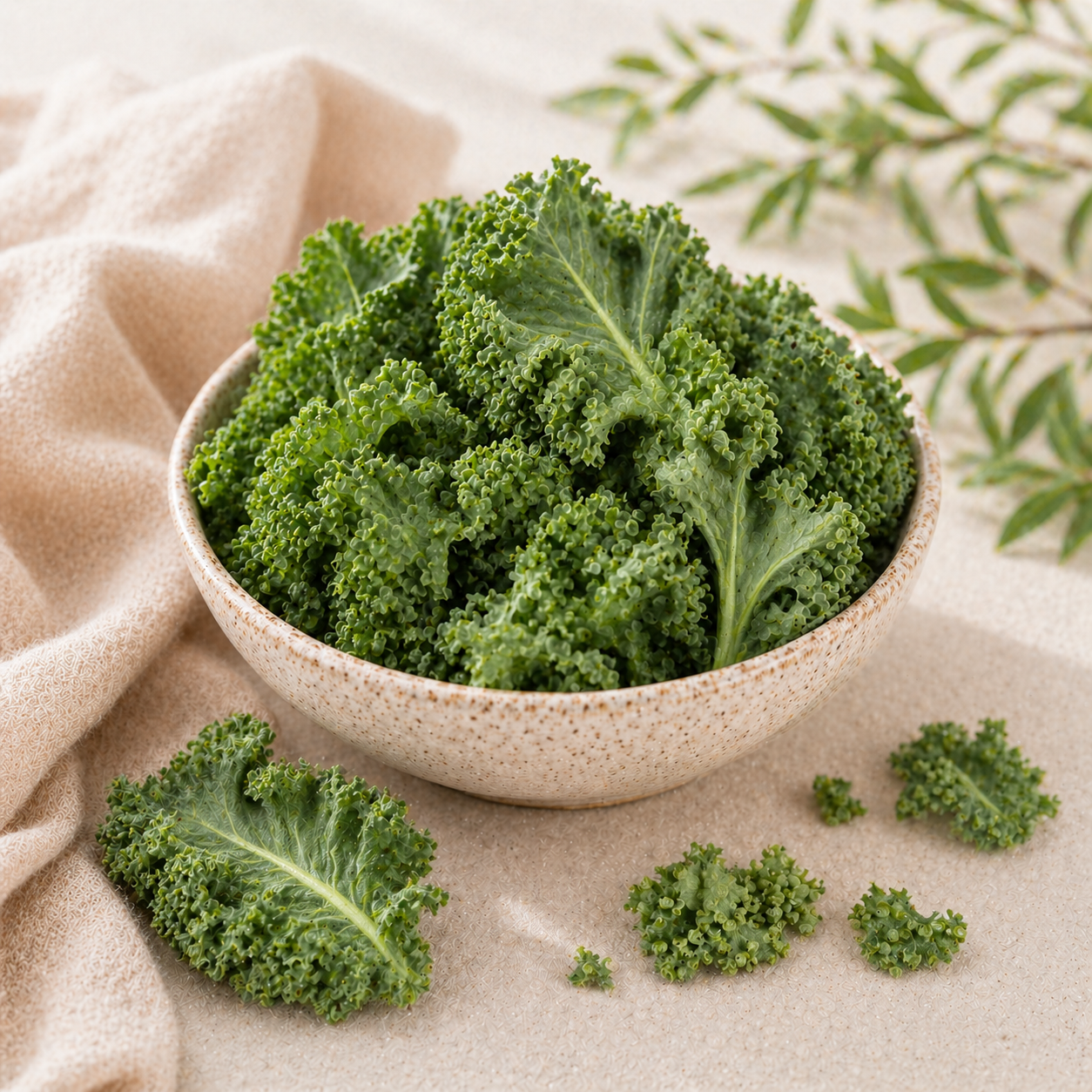
Kale
Kale: The "Chlorophyll Commander" for Blood Health and Toxin Neutralization
In the high-stakes nutritional management of liver cirrhosis, Kale (Brassica oleracea var. sabellica) stands as a dominant functional food. Often hailed as the "Queen of Greens," kale belongs to the cruciferous family—a group of vegetables scientifically recognized as the most potent natural stimulators of the liver’s detoxification enzymes. For a patient with a scarred liver, kale offers a triple-action defense: it provides a massive dose of Vitamin K to support blood clotting, glucosinolates to trigger Phase II detoxification, and chlorophyll to neutralize environmental toxins before they can damage remaining healthy tissue.British Liver Trust: Cruciferous Vegetables and Liver Enzyme Support
INR - International Normalized Ratio
The INR test is a standardized laboratory calculation derived from a Prothrombin Time (PT) blood test. Prothrombin time measures exactly how many seconds it takes for the liquid portion of your blood, or plasma, to form a solid clot