
Zinc
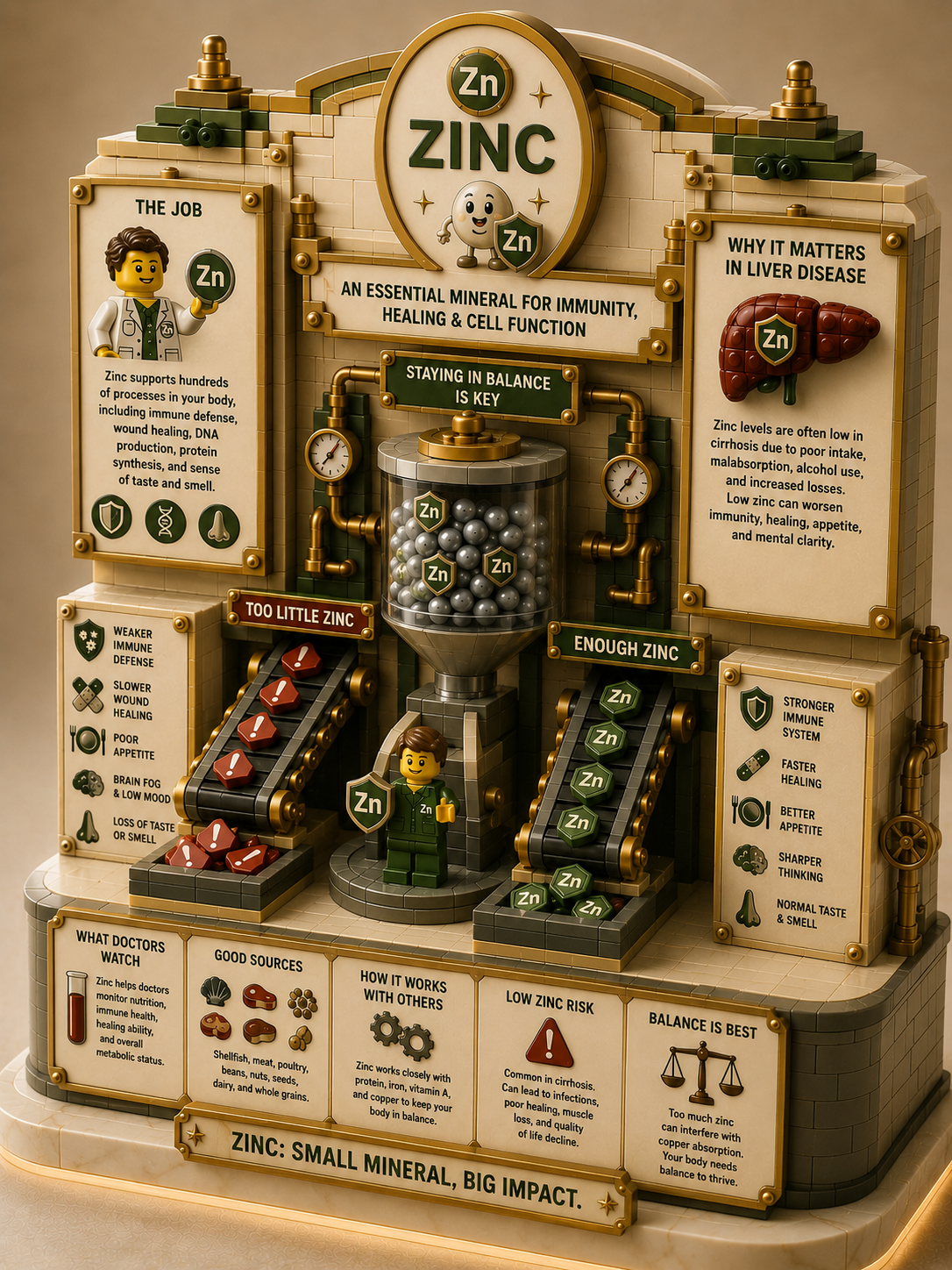
Important Medical Disclaimer: I am Angie, a cirrhosis patient sharing my personal lifestyle, nutrition, and mindset journey. I am a data aggregator and community builder, not a licensed medical professional, doctor, or dietitian. Content on diagnosiscirrhosis.com is based solely on my personal experience living with advanced liver disease and is intended for informational and educational purposes only. It does not constitute medical advice or a substitute for professional medical care. Always follow the recommendations of your own healthcare team and consult your hepatologist or physician before changing your diet, medication, or lifestyle routine.
@diagnosis_cirrhosis 🧪🚨 Creatinine… one of the most important numbers in liver disease, cirrhosis, and liver failure 👀 It’s a waste product from your muscles 💪➡️🧪 Your kidneys filter it out 🩺🚿 👉 So when creatinine goes up… ⚠️ your kidneys are struggling ⸻ 🫀🧠 But here’s what most people don’t realize… Your liver and kidneys work together 🔗 When the liver is damaged (cirrhosis, fibrosis, liver failure): • blood flow gets rerouted 🩸⬇️ • vessels dilate (especially in the gut) 🌊 • your body thinks it’s low on blood volume So it tries to compensate ⚙️👇 • activates stress hormones ⚡ • retains salt and water 🧂💧 • tightens blood flow to kidneys 🚫🩸 👉 even if you’re fluid overloaded… your kidneys are being underfilled and stressed 😵💫 ⸻ 📉 This can lead to: • kidney dysfunction 🚨 • rising creatinine 📈 • hepatorenal syndrome (HRS) 🧠🫀➡️🩺 ⸻ 📊 That’s why creatinine is part of the MELD score (Model for End-Stage Liver Disease) It helps predict: ⚠️ severity of cirrhosis ⚠️ risk of decline ⚠️ need for transplant Because kidney function = survival in liver disease ⸻ 💊 And then come diuretics (water pills)… Used to treat: 🦶 swelling (edema) 🎈 ascites (fluid in abdomen) They help remove fluid 🚿 BUT… 👉 too much: • dehydration 💧⬇️ • lower blood volume 🩸⬇️ • reduced kidney perfusion 🚫 👉 result: 📈 creatinine rises ⚠️ kidneys get pushed harder ⸻ 🧠 Simple way to think about it: Liver damage → circulation shifts 🫀 Body compensates → holds fluid + redirects blood ⚙️ Diuretics remove fluid → volume drops 💧 Kidneys get less flow → creatinine rises 🚨 ⸻ ⚠️ Common causes of cirrhosis / liver damage: • MASLD / NAFLD (fatty liver) 🍩 • MASH / NASH 🧪 • Alcohol-related liver disease 🚫🍷 • Hepatitis B & C 🦠 • Autoimmune hepatitis 🛡️🔥 • Primary biliary cholangitis (PBC) 🧬 • Primary sclerosing cholangitis (PSC) 🧬 • Hemochromatosis ⚙️ • Wilson’s disease 🪙 • Alpha-1 antitrypsin deficiency 🧩 • Drug-induced liver injury 💊 • Cryptogenic cirrhosis ❓ ⸻ ⚠️ Symptoms that can signal liver + kidney stress: 😴 fatigue 🤢 nausea 🧠 confusion / brain fog 🦶 swelling 🔥 itching 🩸 easy bruising 👁️ vision changes 🌡️ feeling off or overheated ⸻ 💬 If you have liver disease and notice lab changes or new symptoms, talk to your doctor or hepatologist 👩⚕️👨⚕️🩺 Your body is constantly compensating… until it can’t anymore ⚠️ ⸻ #bloodwork #kidneydisease#kidneydisease#patienteducation #medicalhumor ♬ original sound - diagnosis cirrhosis
Top 4 Zinc Need to Knows
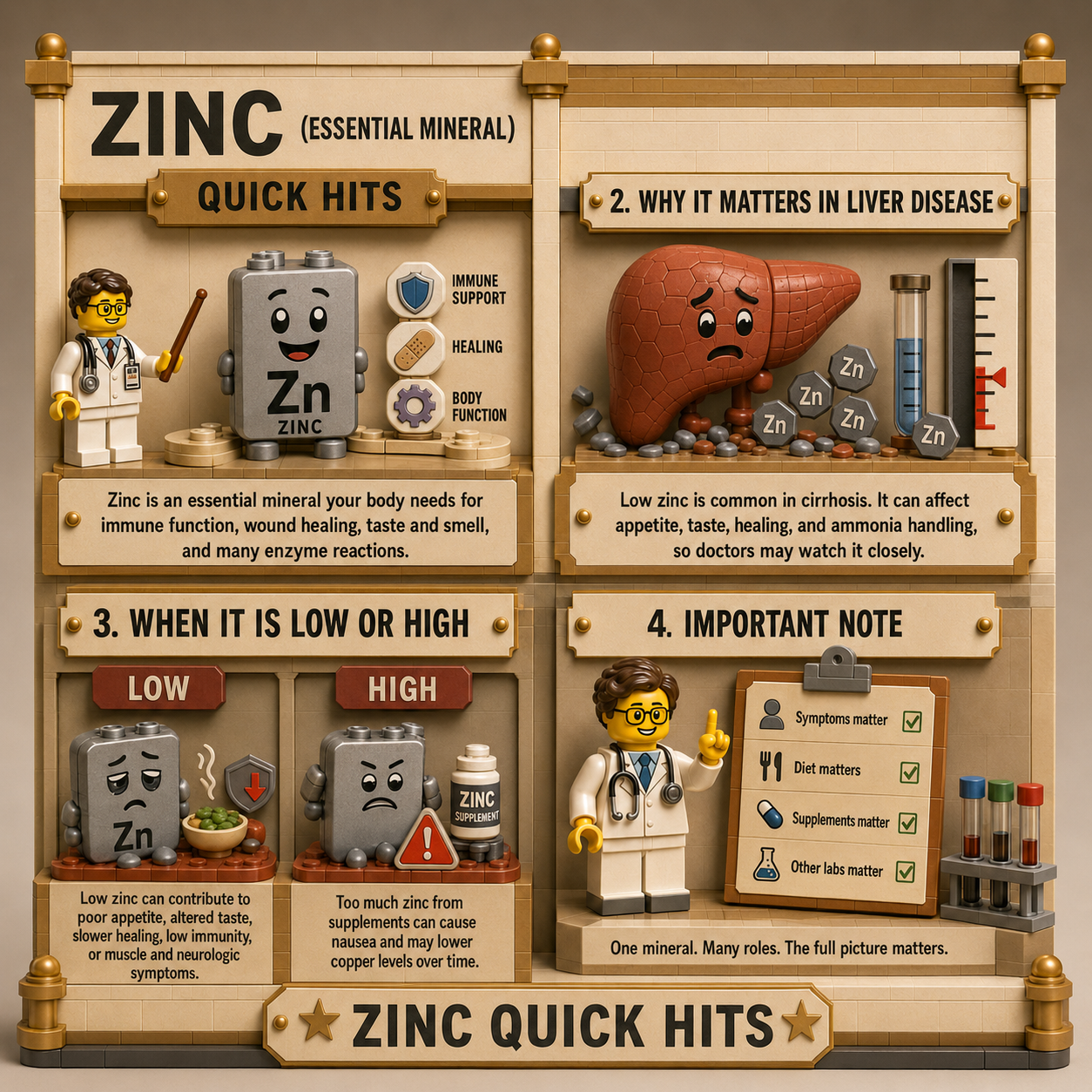
My Experience with It
By Angie from @Diagnosis_Cirrhosis on TikTok
The thing that made zinc unforgettable for me was not the lab itself.
It was the betrayal of the banana.
Because if you have ever had muscle cramps, especially the kind where your hands start curling in on themselves like they are trying to become antique furniture, you already know what everyone says.
Bananas. Did you eat a banana?
Maybe you need potassium.
Have you tried bananas?
The banana has somehow become the unofficial mascot of muscle cramps. The yellow little first responder. The fruit everyone sends into battle like it has a tiny medical license and a stethoscope.
And listen, I respect the banana.
But there came a point where my body was doing something so much bigger than “needs a snack.”
My hands were cramping badly. My brain was getting foggier. HE was creeping in with that awful chemical wrongness.
And suddenly the banana felt almost insulting.
Like bringing a beach towel to a flood.
That was when my doctors started looking deeper, and zinc entered the conversation.
A mineral I had mentally filed somewhere between cold medicine, drugstore vitamins, and “things people take when they are about to tell you they do not believe in getting sick.”
I did not understand why it belonged in my liver story. But that is what cirrhosis keeps doing.
It takes the small things you never respected and reveals they were holding one of the load-bearing beams.
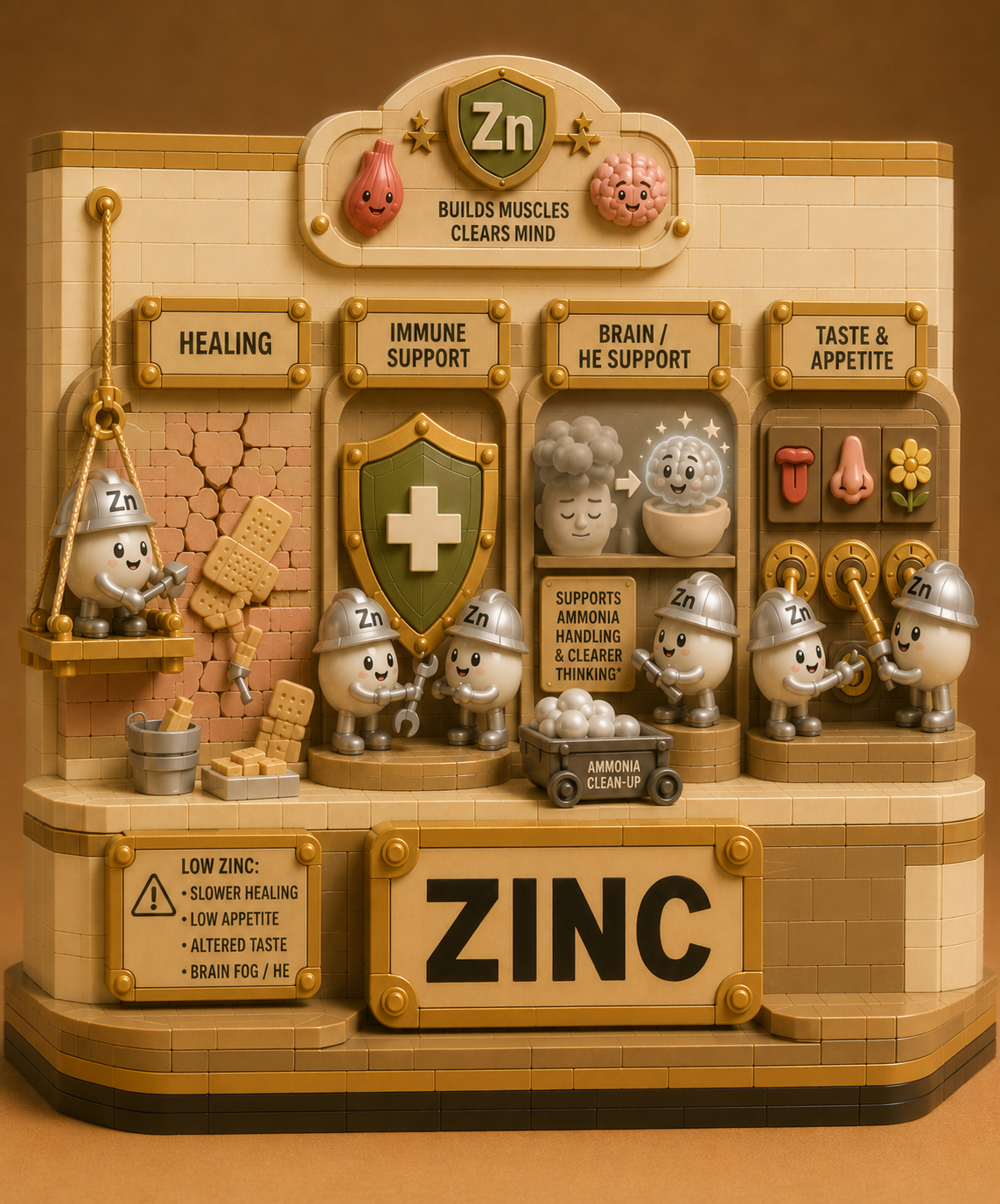
Zinc was not just a random vitamin aisle cameo. It was part of a larger system: muscle function, nutrition, immune health, ammonia metabolism, and the complicated machinery of HE. Not a magic answer. Not a cure.
Not something to start throwing into your body without a doctor.
And the frustrating part was that zinc did not live alone. It had neighbors. Magnesium. Calcium. Potassium. Copper. Kidney function. Medications. Diarrhea. Diuretics. Absorption. All these tiny variables tugging on the same electrical panel.
That was the lesson for me.
Cirrhosis make my body feel less like a body and more like an old house where one flickering light could mean anything.
Bad wiring.
A blown fuse.
Water in the walls.
A circuit overloaded three rooms away.
And there I was, standing in the dark, holding a banana like a flashlight. That is the piece I wish more patients understood.
Cramps are not always simple. HE is not always simple. Deficiencies are not always obvious.And sometimes the number that matters is not the dramatic one screaming from the top of the chart.
Sometimes it is zinc. Some tiny trace mineral pulling wires behind the wall.
For me, zinc became memorable because it taught me that the obvious answer is not always the answer. Sometimes “eat a banana” is just the first-grade version of a graduate-level problem.
And in cirrhosis, your body is almost never asking one question at a time.
Why Is It in the MELD?
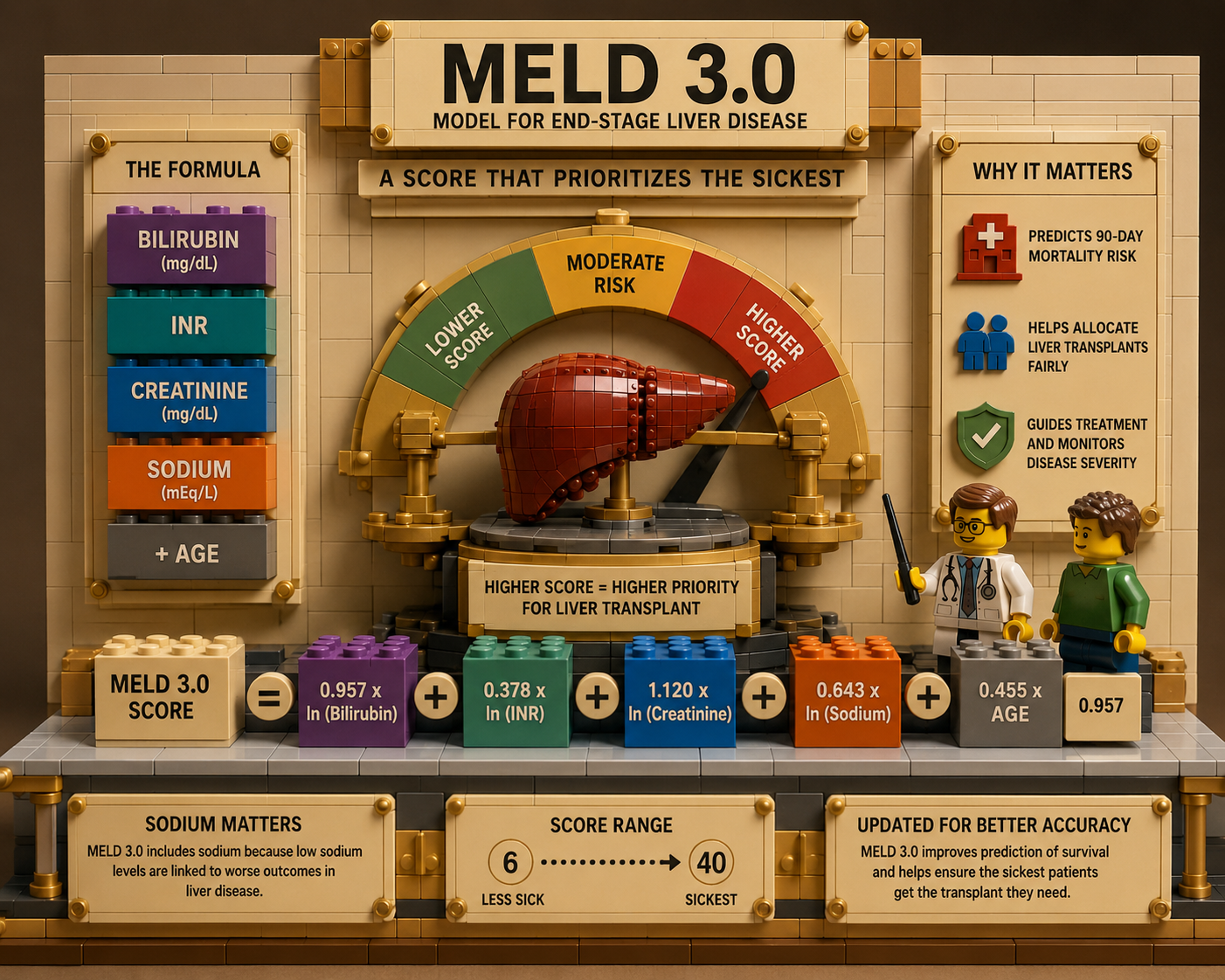
It surprises many patients to find a strict kidney marker occupying a high-priority slot on a liver-focused laboratory report, but its presence is vital for tracking the Hepatorenal Nexus [4]. In advanced liver disease, the kidneys are rarely independent; their health is directly tied to liver function [2].
Because creatinine is the single most reliable marker for tracking real-time kidney filtration, it was selected as a core metric for the Model for End-Stage Liver Disease (MELD) scoring system [4]. Including creatinine on the liver panel allows hepatologists to continuously calculate your transplant priority score, ensuring that any hidden, secondary kidney strain is caught before it turns into a life-threatening complication [4].
Link to my favorite MELD 3.0 Calculator
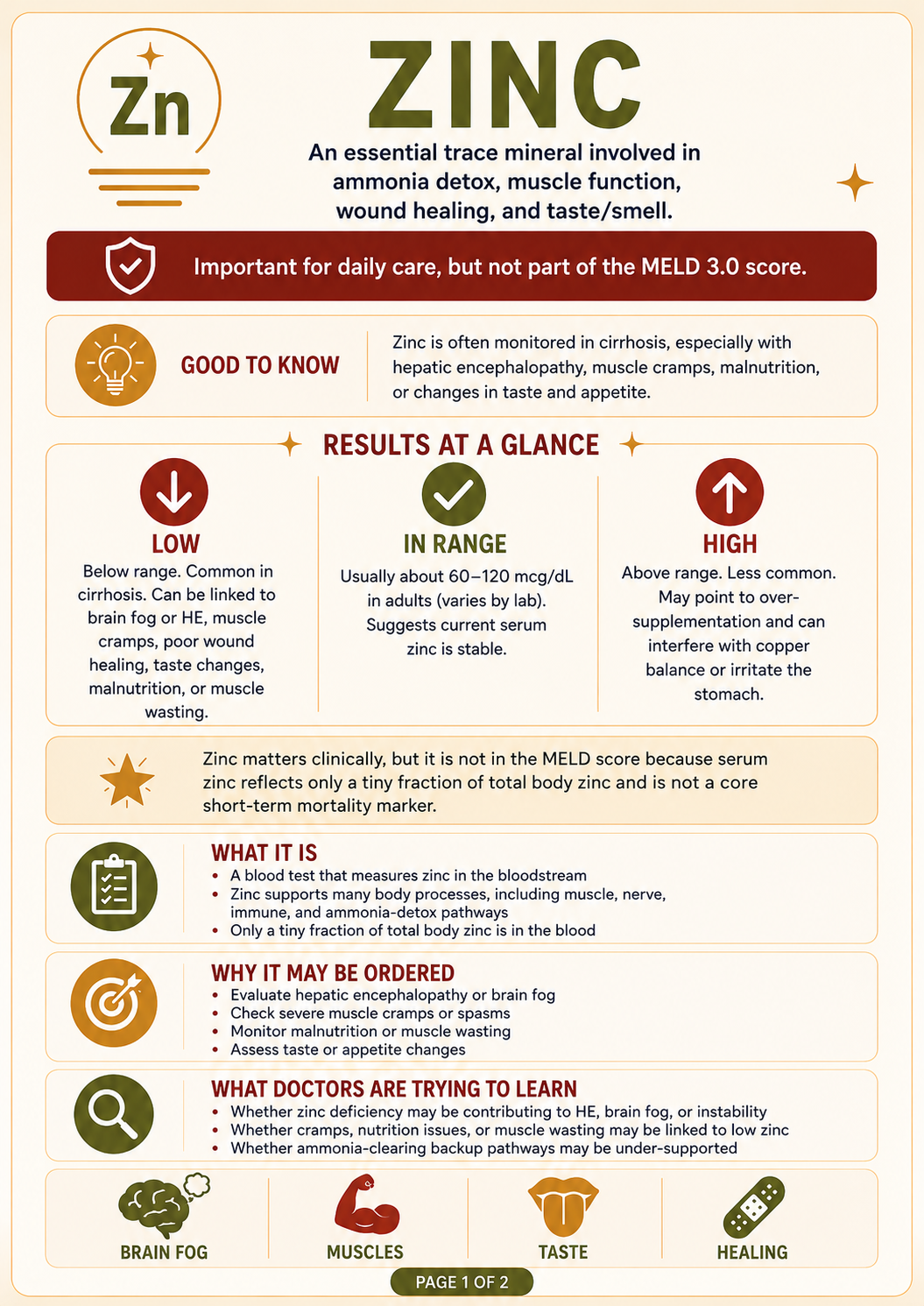
While zinc deficiency is a driving factor behind severe cirrhosis complications like muscle wasting and brain fog, this trace mineral is completely excluded from the MELD score calculation [ 4, 5]. Given that fixing a zinc deficiency can directly improve a patient's neurological stability, it feels like it should carry weight on a transplant ranking list [2]. However, transplant committees lock zinc out of the priority math because it acts as a nutritional baseline rather than an indicator of acute, short-term organ death [4, 5].
The Trace Mineral Mirage: What Is Misrepresented?
The primary reason zinc is excluded from the MELD formula is that serum blood levels can heavily misrepresent the true depth of a patient's cellular depletion [1, 3].
The Internal Hiding Place: Only a tiny fraction of your body's total zinc circulates freely in your blood serum; the vast majority is tucked away inside your muscles, bones, and red blood cells [3].
Diagnostic Blind Spots: Because of this distribution, a patient's serum zinc levels can look deceptively borderline or normal even when their tissues are starving for the mineral [2, 3]. Relying on a metric with such an erratic baseline to allocate organs would deeply misrepresent a patient's actual physical frailty, destroying the standardized fairness needed for transplant list rankings [Source 4].
Long-Term Nutritional Decline vs. 90-Day Survival
MELD scores are built exclusively from un-fakable, unalterable variables that predict a strict, short-term 90-day survival window [Source 4, 5]. Zinc simply does not fit this high-stakes mathematical model [5].
A Chronic Slow Burn: A zinc deficiency causes chronic, long-term physical degradation—like a slow creeping loss of muscle mass or episodic brain fog—rather than an immediate, irreversible multi-organ shutdown [2, 4].
The Easy Solution: Furthermore, zinc is a variable that can begin improvement with small measures [1, 5]. A patient with an alarmingly low zinc score can take a standard oral supplement or receive an intravenous infusion, raising their blood numbers within days [Source 5]. Because a national organ allocation system cannot award life-saving organs based on a nutritional metric that can be completely erased by a basic vitamin routine, zinc remains a critical daily care tool rather than a variable in the transplant priority calculation [4, 5].
Key Takeaways:
Find Out More:
What the Procedure Is
The serum zinc test is a specialized venipuncture blood draw that measures the exact concentration of elemental zinc circulating in your blood plasma [Source 3]. In clinical human biology, zinc is classified as an essential trace element [Source 3]. It cannot be manufactured by the body, meaning you rely entirely on your daily intake to fuel hundreds of vital chemical reactions [Source 1, 3].
Why This Procedure May Be Recommended
Hepatologists and clinical teams order a zinc test when a cirrhosis patient begins to show signs of advanced metabolic or neurological decompensation [Source 2, 4]. A physician will prioritize tracking this marker to:
Investigate Hepatic Encephalopathy (HE): Zinc is a mandatory spark plug for the enzymes that clear brain-poisoning toxins; a dipping zinc score is a prime suspect when a patient develops sudden confusion or altered sleep patterns [Source 2, 5].
Evaluate Excruciating Muscle Cramps: When a patient is plagued by midnight muscle spasms that bananas can't fix, tracking zinc helps doctors determine if a lack of cellular minerals is causing the nerve-muscle pathways to seize up [Source 2].
Monitor Severe Malnutrition and Muscle Wasting: Advanced liver disease destroys the body's ability to store nutrients, and crashing zinc levels act as an early alarm for sarcopenia (severe muscle wasting) [Source 4].
Track Alterations in Taste and Smell: Zinc directly fuels your olfactory and gustatory receptors; tracking it explains why many cirrhosis patients suddenly lose their appetite or find food tasting unpleasantly metallic [Source 1, 3].
What Doctors Are Trying to Learn
When analyzing your zinc levels, a doctor is looking past standard nutrition to evaluate the Ammonia Detoxification Pathway and Nitrogen Balance [Source 2, 5]. When a scarred liver can no longer filter out toxic ammonia, your body relies on a backup system: your muscles step in to neutralize the poison using an enzyme called glutamine synthetase [Source 2, 5]. [1]
Here is the catch: that emergency muscle enzyme is completely dependent on zinc to function [Source 2]. If your zinc levels drop, your muscles lose the ability to clear the toxins, causing ammonia to spike and trigger a massive wave of hepatic encephalopathy [Source 5]. By watching your zinc numbers, doctors are learning exactly how strong your body's backup defense system is, helping them determine if adding specialized zinc acetate or sulfate supplements will protect your brain function and stop your muscles from cramping [Source 2, 5].
How to Prepare
Ensuring an accurate diagnostic baseline for a zinc test requires strict adherence to specialized laboratory preparation guidelines to avoid cross-contamination []:
@diagnosis_cirrhosis 🧪🩸 First bloodwork trip since becoming immunocompromised 😷🧬 Today was my first trip to the lab since starting medications that make me immunocompromised. That word gets used a lot, but what it actually means is pretty simple: My immune system — the thing that normally fights off viruses, bacteria, and infections — is intentionally suppressed. 🛡️⬇️ Why would doctors do that? Because in autoimmune hepatitis, the immune system mistakenly attacks the liver itself. 🔥🫀 So medications like immunosuppressants are used to slow that attack and protect the liver from further damage. 💊🧬 The trade-off is that when your immune system is dialed down, it can’t fight infections as easily. That’s why precautions matter more now: 😷 wearing a mask in medical settings 🧼 frequent hand washing 🚶♀️ avoiding unnecessary exposure to illness 🏥 being cautious in crowded healthcare spaces like labs and waiting rooms It might look like overkill to some people, but when your immune defenses are lowered, a routine infection can become much more serious. One thing many people don’t realize is that some liver diseases require immunosuppressive treatment long before transplant is ever part of the conversation. Autoimmune hepatitis is one of them. 🛡️🔥 The treatment itself requires calming the immune system, which means patients may already be immunocompromised years before transplant is even considered. Many other causes of cirrhosis — like MASLD/NAFLD 🍩, alcohol-related liver disease 🚫🍷, hepatitis B or C 🦠, or genetic conditions 🧬 — don’t require immune suppression as part of treatment. Different diseases. Different treatments. Different risks. So if you see someone masking at the lab, the pharmacy, or the doctor’s office… sometimes it’s not about fear. It’s just about protecting the immune system they have left. 💚😷 #autoimmune #bloodwork #adayinthelife #liverdisease #chronicillnesswarrior ♬ original sound - diagnosis cirrhosis
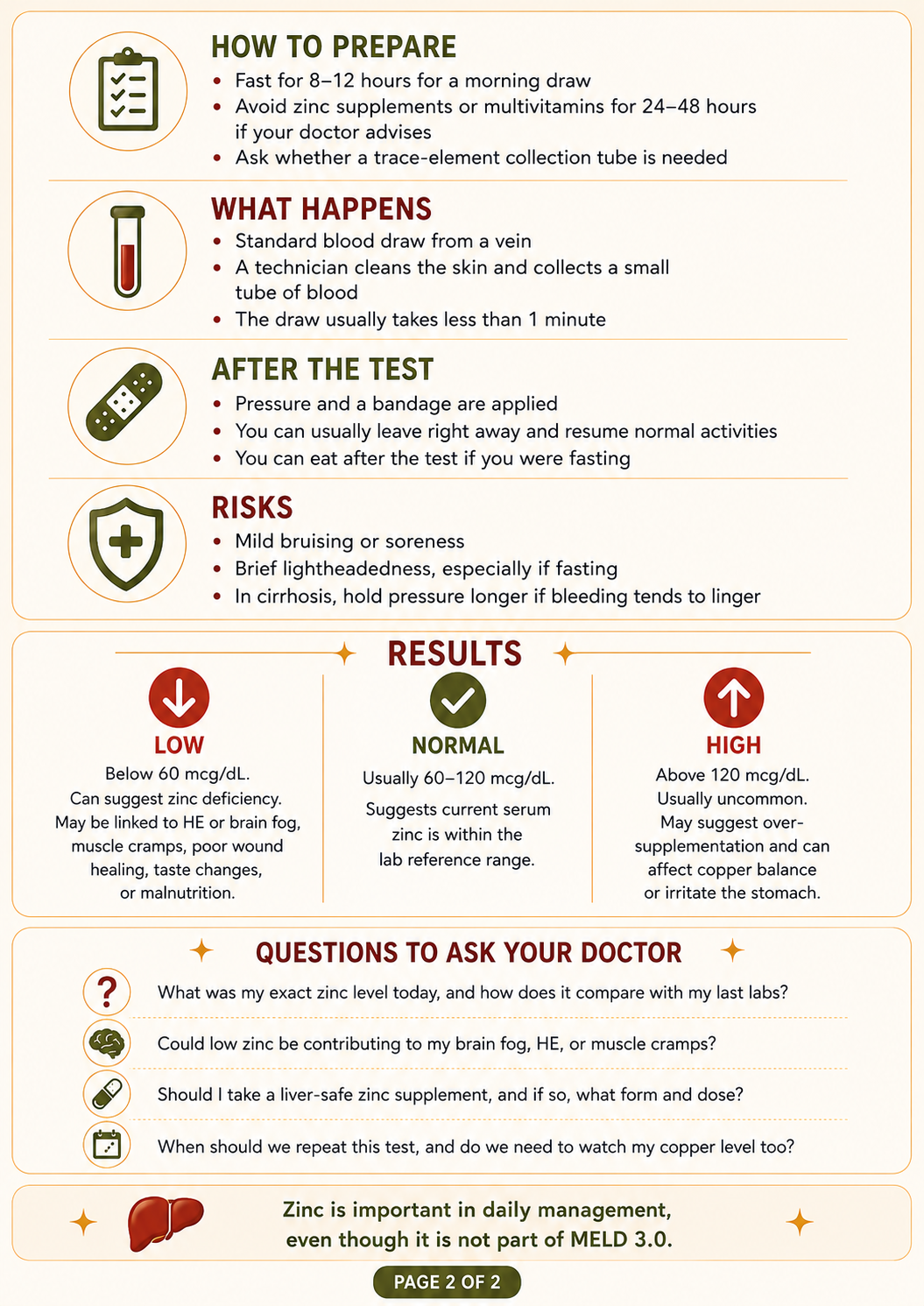
Maintain strict Fasting Windows: Zinc levels naturally peak in the early morning and drop drastically after you digest a meal [Source 1, 3]. To get a true baseline, you must fast with zero calories for 8 to 12 hours before a morning draw [Source 1].
Pause All Mineral Supplements: Do not take zinc supplements, multi-vitamins, or specialized mineral capsules for at least 24 to 48 hours prior to the test [Source 1].
Verify Trace Element Lab Protocols: Ensure the lab uses specialized "trace element-free" collection tubes (usually with a dark blue top), as standard glass or rubber stoppers contain tiny amounts of zinc that can leach into your sample and falsely inflate your score [Source 1, 3].
What Happens During It
The collection follows standard, low-risk laboratory venipuncture protocols [3]. A phlebotomist applies a flexible tourniquet to your upper arm, thoroughly treats the skin surface with an antiseptic, and inserts a small needle into a vein—usually near the bend of the elbow—to collect a single vial of blood in under a minute [3].
Once the needle is removed, a small gauze pad is pressed firmly onto the puncture site and sealed with an adhesive bandage [3]. You can leave the laboratory immediately, drive yourself home, eat a normal meal, and go about your daily routine without any required downtime [3].
What Happens After It
The collection follows standard, low-risk laboratory venipuncture protocols, though it requires specific handling [Source 3]. A phlebotomist applies an elastic tourniquet to your upper arm, sanitizes the skin, and inserts a small needle into a vein—typically at the bend of the elbow—to fill a specialized trace-element tube in under a minute [Source 3]. [1]
Once the needle is removed, a small gauze pad is pressed firmly over the puncture site and sealed with an adhesive bandage [Source 3]. You can leave the lab immediately, drive yourself home, eat a normal meal to break your fast, and go about your day without any downtime [Source 3].
Risks and What to Watch For
The physical risks of a standard trace mineral blood draw are exceptionally minor and resolve quickly [Source 3]. You may feel a brief pinch from the needle, notice a tiny pinpoint bruise, or experience a temporary wave of lightheadedness from morning fasting [Source 3]. [1]
0However, because a cirrhotic liver struggles to manufacture essential blood-clotting proteins, patients must practice diligent post-care [Source 2]. Ensure you apply firm, continuous manual pressure to the gauze pad for several minutes after the needle is removed to effectively prevent prolonged bleeding or localized bruising under the skin [Source 2].
What Results May Mean
Standard reference ranges for serum creatinine vary by biological sex due to muscle mass differences, typically falling between 0.6 to 1.1 mg/dL for females and 0.7 to 1.3 mg/dL for males [1]. In the context of liver care, results signal distinct clinical scenarios:
Stable Low Levels (Within Range): This is an incredibly reassuring sign, confirming that your kidneys are filtering waste efficiently, handling your diuretic medications safely, and remaining unharmed by your liver disease [4, 5].
Elevated Creatinine (>1.2 mg/dL for females; >1.4 mg/dL for males): A rising number is a major red flag in cirrhosis [4]. It warns doctors that your kidneys are failing to clear waste, which can indicate acute dehydration, diuretic toxicity, or the onset of dangerous Hepatorenal Syndrome [4, 5].
Deceptively Low Readings (<0.5 mg/dL): While a low number sounds positive, in advanced liver disease it often reflects severe muscle wasting or advanced malnutrition rather than superior kidney health [2].
Questions to Ask Your Doctor
To take an active role in your care and confidently navigate your next clinical follow-up, consider discussing these targeted questions with your medical team:
What was my exact serum zinc number, and does it help explain why my muscle cramps and brain fog (HE) have been flaring up lately [Source 1, 2]?
Given my current cirrhosis baseline, should we start a targeted, liver-safe zinc supplement to help my muscles clear out toxic ammonia [Source 2, 5]?
If we start a zinc supplement, what specific dose and form (like zinc acetate or sulfate) is safest for my stomach and liver [Source 2]?
Could my recent loss of appetite or changes in how food tastes be a direct physical sign of this trace mineral deficiency [Source 1, 3]?
How long should we wait before repeating this test to check if my zinc levels are successfully climbing back into a safe range [Source 1]?
Sources
Source 1: Mayo Clinic Laboratories: Zinc Serum Reference Values, Trace Element Contamination Protocols, and Fasting Interferences.
Source 2: World Journal of Gastroenterology: Pathophysiology of Zinc Deficiency, Emergency Ammonia Detoxification, and Hepatic Encephalopathy in Cirrhosis.
Source 3: National Institutes of Health (NIH) / MedlinePlus: Understanding Zinc Blood Tests, Trace Element Homeostasis, and Venipuncture Protocols.
Source 4: Journal of Hepatology: Consensus Guidelines on Nutritional Deficiencies, Sarcopenia Dynamics, and MELD Score Exclusions in End-Stage Liver Disease.
Source 5: The American Journal of Gastroenterology: Clinical Guidance on Zinc Supplementation, Muscle Cramp Management, and Neuro-Metabolic Stability in Hepatology.
