
-
Community
-
Levity
-
Nutrition
-
Support
-
Recommendations
-
Education
-
Advocacy
-
Compassion
- Community - Levity - Nutrition - Support - Recommendations - Education - Advocacy - Compassion
Sodium
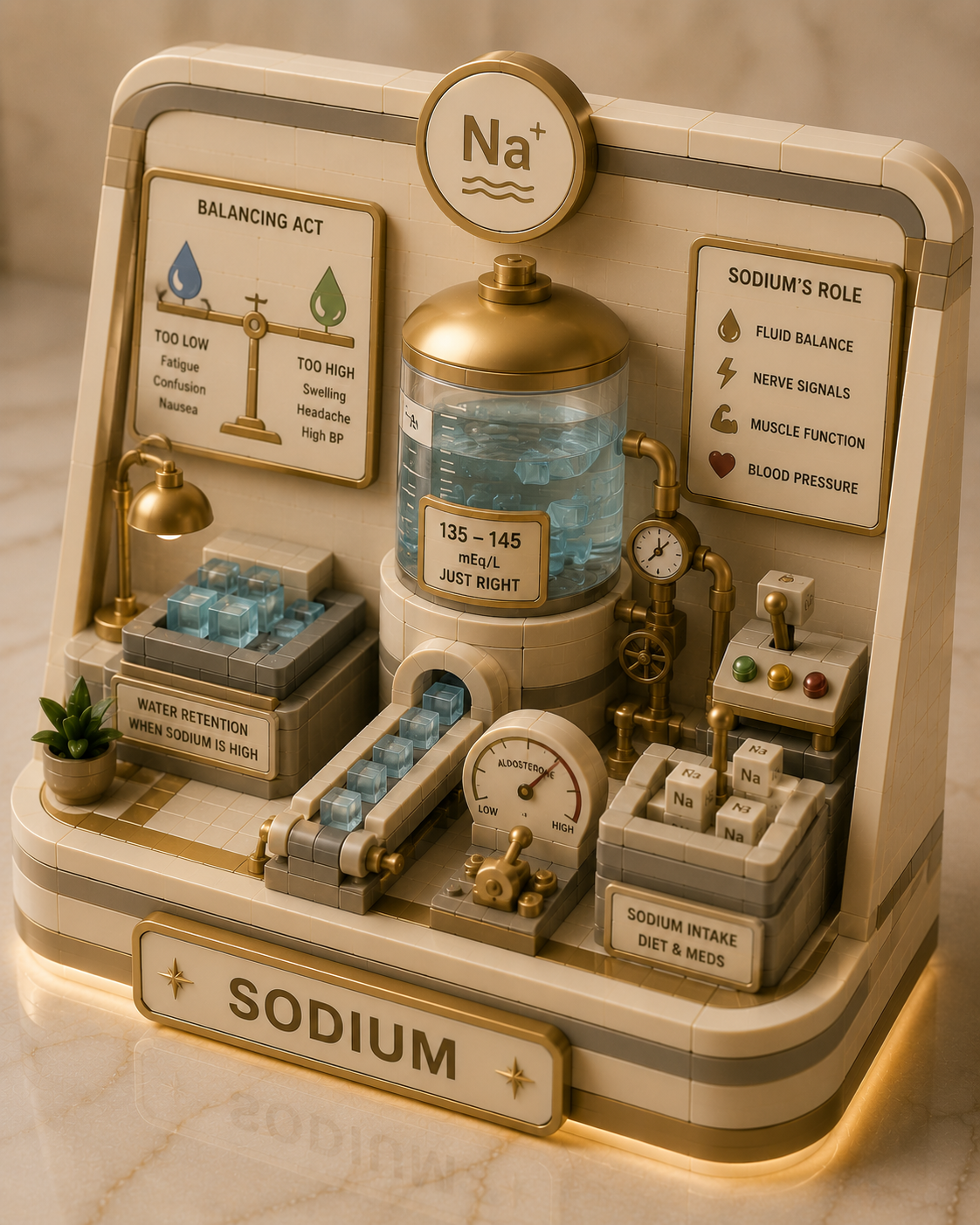
Low serum sodium is not always about too little salt coming in. In cirrhosis, it can be about too much water being held in the body, which dilutes the sodium in the blood. The issue may not be that there is no sodium.
The issue may be that the sodium is spread through too much fluid.
And it is why the obvious answer — “just eat more salt” — is not necessarily the answer at all.
Albumin
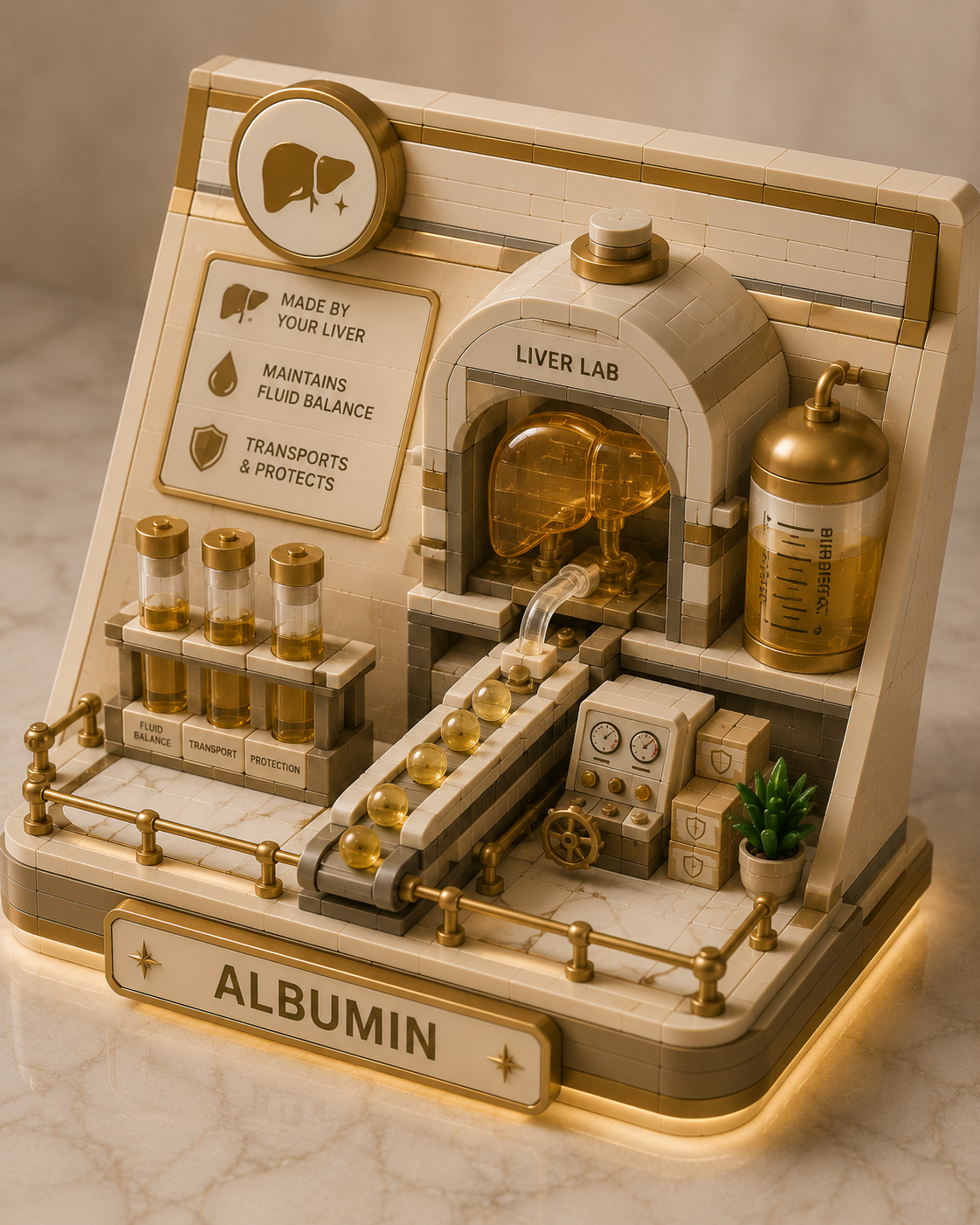
Physicians look at your albumin level to evaluate the true "working power" or synthetic capacity of your liver . They also use albumin to understand your blood's oncotic pressure—the magnetic force that keeps fluid safely inside your blood vessels instead of leaking out into your tissues. When a hepatologist looks at your metabolic profile, they evaluate albumin as a directly measured metric alongside your "Total Protein" panel.
Platelets
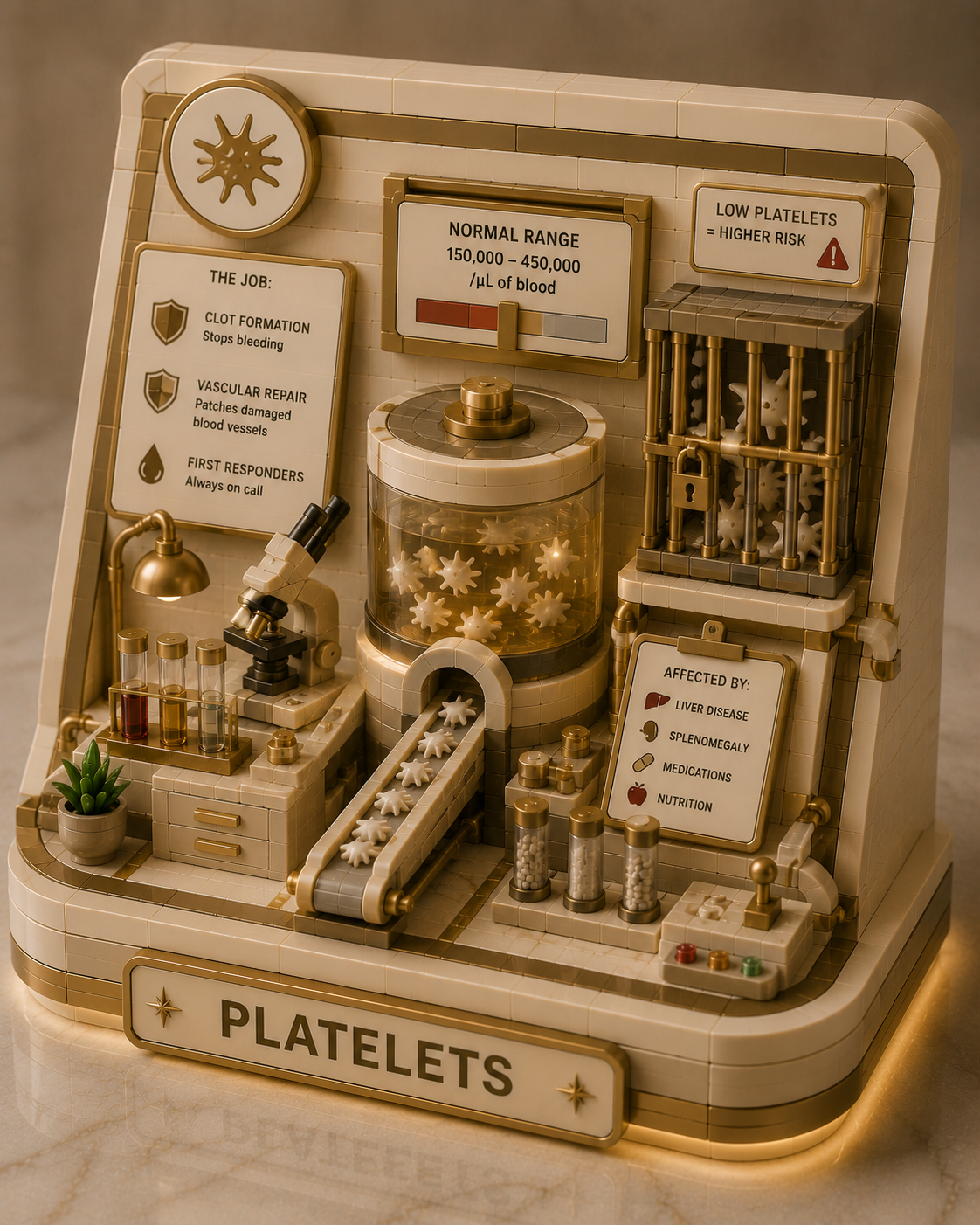
Platelets, legally termed thrombocytes, are tiny, disc-shaped cellular fragments manufactured within your bone marrow that circulate dynamically through the bloodstream. Their primary cellular responsibility is to aggregate and bind together at the site of a damaged blood vessel to form a physical haemostatic plug, halting active bleeding and initiating the cascade required for wound healing.
Zinc
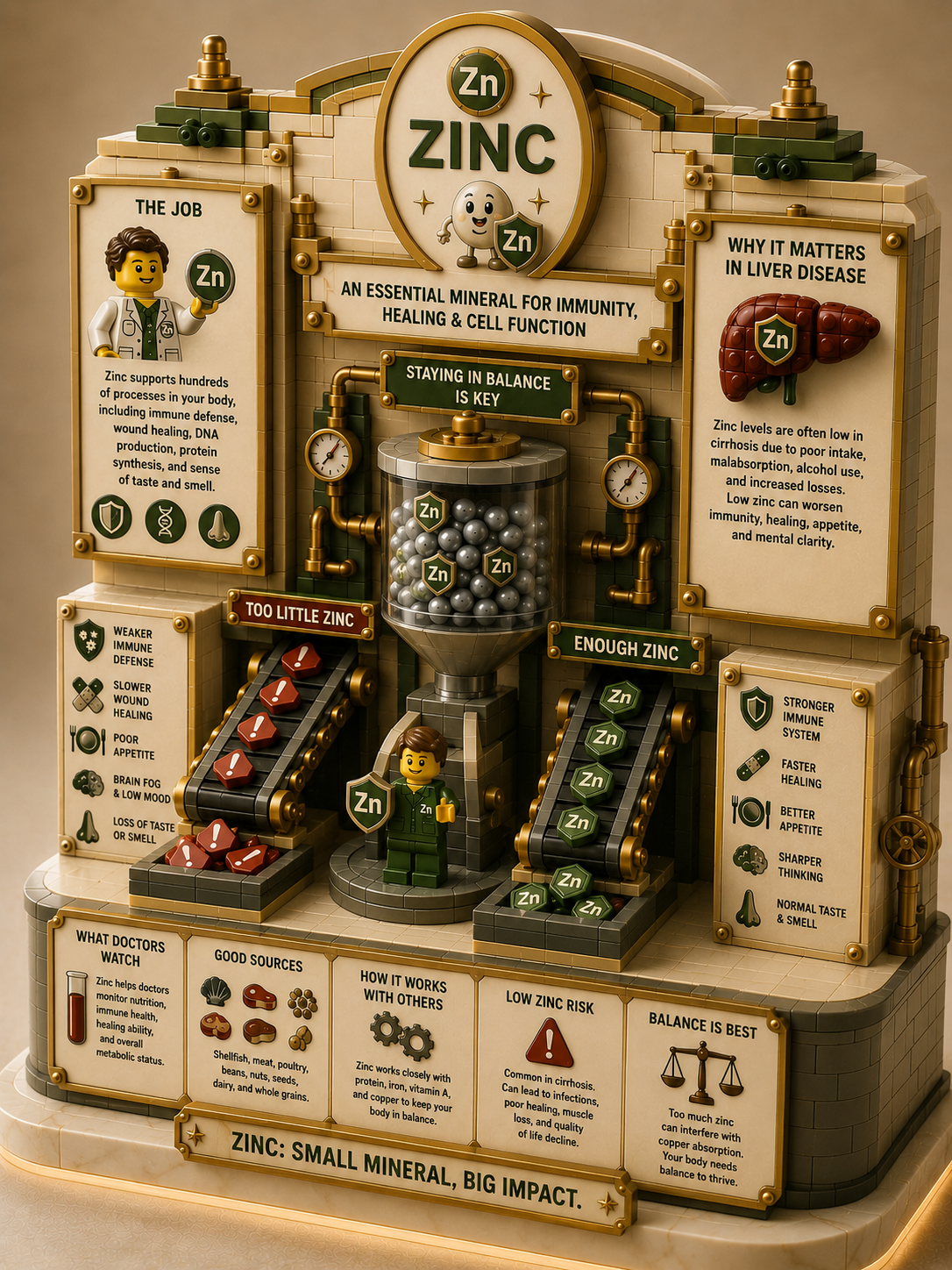
Zinc was not just a random vitamin aisle cameo. It is part of a larger system: muscle function, nutrition, immune health, ammonia metabolism, and the complicated machinery of HE. Not a magic answer. Not a cure.
Not something to start throwing into your body without a doctor.
And the frustrating part was that zinc did not live alone. It had neighbors. Magnesium. Calcium. Potassium. Copper. Kidney function. Medications. Diarrhea. Diuretics. Absorption. All these tiny variables tugging on the same electrical panel.
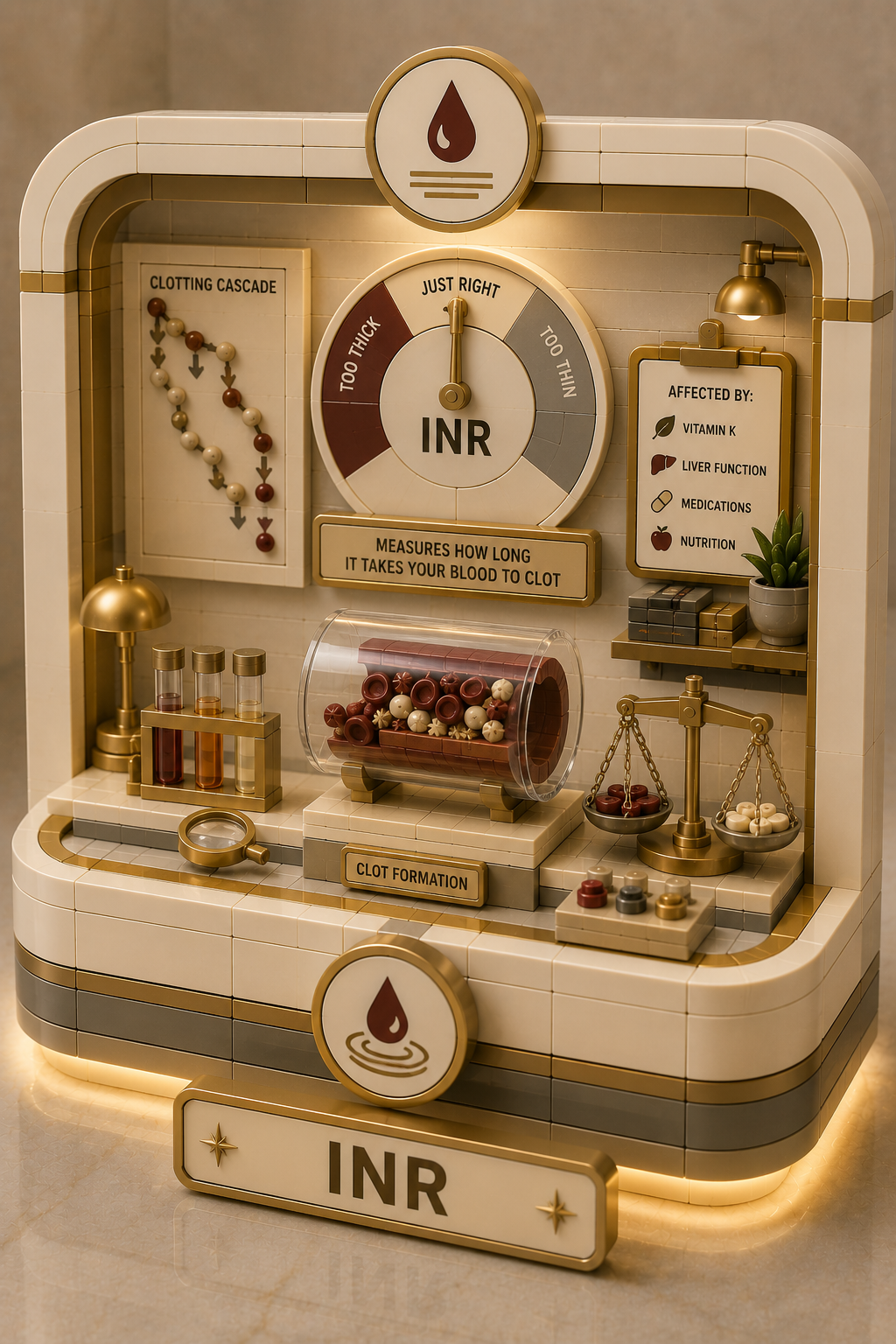
INR - International Normalized Ratio
The INR test is a standardized laboratory calculation derived from a Prothrombin Time (PT) blood test. Prothrombin time measures exactly how many seconds it takes for the liquid portion of your blood, or plasma, to form a solid clot
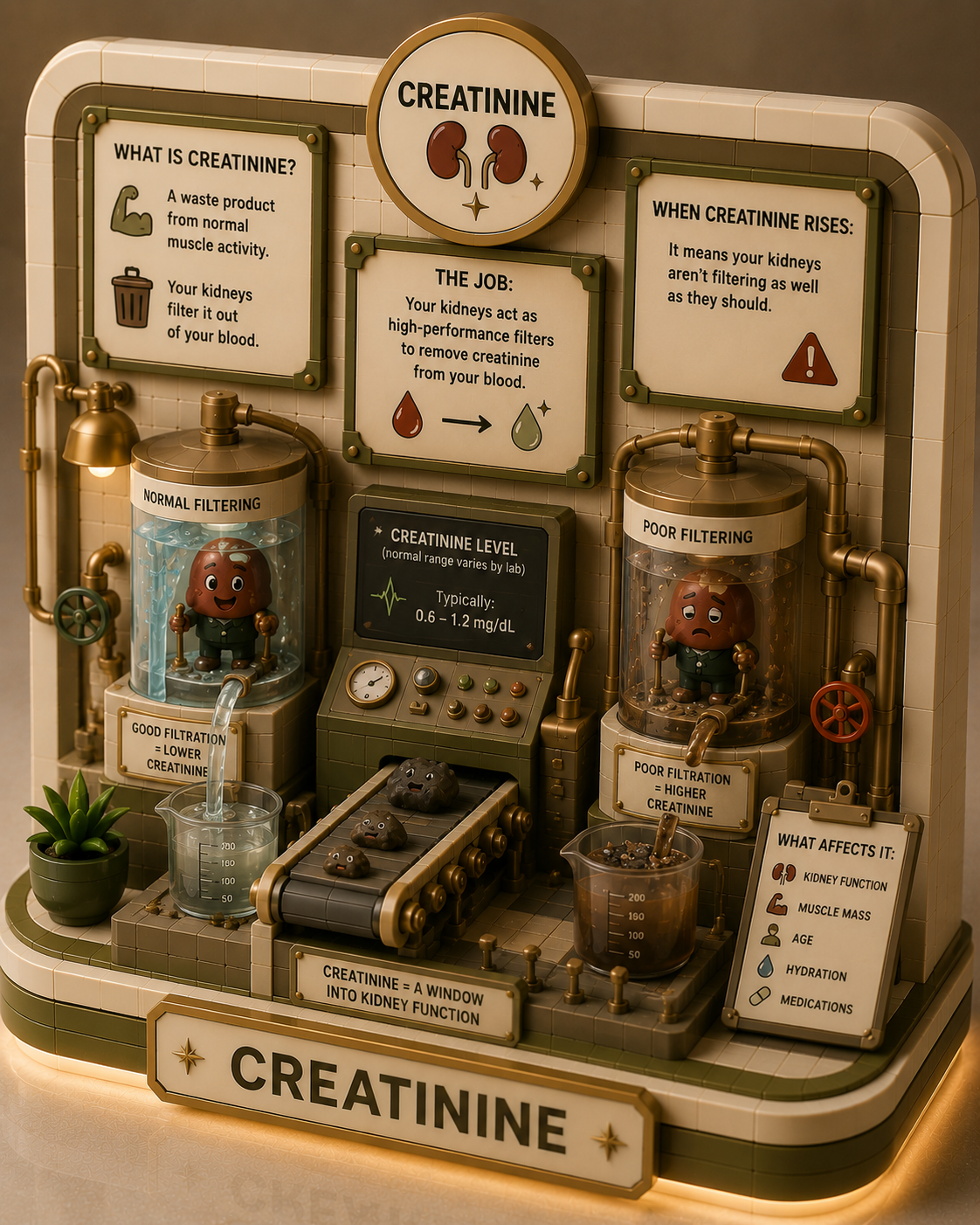
Creatinine
Creatine and creatine both sound like gym culture. Protein tubs. Men in sleeveless shirts explaining macros with the confidence of a podcast host in a backwards hat.
Are they related? Technically, yes, in the way that medical words love to be related just enough to make patients feel stupid. Creatine is involved in muscle energy. Creatinine is a waste product that comes from normal muscle metabolism and gets cleared by the kidneys.
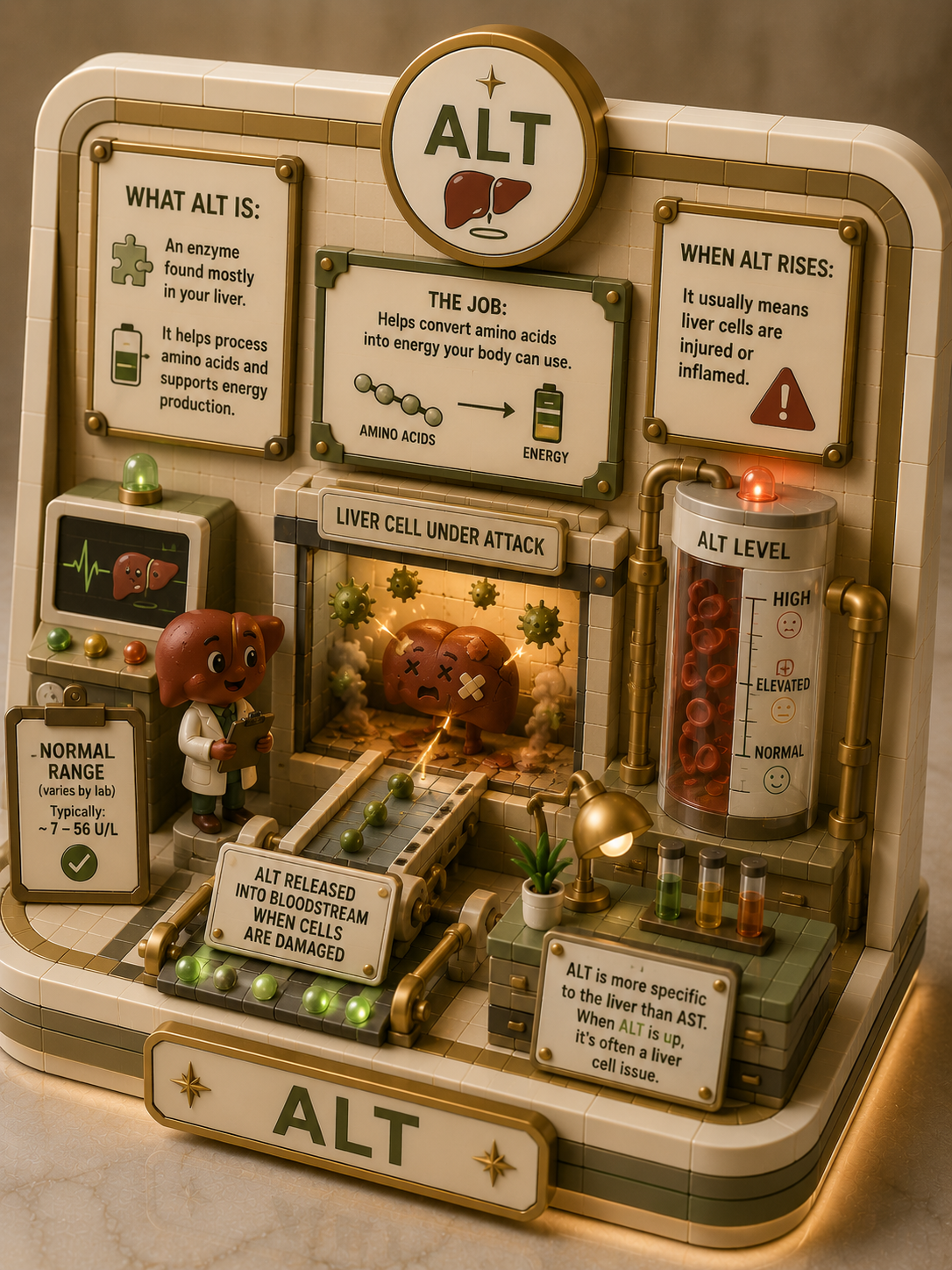
ALT
ALT is a liver enzyme doctors track to see whether liver cells are actively irritated, inflamed, or being injured. It can rise during autoimmune hepatitis flares, medication reactions, viral injury, fatty liver changes, or other active stress, but it does not measure how scarred the liver already is.
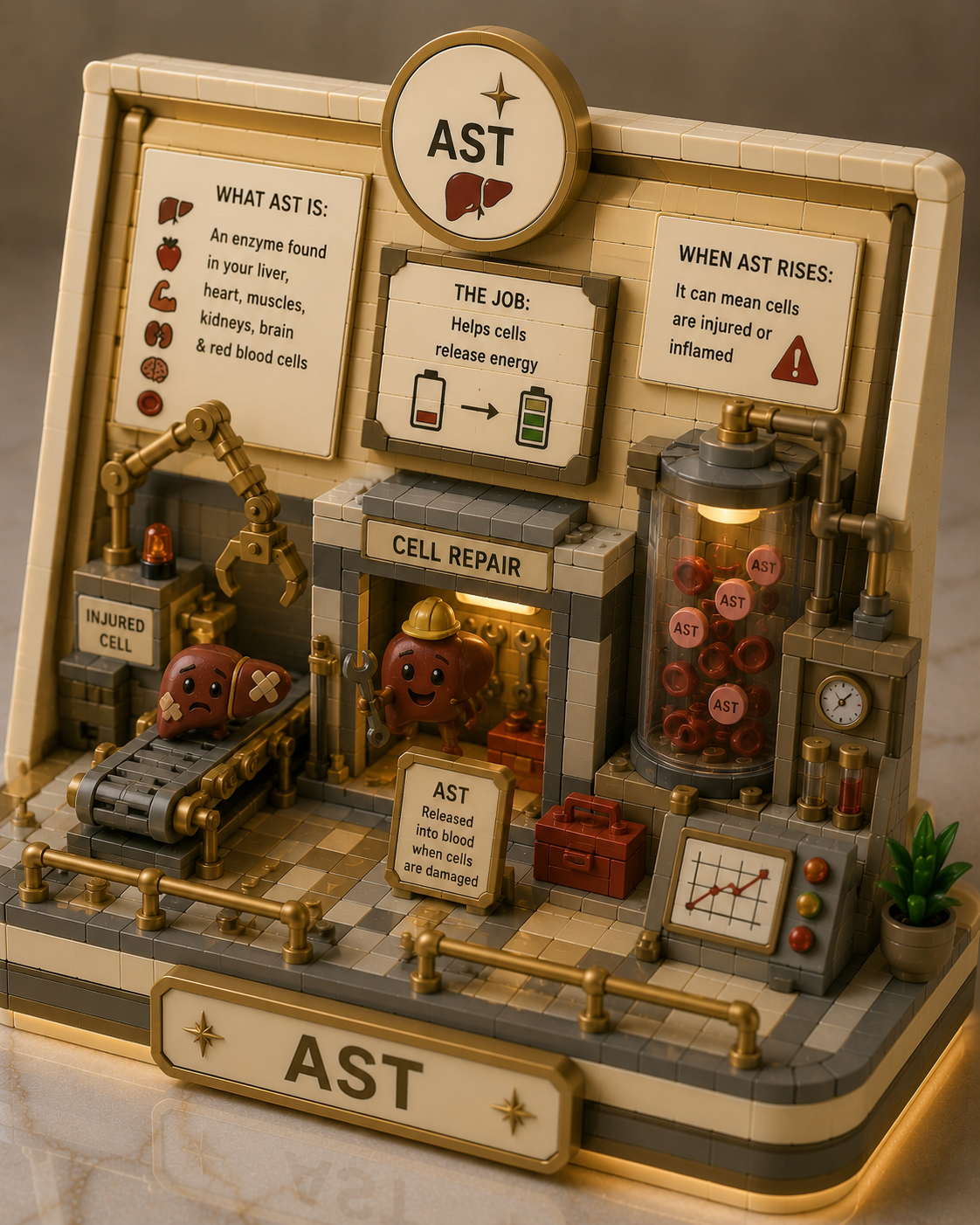
AST
AST is found in high amounts within liver cells, it is an enzyme that also lives inside cardiac muscle, skeletal muscle, kidneys, and the brain. When these specific cells experience stress, injury, or active degradation, their cellular membranes become permeable, leaking AST directly into your blood
Calcium
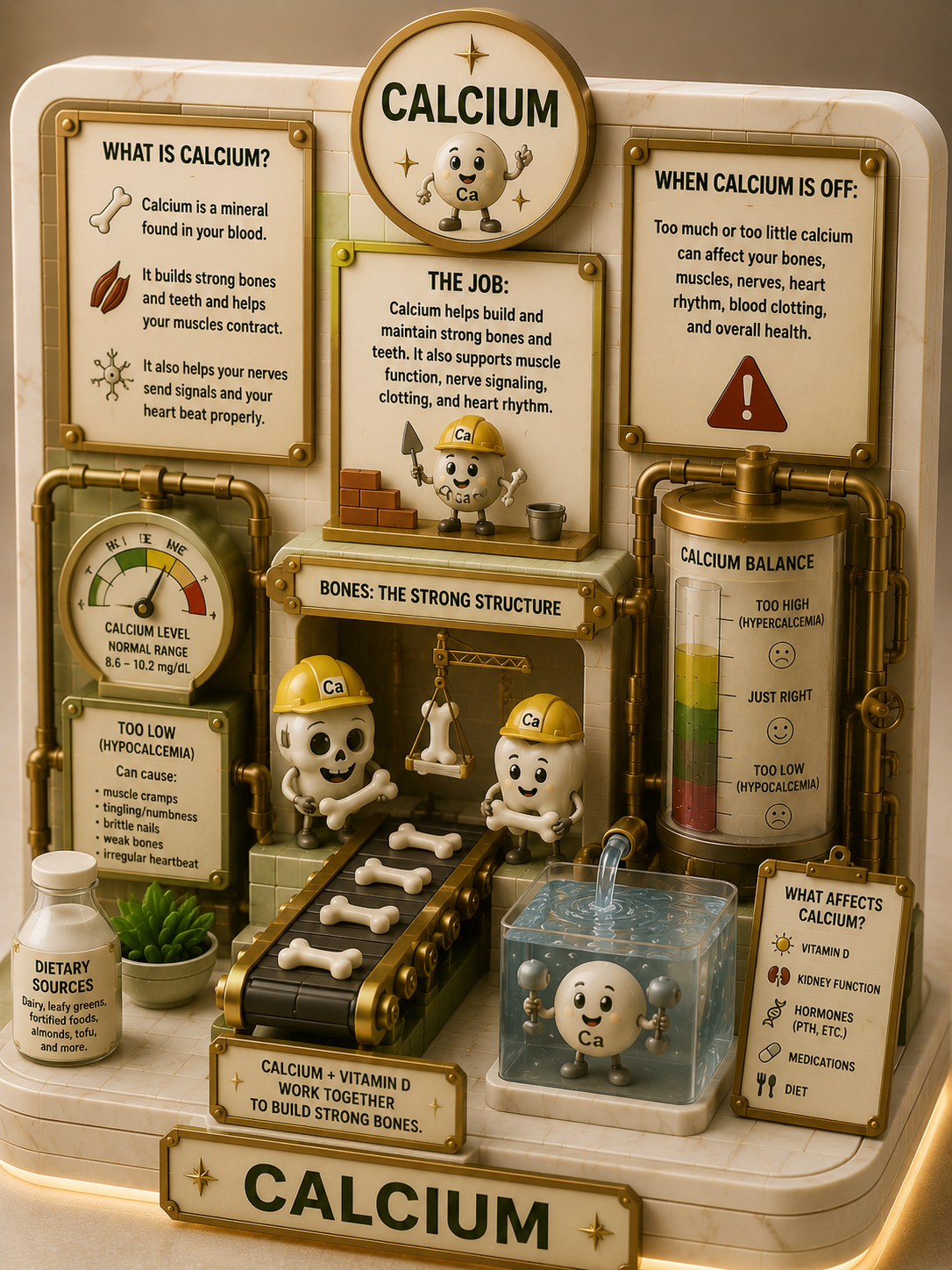
A physician is looking past your skeletal system to evaluate how well your organs are communicating. Primarily, they are investigating the albumin relationship. Nearly half of all calcium in your blood rides on the back of a liver-produced protein called albumin. When cirrhosis destroys the liver’s ability to synthesize albumin, total calcium readings plummet artificially.
Bilirbuin
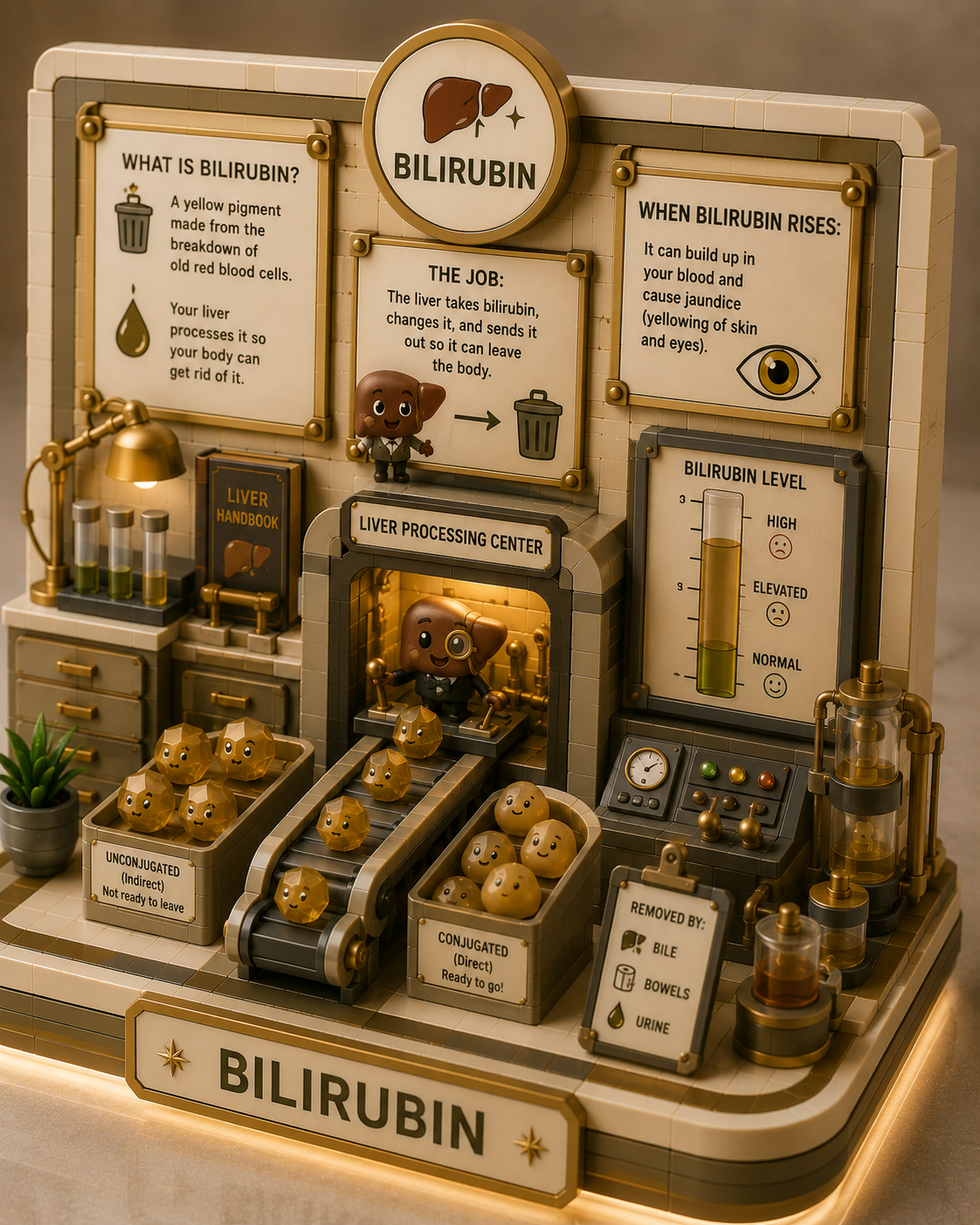
Bilirubin is a yellow pigment made when the body breaks down old red blood cells. The liver’s job is to process bilirubin and move it out through bile, so a rising bilirubin level can mean that clearing system is getting backed up. When bilirubin builds up, it can show up in ways people actually notice: yellow eyes or skin, dark urine, pale stool, and itching.
INR - International Normalized Ratio
The INR test is a standardized laboratory calculation derived from a Prothrombin Time (PT) blood test. Prothrombin time measures exactly how many seconds it takes for the liquid portion of your blood, or plasma, to form a solid clot