
-
Community
-
Levity
-
Nutrition
-
Support
-
Recommendations
-
Education
-
Advocacy
-
Compassion
- Community - Levity - Nutrition - Support - Recommendations - Education - Advocacy - Compassion








Still? …ness
But for me, April was stillness.
Not peaceful stillness. The kind that hums. The kind that waits.
Waiting on results. Waiting on answers. Waiting on interviews. Waiting on some version of news always haunting the horizon.
That is one of the strangest parts of living with cirrhosis. The disease is always waiting. Waiting to progress. Waiting to stabilize. Waiting to surprise you. Waiting to see what your body does next.
And somehow, it makes you wait with it.
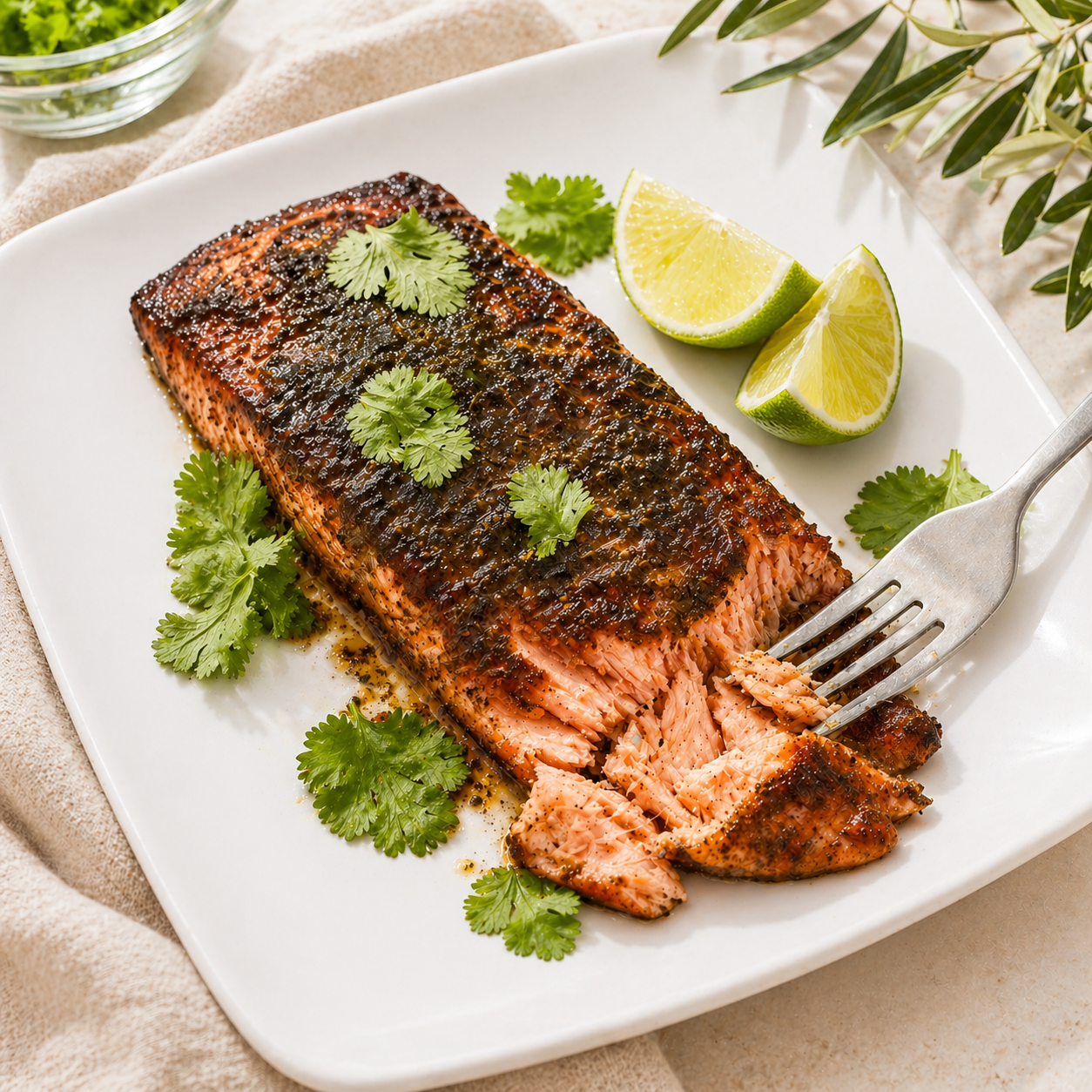
Smoky Cilantro-Lime Salmon
This is the ultimate way to reclaim that BBQ soul without the dangerous sodium levels of traditional rubs. We’re moving past "jazzing it up"—we’re going to Bam It Up by using a specific searing technique and a deep, smoky paste that tricks the brain into sensing "char" and "smoke."
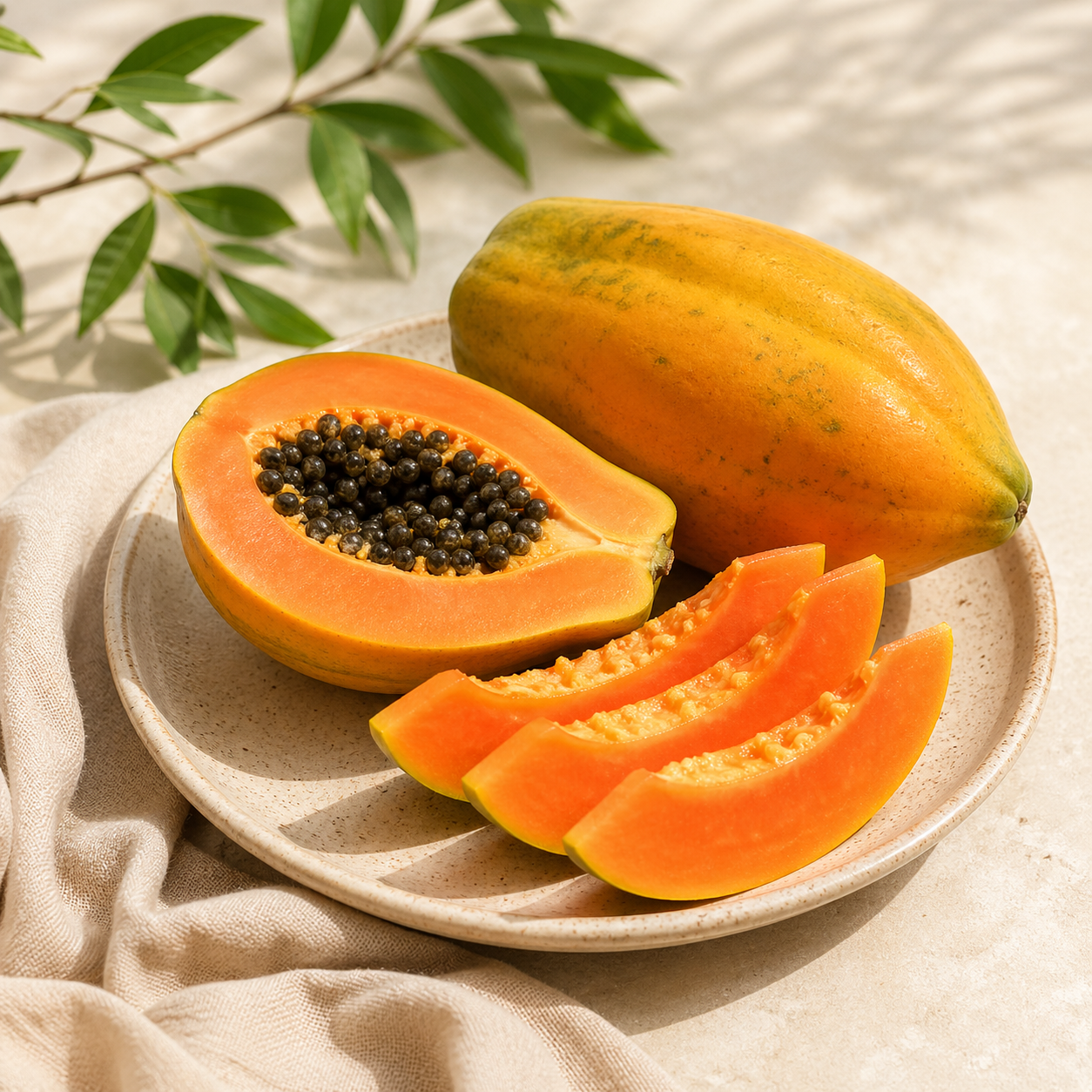
Papaya
In the specialized landscape of a cirrhosis-friendly diet, the Papaya (Carica papaya) is a heavy-duty metabolic ally. Often described as a "tree melon" by early explorers, this fruit acts as a biological tenderizer for the liver. For those managing liver scarring, its signature enzyme, papain, assists in the critical breakdown of proteins—a task that can be incredibly taxing for a damaged liver—while its dense concentration of antioxidants helps neutralize the systemic inflammation that drives fibrosis. Read more …
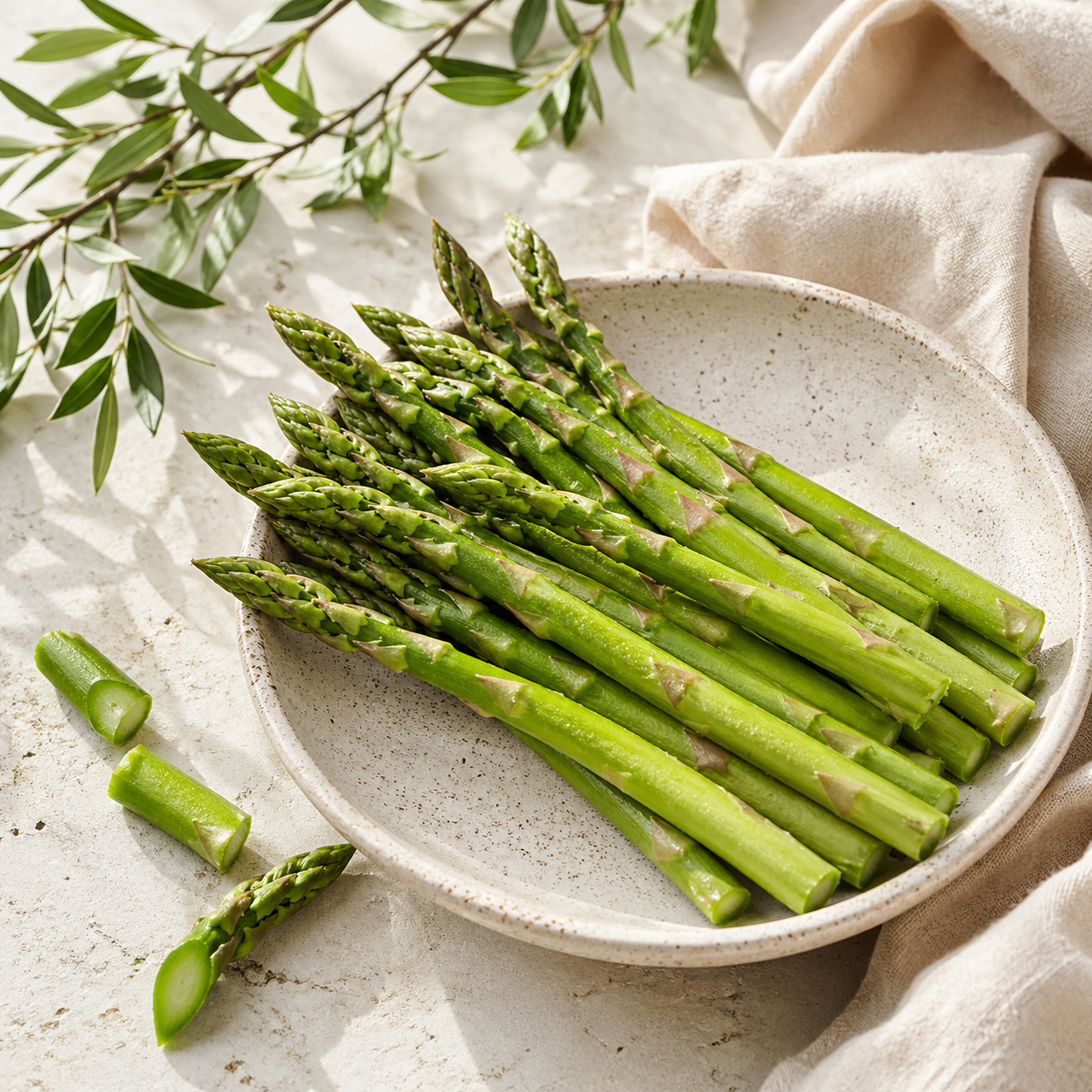
Asparagus
In the nutritional strategy for managing cirrhosis, Asparagus (Asparagus officinalis) is a high-precision tool. Often hailed as one of the most powerful natural diuretics in the plant kingdom, it plays a vital role in managing the fluid retention (ascites) that often complicates advanced liver disease. Beyond its ability to assist the kidneys, asparagus is a concentrated source of asparagine and glutathione, compounds that directly support the liver’s detoxification of ammonia and heavy metals. For those with a scarred liver, these "spring spears" act as a biological flush, clearing the system of metabolic waste that the liver can no longer handle on its own. … Read more

Strawberries
In the strategic dietary management of cirrhosis, Strawberries (Fragaria × ananassa) are prized as one of nature’s most potent "antioxidant powerhouses." While their sweetness makes them a favorite dessert, for someone with liver scarring, their true value lies in their high concentrations of anthocyanins and ellagic acid. These compounds act like a biological shield, neutralizing the oxidative stress that damages healthy liver cells and supporting the organ's remaining filtration capacity. Read more…
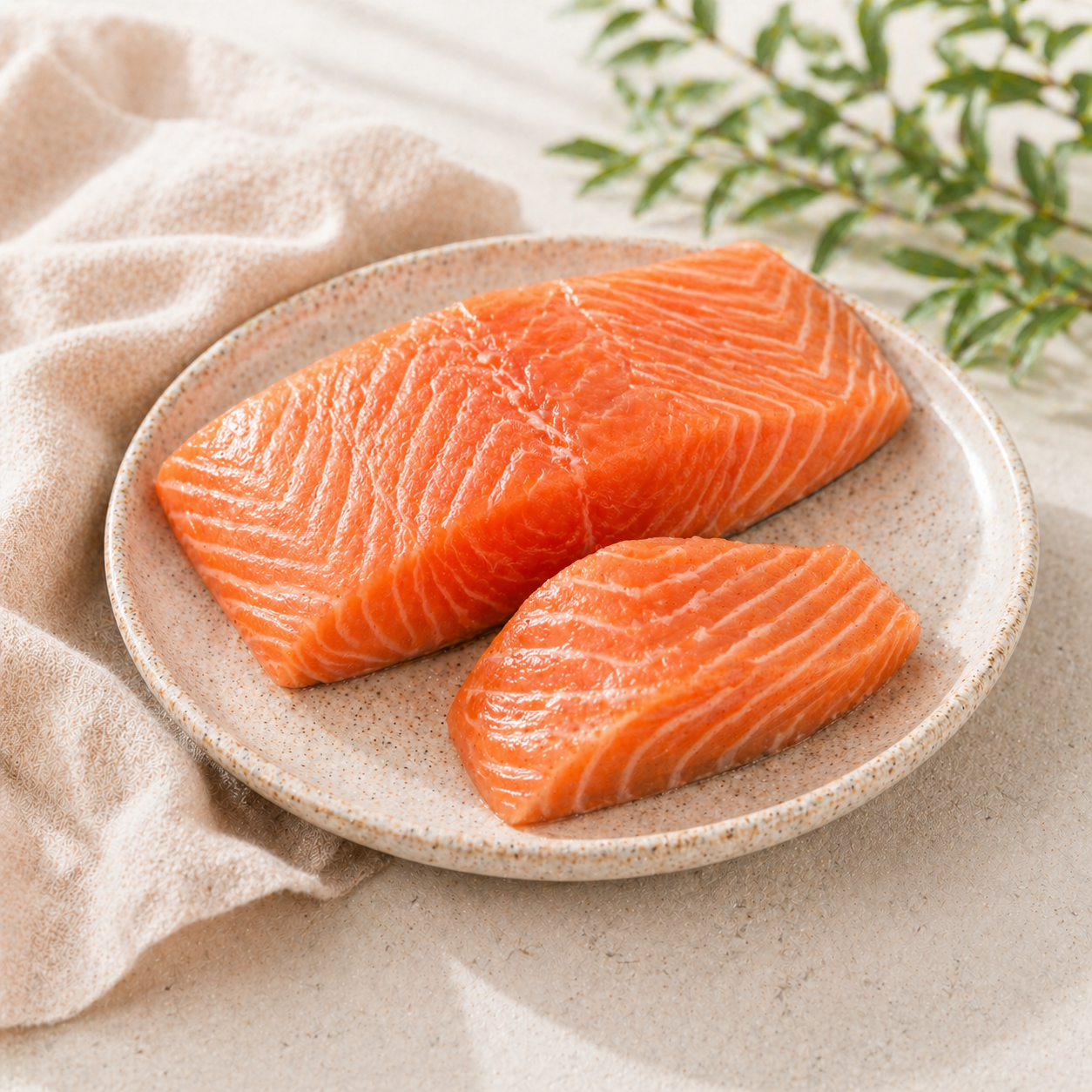
Salmon
In the clinical battle against liver cirrhosis, Salmon stands as a premier source of high-quality protein and essential fatty acids. For those navigating the complexities of liver scarring, salmon isn’t just a meal; it is a primary delivery system for Omega-3 fatty acids (EPA and DHA). these long-chain fats act as biological anti-inflammatories, quenching the chronic cellular "fire" that characterizes liver disease. By replacing hard-to-digest red meats with this clean, efficient protein, patients can support muscle maintenance while actively reducing the chemical signals that drive further fibrosis…. Read more

Eggs
Eggs: The "Albumin Architect" for Muscle Maintenance and Toxin Defense
In the strategic nutritional management of liver cirrhosis, Eggs are a cornerstone superfood, providing the "gold standard" for high-quality, bioavailable protein. For individuals navigating the complexities of a scarred liver, the primary clinical threat is sarcopenia—the rapid wasting of muscle tissue that occurs when the liver can no longer effectively store and release energy. Eggs provide the essential amino acids required to rebuild lean body mass while delivering a critical dose of choline and sulfur. These nutrients act as a biological "scaffold," supporting the liver's remaining capacity to manufacture blood proteins and neutralizing the toxins that drive the progression of fibrosis.
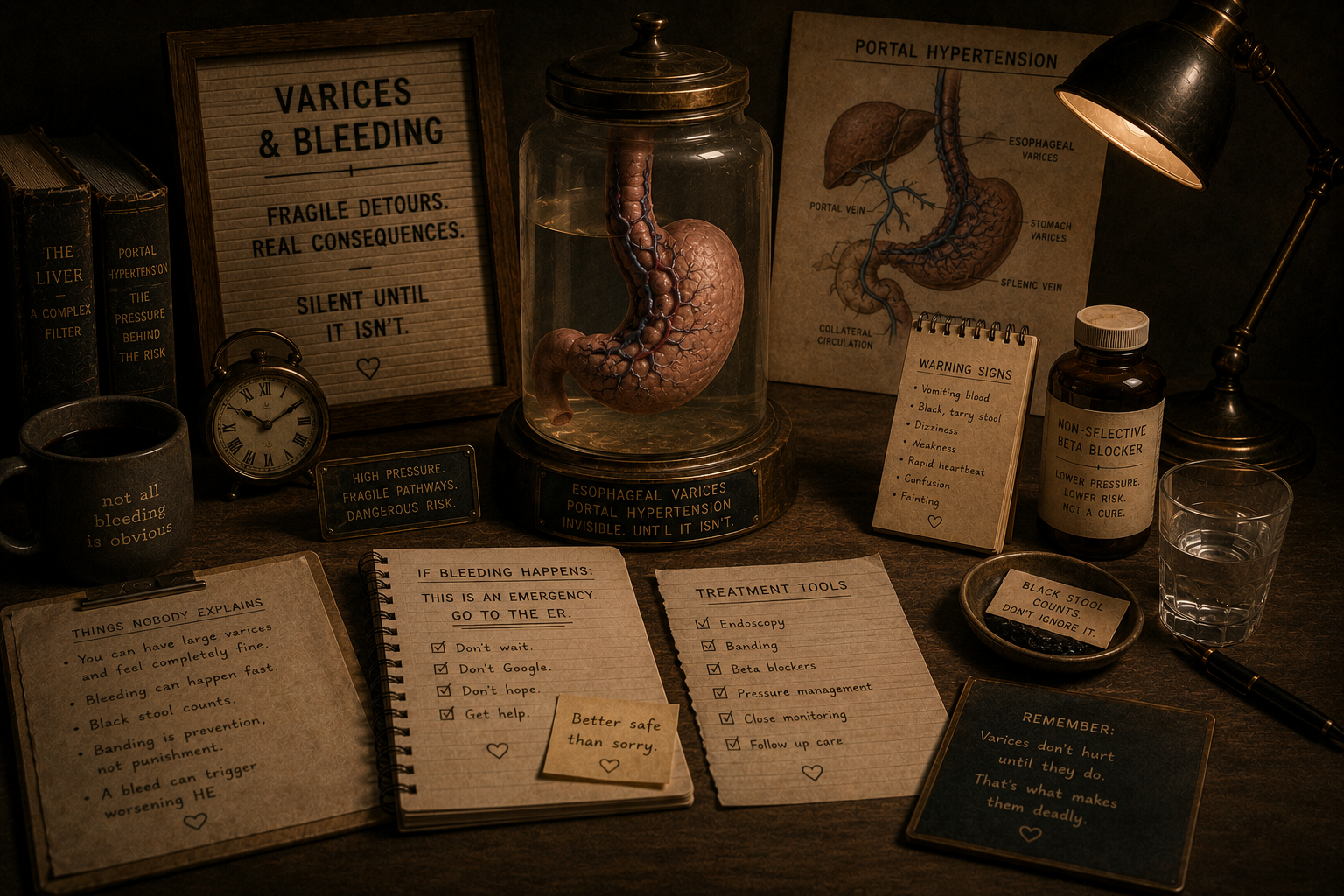
Varices & Bleeding
Advanced liver cirrhosis can cause esophageal varices, which are fragile, swollen veins prone to sudden rupture due to portal hypertension. Caregivers must closely manage preventative beta-blocker medications and aggressively prevent constipation to avoid dangerous internal straining. Because a variceal bleed causes sudden, life-threatening internal bleeding, close caregiver tracking is vital.

Ascites
Severe liver scarring and high portal blood pressure can cause ascites, a rapid and painful accumulation of fluid inside the abdominal cavity. This condition goes far beyond normal bloating, causing intense pressure, breathing difficulties, and poor appetite. Explore how medical interventions like therapeutic paracentesis drainage, low-sodium meal planning, and diuretics provide relief.
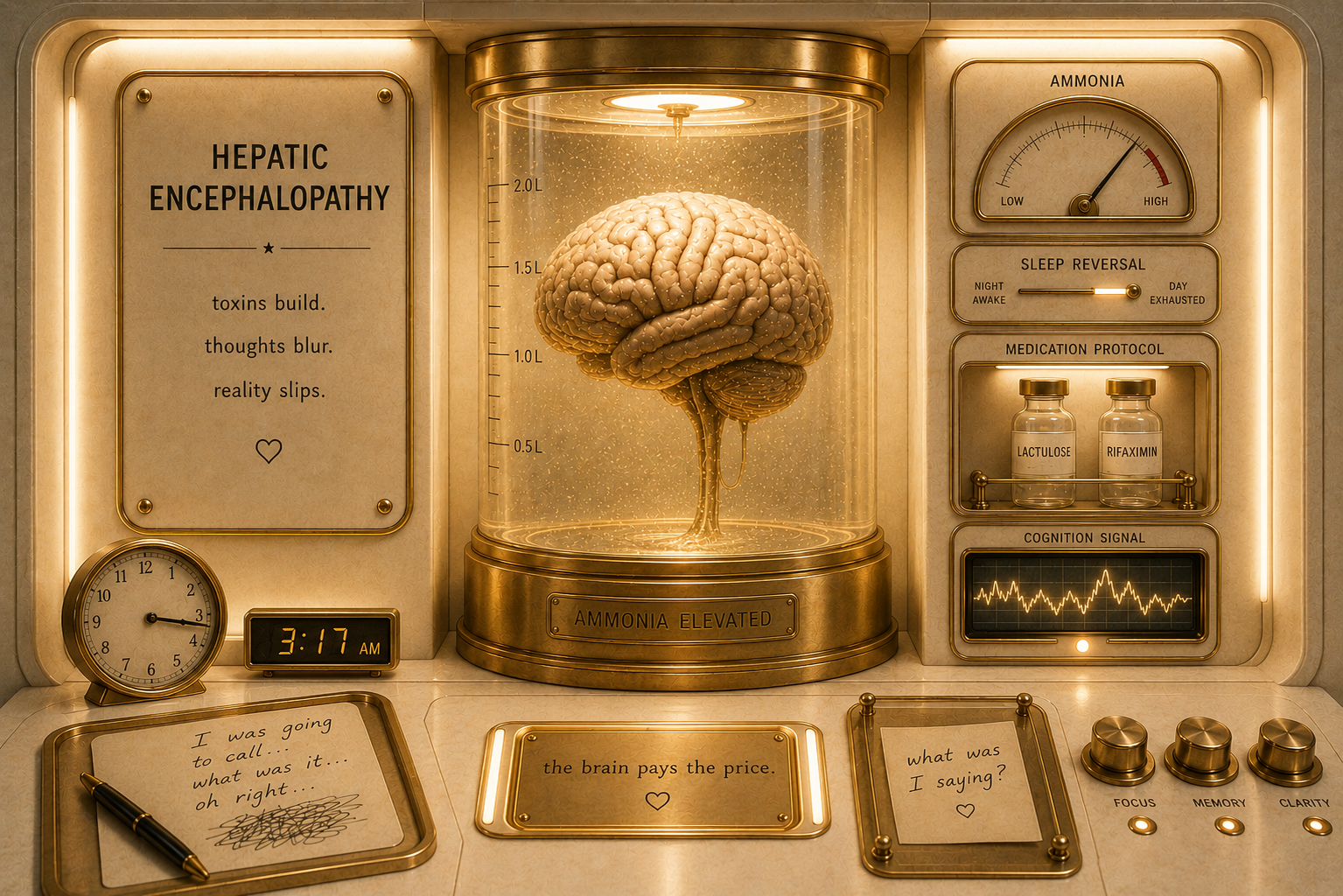
Hepatic Encephalopathy
When liver disease advances, toxins like ammonia can build up in the bloodstream and reach the brain. This causes a neurological complication called Hepatic Encephalopathy (HE). It doesn't always look medical at first—it often looks like extreme brain fog, mood swings, or "laziness." But it is a real physical condition that patients cannot control. Read our latest post to understand the symptoms, hidden triggers, and treatments that help keep the mind clear.

Hepatic Encepolaphathy: Caregivers Guide
For caregivers, navigating HE is incredibly challenging because early signs mimic psychiatric shifts—like sudden irritability, personality changes, or a reversed sleep schedule [PMC7154704]. Because patients lose the neurological insight to recognize their own decline, caregivers are the vital front line for monitoring daily treatments like lactulose and tracking subtle mental fades .
Read our caregiver guide to mastering the "2 to 3 soft stools" rule and protecting your loved one's brain health
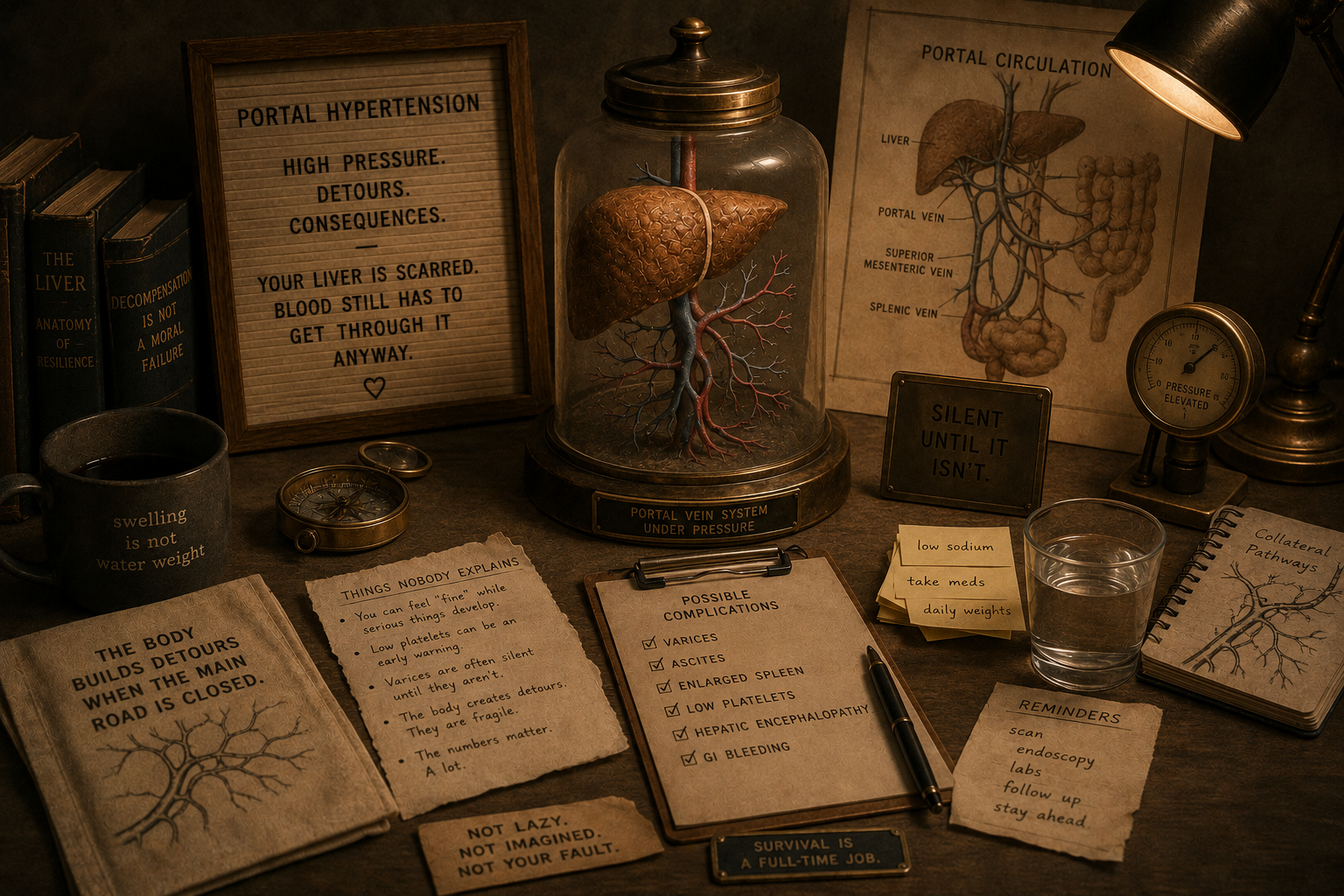
Portal Hypertension
When liver disease creates deep scar tissue, blood can no longer flow through it easily. The result? A dangerous vascular traffic jam called Portal Hypertension. To relieve the pressure, your body builds fragile, shallow "detour" veins that are highly prone to bleeding. Because it develops completely silently in the background, knowing the warning signs is vital. Read our latest post to break down the mechanics, hidden triggers, and life-saving treatments like beta-blockers and TIPS.
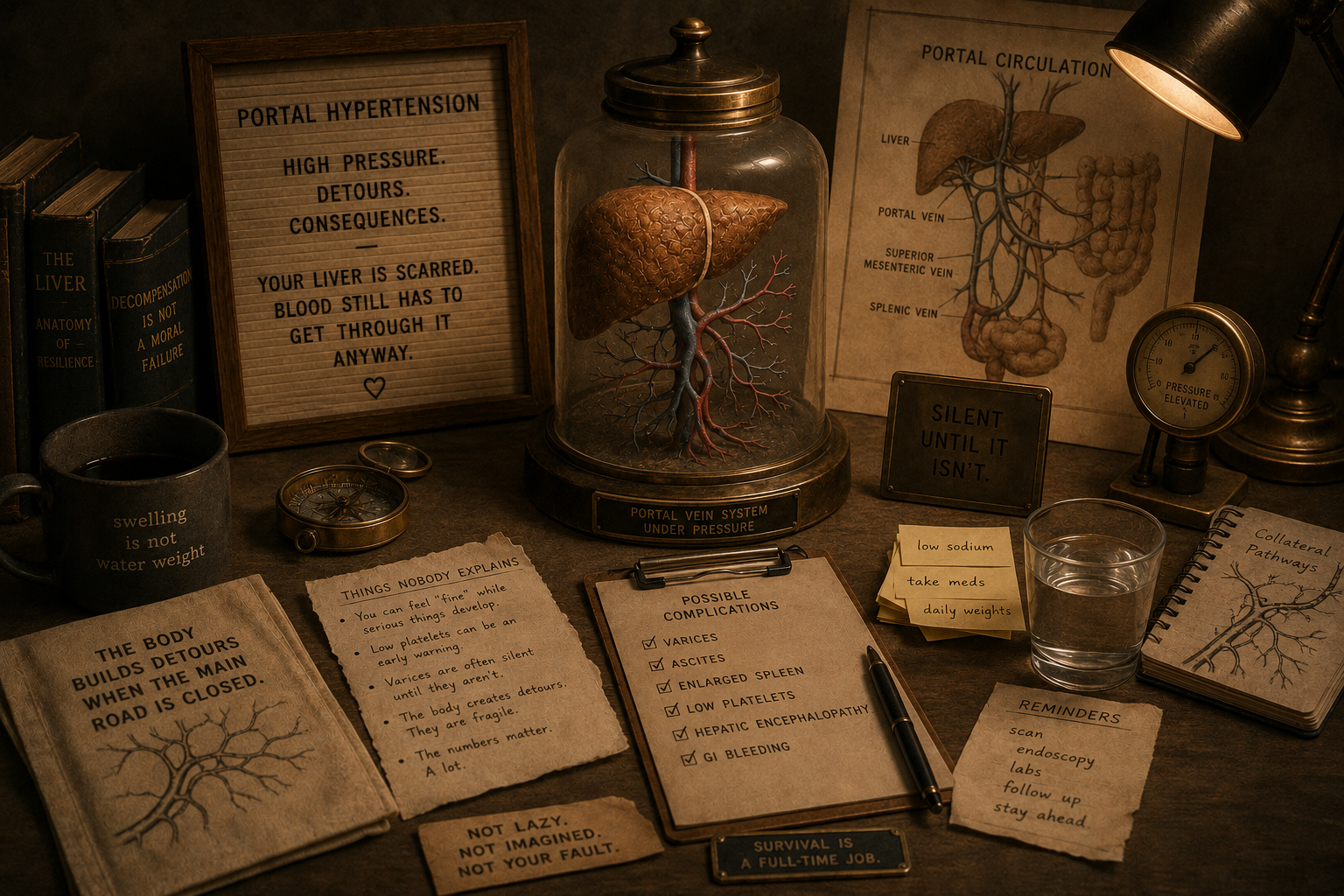
Portal Hypertension
Advanced liver cirrhosis creates a high-pressure vascular bottleneck called Portal Hypertension, forcing blood to bypass the liver through fragile "detour" veins [NBK507718].
As a caregiver, managing this condition means watching for silent but dangerous complications, such as rapid fluid buildup in the abdomen (ascites) and an enlarged spleen that traps vital blood platelets [PMC3664283]. Because these internal pressure changes place patients at an extreme risk for falls and sudden, life-threatening internal bleeding, caregiver monitoring is absolutely essential [PMC7154704].
Read our full breakdown to learn how caregivers can track daily fluid shifts and spot critical red flags early.