
-
Community
-
Levity
-
Nutrition
-
Support
-
Recommendations
-
Education
-
Advocacy
-
Compassion
- Community - Levity - Nutrition - Support - Recommendations - Education - Advocacy - Compassion

Ultrasound
An ultrasound is the workhorse of liver imaging. It gives your care team a real-time look at your liver, blood flow, cancer risk, and fluid buildup—without radiation, needles, or downtime.

Sodium
Low serum sodium is not always about too little salt coming in. In cirrhosis, it can be about too much water being held in the body, which dilutes the sodium in the blood. The issue may not be that there is no sodium.
The issue may be that the sodium is spread through too much fluid.
And it is why the obvious answer — “just eat more salt” — is not necessarily the answer at all.

Low Sodium Diets
Low sodium diets are a critical part of managing cirrhosis - but not always for the reasons that people often think. Read more about the distinction between dilution and deprivation and why this matters

Fluid Restriction
Fluid restriction is when you’re limited on how much total fluid you can drink in a day because your blood sodium is too low.
It is not usually because you have ascites alone. It is usually because your body is holding onto too much water relative to sodium, which can make your blood dangerously diluted.

Accidentally Inciting Ascites
Navigating the hidden fallout of advanced fluid retention is the ultimate exercise in physical vulnerability. It strips away your structural comfort, hijacks your body's plumbing baseline, and forces you to play a high-stakes guessing game against an internal tsunami that is actively expanding behind your back.

Why Did I Need a Wheelchair for Liver Failure and Cirrhosis?
When my husband came home with the wheelchair, I cried.
Not polite little tears. Full shock.
I remember looking at it and feeling completely baffled by the fact that this was not only becoming part of my current reality, but potentially part of my future. Part of my forever.
It felt impossible that “simple liver failure” could somehow collide with something as psychologically massive as needing a wheelchair.
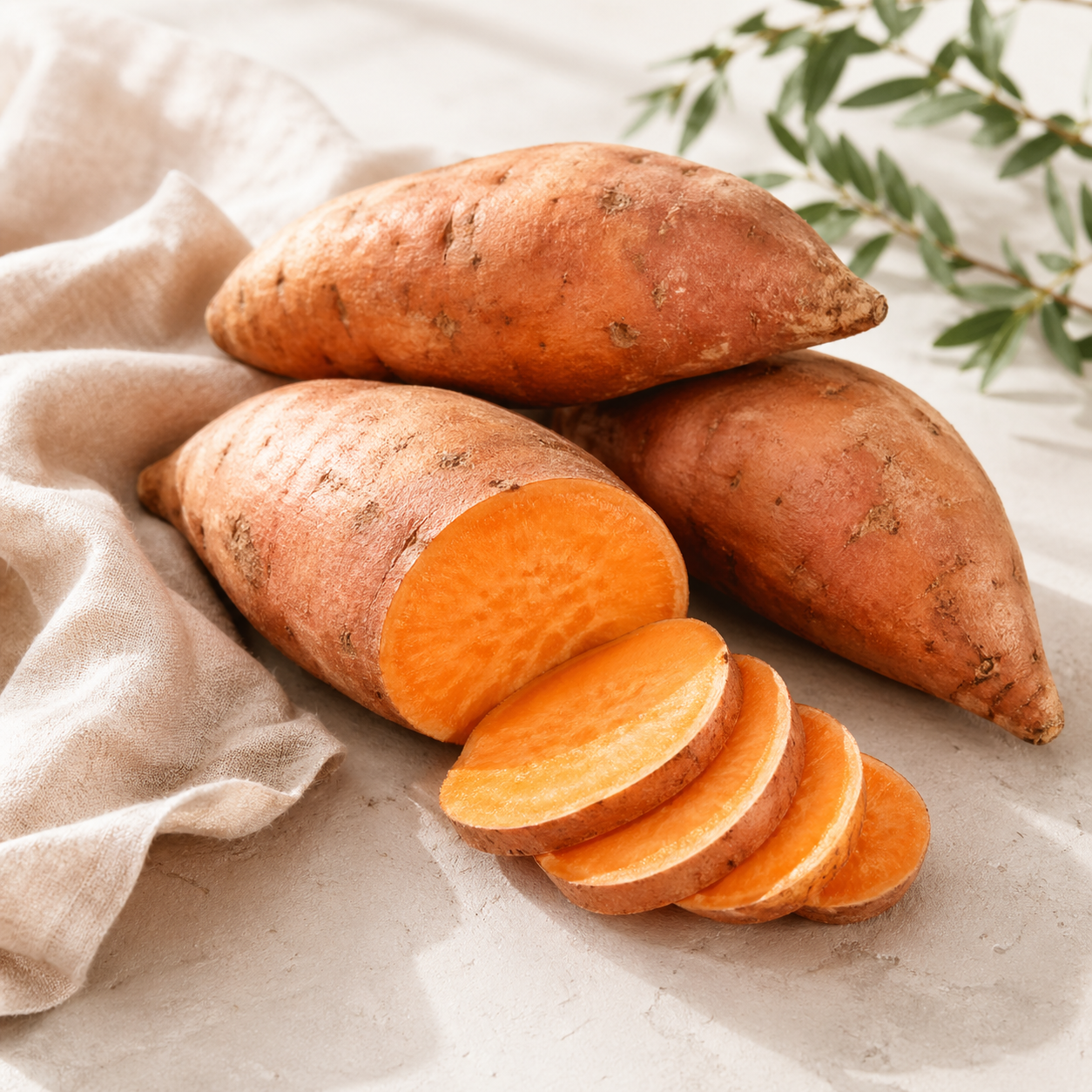
Sweet Potatoes
The Sweet Potato: A Golden Ally for Liver Health
For someone living with cirrhosis, the sweet potato is more than just a side dish—it’s a metabolic tool. Specifically, its high beta-carotene content is vital. While the liver usually stores Vitamin A, a scarred liver (cirrhotic) struggles to process it. Consuming beta-carotene from sweet potatoes allows the body to convert only what it needs, preventing the "vitamin toxicity" that can occur with liver-damaged patients taking synthetic supplements.
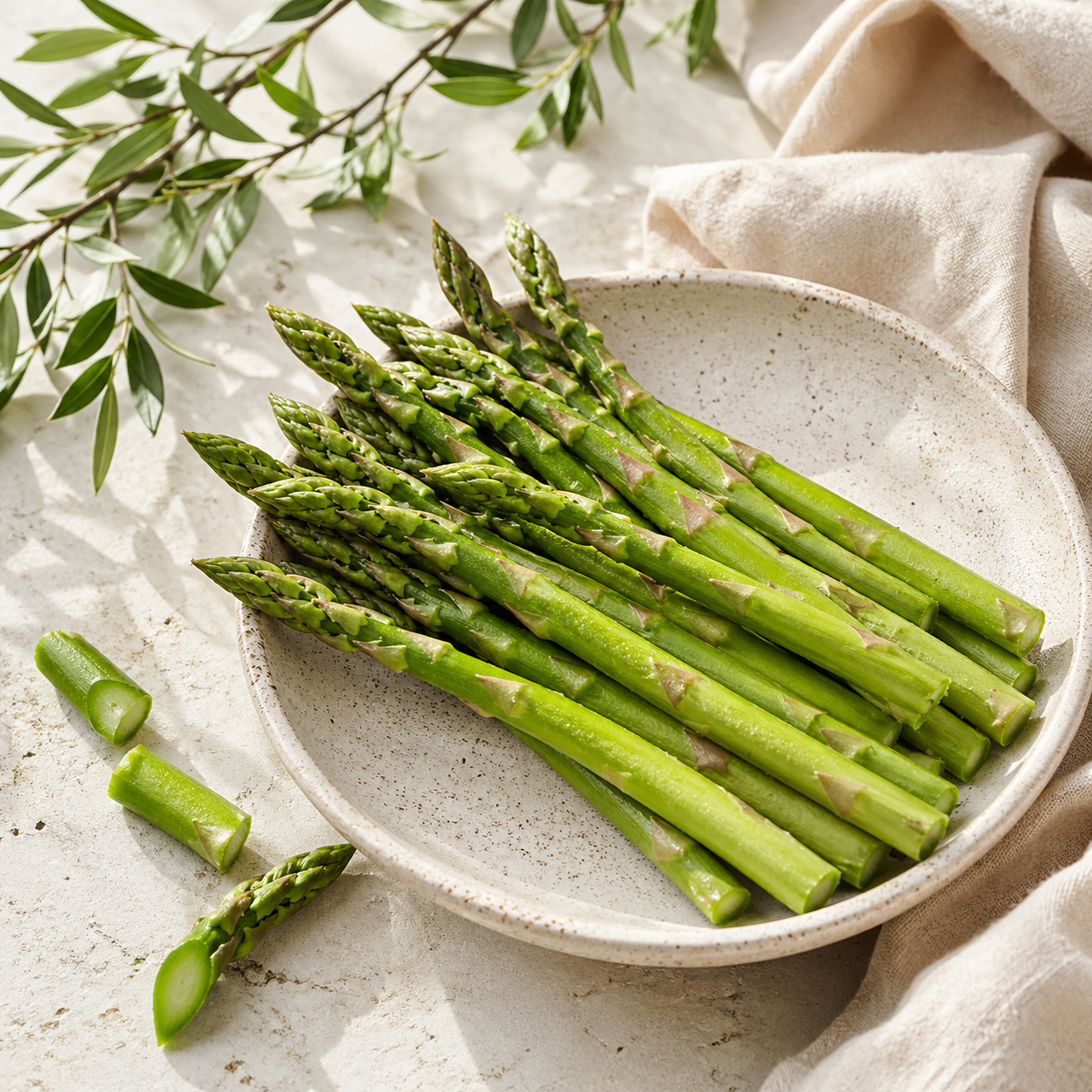
Asparagus
In the nutritional strategy for managing cirrhosis, Asparagus (Asparagus officinalis) is a high-precision tool. Often hailed as one of the most powerful natural diuretics in the plant kingdom, it plays a vital role in managing the fluid retention (ascites) that often complicates advanced liver disease. Beyond its ability to assist the kidneys, asparagus is a concentrated source of asparagine and glutathione, compounds that directly support the liver’s detoxification of ammonia and heavy metals. For those with a scarred liver, these "spring spears" act as a biological flush, clearing the system of metabolic waste that the liver can no longer handle on its own. … Read more
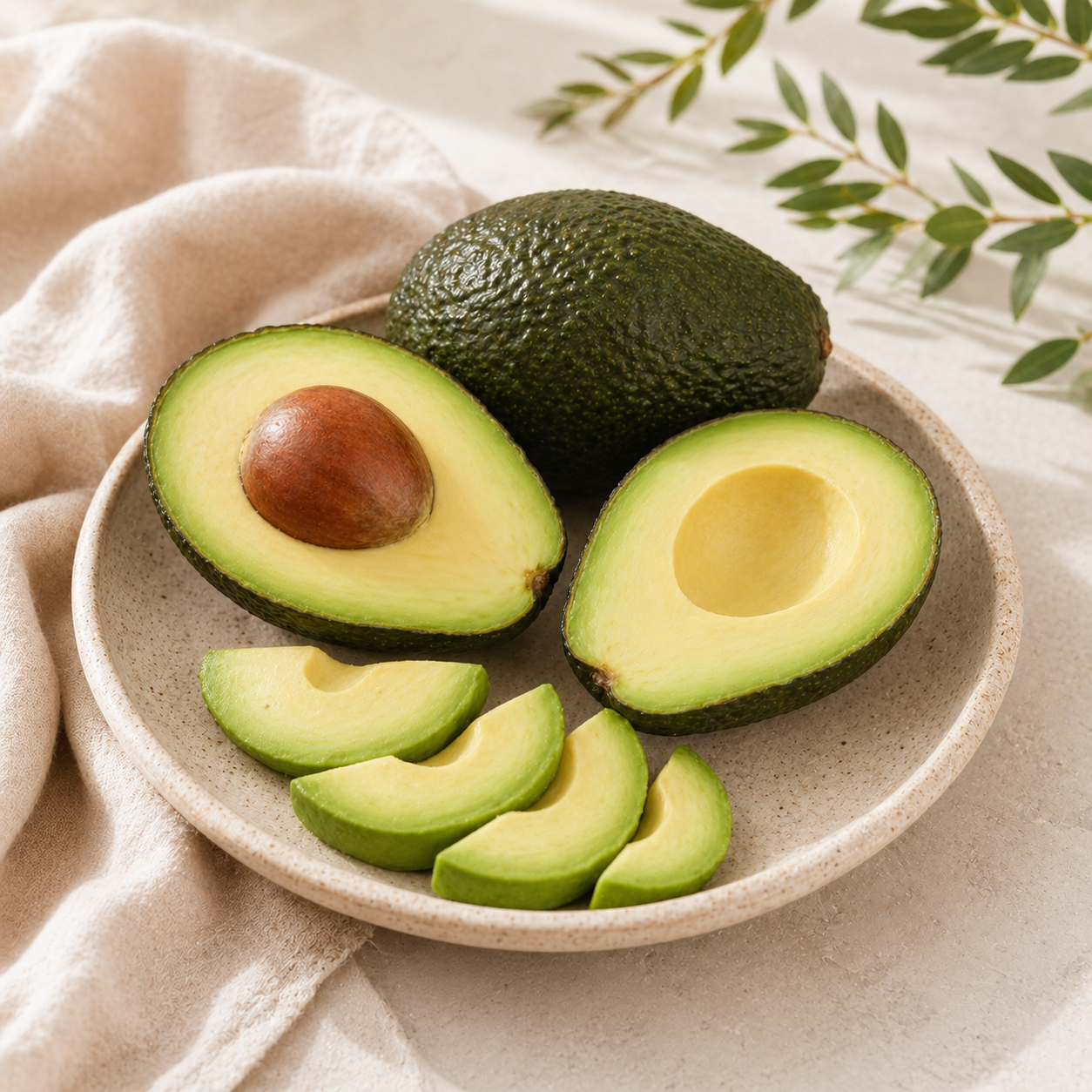
Avocado
Avocados: The "Emerald Shield" for Cellular Repair and Glucathion Boosting
In the strategic nutritional management of liver cirrhosis, the Avocado (Persea americana) stands as a premier medicinal fat. For individuals navigating the complexities of a scarred liver, the primary clinical threat is oxidative stress and systemic inflammation that accelerates the transition of healthy cells into fibrous tissue. Avocados offer a unique concentration of monounsaturated oleic acid, glutathione precursors, and Vitamin E. These specific compounds act as a biological "lubricant," helping to repair damaged cell membranes while providing a powerful antioxidant suit of armor that slows the progression of fibrosis.
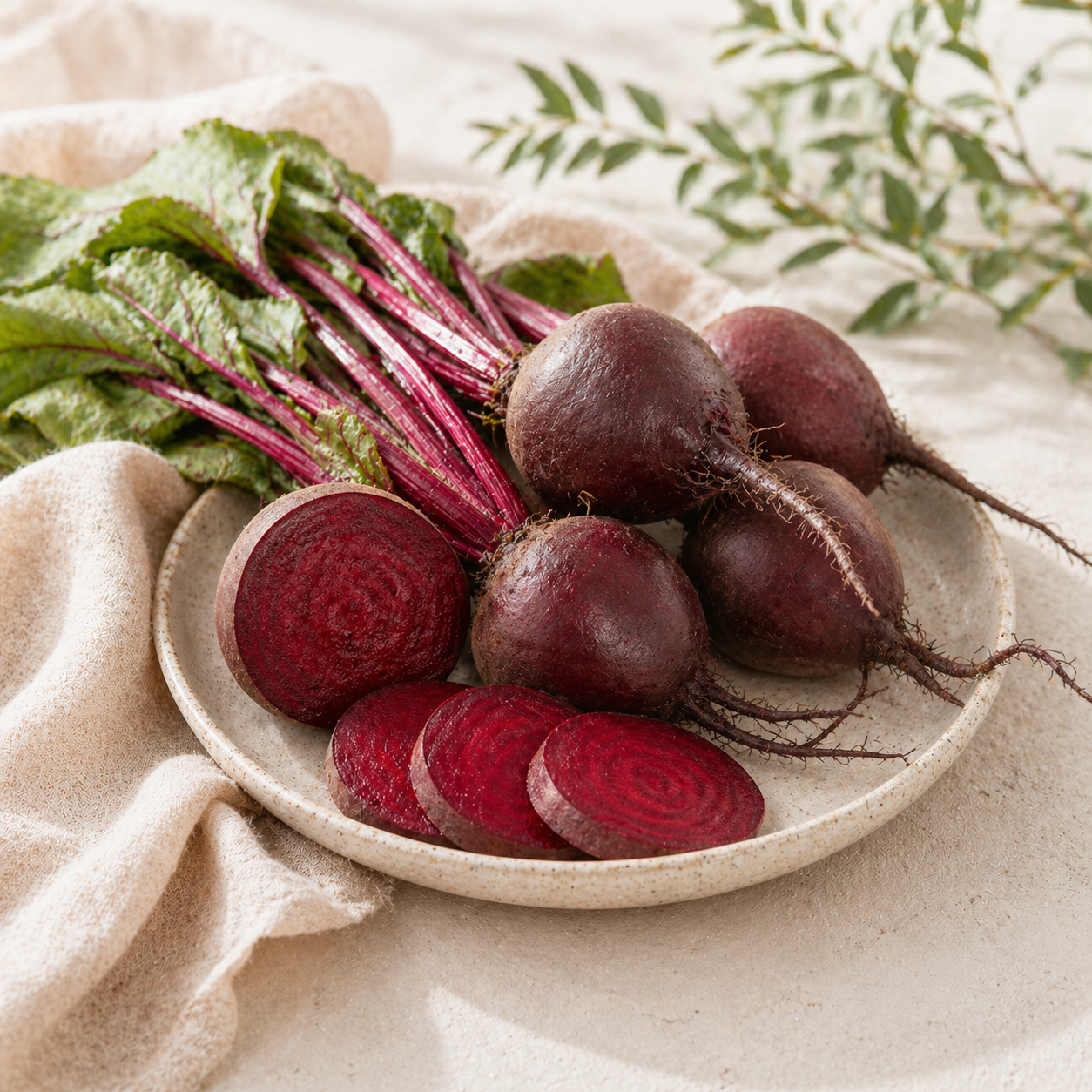
Beets
Beets: The "Vibrant Alchemist" for Fat Export and Bile Flow
In the strategic nutritional management of liver cirrhosis, Beets (Beta vulgaris) stand as a premier functional food for internal purification. For individuals navigating the complexities of a scarred liver, the primary clinical threat is hepatic steatosis (fat accumulation) and cholestasis (sluggish bile flow). Beets offer a unique concentration of betaine and betalains. These specific phytochemicals act as a biological "detergent," helping the liver export accumulated fats while stimulating the rhythmic flow of bile to flush toxins that drive the progression of fibrosis.