
-
Community
-
Levity
-
Nutrition
-
Support
-
Recommendations
-
Education
-
Advocacy
-
Compassion
- Community - Levity - Nutrition - Support - Recommendations - Education - Advocacy - Compassion
Portal Hypertension & Movie Plot Plagiarism
Portal hypertension is one of those cirrhosis complications that, looking back, absolutely should have terrified me more than it did. But in the chaos of Winter 2024, it honestly did not make the leaderboard.
And that is not because portal hypertension is boring. In fact, it is arguably one of the most cinematic, body-horror-adjacent concepts in all of liver disease. I think it just sounded too absurd at the time to emotionally process. Because when doctors first started explaining it to me, all I really heard was: your liver is scarred, the blood cannot move correctly, pressure is building, veins can rupture, and technically yes, one in your neck could explode.
And I remember thinking:
That sounds medically dramatic.
That sounds fear-mongery.
That sounds like somebody got a little too excited in the pathology textbook section.
Because how does: “my liver is sick” somehow become: “my veins are auditioning for a low-budget horror film”? The escalation felt narratively unreasonable.

Lush with Lactuose - The Lineup
The short answer is that lactulose acts as a biological safety net for your brain, but the way it performs this task happens entirely inside your digestive tract. When a patient asks, "Why do I have to take so much lactulose?" they are usually looking for a liver solution. However, lactulose is prescribed because a severely stressed liver can no longer process systemic metabolic waste.
What’s the Obsession with Albumin?
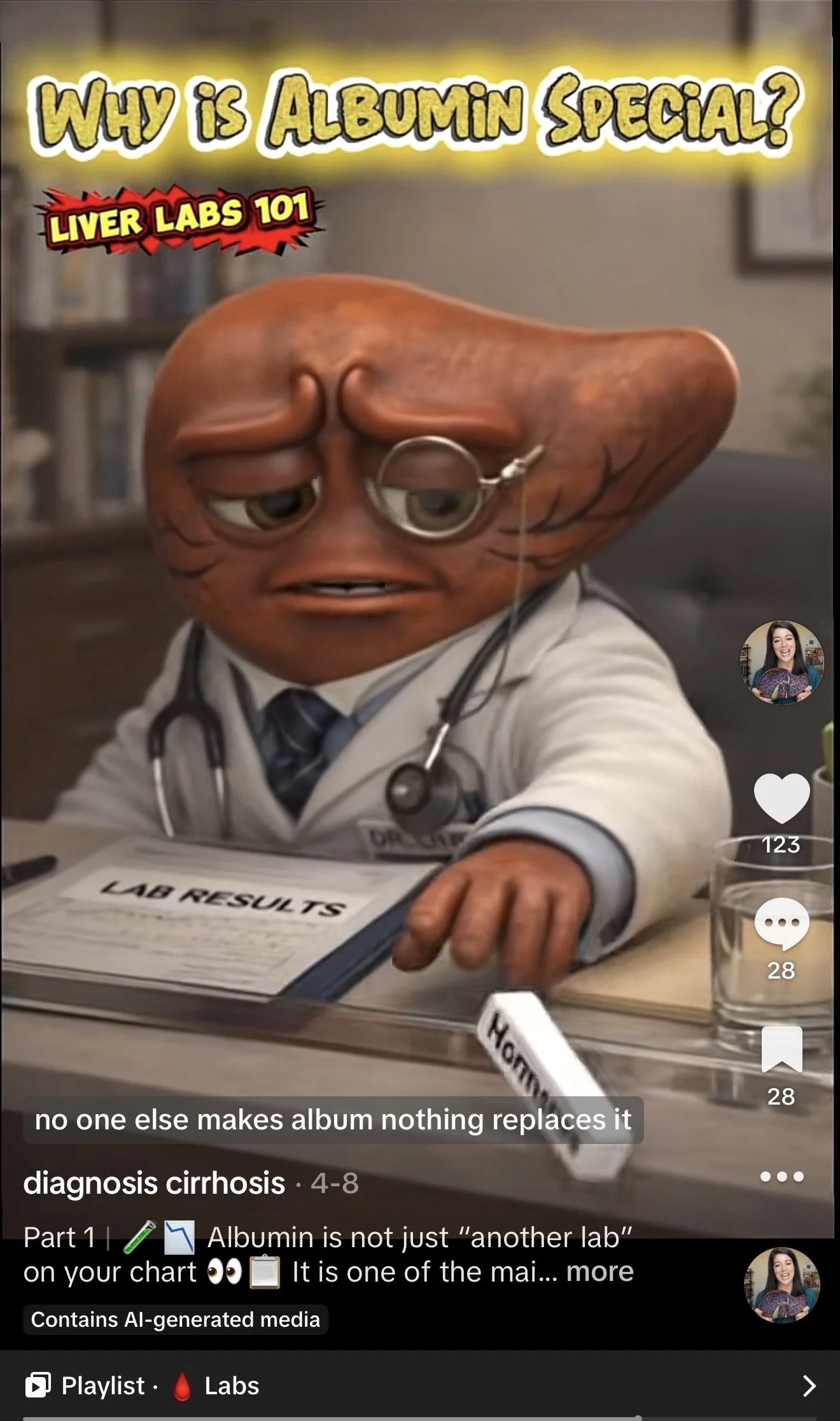
Think of albumin as your body’s internal magnetic sponge circulating in your bloodstream to maintain something called oncotic pressure. In simple terms, it acts like a molecular glue that holds water inside your blood vessels. When your liver tissue is compromised and your albumin levels drop below the normal threshold, that water loses its holding force. It begins to leak out of your blood vessels and pools directly into the surrounding tissue.
Why Did I Need a Wheelchair for Liver Failure and Cirrhosis?
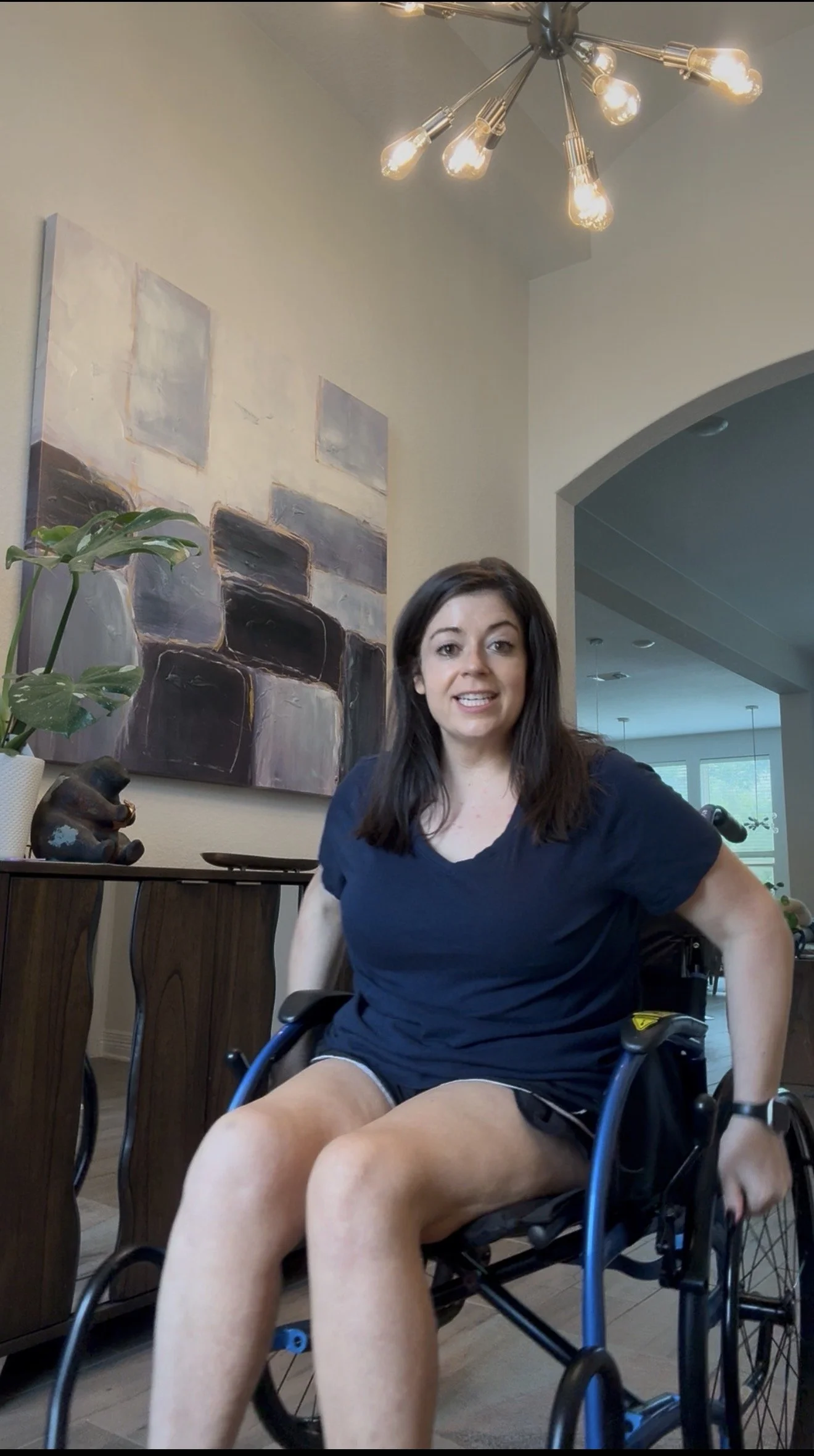
When my husband came home with the wheelchair, I cried.
Not polite little tears. Full shock.
I remember looking at it and feeling completely baffled by the fact that this was not only becoming part of my current reality, but potentially part of my future. Part of my forever.
It felt impossible that “simple liver failure” could somehow collide with something as psychologically massive as needing a wheelchair.
Did My Liver Change My Vision?
Within a few months, my vision changed so dramatically that I ended up in an expensive, deeply annoying optometrist spiral: three separate visits, three new prescriptions, three different pairs of glasses.
I thought I was aging.
I thought my eyes were just being dramatic.
I thought I had an eye problem.
Turns out, I may have been optimizing for the wrong organ.
Because advanced liver disease does not politely stay in the liver lane. It affects metabolism, inflammation, hormones, nutrition, fluid balance, blood vessels, and sometimes, apparently, your ability to see the world clearly.
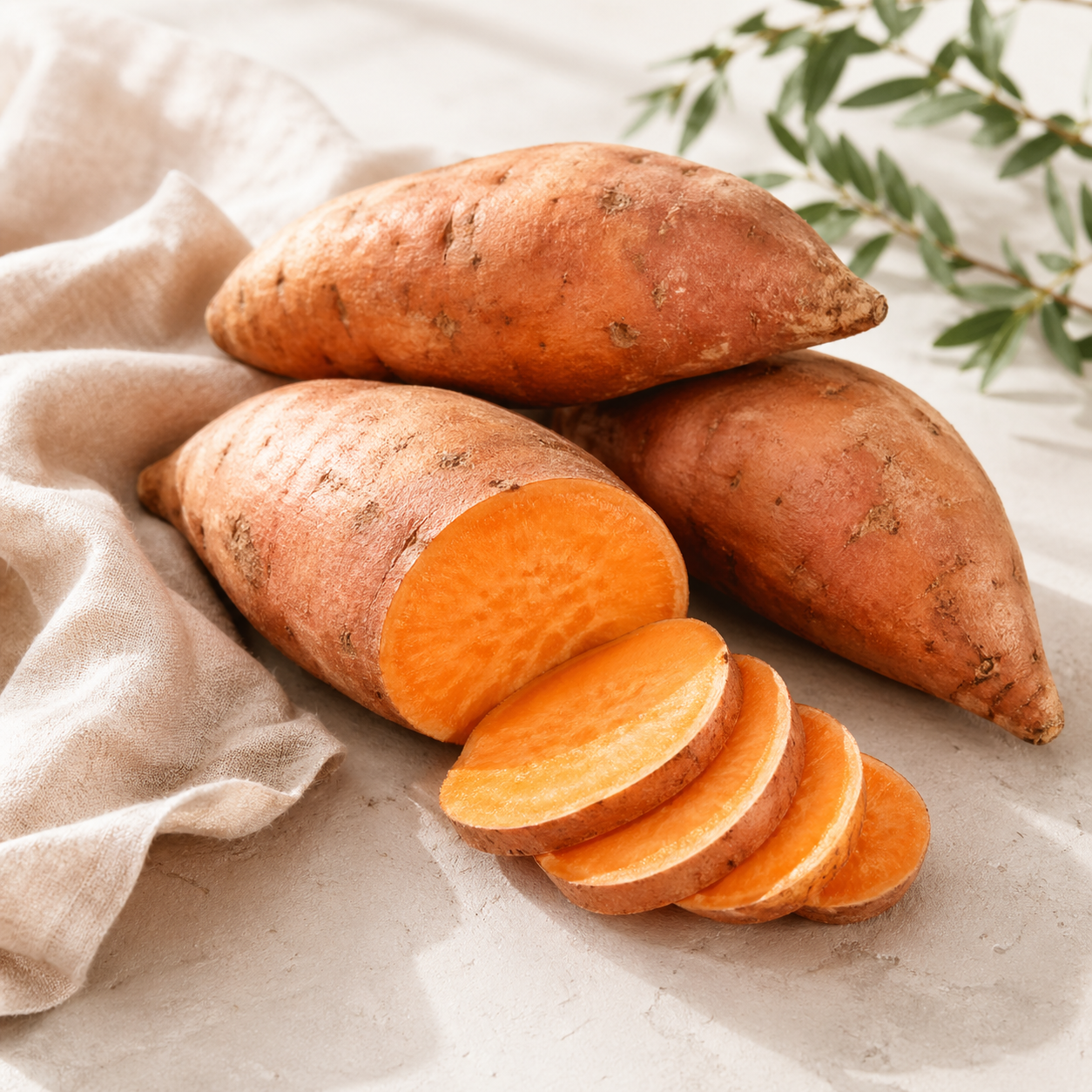
Sweet Potatoes
The Sweet Potato: A Golden Ally for Liver Health
For someone living with cirrhosis, the sweet potato is more than just a side dish—it’s a metabolic tool. Specifically, its high beta-carotene content is vital. While the liver usually stores Vitamin A, a scarred liver (cirrhotic) struggles to process it. Consuming beta-carotene from sweet potatoes allows the body to convert only what it needs, preventing the "vitamin toxicity" that can occur with liver-damaged patients taking synthetic supplements.
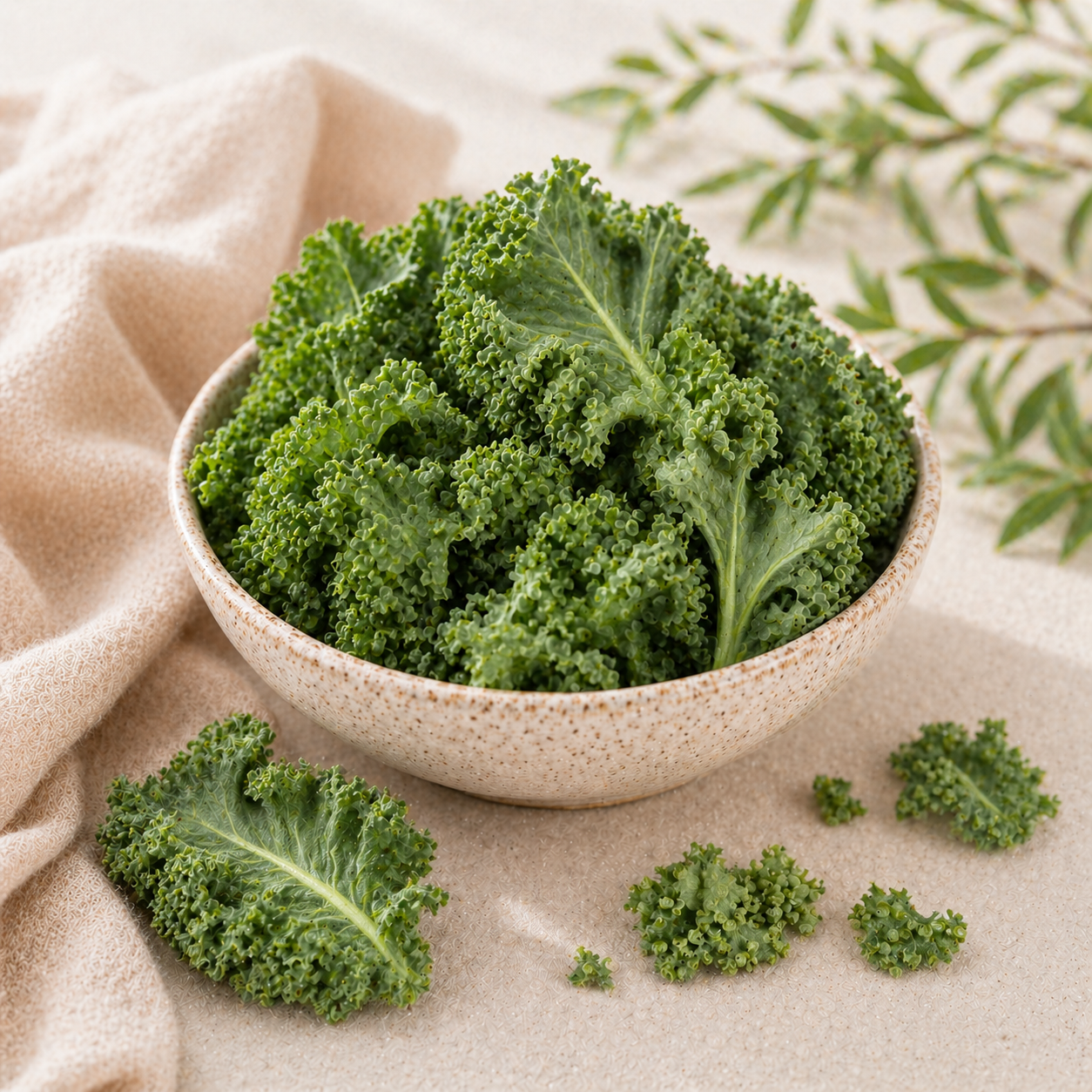
Kale
Kale: The "Chlorophyll Commander" for Blood Health and Toxin Neutralization
In the high-stakes nutritional management of liver cirrhosis, Kale (Brassica oleracea var. sabellica) stands as a dominant functional food. Often hailed as the "Queen of Greens," kale belongs to the cruciferous family—a group of vegetables scientifically recognized as the most potent natural stimulators of the liver’s detoxification enzymes. For a patient with a scarred liver, kale offers a triple-action defense: it provides a massive dose of Vitamin K to support blood clotting, glucosinolates to trigger Phase II detoxification, and chlorophyll to neutralize environmental toxins before they can damage remaining healthy tissue.British Liver Trust: Cruciferous Vegetables and Liver Enzyme Support
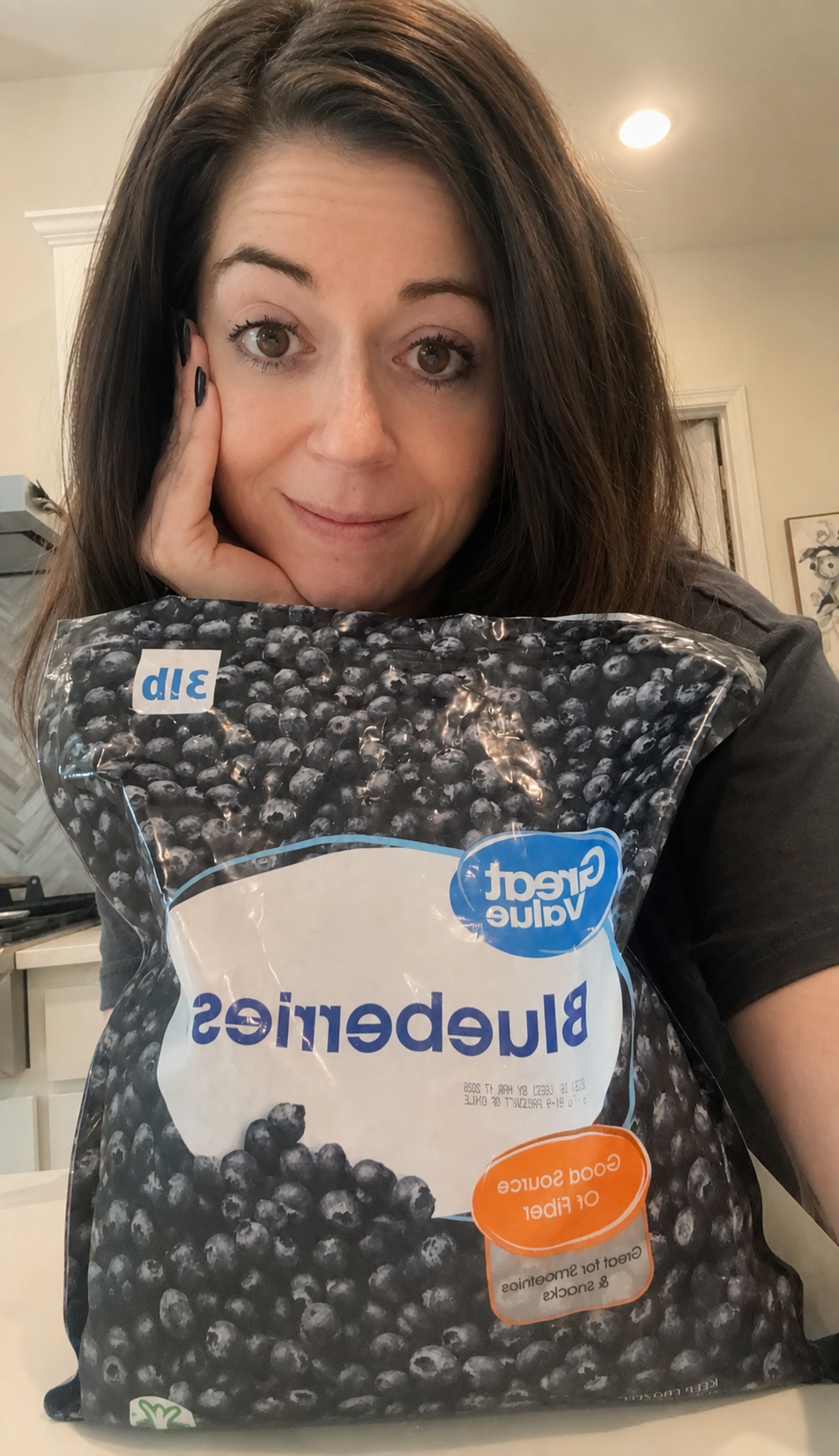
Blueberries
For liver health, blueberries are a staple. Their primary power lies in anthocyanins—the specific pigments that give them their deep blue hue. Research has shown that these compounds can actually slow down the development of liver lesions and inhibit the activation of "stellate cells," the cells responsible for producing scar tissue (fibrosis) in the liver.
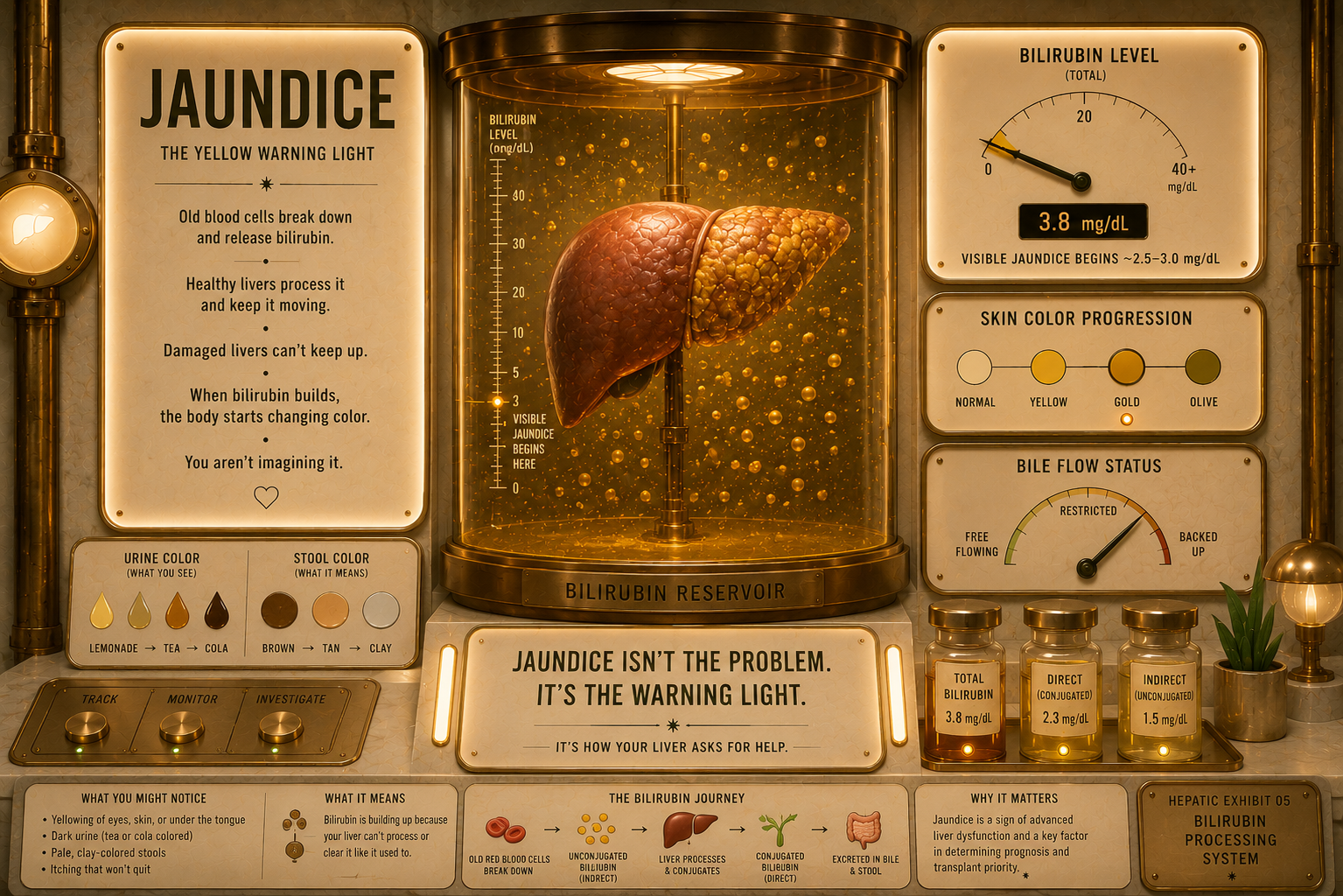
Jaundice
Abnormal yellowing in chronic liver failure exists on a highly specific developmental spectrum. Transient (or situational) jaundice is a brief, temporary spike in pigment levels—such as a mild flare after a temporary drug reaction or a passing bout of dehydration—that resolves quickly once the trigger is removed. Hepatic jaundice is an ingrained, systemic failure where a cirrhotic liver’s structural collapse simultaneously destroys its ability to process cellular waste and mechanically blocks the internal plumbing of the bile ducts .


Spider Angiomas
Little clusters of blood vessels that look almost delicate:
thin red lines branching outward from a central point like tiny spiders or cracks in glass.
Spider angiomas are one of the most recognizable skin findings associated with liver disease.
And for many people, they become one of the first visible reminders that cirrhosis is not just happening internally anymore.

Bilirbuin
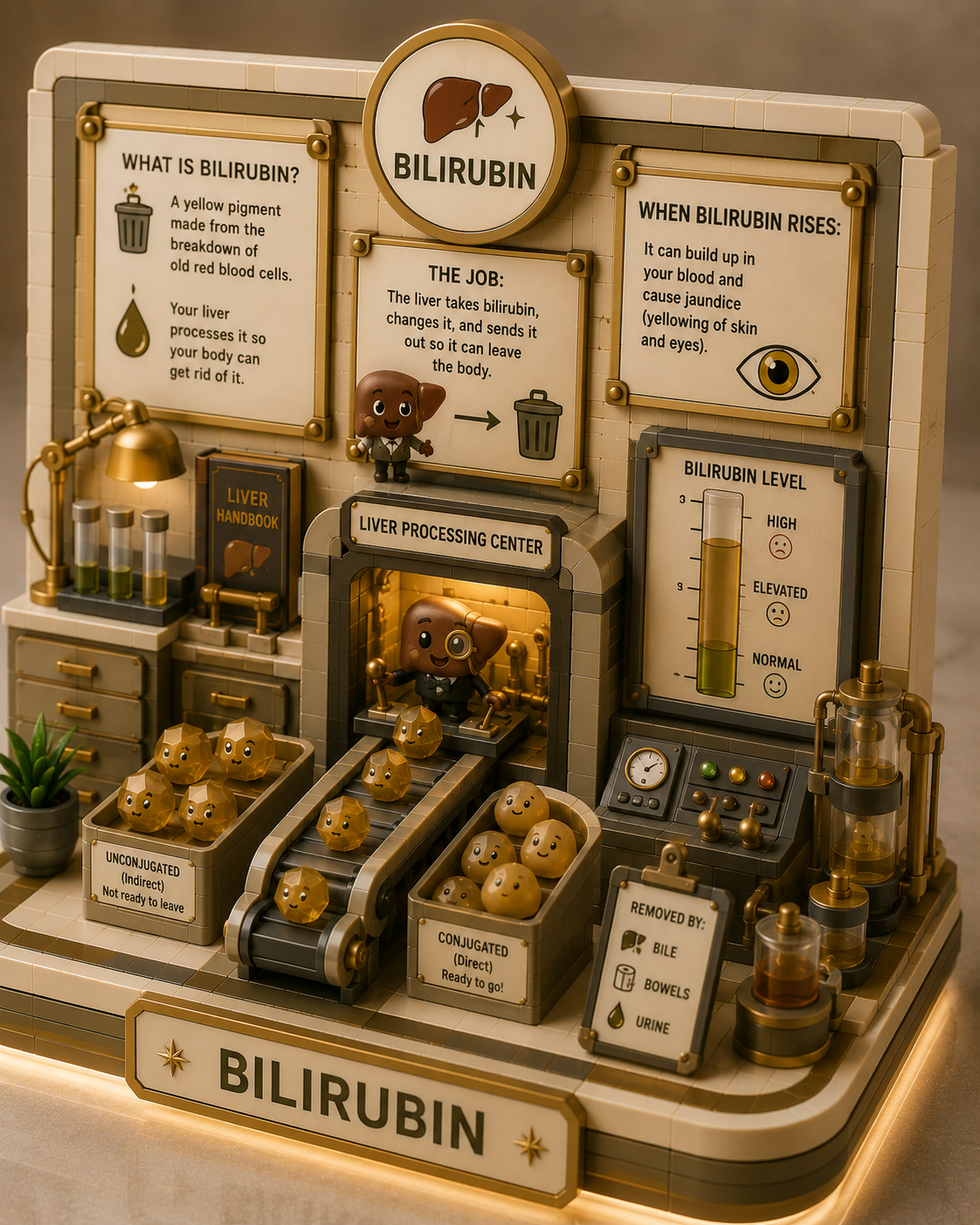
Bilirubin is a yellow pigment made when the body breaks down old red blood cells. The liver’s job is to process bilirubin and move it out through bile, so a rising bilirubin level can mean that clearing system is getting backed up. When bilirubin builds up, it can show up in ways people actually notice: yellow eyes or skin, dark urine, pale stool, and itching.
INR - International Normalized Ratio
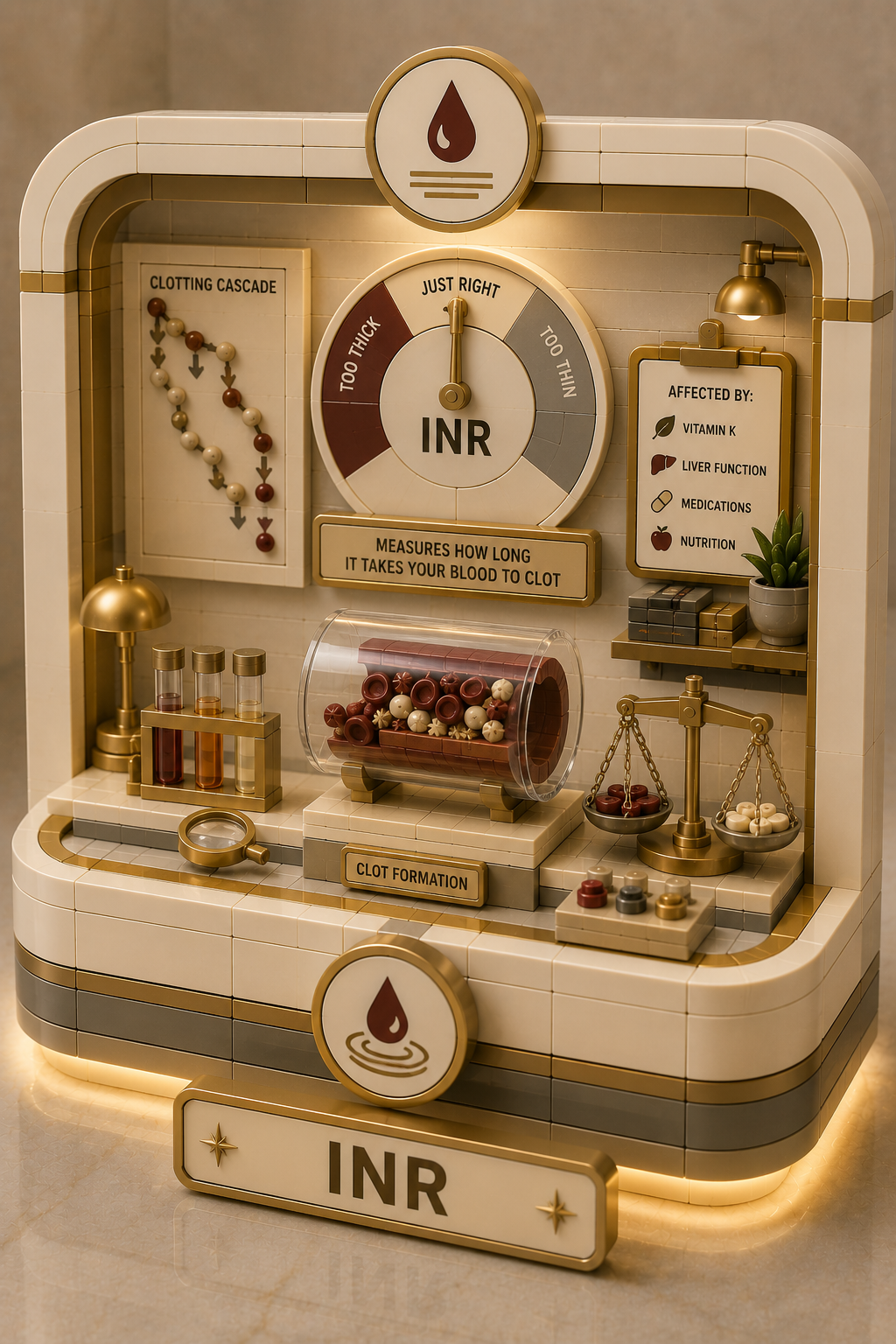
The INR test is a standardized laboratory calculation derived from a Prothrombin Time (PT) blood test. Prothrombin time measures exactly how many seconds it takes for the liquid portion of your blood, or plasma, to form a solid clot