
-
Community
-
Levity
-
Nutrition
-
Support
-
Recommendations
-
Education
-
Advocacy
-
Compassion
- Community - Levity - Nutrition - Support - Recommendations - Education - Advocacy - Compassion
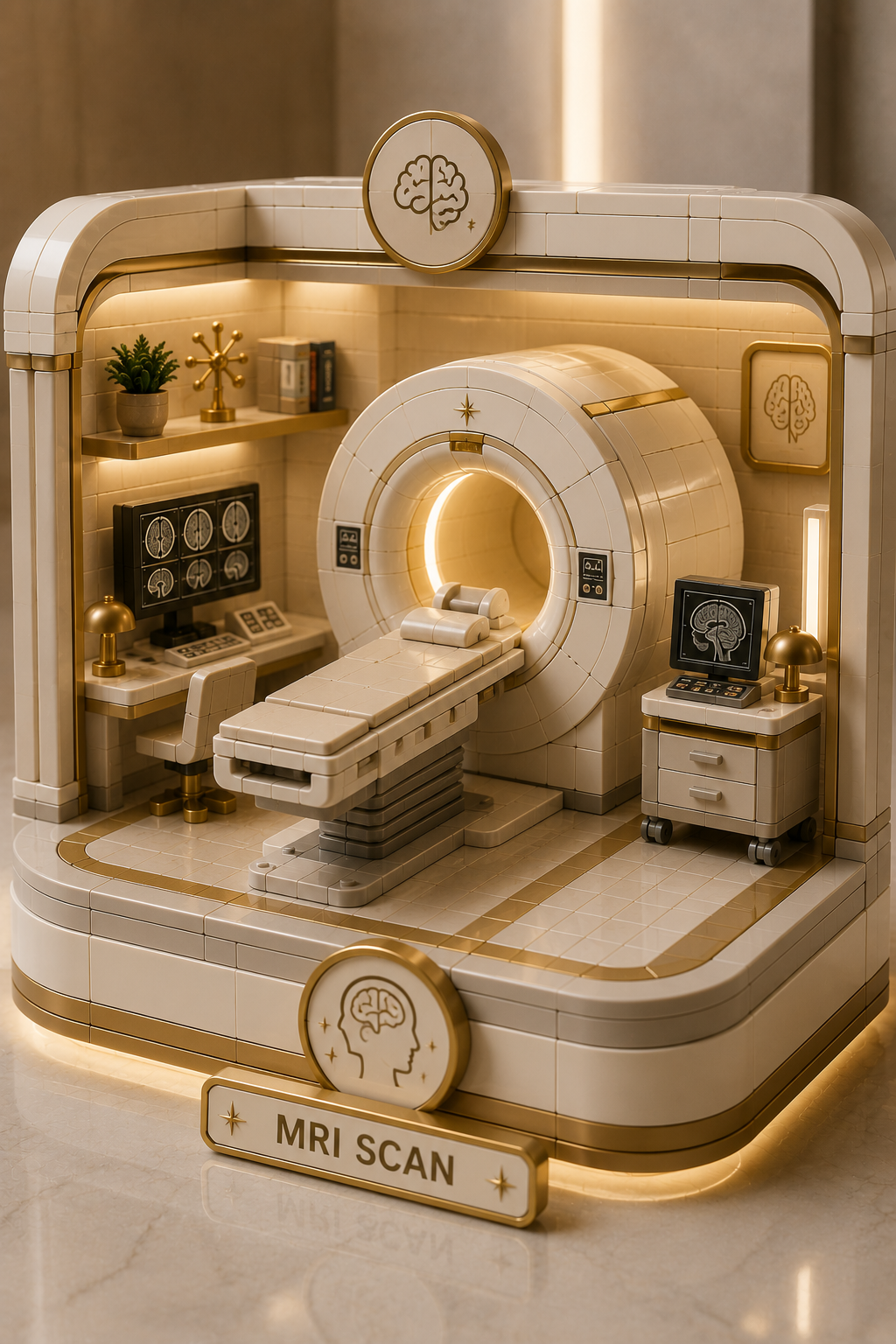
MRI
Magnetic Resonance Imaging (MRI) serves as a gold standard for noninvasively evaluating liver cirrhosis, capable of detecting structural liver changes, assessing stiffness, and identifying hepatocellular carcinoma. The imaging technique, which includes advanced methods like Magnetic Resonance Elastography (MRE), allows clinicians to map portal hypertension and evaluate tissue composition.
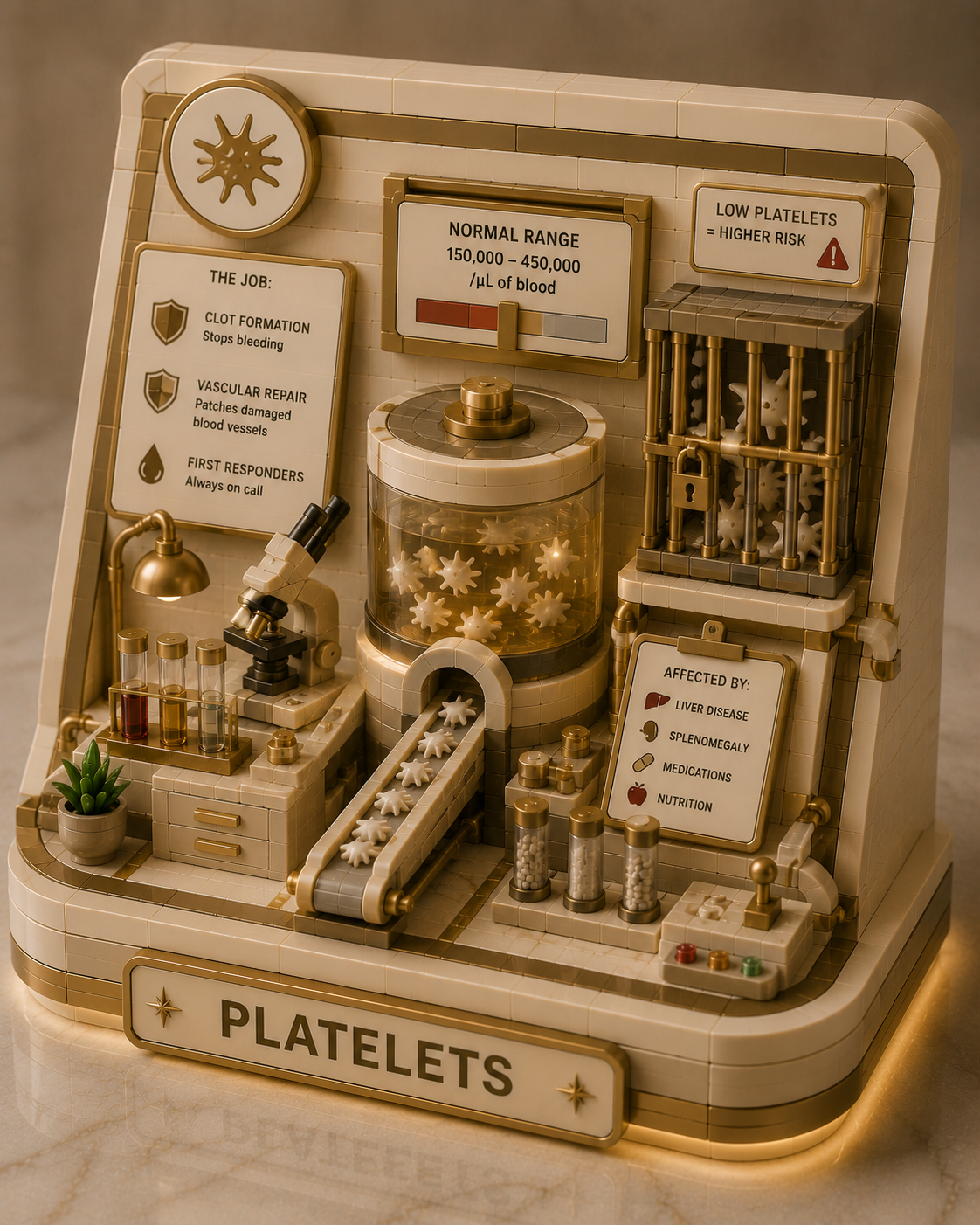
Platelets
Platelets, legally termed thrombocytes, are tiny, disc-shaped cellular fragments manufactured within your bone marrow that circulate dynamically through the bloodstream. Their primary cellular responsibility is to aggregate and bind together at the site of a damaged blood vessel to form a physical haemostatic plug, halting active bleeding and initiating the cascade required for wound healing.
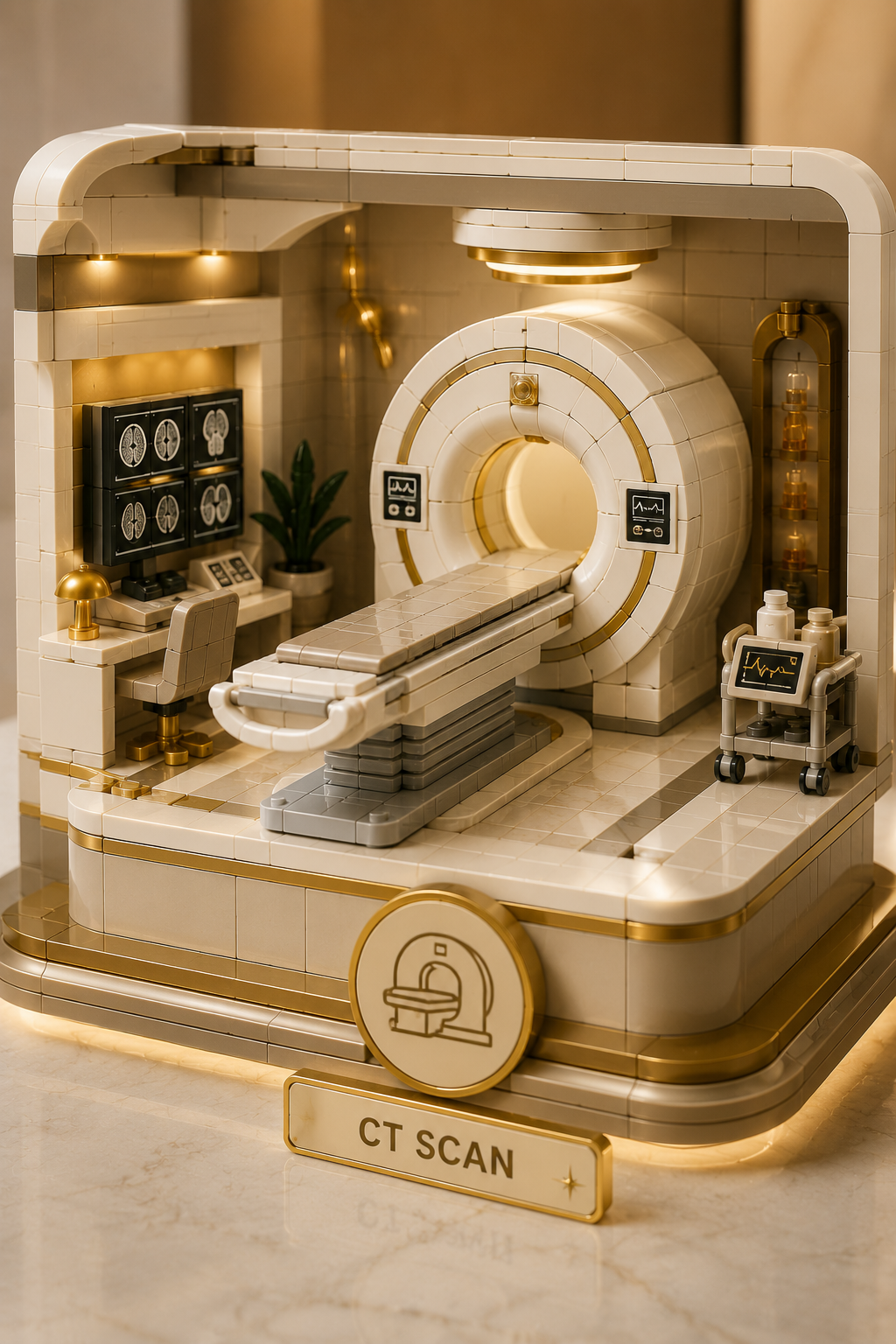
CT Scans
A Computed Tomography, or CT, scan is a non-invasive diagnostic imaging procedure that combines a series of X-ray images taken from multiple angles around your body. Advanced computer processing merges these slices to create highly detailed, cross-sectional three-dimensional images of your internal soft tissues, organs, and blood vessels. Read more about the “donut camera”…
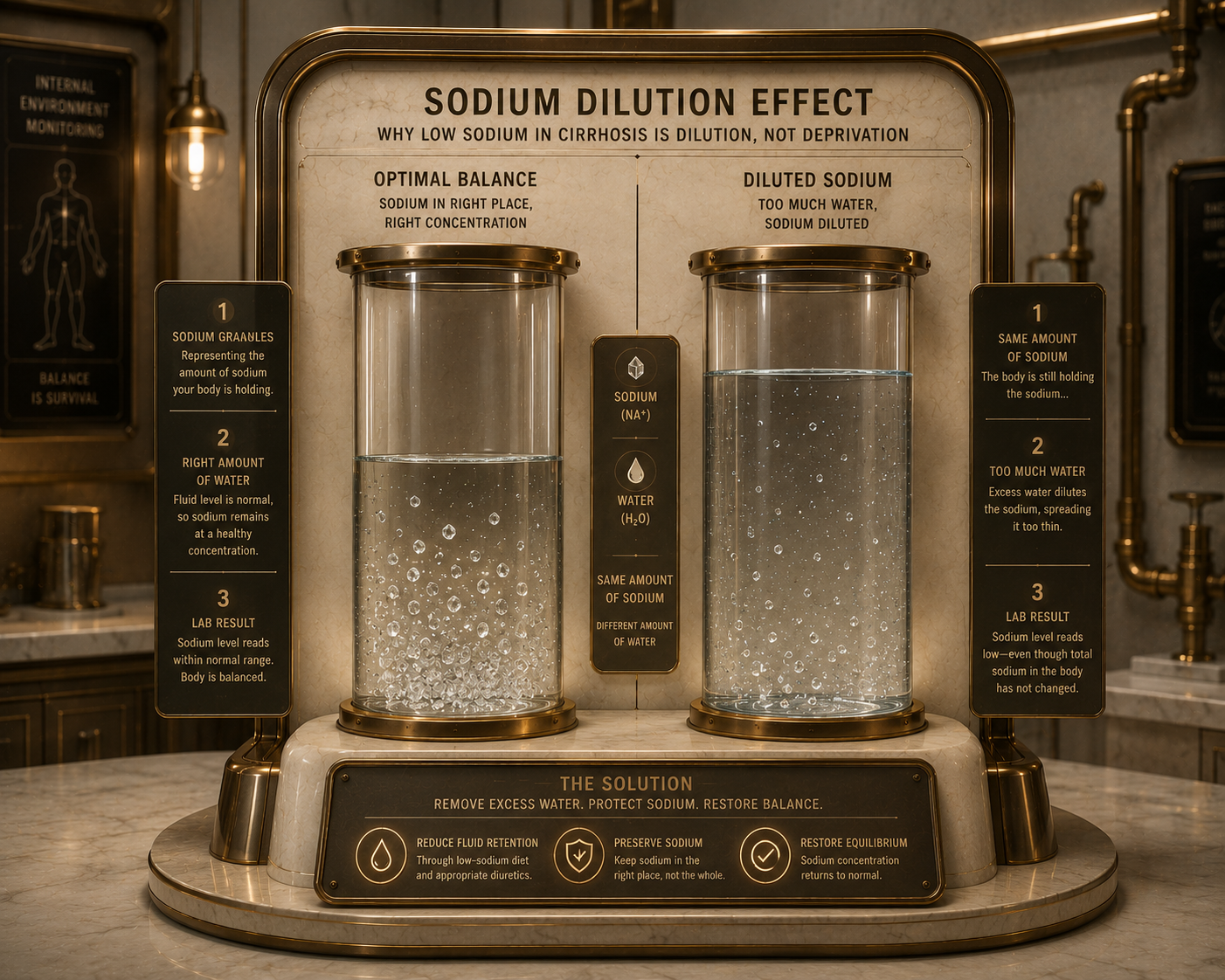
Low Sodium Diets
Low sodium diets are a critical part of managing cirrhosis - but not always for the reasons that people often think. Read more about the distinction between dilution and deprivation and why this matters
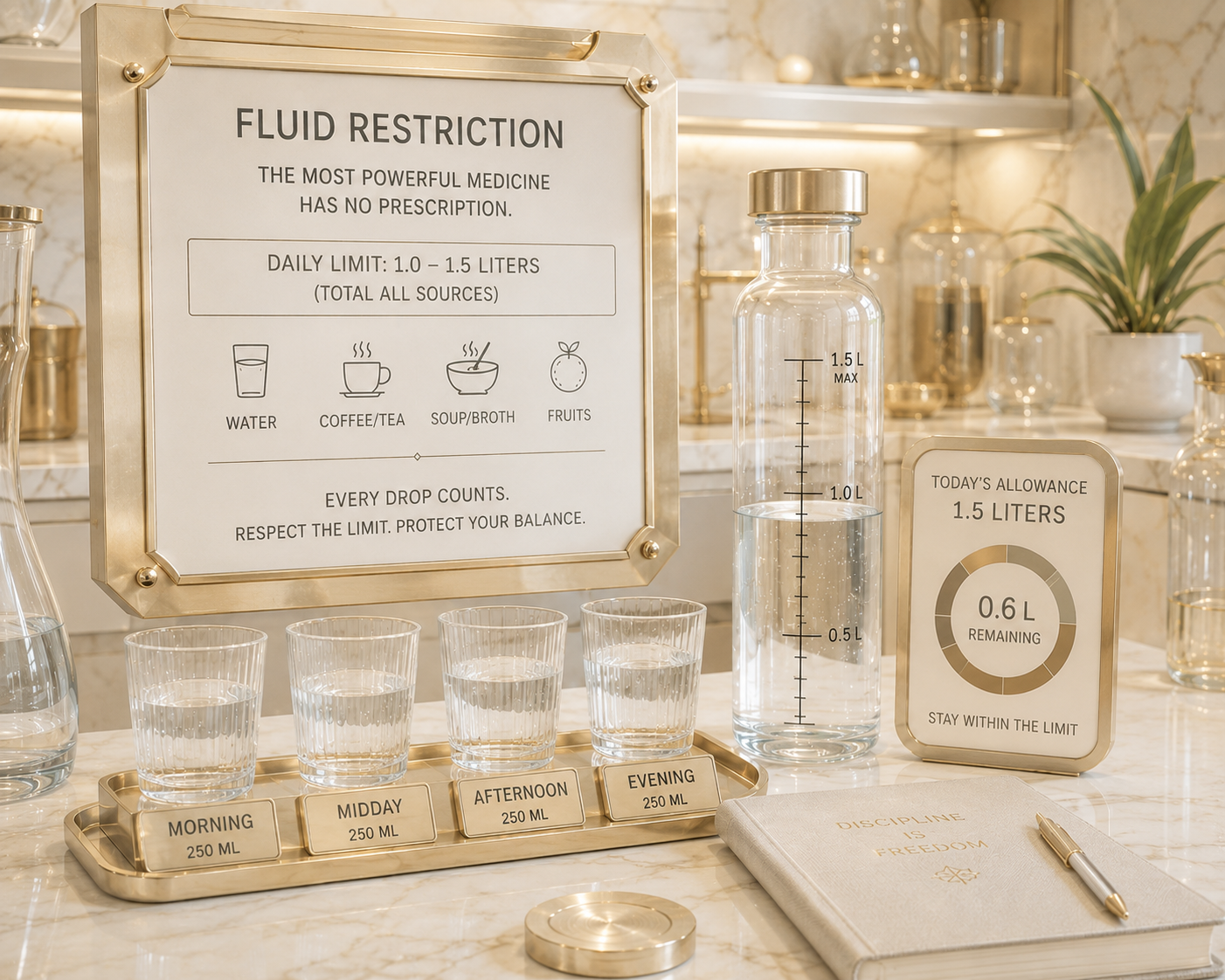
Fluid Restriction
Fluid restriction is when you’re limited on how much total fluid you can drink in a day because your blood sodium is too low.
It is not usually because you have ascites alone. It is usually because your body is holding onto too much water relative to sodium, which can make your blood dangerously diluted.
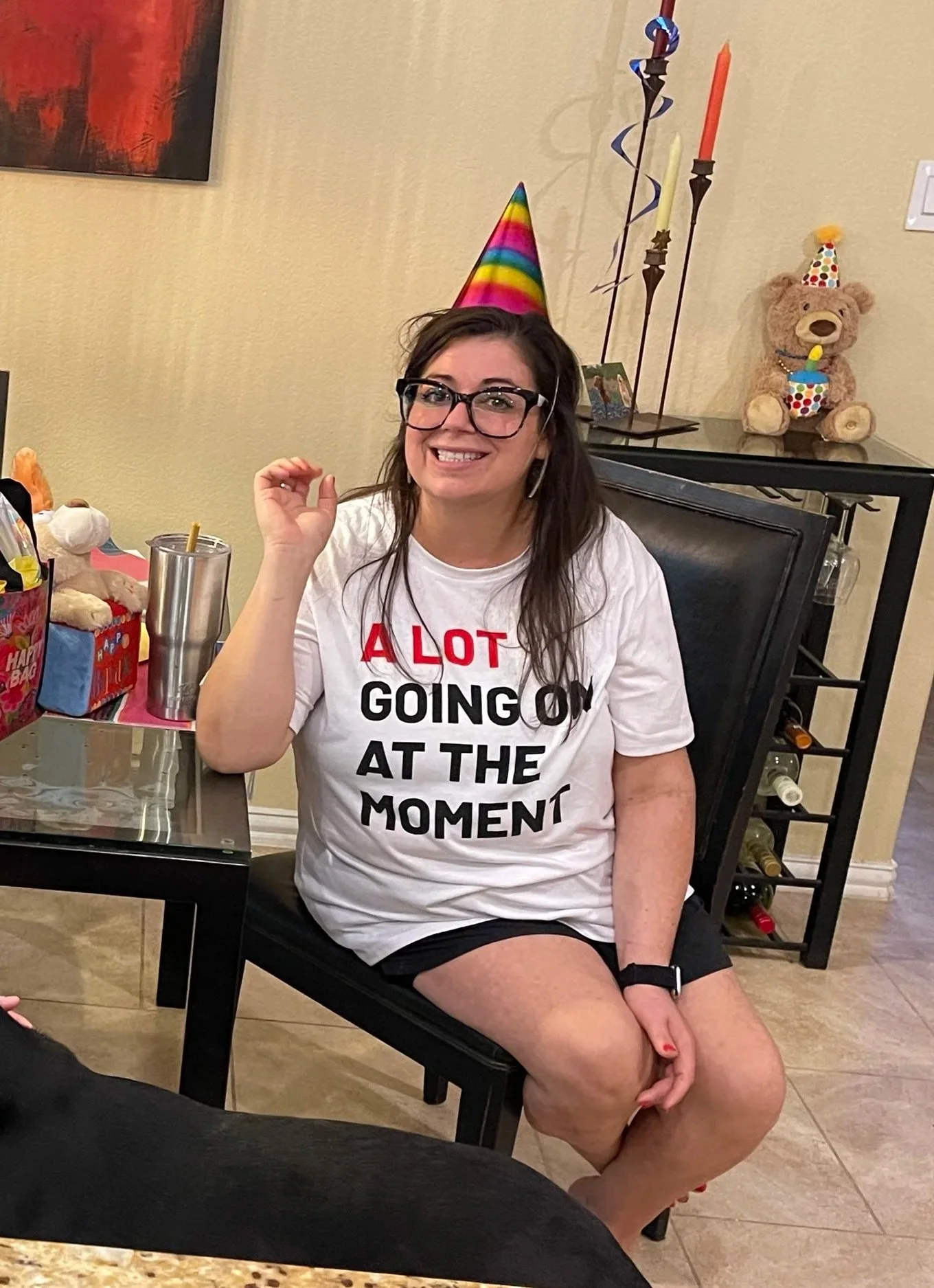
Portal Hypertension & Movie Plot Plagiarism
Portal hypertension is one of those cirrhosis complications that, looking back, absolutely should have terrified me more than it did. But in the chaos of Winter 2024, it honestly did not make the leaderboard.
And that is not because portal hypertension is boring. In fact, it is arguably one of the most cinematic, body-horror-adjacent concepts in all of liver disease. I think it just sounded too absurd at the time to emotionally process. Because when doctors first started explaining it to me, all I really heard was: your liver is scarred, the blood cannot move correctly, pressure is building, veins can rupture, and technically yes, one in your neck could explode.
And I remember thinking:
That sounds medically dramatic.
That sounds fear-mongery.
That sounds like somebody got a little too excited in the pathology textbook section.
Because how does: “my liver is sick” somehow become: “my veins are auditioning for a low-budget horror film”? The escalation felt narratively unreasonable.
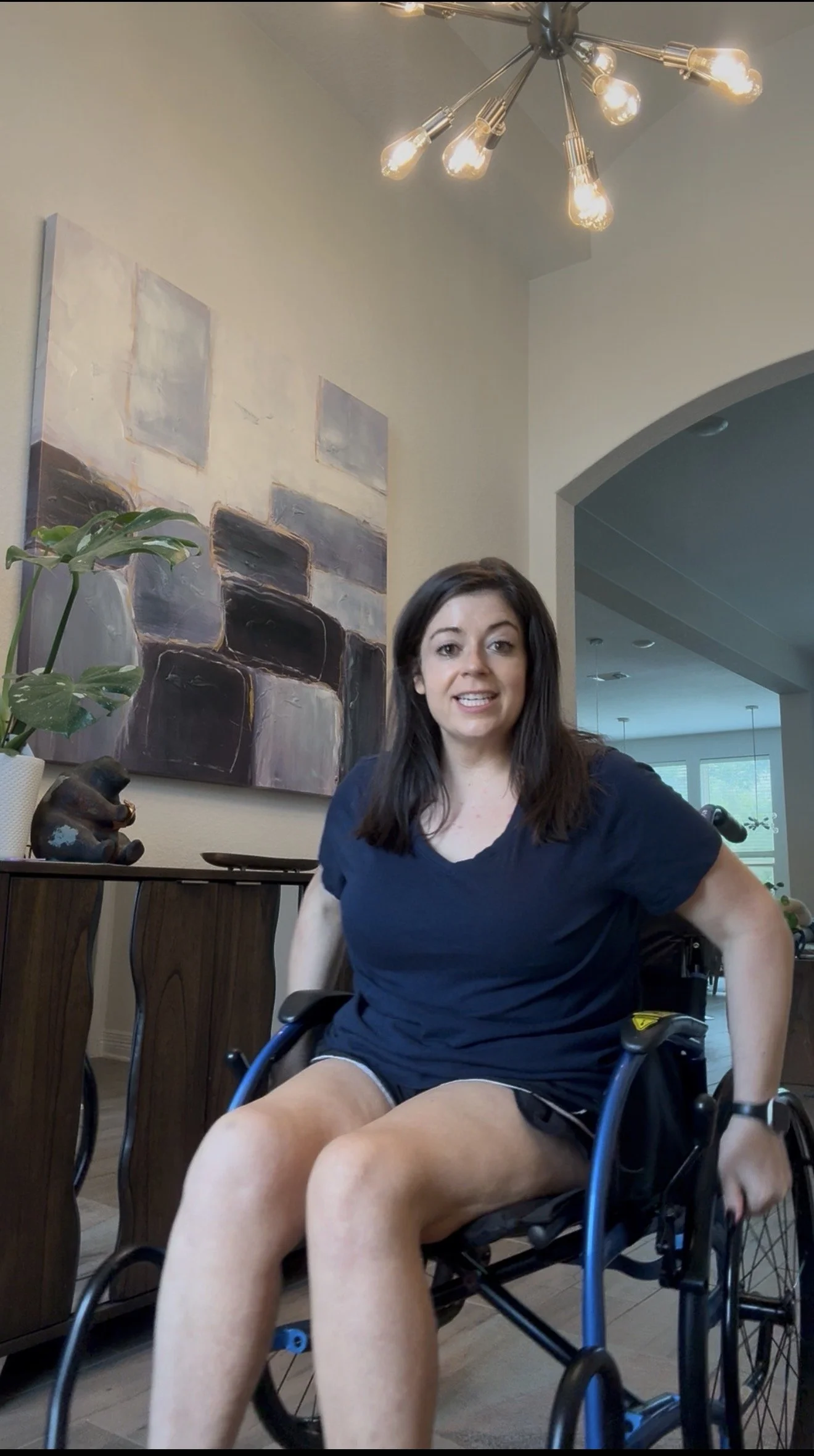
Why Did I Need a Wheelchair for Liver Failure and Cirrhosis?
When my husband came home with the wheelchair, I cried.
Not polite little tears. Full shock.
I remember looking at it and feeling completely baffled by the fact that this was not only becoming part of my current reality, but potentially part of my future. Part of my forever.
It felt impossible that “simple liver failure” could somehow collide with something as psychologically massive as needing a wheelchair.

Strawberries
Strawberriesare prized as one of nature’s most potent "antioxidant powerhouses." While their sweetness makes them a favorite dessert, for someone with liver scarring, their true value lies in their high concentrations of anthocyanins and ellagic acid. These compounds act like a biological shield, neutralizing the oxidative stress that damages healthy liver cells and supporting the organ's remaining filtration capacity. Read more…
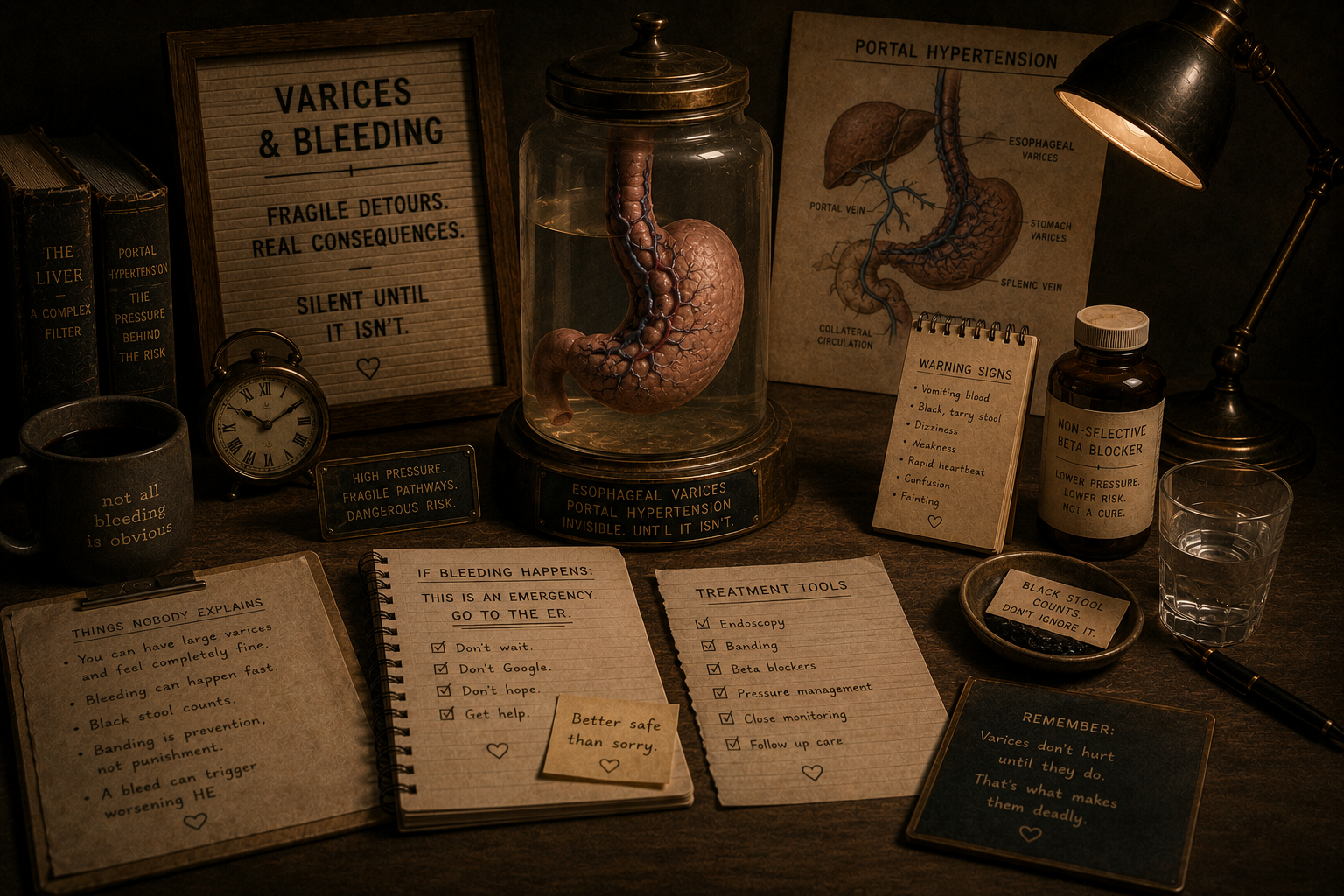
Varices & Bleeding
Advanced liver cirrhosis can cause esophageal varices, which are fragile, swollen veins prone to sudden rupture due to portal hypertension. Caregivers must closely manage preventative beta-blocker medications and aggressively prevent constipation to avoid dangerous internal straining. Because a variceal bleed causes sudden, life-threatening internal bleeding, close caregiver tracking is vital.
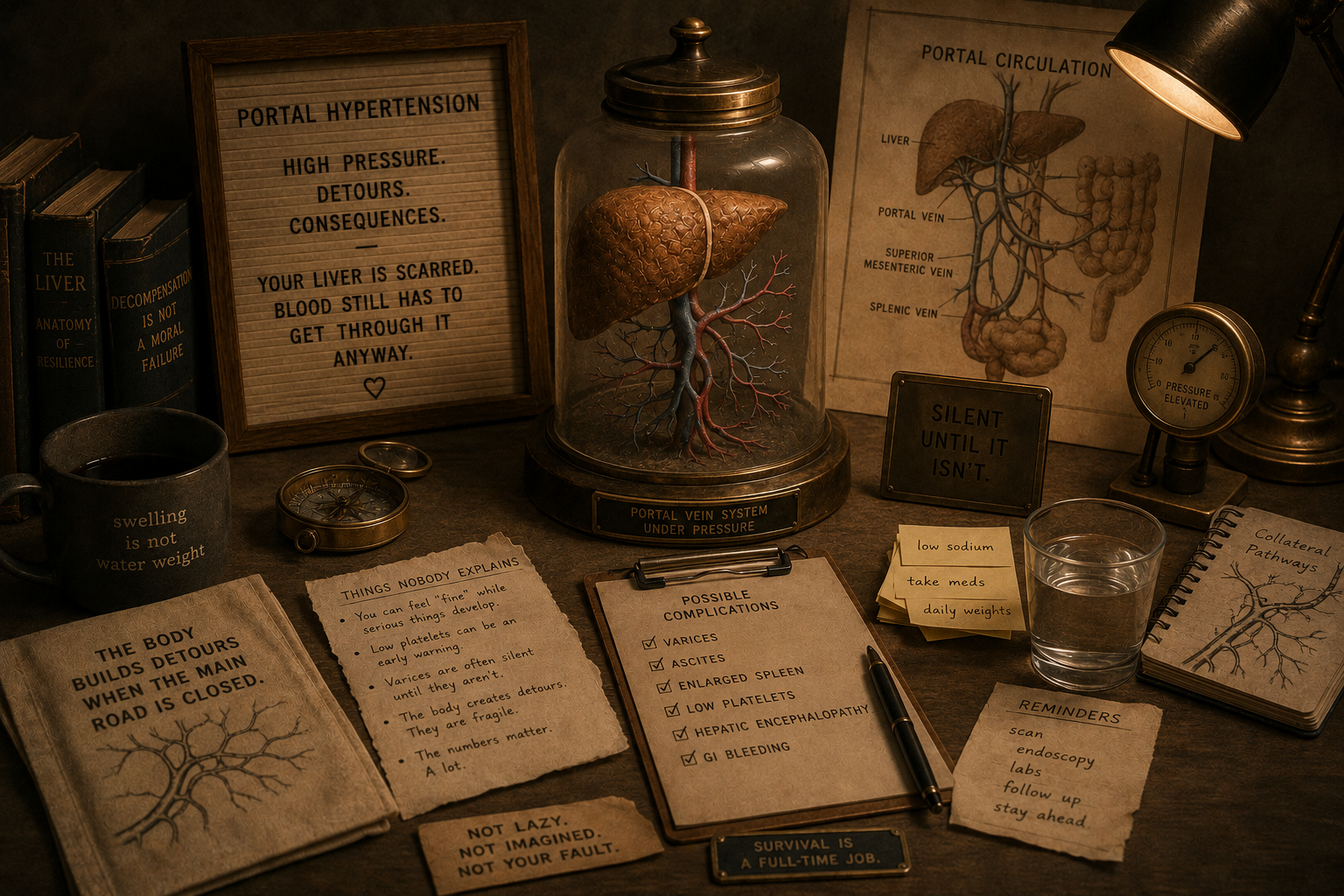
Portal Hypertension
When liver disease creates deep scar tissue, blood can no longer flow through it easily. The result? A dangerous vascular traffic jam called Portal Hypertension. To relieve the pressure, your body builds fragile, shallow "detour" veins that are highly prone to bleeding. Because it develops completely silently in the background, knowing the warning signs is vital. Read our latest post to break down the mechanics, hidden triggers, and life-saving treatments like beta-blockers and TIPS.
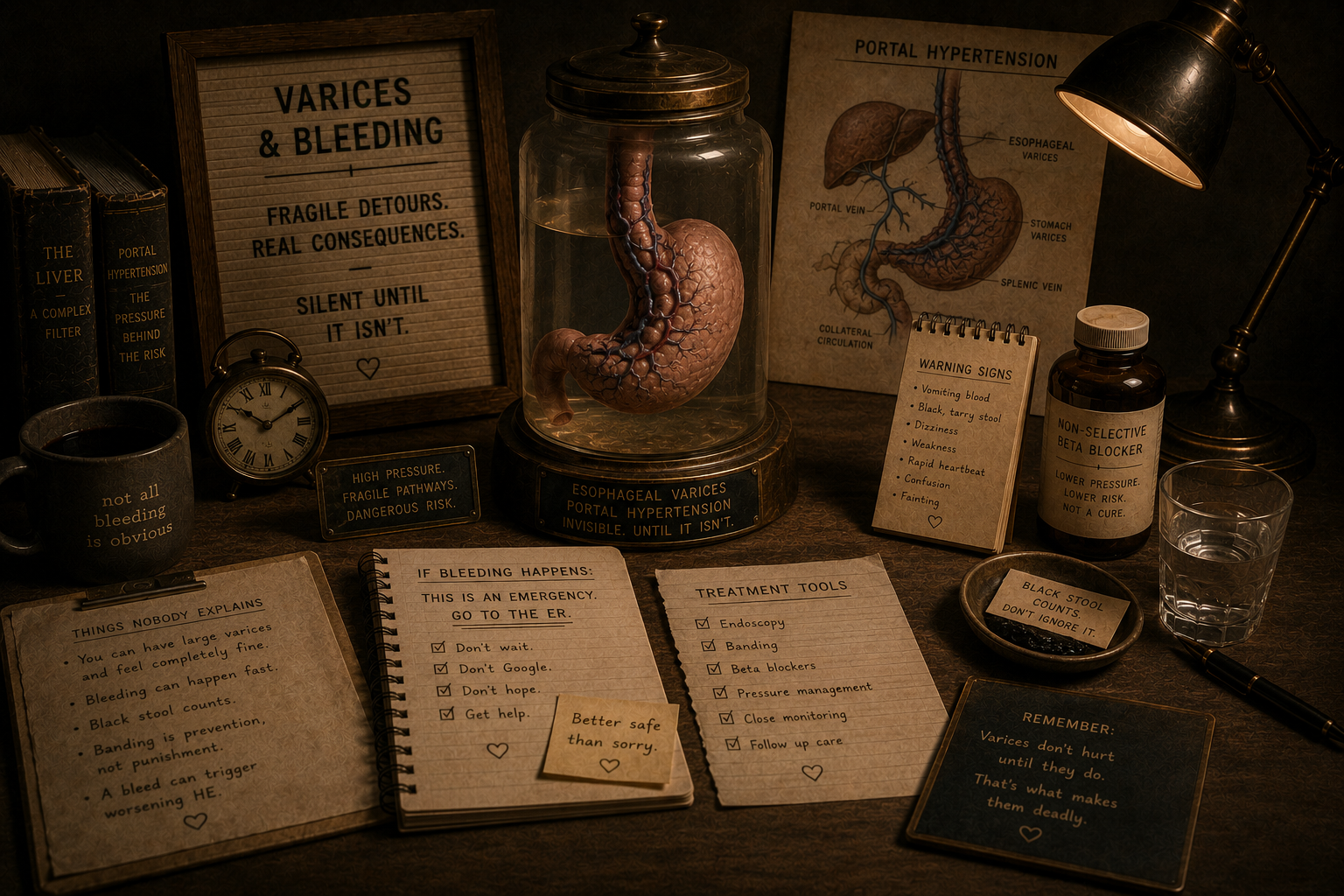
Varices & Bleeding
Esophageal varices are a silent and serious consequence of chronic liver disease where high portal vein pressure forces blood into fragile stomach and esophagus veins. These swollen vessels cause zero internal pain but carry a high risk of rupture and severe internal bleeding. Explore how proactive medical steps like regular screening endoscopies, preventive banding, and beta-blockers save lives.