
-
Community
-
Levity
-
Nutrition
-
Support
-
Recommendations
-
Education
-
Advocacy
-
Compassion
- Community - Levity - Nutrition - Support - Recommendations - Education - Advocacy - Compassion


The Strange Exchange of Being Seen
Sometimes a sentence from someone else’s life that rearranges the furniture in your own brain.
That is one of the more unexpected gifts of vulnerability: it grows your mind.
It lets you see the same disease, the same grief, the same fear, the same impossible appointment, through someone else’s eyes. It lets you take a brief, awkward spin in someone else’s grippy socks. Someone else’s oversized Crocs because their feet do not fit today. Someone else’s version of the hallway, the waiting room, the scan, the call, the sentence they still cannot say without changing the subject.
And suddenly your own experience has more dimensions.
Not because someone else’s story replaces yours.
Because it widens the room.

Idols of March
March did not feel like a month this time.
It felt like a changing of the guard.
Not loud.
Not cinematic.
Not a clean before and after.
Just a quiet shift in authority.
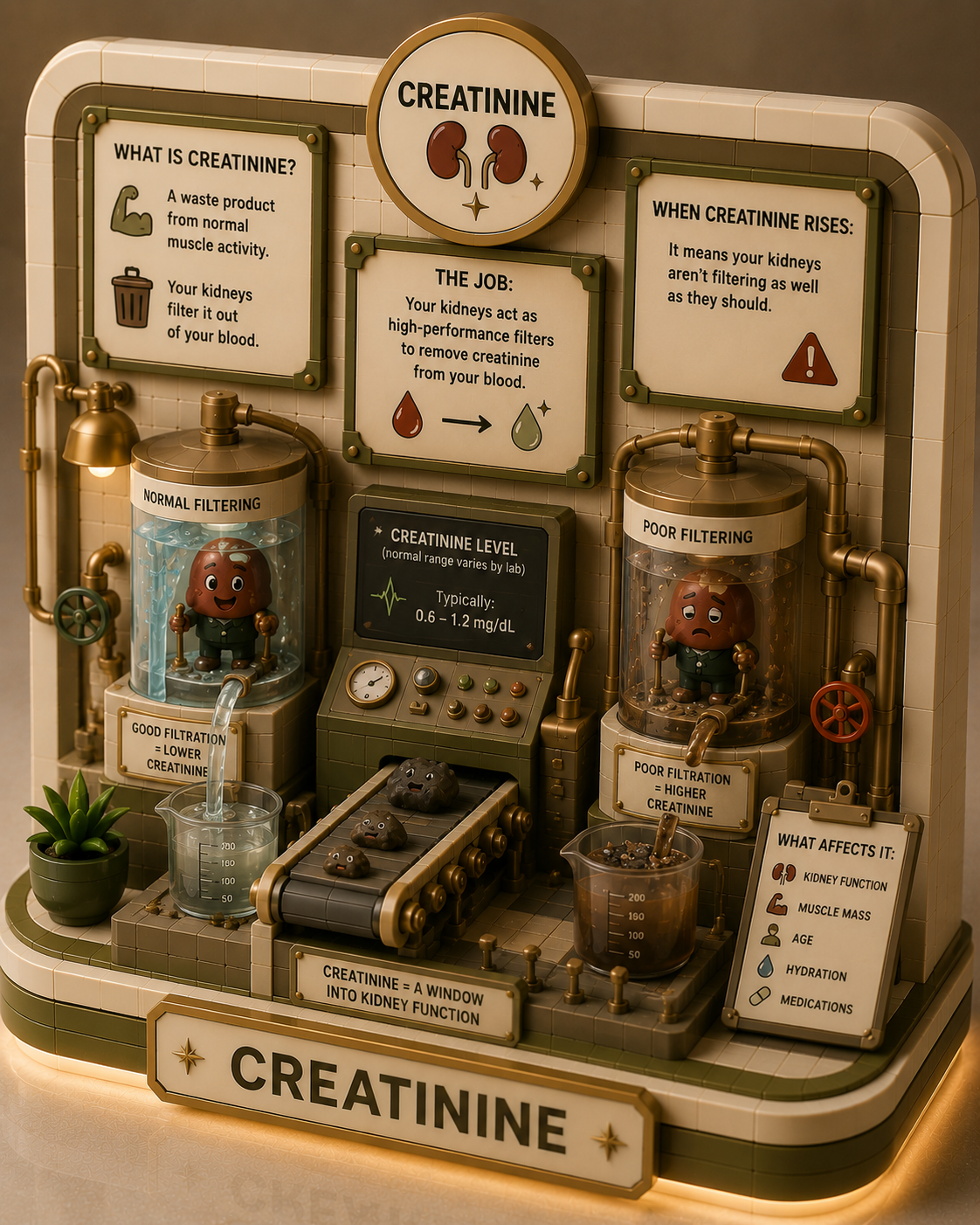
Creatinine
Creatine and creatine both sound like gym culture. Protein tubs. Men in sleeveless shirts explaining macros with the confidence of a podcast host in a backwards hat.
Are they related? Technically, yes, in the way that medical words love to be related just enough to make patients feel stupid. Creatine is involved in muscle energy. Creatinine is a waste product that comes from normal muscle metabolism and gets cleared by the kidneys.
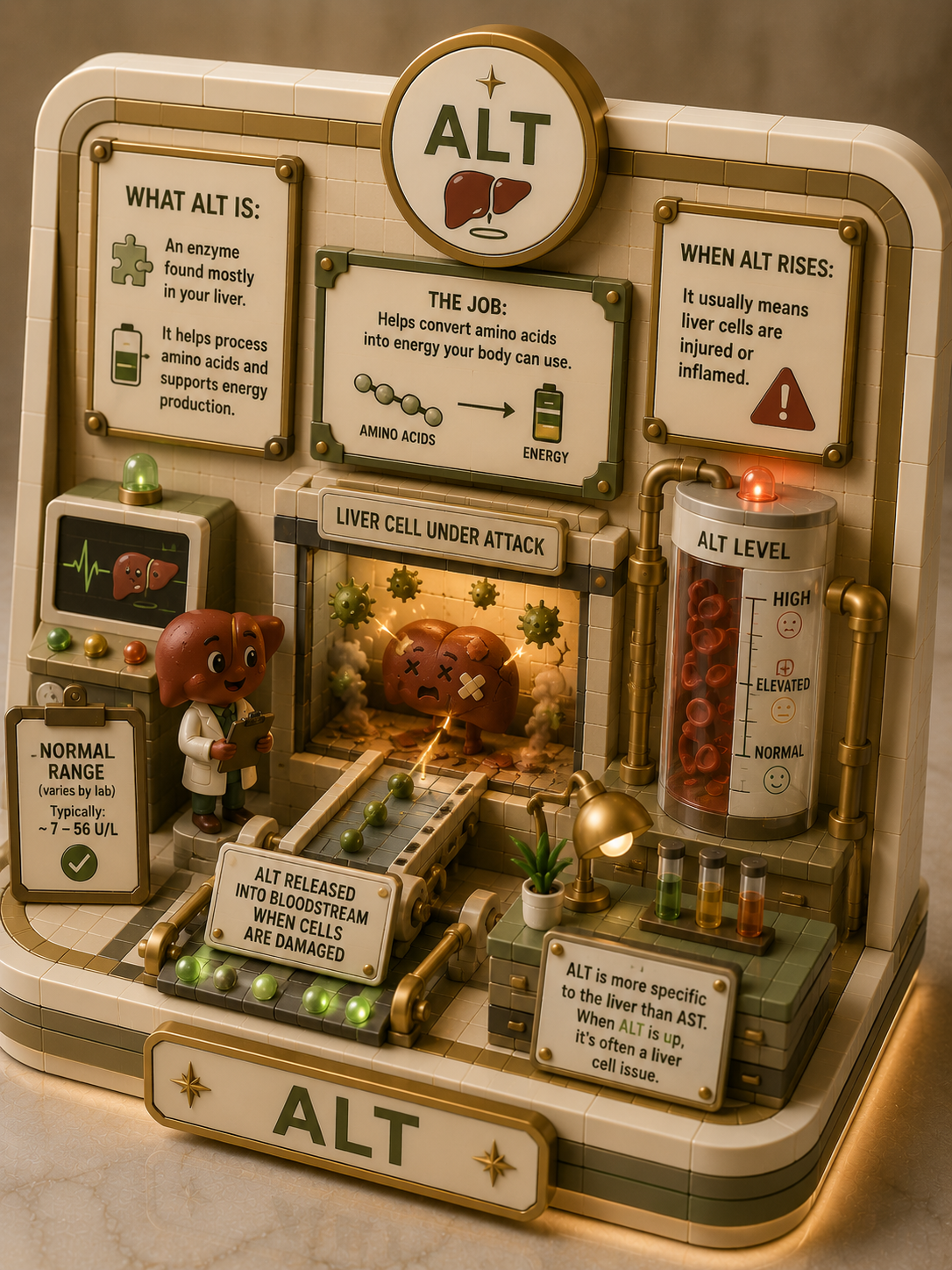
ALT
ALT is a liver enzyme doctors track to see whether liver cells are actively irritated, inflamed, or being injured. It can rise during autoimmune hepatitis flares, medication reactions, viral injury, fatty liver changes, or other active stress, but it does not measure how scarred the liver already is.

Sitting at the Table with an Empty Plate
I used to say cirrhosis was the club nobody wants to be in.
And over time, I realized that's only half true.
Because the funny thing about cirrhosis is that it's actually a club almost anyone could join.
Not medically. Socially.
But cirrhosis asks for something much stranger.
It only asks people to participate in restraint.
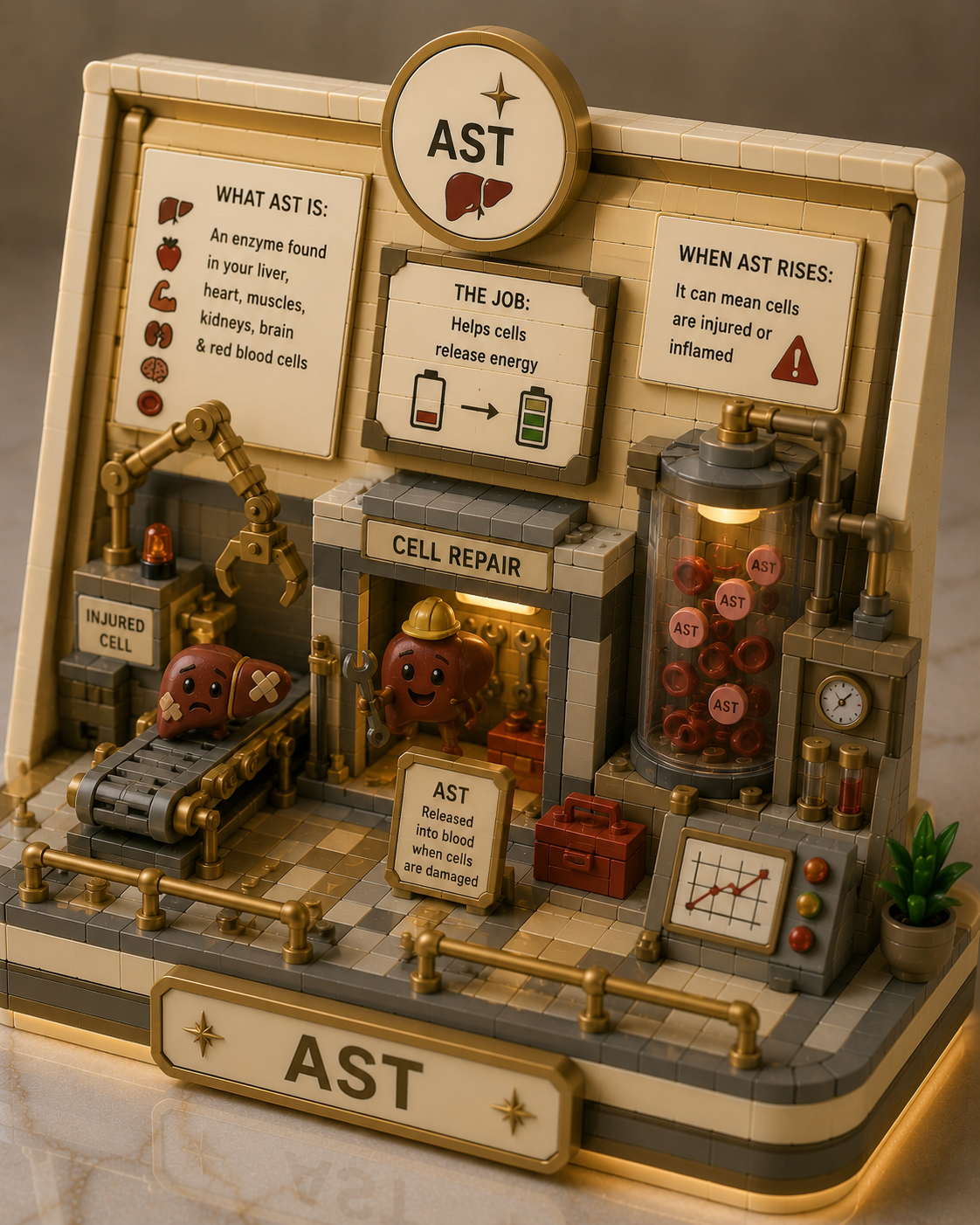
AST
AST is found in high amounts within liver cells, it is an enzyme that also lives inside cardiac muscle, skeletal muscle, kidneys, and the brain. When these specific cells experience stress, injury, or active degradation, their cellular membranes become permeable, leaking AST directly into your blood
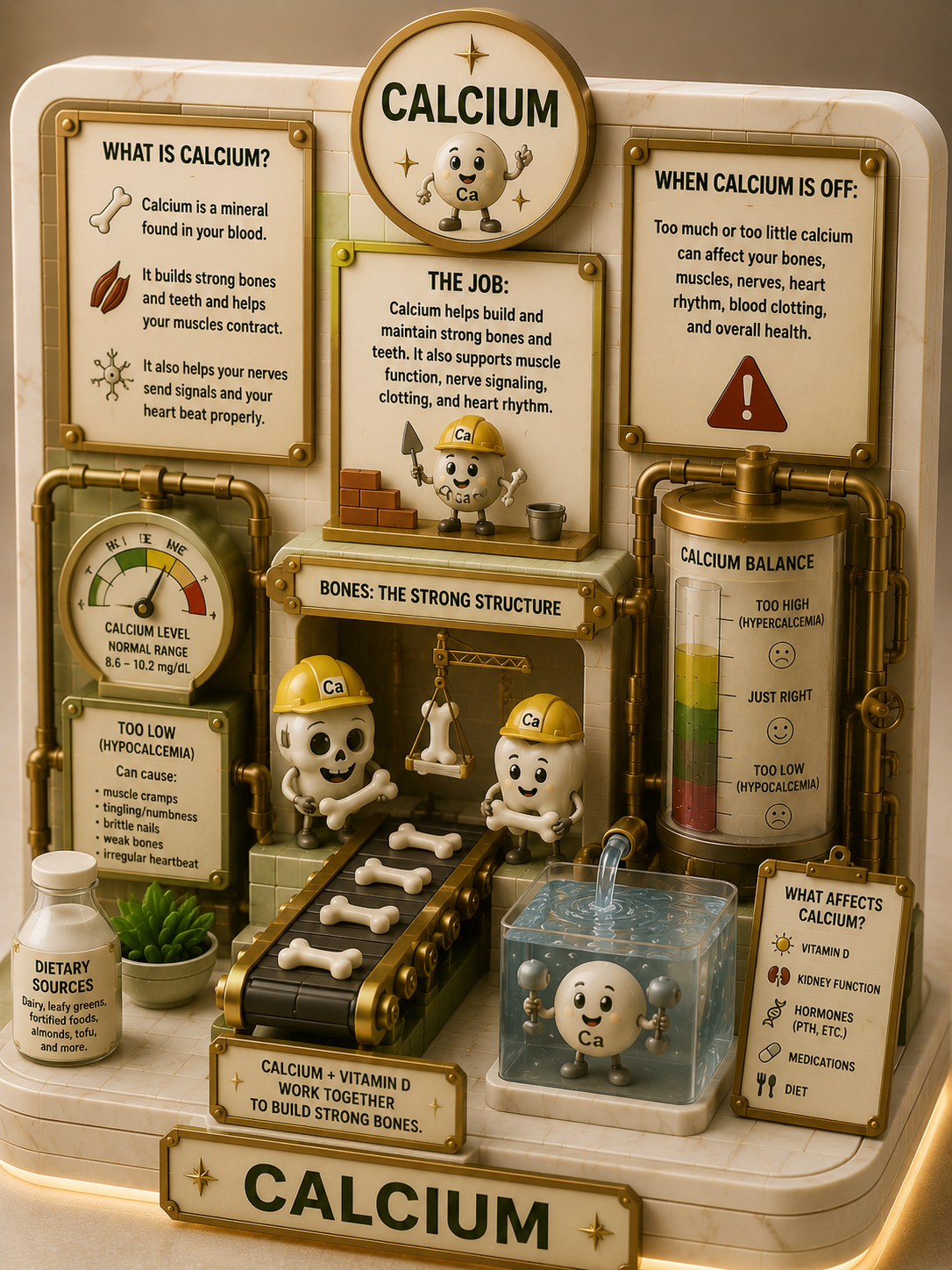
Calcium
A physician is looking past your skeletal system to evaluate how well your organs are communicating. Primarily, they are investigating the albumin relationship. Nearly half of all calcium in your blood rides on the back of a liver-produced protein called albumin. When cirrhosis destroys the liver’s ability to synthesize albumin, total calcium readings plummet artificially.
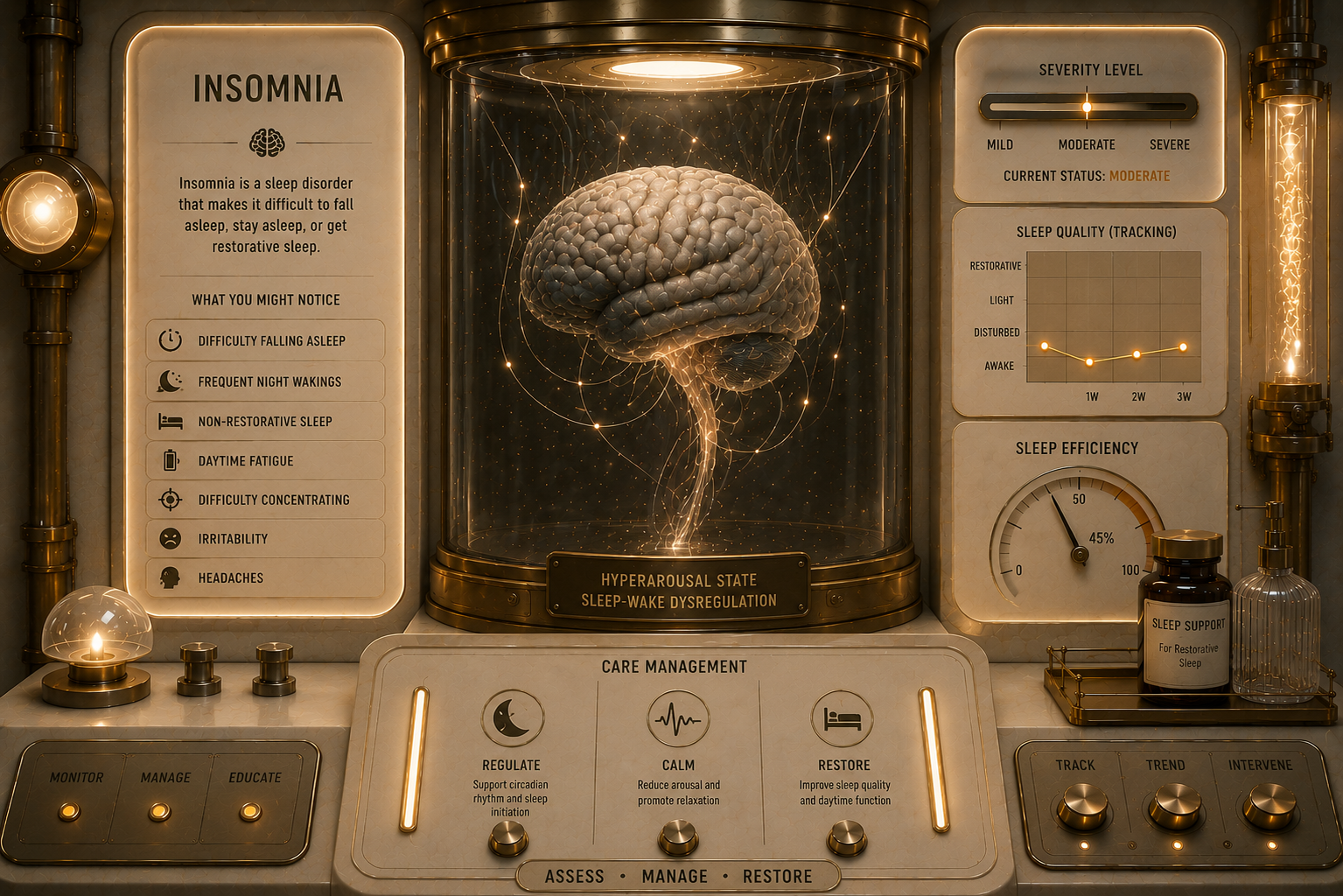
Insomnia
How does a disease famous for making you tired also make it impossible to sleep?
For many people with cirrhosis, the sleepless nights stick around long after the panic fades. You're exhausted all day, wide awake all night, and somehow living on a schedule that feels completely disconnected from the rest of the world.
What starts as stress can eventually become something else entirely… a sleep-wake cycle that no longer seems to follow the clock.
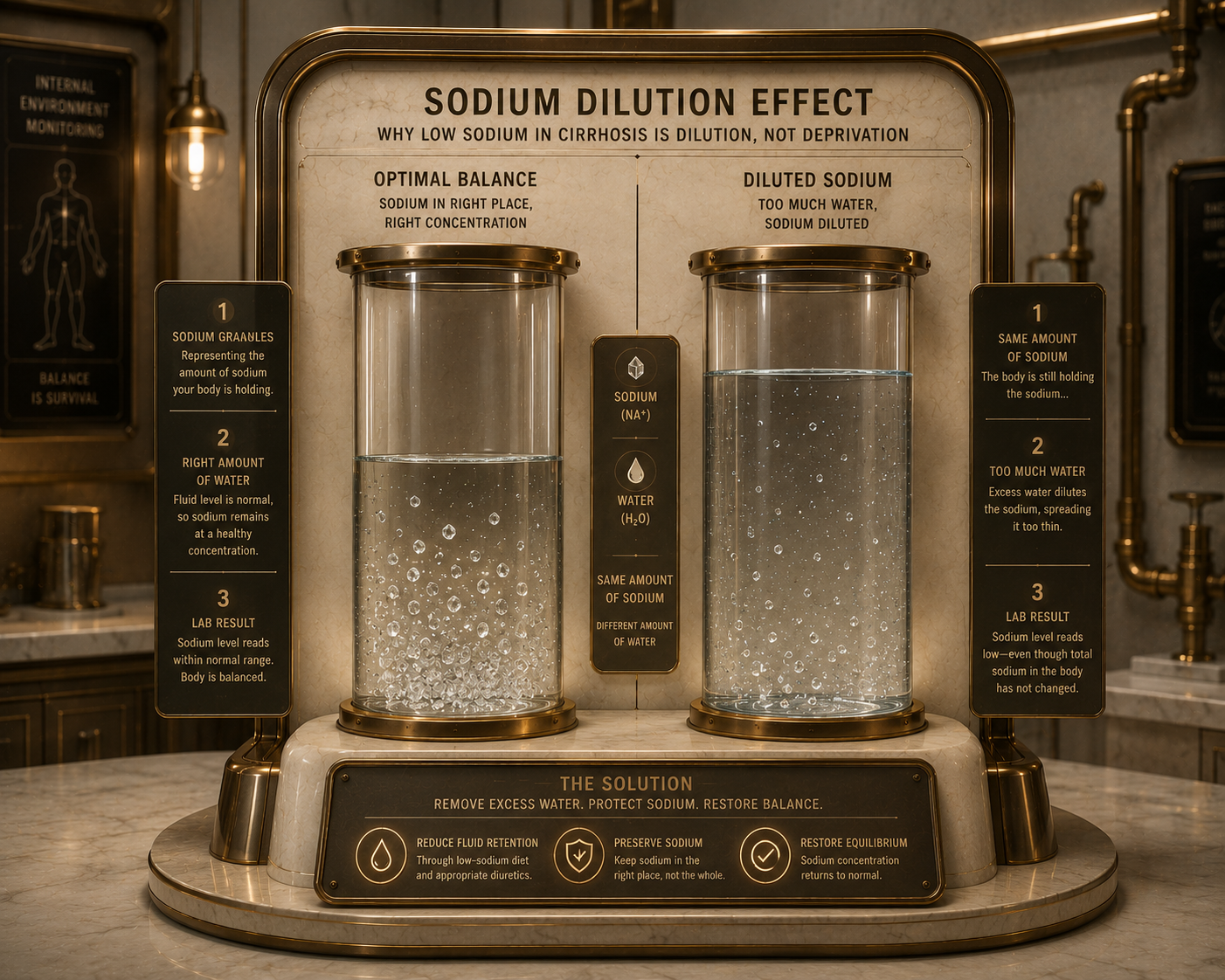
Low Sodium Diets
Low sodium diets are a critical part of managing cirrhosis - but not always for the reasons that people often think. Read more about the distinction between dilution and deprivation and why this matters

Fluid Restriction
Fluid restriction is when you’re limited on how much total fluid you can drink in a day because your blood sodium is too low.
It is not usually because you have ascites alone. It is usually because your body is holding onto too much water relative to sodium, which can make your blood dangerously diluted.
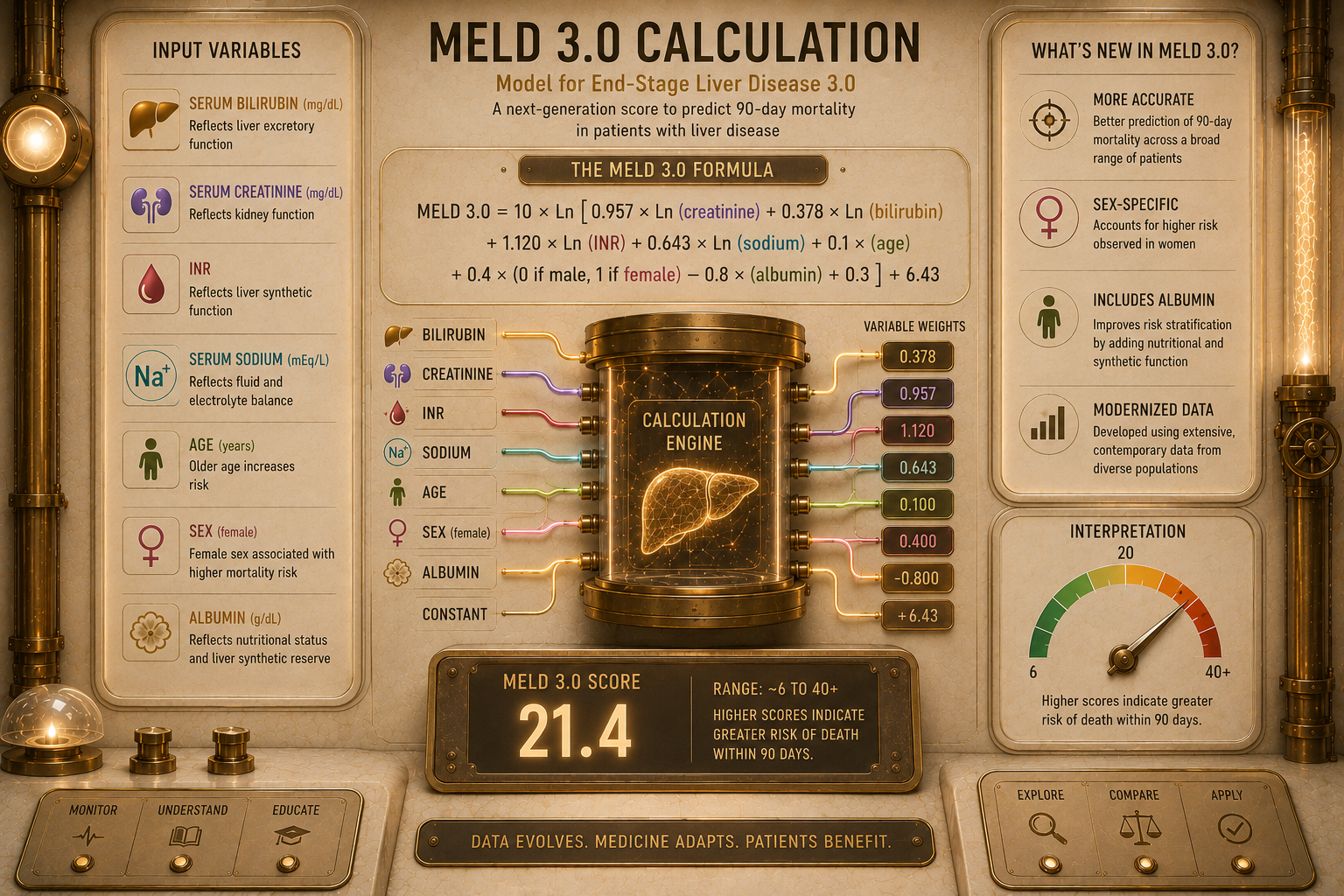

The Strange Social Currency of a MELD Score
It is incredibly easy to get sucked into the strange social shorthand of liver disease—treating your blood work like a daily sports scoreboard or sorting yourself into brackets based on your peak bilirubin levels. But a collection of numbers typed into an online calculator will never be able to measure the sheer amount of grit it takes to move through the day with muscle wasting, navigate the haze of brain fog, or wake up every morning to look uncertainty dead in the eyes.
A lower number is an excellent sign of stability, but it isn't an automated pass that means you're suddenly symptom-free or "not sick anymore." And a higher number isn't a failure—it's just your body's way of raising a flag so your medical team knows exactly when to step in with reinforcement. Don't let a four-letter acronym flatten your humanity.
The Fibrotic Liver Labyrinth: My Surprise Cirrhosis
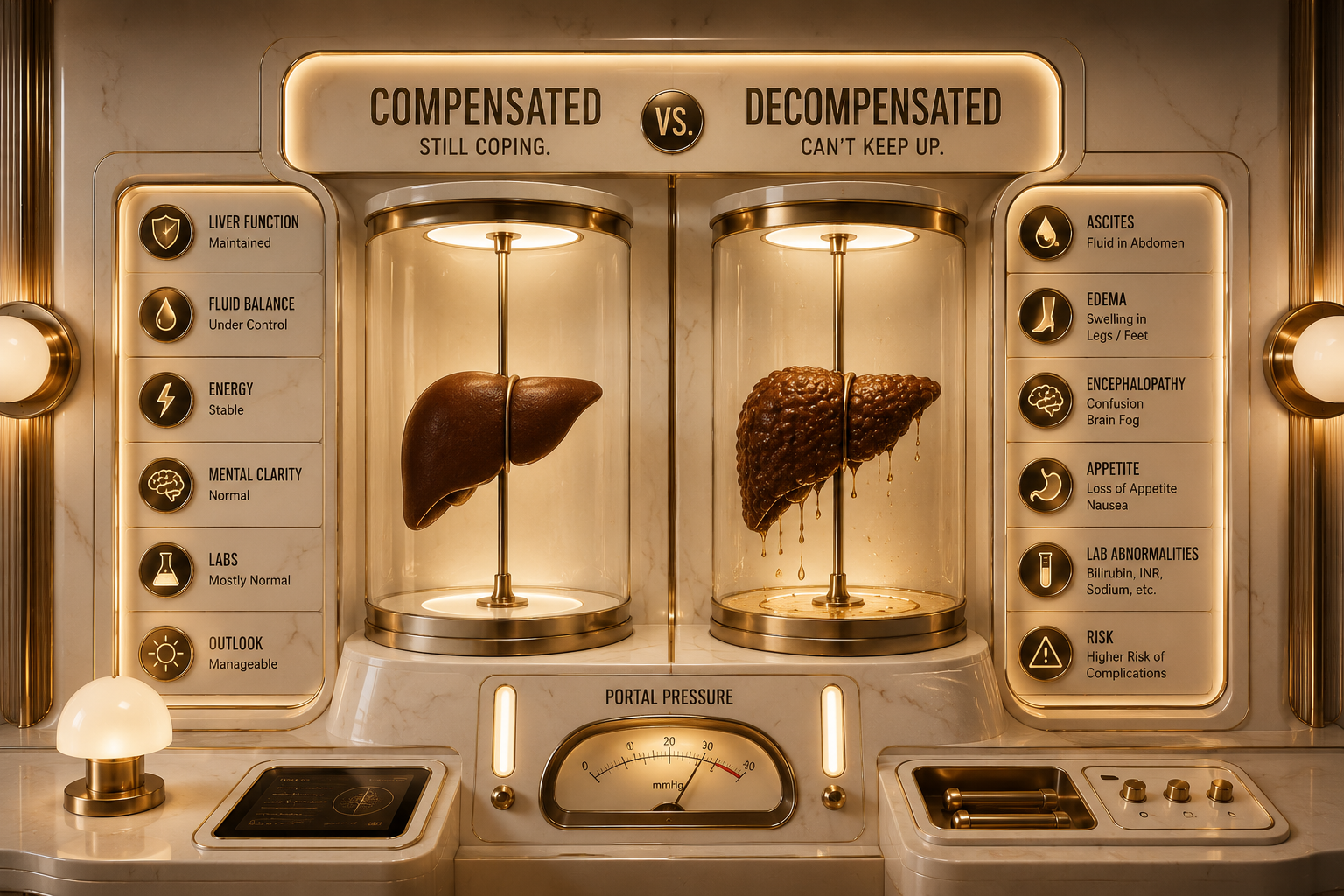
For years, your liver acts like a quiet, fiercely loyal worker, doing backflips behind the scenes to remodel around damage so you can keep living your life. It doesn't throw a fit until it has completely run out of options.

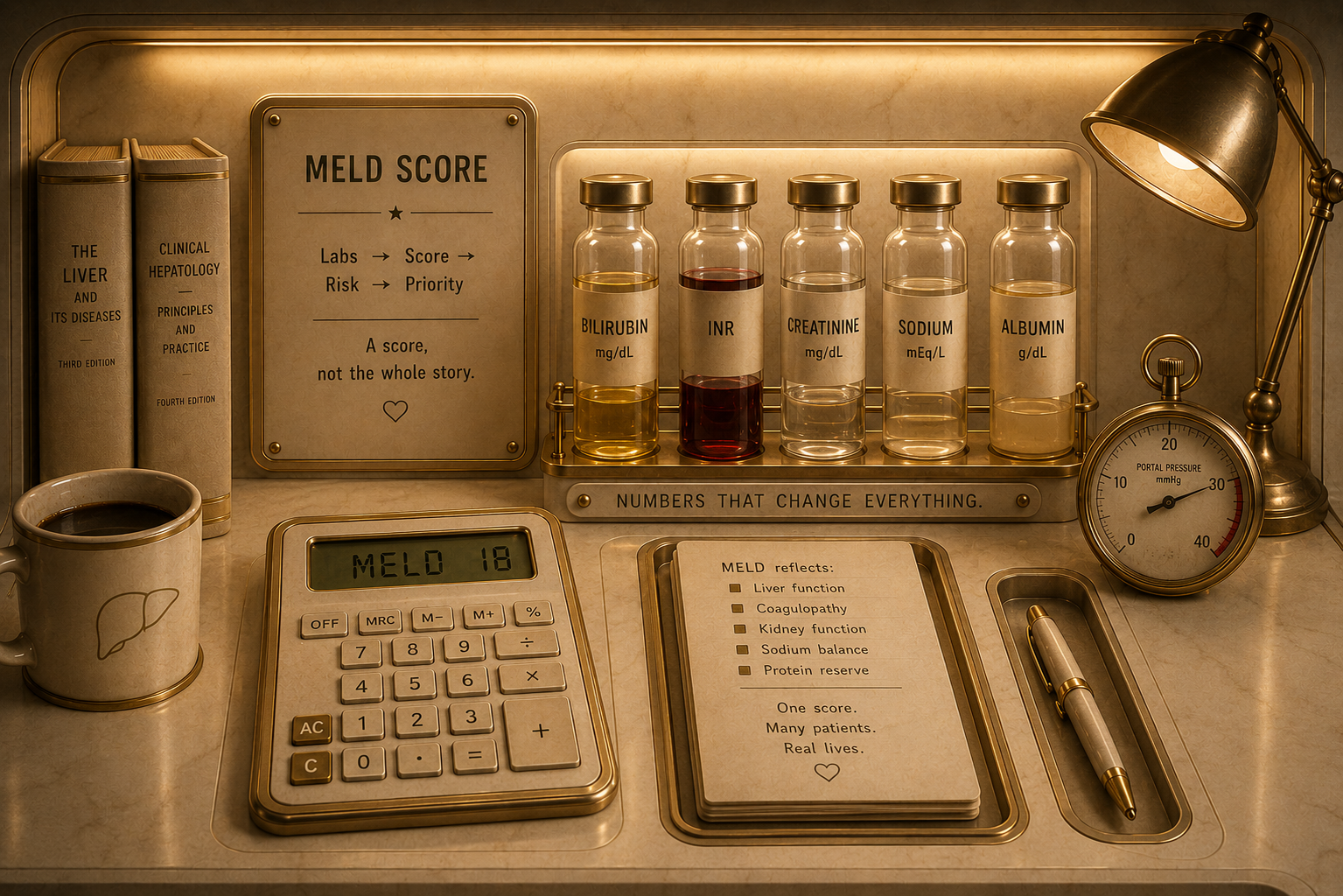
MELD Score - Quick Read
The MELD score (Model for End-Stage Liver Disease) is a precise numerical scale ranging from 6 to 40that estimates a patient's 3-month survival probability [1, 2]. Calculated using specific laboratory blood values, it is the primary tool used by transplant networks to prioritize individuals on the liver transplant waiting list [1].
The higher the score, the more severe the liver dysfunction, and the higher the patient's priority for a life-saving transplant [1, 2].
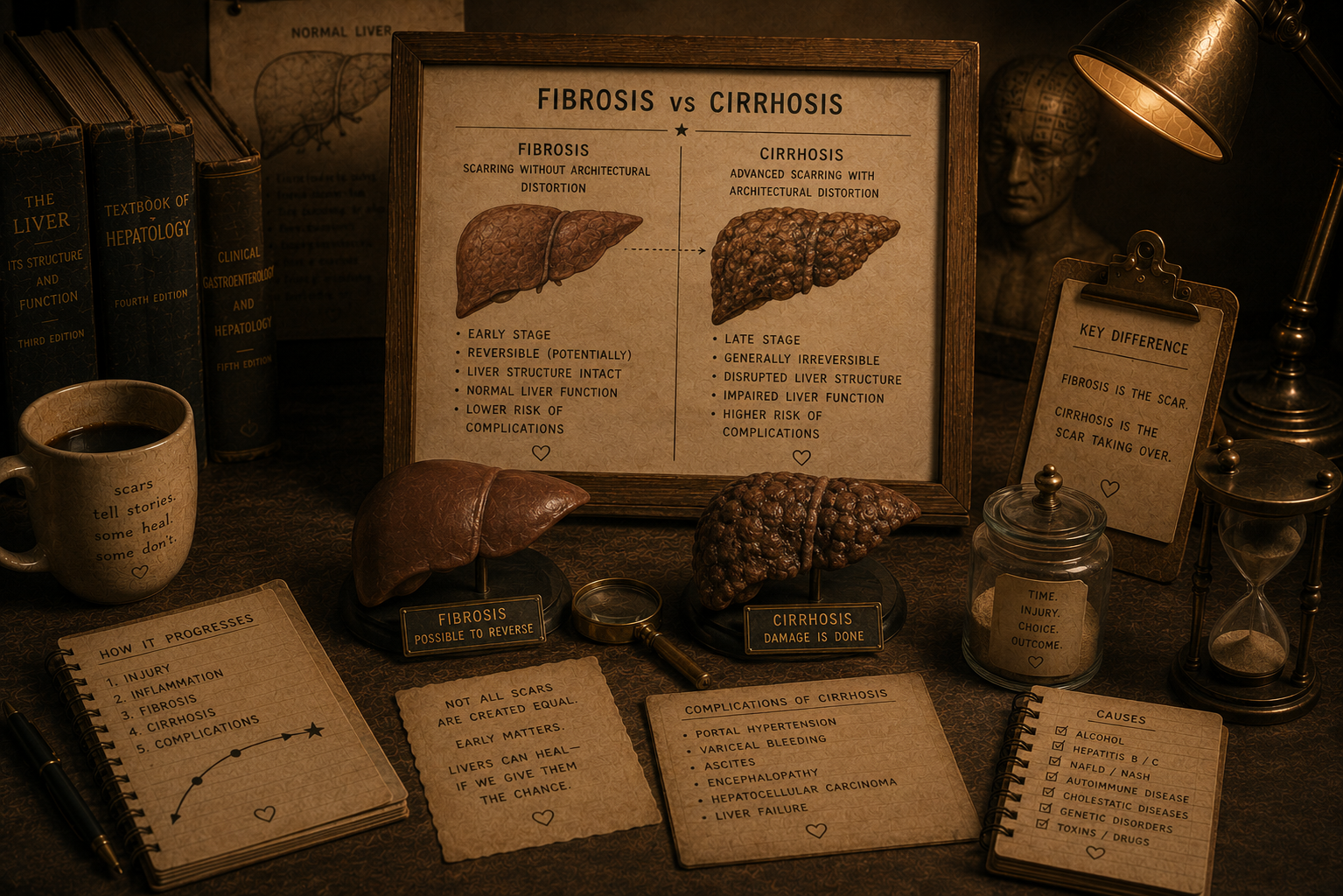
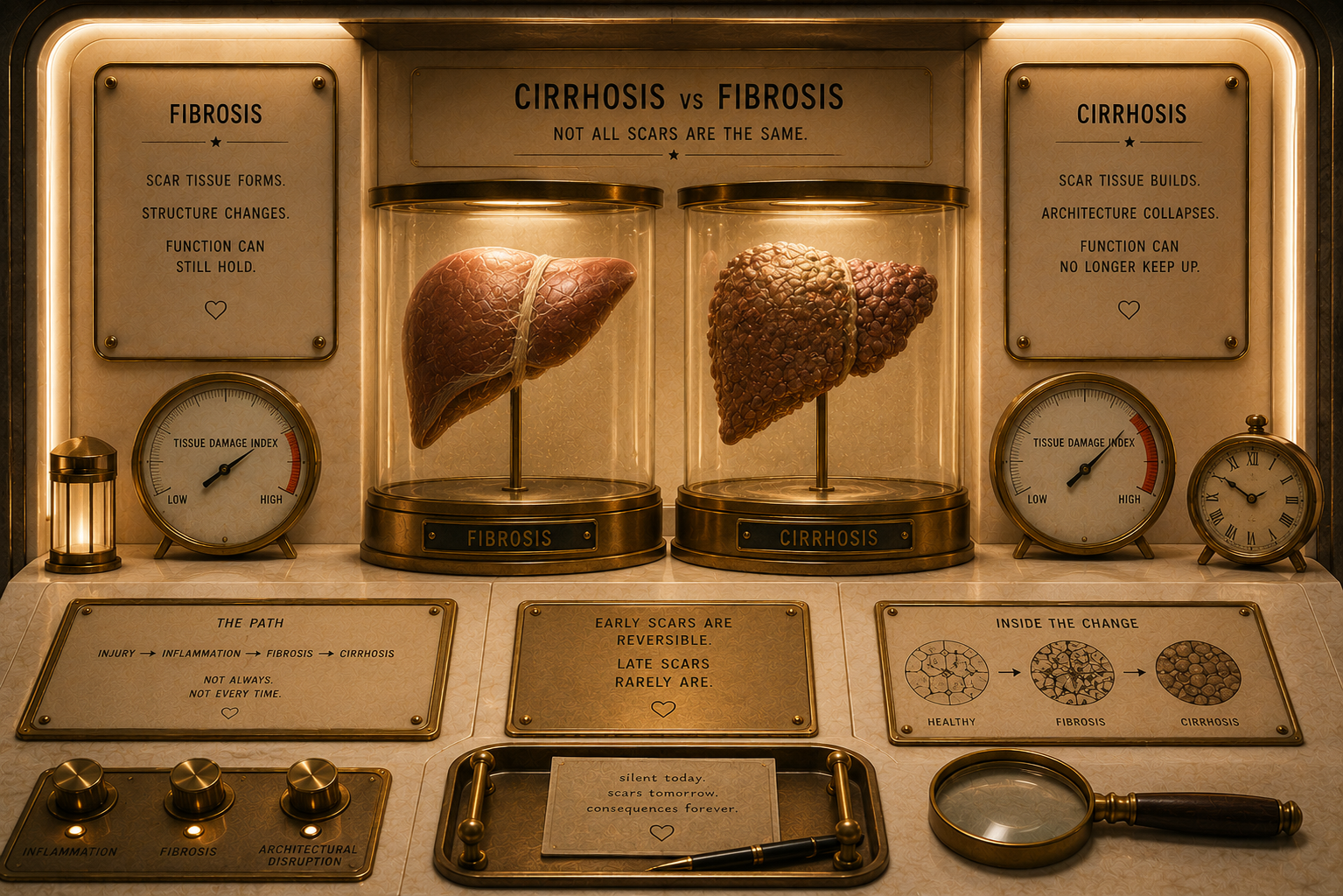
Cirrhosis vs. Fibrosis
Liver scarring exists on a strict pathological spectrum. Fibrosis is the initial, highly reversible accumulation of cellular scar tissue within the liver. Cirrhosis is the advanced, often irreversible end-stage phase where widespread, structural scarring completely distorts the organ's anatomy, as detailed by the NIH National Library of Medicine StatPearls Liver Cirrhosis Profile. [1, 2, 3]

Accidentally Inciting Ascites
Navigating the hidden fallout of advanced fluid retention is the ultimate exercise in physical vulnerability. It strips away your structural comfort, hijacks your body's plumbing baseline, and forces you to play a high-stakes guessing game against an internal tsunami that is actively expanding behind your back.

My Brain Betrayed Me: Navigating Hepatic Encephalopathy
Navigating the hidden fallout of Hepatic Encephalopathy is the ultimate exercise in vulnerability. It strips away your privacy, hijacks your telemetry, and forces you to play a high-stakes guessing game using the exact instrument that is actively being compromised.
But finding your footing inside this quiet, frustrating maze means realizing that your boundaries are still yours to build. You are not a broken machine or a collection of bowel analytics; you are a human being fighting a calculated, metabolic heavyweight battle every single second.